Lightsaber
the weapon of a Jedi
The lightsaber was an elegant energy-blade weapon powered by a Force-attuned kyber crystal, carried by Jedi and Sith alike. Capable of cutting through almost anything, it was a symbol of its wielder's role and a mark of great skill.
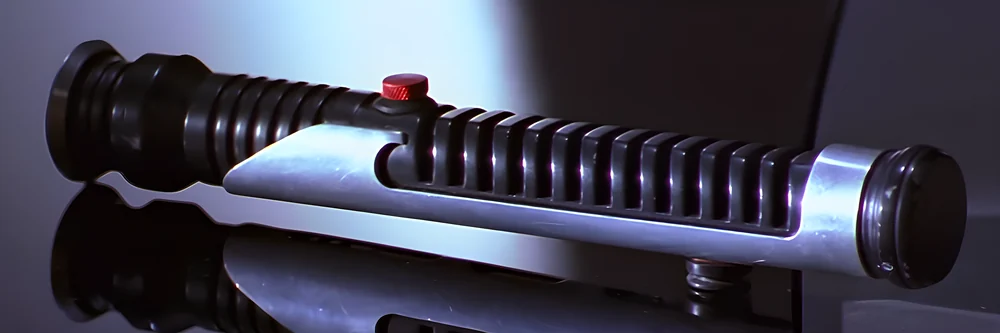
The lightsaber was a melee weapon that projected a blade of pure plasma energy from a usually metal hilt, which could be ignited or shut off at the touch of a button. At the heart of every lightsaber was a kyber crystal attuned to the Force by its wielder, which amplified the energy of the weapon's power cell to create the blade and contain it within a blade-like field. The energy blade had no mass, yet the weapon operated on principles of controlled electromagnetic arc-wave energy that produced a gyroscopic effect, making it challenging to handle. Wielded by the Jedi and Sith for thousands of years, the lightsaber was regarded by the Jedi as their truest ally in battle and a symbol of their role as protectors rather than destroyers. (The Phantom Menace; A New Hope; The Complete Visual Dictionary; The Clone Wars, "A Test of Strength")
Mechanics and components#
A lightsaber drew power from an appropriately sized power cell and was built around a kyber crystal. The essential components included a blade emitter shroud, an emitter matrix, a focusing lens, cycling field energizers, energy modulation circuits, and an energy core housing the crystal, along with some form of activator to switch the weapon on and off. Other parts, such as handgrip ridges, a blade length adjuster, and control dials for the blade's intensity, were sometimes added. Single-bladed lightsabers usually had a belt ring or clip so they could be hung from a belt when not in use. (Rebels, "Path of the Jedi"; The Complete Visual Dictionary; The Phantom Menace)
Assembly demanded precision. It was critical not to invert the emitter matrix, because doing so caused the power grid to backfire when the weapon was activated; at best the blade would quickly short out, but if left on the faulty weapon could violently explode, potentially killing those nearby. Hilts were built from multiple parts that protected the internal components, usually made of metal ranging from simple alloys to Haysian smelt. Some wielders chose unusual materials, such as the youngling Gungi, whose hilt was carved from the metal-strong wood of a Brylark tree, and inlays could be made of ore, stone, or the bone of creatures such as the Cartusion whale. (The Clone Wars, "A Test of Strength"; Star Wars Jedi: Fallen Order)
Kyber crystals#
The kyber crystal was the heart of the lightsaber, focusing the Force channeled through it by its wielder. Finding a kyber crystal was a sacred part of a Jedi's duty. During construction, a youngling would activate the crystal and assemble the weapon using telekinesis while following a diagram provided by an engineer; once complete, the lightsaber was ready to ignite. The process also taught younglings the knowledge to build another should their weapon ever be destroyed. (The Clone Wars, "The Gathering"; The Clone Wars, "A Test of Strength")
Cutting power and resistant materials#
The plasma blade was so powerful that it could cut through almost anything, and lightsaber wounds rarely bled profusely even when a limb was severed. A few materials could resist a lightsaber, however. Beskar, the Mandalorian iron, could repel lightsaber strikes for a brief time in its purest form, as in the armor of Din Djarin. The rare metal phrik was impervious to lightsaber blades, and electrostaffs made from it were resistant though not invulnerable. Praetorian Guard armor could resist strikes, and a personal energy shield powered by rare kohlen crystals was impervious to a standard kyber-crystal blade. (The Empire Strikes Back; The Phantom Menace; The Mandalorian, "Chapter 16: The Rescue"; The High Republic: The Rising Storm; The Last Jedi; Master & Apprentice)
A weapon of the Jedi#
Throughout the history of the Jedi Order, the lightsaber was considered the Jedi's only true ally in battle. The Jedi saw it as a symbol of the care with which they wielded their gifts and as a message to their opponents, since mastering the weapon required great skill and training. The choice of the saber marked their duty as protectors rather than destroyers. Even so, a Padawan who lost her saber on a mission was reminded by her master that she would have to act as a Jedi without it. The weapon could double as a tool, serving as a light source in darkness and functioning underwater, as Jedi demonstrated on the ocean world of Mon Cala. (Star Wars (2020) 25, "The Lesson"; The Clone Wars, "A Test of Strength"; The High Republic: Cataclysm; The Clone Wars, "Water War"; The Clone Wars, "Dooku Captured")
History across the eras#
Lightsabers were used thousands of years before the age of the Galactic Republic, seeing service in the Great Scourge of Malachor and in conflicts such as the Battles of Rashfond and the Peacekeeping of Parliock. During the Imperial era, the only lightsabers prominently in use were those of Darth Vader and the Inquisitors who served him, though Jedi survivors such as Obi-Wan Kenobi and Luke Skywalker, and those they trained, still carried their own. After the Empire's defeat, Luke trained a new generation of Jedi. When those students were killed and the dark-sider Kylo Ren became the most prominent saber wielder, the scavenger Rey discovered the Skywalker lightsaber. After the final war, Rey ritually buried her masters' lightsabers at the Lars Homestead on Tatooine and ignited her own newly crafted blade, taking the Skywalker name to honor their legacy. (Rebels, "Twilight of the Apprentice"; The Clone Wars, "A Test of Strength"; Rebels, "Rise of the Old Masters"; The Last Jedi; The Force Awakens; The Rise of Skywalker)
Frequently asked questions
- What is a lightsaber?
- A lightsaber was a melee weapon that projected a blade of pure plasma energy from a usually metal hilt, which could be ignited or shut off at the touch of a button. It was wielded by the Jedi and Sith for thousands of years.
- How does a lightsaber work?
- At the heart of every lightsaber was a kyber crystal attuned to the Force by its wielder, which amplified the energy of the weapon's power cell to create the blade and contain it within a blade-like field. The energy blade had no mass, yet the weapon operated on principles of controlled electromagnetic arc-wave energy that produced a gyroscopic effect, making it difficult to handle.
- What materials can resist a lightsaber?
- The plasma blade could cut through almost anything, but a few materials resisted it. Beskar in its purest form could repel strikes briefly, the rare metal phrik was impervious to the blade, and a personal energy shield powered by rare kohlen crystals could block a standard kyber-crystal blade.
- Why is the lightsaber important to the Jedi?
- The Jedi considered the lightsaber their only true ally in battle and a symbol of the care with which they wielded their gifts. The choice of the saber marked their duty as protectors rather than destroyers, and finding a kyber crystal and building one's own weapon was a sacred part of a Jedi's duty.
- What happened to the lightsaber during the Imperial era?
- During the Imperial era the only lightsabers prominently in use were those of Darth Vader and the Inquisitors who served him, though Jedi survivors such as Obi-Wan Kenobi and Luke Skywalker still carried their own. After the Empire's defeat the weapon passed through a new generation of Jedi and ultimately to the scavenger Rey, who buried her masters' lightsabers at the Lars Homestead on Tatooine and ignited her own newly crafted blade.
Gallery

Images via Wookieepedia
Sources
- VideoThe Phantom Menace, Lucasfilm, 1999
- VideoA New Hope, Lucasfilm, 1977
- BookStar Wars: The Complete Visual Dictionary, New Edition, Pablo Hidalgo and David Reynolds, DK reference book, 2018
- VideoA Test of Strength, Star Wars: The Clone Wars, season 5 episode 7, 2012
- VideoPath of the Jedi, Star Wars Rebels, season 1 episode 10, 2015
- GameStar Wars Jedi: Fallen Order, Respawn Entertainment, 2019
- VideoThe Gathering, Star Wars: The Clone Wars, season 5 episode 6, 2012
- VideoThe Empire Strikes Back, Lucasfilm, 1980
- VideoChapter 16: The Rescue, The Mandalorian, season 2 episode 8, 2020
- BookThe High Republic: The Rising Storm, Cavan Scott, novel, 2020
- VideoThe Last Jedi, Lucasfilm, 2017
- BookMaster & Apprentice, Claudia Gray, novel, 2019
- ComicStar Wars (2020) 25, Marvel Comics, 2022
- BookThe High Republic: Cataclysm, Lydia Kang, novel, 2023
- VideoWater War, Star Wars: The Clone Wars, season 4 episode 1, 2011
- VideoDooku Captured, Star Wars: The Clone Wars, season 1 episode 11, 2009
- VideoTwilight of the Apprentice, Star Wars Rebels, season 2 episodes 21 and 22, 2016
- VideoRise of the Old Masters, Star Wars Rebels, season 1 episode 5, 2014
- VideoThe Force Awakens, Lucasfilm, 2015
- VideoThe Rise of Skywalker, Lucasfilm, 2019
Spotted a factual error or a primary source we missed? Email a correction. Every flagged claim gets reviewed.
Questions about Lightsaber
How Could The Pearl From A Krayt Dragon Create The Most Powerful Lightsaber?
Krayt dragons swallow stones to grind their food, and the pearls that come out of their guts are formed from kyber. Drop one into a hilt and it produces an extremely powerful, destructive blade that howls when it ignites. Getting one means killing a krayt dragon first, which is why almost nobody has.
What Happened to Anakin's Lightsaber?
Obi-Wan took it from Anakin on Mustafar, gave it to Luke on Tatooine, and Luke lost it at Cloud City. It turned up decades later in Maz Kanata's castle, passed to Rey, broke, was mended, and was finally buried on Tatooine. Here is the whole trail, film by film.
Why Are Orange Lightsabers Weak?
Some orange blades are not powered by kyber at all. They run on kohlen crystals, a near identical cousin that looks the same and even resonates in the Force the same way. The blade it produces is low powered and struggles to cut, which earned the crystal the nickname fool's kyber.
Why Did Both The Jedi And Sith Hate This Lightsaber Variant?
The flicker phase blade switched itself on and off at random, which made it nearly impossible to block and impossible to lock. The Jedi called it dishonourable and unsporting, and the Sith had their own reasons to leave it alone.
Why Did Luke Skywalker Use A Sith Lightsaber Crystal?
Luke built his green lightsaber on Tatooine with no way to reach a natural crystal world like Ilum. So he fell back on notes and equipment left in Obi-Wan Kenobi's hut and grew a synthetic crystal, a method the Sith pioneered and the Jedi discouraged.
Why Did Palpatine Love Maul's Lightsaber?
Because of what it told his own master. Sidious trained Maul as an assassin rather than a Sith Lord, and the brutal, ancient saberstaff advertised exactly that. It made Maul look like a weapon instead of a successor, which kept Plagueis from noticing what his apprentice was really building.
Followed from this entry

The Force
The Force was an energy field created by all life that bound the galaxy together. It granted supernatural powers to the Force-sensitive and underlay the millennia-long conflict between the light-side Jedi and the dark-side Sith.

Darth Vader
Anakin Skywalker was the prophesied Chosen One, a Jedi Knight and hero of the Clone Wars who fell to the dark side and became the Sith Lord Darth Vader. He enforced the rule of the Galactic Empire for decades before his redemption and death at the Battle of Endor.

Din Djarin
Din Djarin was a Mandalorian warrior and bounty hunter known across the Outer Rim simply as the Mandalorian. Hired to retrieve a Force-sensitive child, he instead became the foundling Grogu's protector and adoptive father.
Galactic Republic
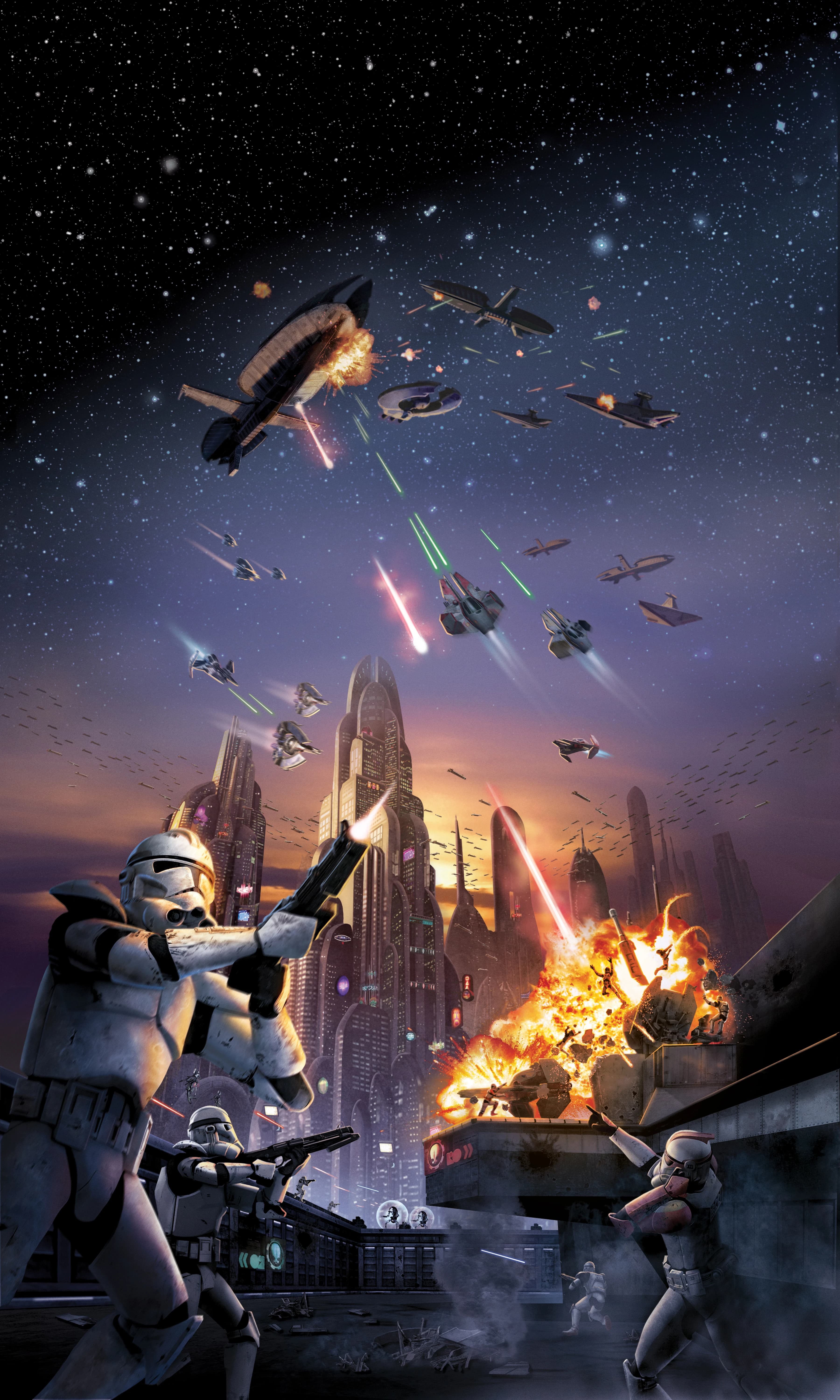
The Galactic Republic was the democratic government that ruled much of the galaxy for over a thousand generations from its capital on Coruscant, served by the Jedi Order. After the Clone Wars it was reorganized by Palpatine into the Galactic Empire.
Jedi Order
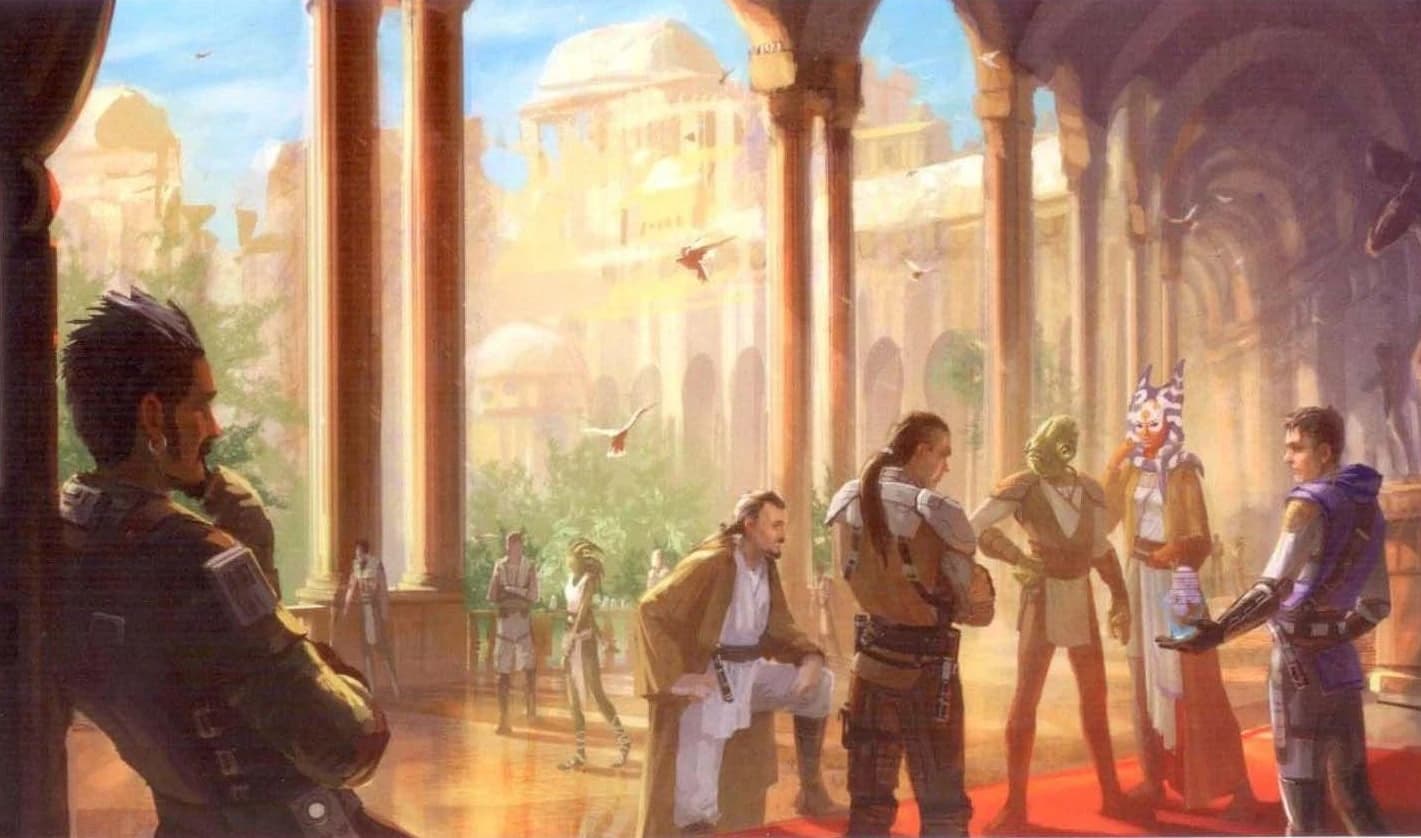
The Jedi Order was a monastic, nontheistic religious order devoted to the light side of the Force, serving for over a thousand generations as the guardians of peace and justice in the Galactic Republic. Nearly annihilated by Order 66, the Order endured through scattered survivors and was rebuilt, however briefly, by Luke Skywalker.
Kylo Ren
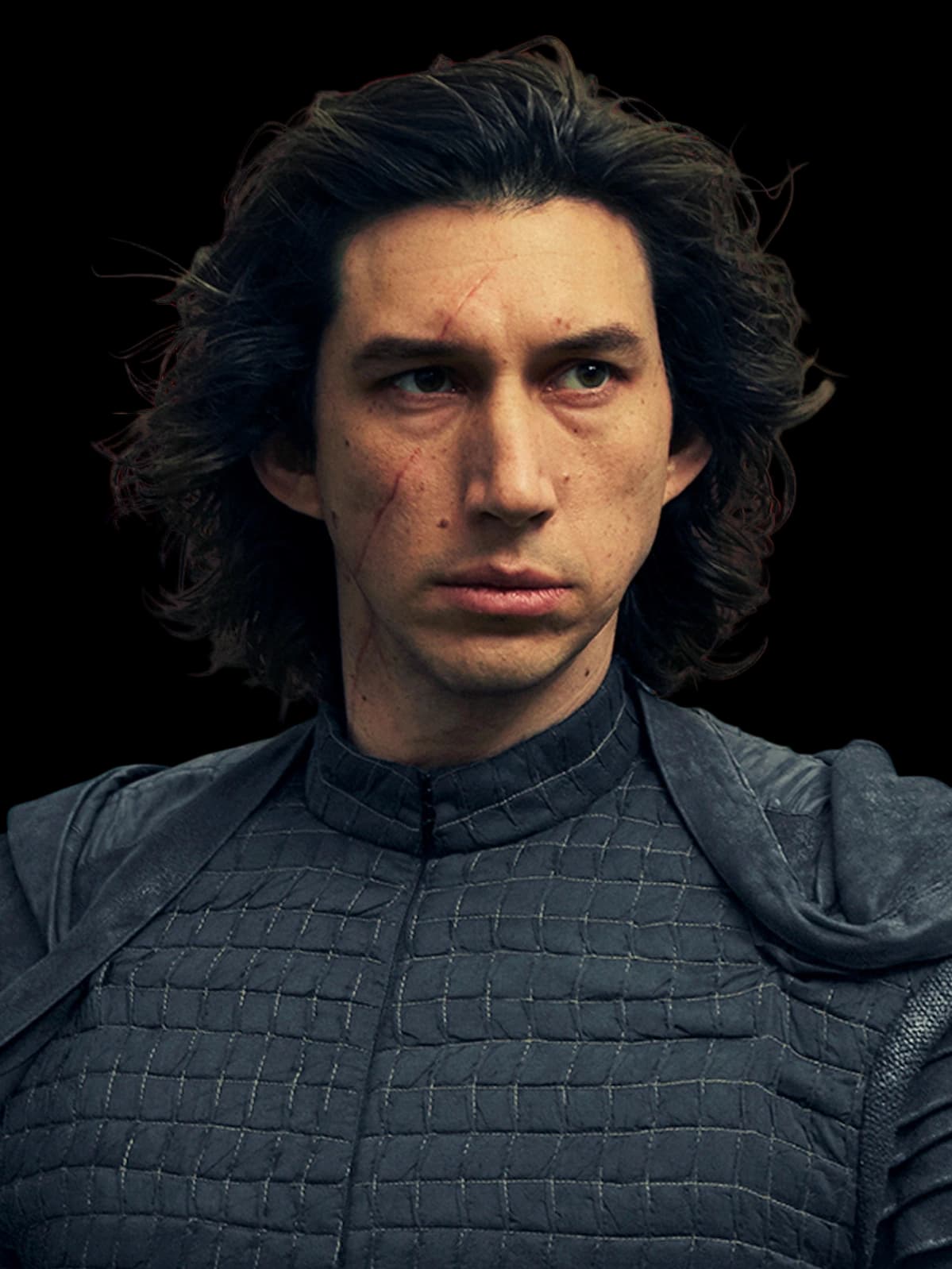
Ben Solo was the son of Han Solo and Leia Organa and the grandson of Darth Vader. Turned to the dark side by Snoke, he became Kylo Ren, master of the Knights of Ren and Supreme Leader of the First Order, before finding redemption and sacrificing himself for Rey.
Mentioned in22 entries
Aayla Secura: the Twi'lek Jedi who fell on Felucia
Aayla Secura was a Rutian Twi'lek Jedi Master and Clone Wars general who commanded the 327th Star Corps alongside Commander Bly. She fell on Felucia during Order 66, shot in the back by the clones she had led.
Every Lightsaber Color Meaning Explained
A blade color is never just decoration. It tells you how its owner touches the Force, which school they trained under, and in some cases what they did to the crystal to get that shade. This guide covers every known lightsaber color in Canon and Legends, what each one means, and who carried it.
Every Lightsaber Combat Form Explained
A full breakdown of all seven classic lightsaber forms plus the rare styles most fans never hear about, from Shii-Cho to Trakata. Covers the body zones, marks of contact and maneuvers that sit underneath every form.
Every Lightsaber Crystal Explained
More than sixty named lightsaber crystals exist across Canon and Legends, and most of them do something stranger than colour a blade. This guide runs through all of them, from cheap training stones to the Kaiburr crystal, and explains what each one actually did to the weapon it sat inside.
Every Lightsaber Type and Variant Explained
Around forty distinct lightsaber designs exist across Canon and Legends, from the plain single blade every Jedi built to whips, axes, gauntlets and a suit of armour with sabers surgically fitted into its joints. This guide walks through all of them and flags which continuity each one belongs to.
Everything Lightsabers Cannot Cut Through
A lightsaber blade burns hot enough to go through blast doors, but a short list of materials shrugs it off. This guide runs through every lightsaber-resistant substance in Canon and Legends, from armorweave capes to the quantum crystalline hull of the Sun Crusher, and explains why each one works.
Kanan Jarrus
Kanan Jarrus, born Caleb Dume, was a Force-sensitive Jedi Knight who survived Order 66. After years in hiding he joined Hera Syndulla's rebel cell, trained Ezra Bridger, and died liberating Lothal.
Ki-Adi-Mundi
Ki-Adi-Mundi was a Cerean Jedi Master and member of the Jedi High Council who fought through the Clone Wars as a general. He was shot down by his own clone troopers on Mygeeto when Order 66 was issued.
Luminara Unduli
Luminara Unduli was a Mirialan Jedi Master who commanded the 41st Elite Corps and trained Barriss Offee. Arrested and executed after Order 66, her remains were later used by the Empire as bait to lure surviving Jedi to their deaths.
Revan: the Prodigal Knight
Revan was a human Jedi Knight who led the Republic to victory in the Mandalorian Wars, then fell to the dark side and forged his own Sith Empire as a Dark Lord. Captured and mind-wiped, he was retrained as a Jedi, turned against the Empire he had built, and destroyed it. This entry describes the Legends continuity.
What Happened to Anakin's Lightsaber?
Obi-Wan took it from Anakin on Mustafar, gave it to Luke on Tatooine, and Luke lost it at Cloud City. It turned up decades later in Maz Kanata's castle, passed to Rey, broke, was mended, and was finally buried on Tatooine. Here is the whole trail, film by film.
Do Blasters Ever Run Out Of Ammunition?
Yes. Blasters run on compact power packs, and an E-11 gets around a hundred shots from a standard cell or more than five hundred from a plasma cartridge. The reason nobody reloads much is that the packs last, not that they are endless.
+ 10 more
Get new articles in your inbox
No spam. New lore drops, canon conflicts, and deep dives only when they’re worth reading.
Some links on Lore Fortress are affiliate links. If you buy through them we earn a small commission at no extra cost to you.