Lurker
subterranean ambush strain of the Zerg Swarm
The lurker is an arachnid Zerg strain evolved from the hydralisk that attacks only while burrowed, erupting waves of super-dense spines from beneath the ground to impale anything caught above it.
The lurker was an arachnid-looking strain of the Zerg Swarm, evolved from the hydralisk and counted among the rare Zerg that can attack while burrowed. A powerful anti-ground ambusher, it served as a defender of hive clusters and outlying colonies and, above all, as a terror of the enemy's supply lines, turning an innocuous chokepoint into a killing ground from beneath the soil. (StarCraft: Brood War; StarCraft Field Manual)
Physiology#
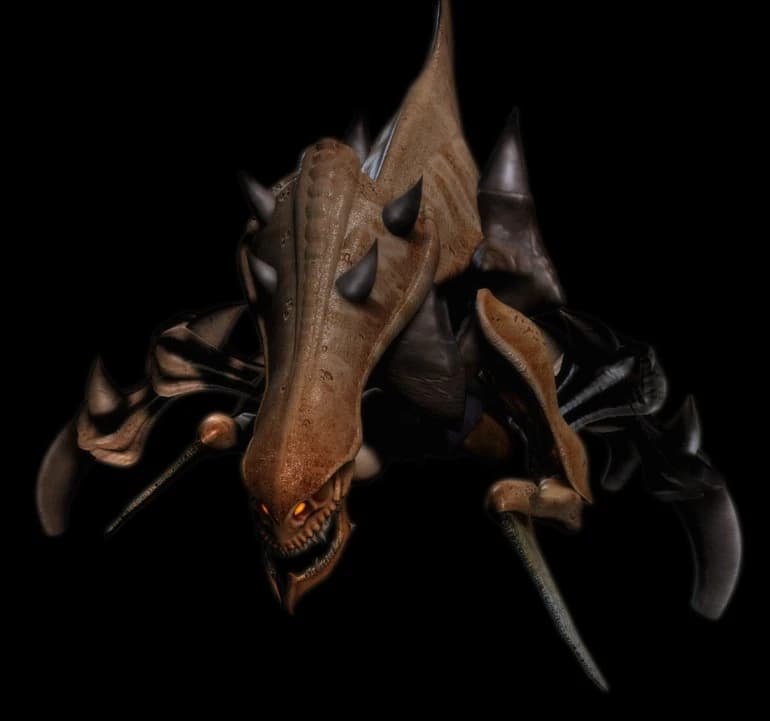
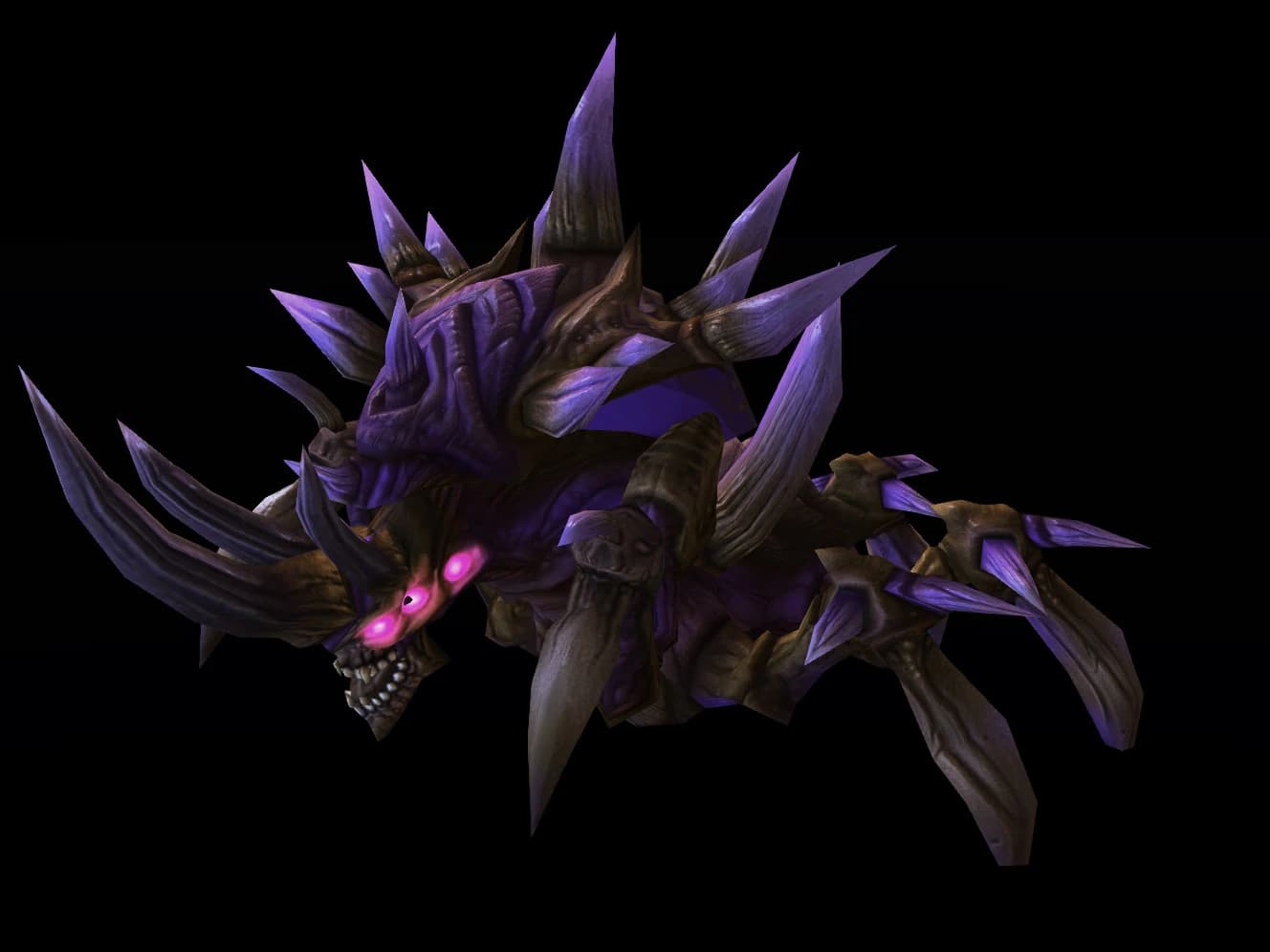
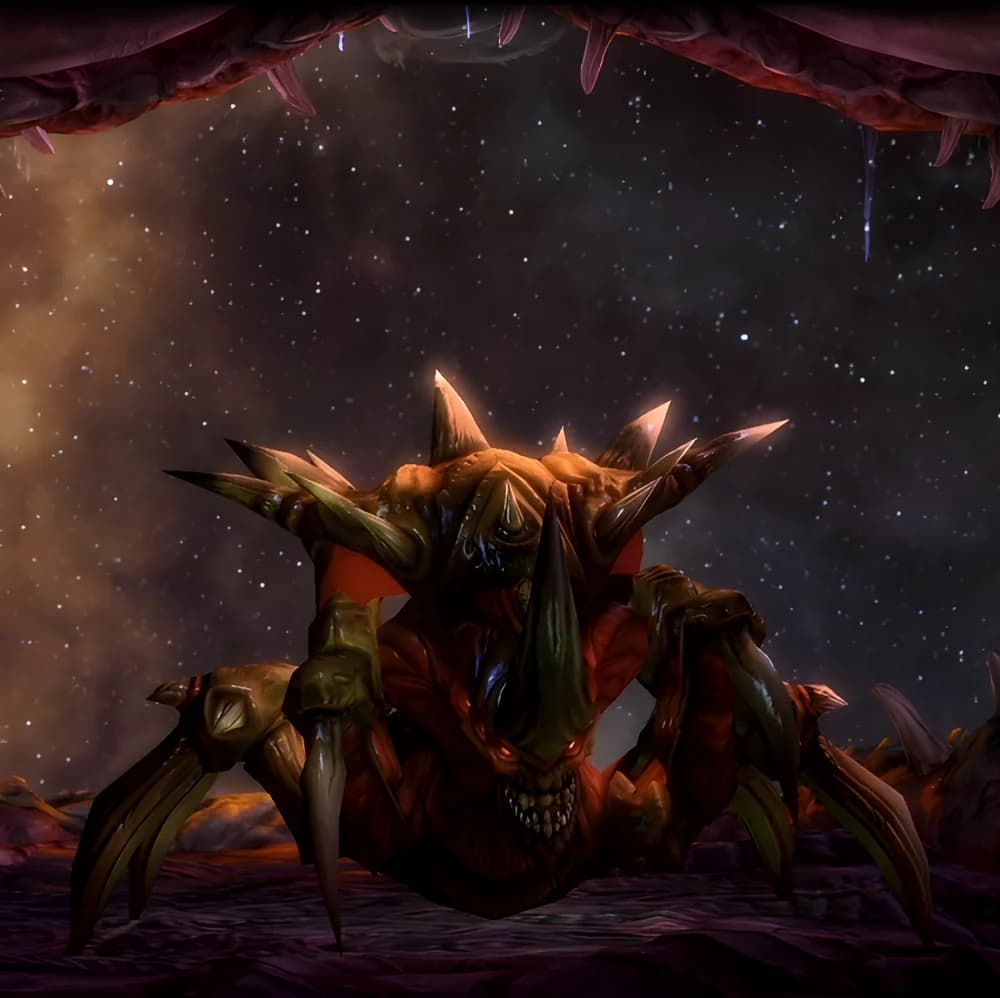
Compared with other Zerg strains, lurkers are arachnid in appearance. Evolved from the hydralisk, they are powerful anti-ground ambushers and one of the rare Zerg strains able to attack while burrowed. When above ground, a lurker stands roughly twice as tall as a terran wearing CMC armor, carried on slow-moving ambulatory legs. (StarCraft: Brood War; StarCraft Field Manual)
Method of attack#
Lurkers serve as defense warriors for hive clusters and outlying colonies, but their primary role extends to supply-line harassment. To attack, a lurker emits waves of super-dense spines, but it must first burrow underground to release these subterranean strikes. Any warrior on the surface caught by the spines is instantly impaled. The spines themselves can tear into flesh, steel, and even reinforced armor plating, can extend far from the lurker's body, and can be directed downward into open spaces provided the lurker is underground. (StarCraft: Brood War; StarCraft Field Manual; StarCraft: Frontline Volume 3)
A handful of lurkers can turn an innocuous chokepoint into a nightmare, and they have been known to ambush forces moving through tight corridors. Their spiked eruptions are sometimes powerful enough to deal seismic damage to nearby targets. The spines are rarely seen above ground, and many terrans remain unclear about where in the lurker's body they originate, though some strains can fire spines from their frontal legs while above ground. According to its Leviathan Brood skin description, the connection between hydralisks and lurkers in that brood is closer than in any other, and their metamorphosis yields a considerable number of additional seismic spikes. (StarCraft Field Manual; StarCraft: Soldiers; StarCraft II: Legacy of the Void)
The lurker's only true weakness is its vulnerability above ground, where it is a lumbering, nearly defenseless entity. By the Battle of Camp Pitcairn, however, some strains of lurker had adapted to fire spikes and use their jaws while above ground. (StarCraft: Brood War; StarCraft Field Manual; StarCraft: Soldiers)
History#
Lurkers were first evolved from Tiamat Brood hydralisks, and by the Brood War they were one of the newer strains within the Swarm. They were first seen under the command of the Queen of Blades during that conflict. After the Brood War, the Queen of Blades abandoned the lurker as part of her effort to assimilate new strains into her Swarm. (StarCraft Field Manual; StarCraft: Brood War; StarCraft II: Heart of the Swarm)
During the Second Great War, Abathur discovered a group of feral lurkers on Cavir, left over from the Tiamat Brood. The Swarm located a lurker den and held off the feral Zerg long enough for Broodmother Kilysa to recover its essence. Years later, the Defenders of Man used Nova Terra to plant psi-emitters and lure feral lurkers to Antiga Prime. (StarCraft II: Heart of the Swarm; StarCraft II: Nova Covert Ops)
Frequently asked questions
- What is a lurker in StarCraft?
- The lurker is an arachnid-looking strain of the Zerg Swarm, evolved from the hydralisk and counted among the rare Zerg that can attack while burrowed. It serves as a defender of hive clusters and outlying colonies and as a terror of enemy supply lines.
- How does a lurker attack?
- A lurker must first burrow underground, then emits waves of super-dense spines that erupt from below to impale anything caught on the surface. The spines can tear into flesh, steel, and even reinforced armor plating, and their eruptions are sometimes powerful enough to deal seismic damage.
- What is the lurker's weakness?
- The lurker's only true weakness is its vulnerability above ground, where it is a slow, lumbering, nearly defenseless creature. By the Battle of Camp Pitcairn, however, some strains had adapted to fire spikes and use their jaws while above ground.
- Where did lurkers come from?
- Lurkers were first evolved from Tiamat Brood hydralisks and emerged as one of the newer strains within the Swarm by the Brood War, first seen under the command of the Queen of Blades. After the Brood War she abandoned the lurker, and its essence was later recovered from feral specimens on Cavir during the Second Great War.
Gallery

Images via StarCraft Wiki
Sources
- GameStarCraft: Brood War, Blizzard Entertainment, 1998 (including the manual)
- ComicStarCraft: Frontline Volume 3, Tokyopop, 2009
- GameStarCraft II: Heart of the Swarm, Blizzard Entertainment, 2013
- GameStarCraft II: Legacy of the Void, Blizzard Entertainment, 2015 (Collections skin descriptions)
- BookStarCraft Field Manual, Rick Barba, Insight Editions, 2015
- GameStarCraft II: Nova Covert Ops, Blizzard Entertainment, 2016
- ComicStarCraft: Soldiers, Jody Houser and Andrew Robinson (w), Miguel Sepulveda (a), Dark Horse Comics, 2019
Spotted a factual error or a primary source we missed? Email a correction. Every flagged claim gets reviewed.
Followed from this entry
Broodmother
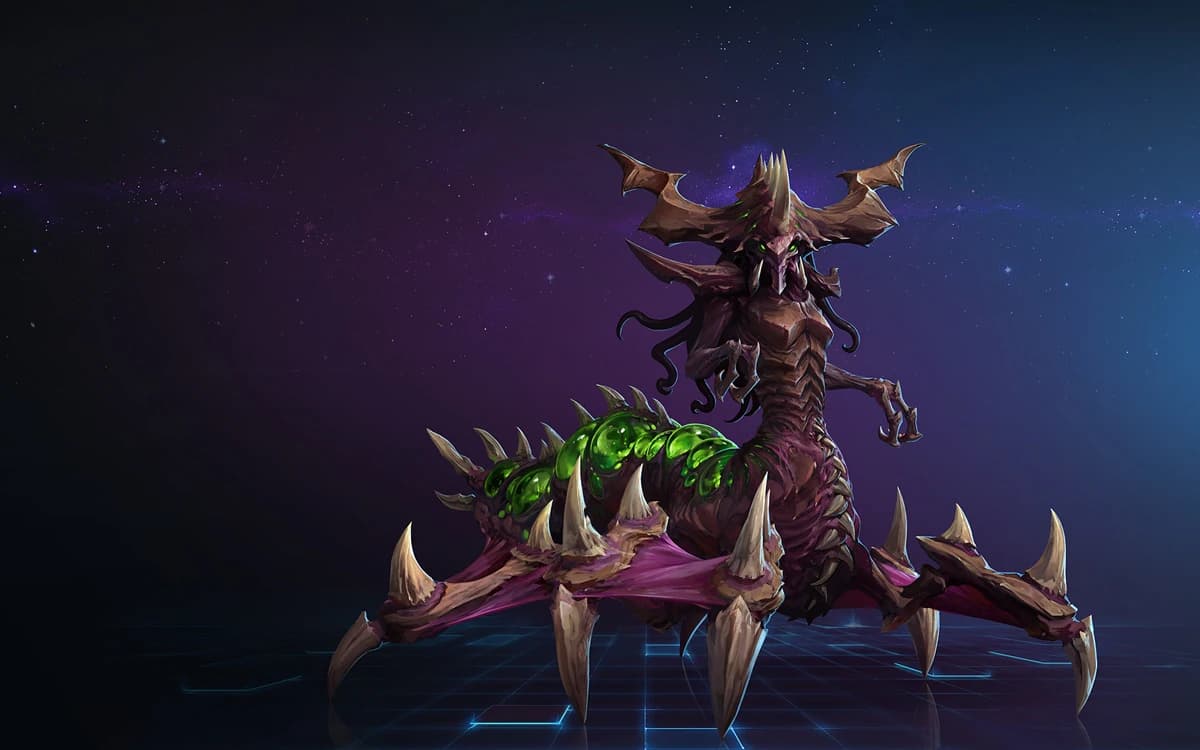
Broodmothers were powerful, intelligent queens created by the Queen of Blades to replace the cerebrates, tasked with guarding and leading the broods of the Zerg Swarm. Independent enough to survive their creator's fall, they fragmented the Swarm when Kerrigan was deinfested and warred among themselves for control.
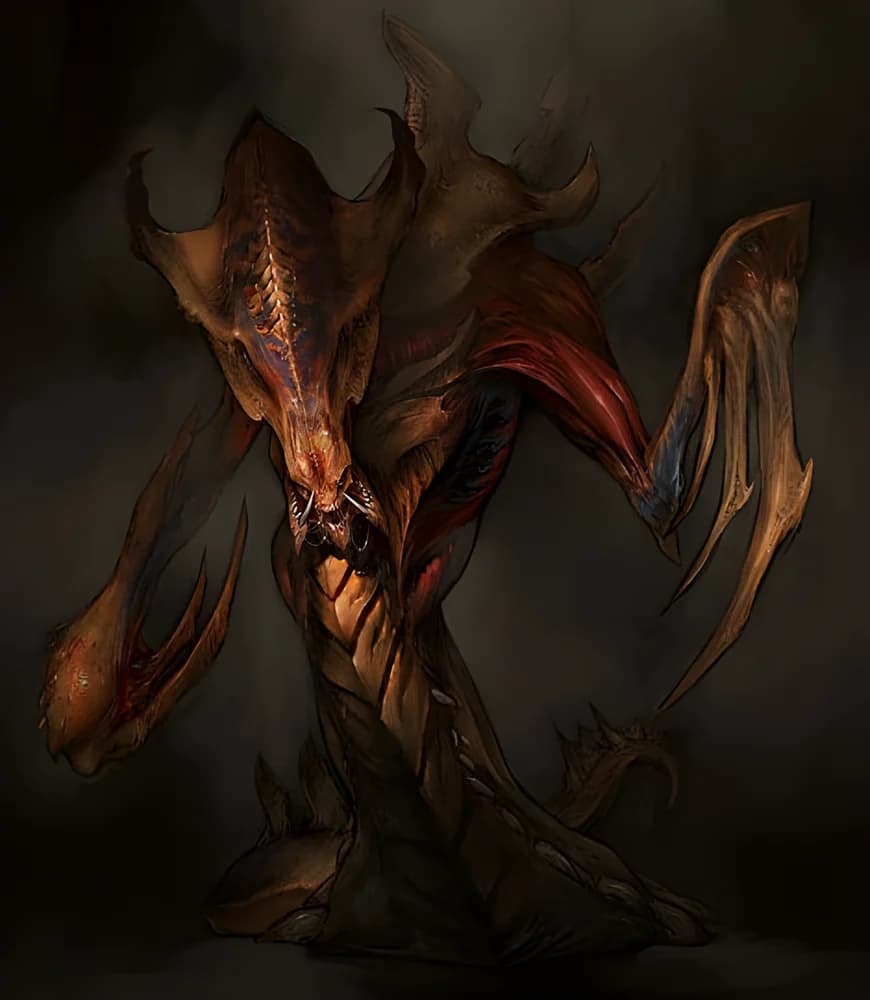
Hydralisk
The hydralisk was a versatile zerg combat strain evolved from the peaceful slothien, armored in carapace plates and able to launch volleys of armor-piercing spines from its upper body. Forming the backbone of the Swarm's onslaughts, the hydralisk symbolized zerg power to terrans more than any other strain.
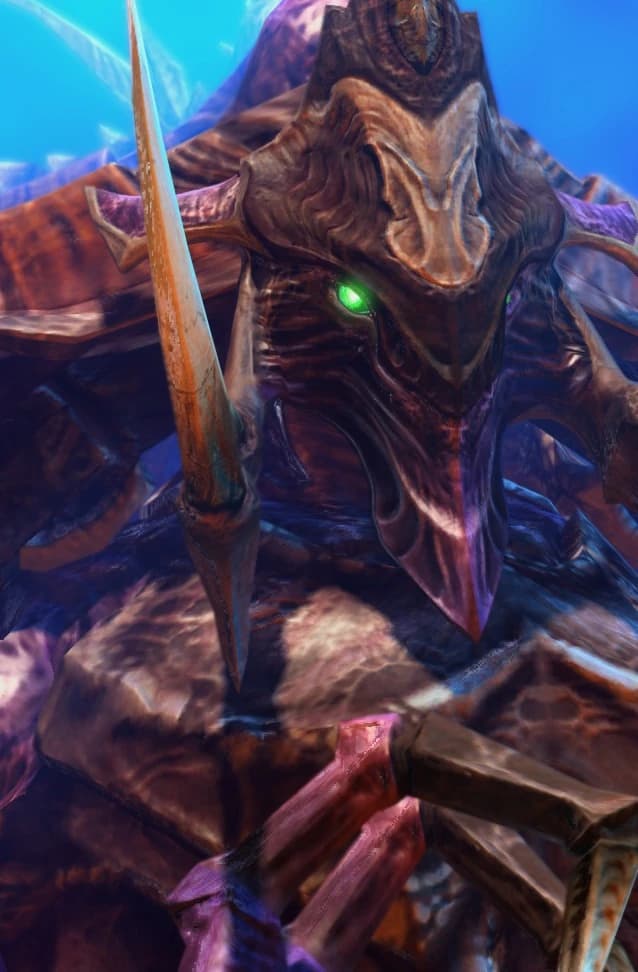
Queen
The queen is a Zerg support strain derived from the Arachnis brood-keeper, bred to administrate hive clusters, oversee maturing broods, and serve as an infestation specialist. Two distinct forms exist across the history of the Swarm, the flying Great War queen and the ground-bound hive-master engineered after the Brood War.

Zerg
The zerg are a ravenous collective of biologically advanced aliens who evolve by assimilating the essence of other species in pursuit of genetic perfection. Created by Amon's xel'naga on Zerus and bound to the Overmind, they grew into one of the three dominant powers of the galaxy.
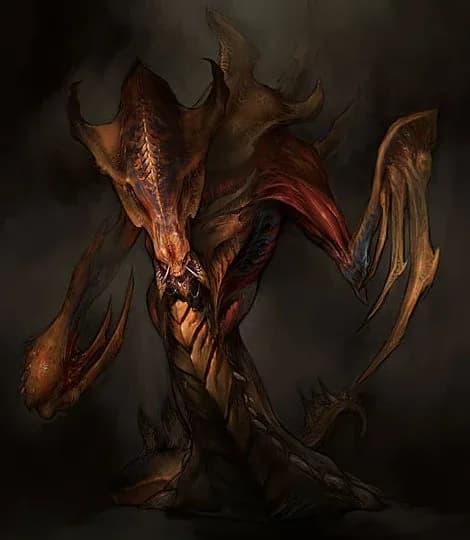
Every Zerg Unit in StarCraft and StarCraft II, Explained
Every zerg strain from StarCraft, Brood War and the three StarCraft II campaigns, from the zergling to the leviathan. Each entry covers the species it came from, what it does for the Swarm and where it turns up in the story.
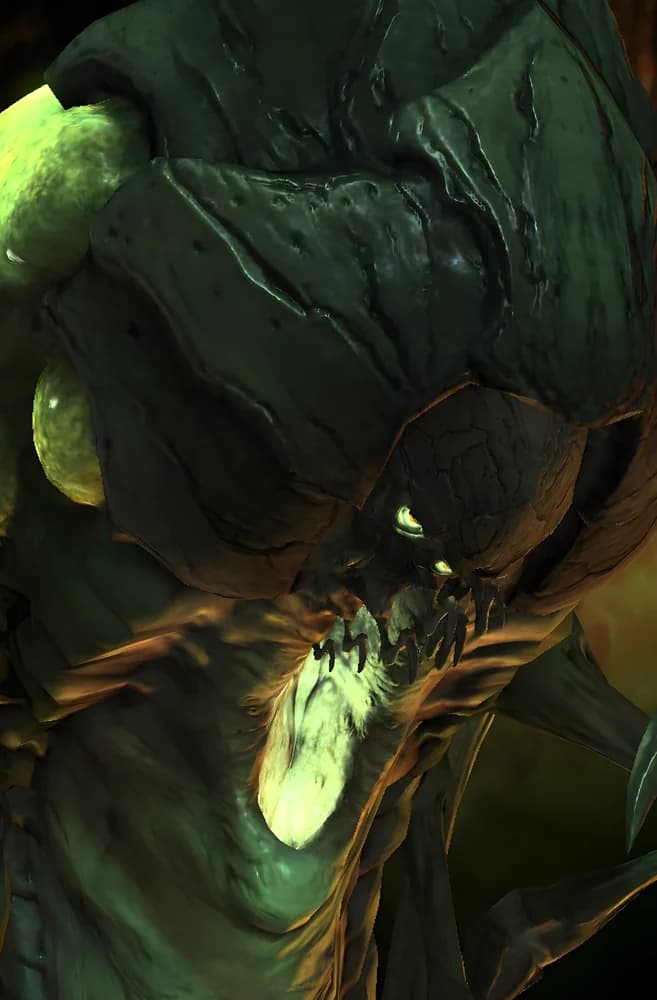
Abathur: the Swarm's living DNA library
Spun from many species by the Overmind, Abathur designed the Queen of Blades. He later betrayed Zagara to restart the wars he thought zerg needed.
Mentioned in4 entries
Broodmother
Broodmothers were powerful, intelligent queens created by the Queen of Blades to replace the cerebrates, tasked with guarding and leading the broods of the Zerg Swarm. Independent enough to survive their creator's fall, they fragmented the Swarm when Kerrigan was deinfested and warred among themselves for control.
Essence
Essence was the genetic information carried by all life and the key to zerg evolution. By consuming or assimilating their prey, the zerg took the essence of other creatures and folded their desired strengths into the Swarm, an ability that first drew the fallen xel'naga Amon to enslave them.
Every Zerg Unit in StarCraft and StarCraft II, Explained
Every zerg strain from StarCraft, Brood War and the three StarCraft II campaigns, from the zergling to the leviathan. Each entry covers the species it came from, what it does for the Swarm and where it turns up in the story.
Ihan-rii: the protoss sect that slept for millennia and woke to reclaim Tyrador
The Ihan-rii are a fanatical protoss sect that split from their kindred millennia ago, worship the xel'naga as their ancestors, and returned from deep stasis to reclaim Arakyr, the world terrans call Tyrador IX.
Get new articles in your inbox
No spam. New lore drops, canon conflicts, and deep dives only when they’re worth reading.
Some links on Lore Fortress are affiliate links. If you buy through them we earn a small commission at no extra cost to you.