Ranama
Lava-Dwelling Predators of Ta-Metru and Ta-Wahi
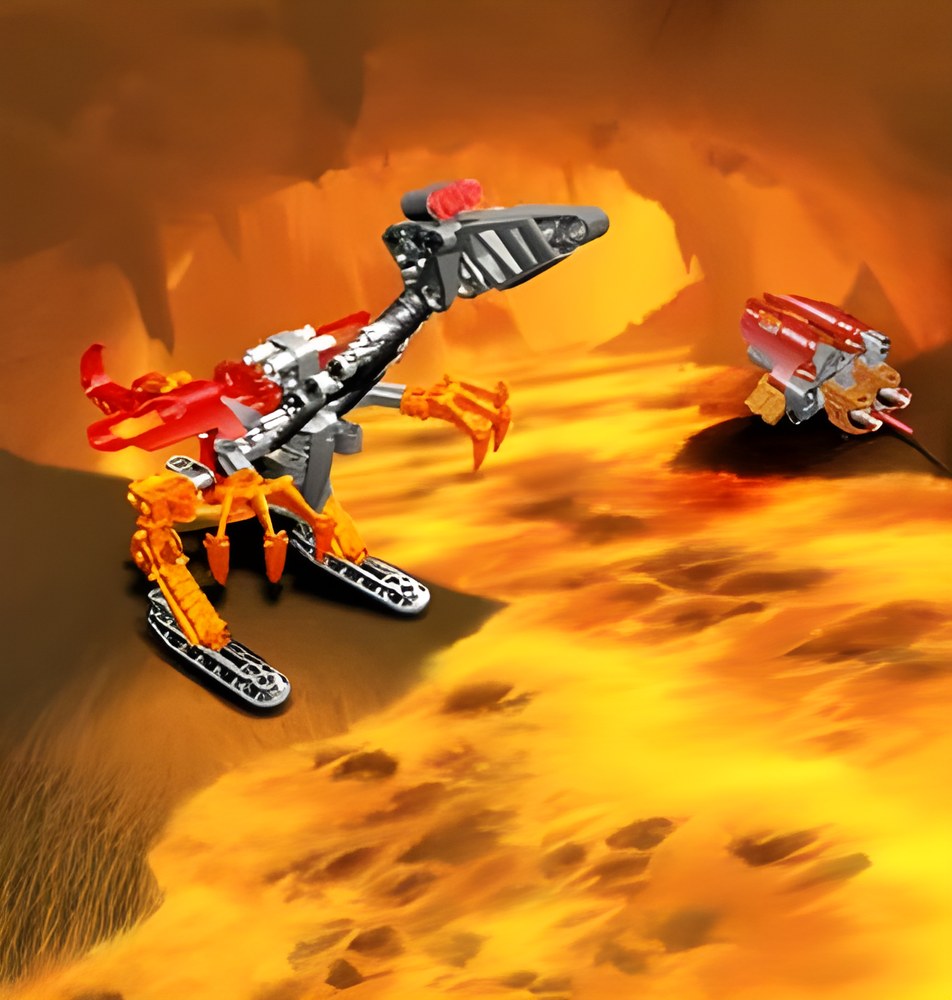
The Ranama were fire-resistant amphibian Rahi native to the molten Protodermis vats of Ta-Metru that later thrived in the lava flows of Ta-Wahi.
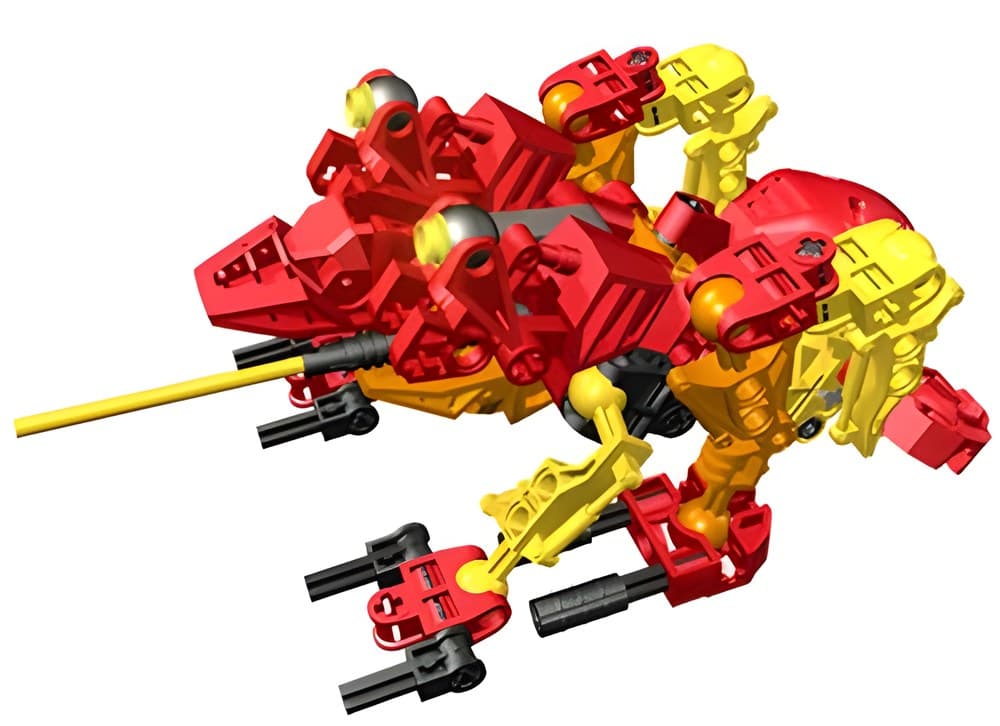
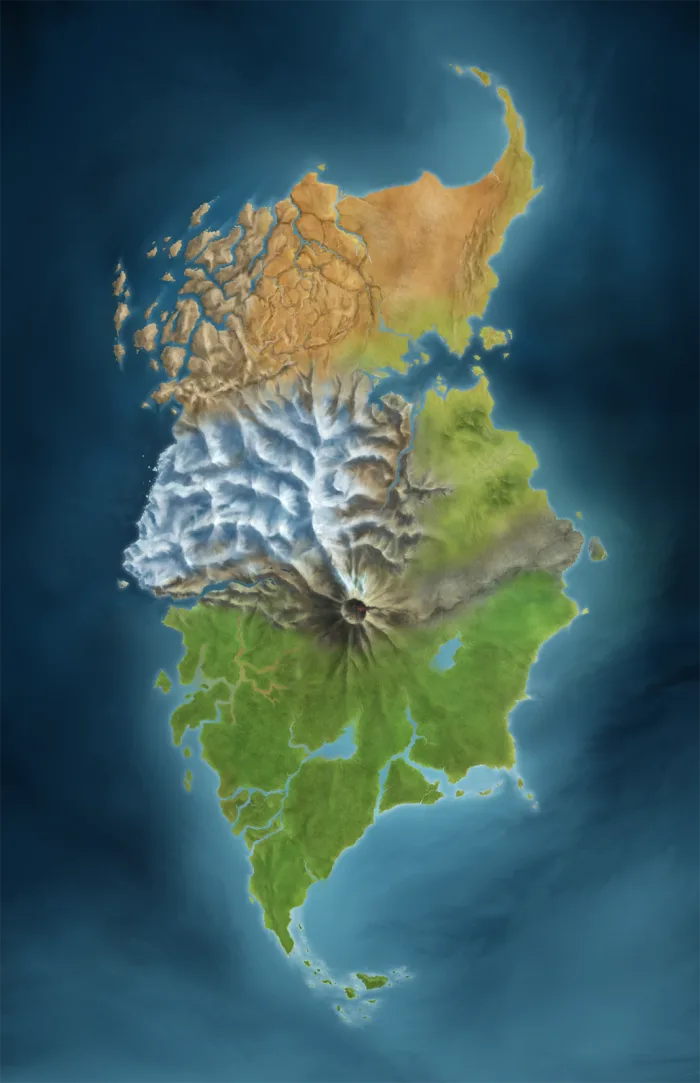
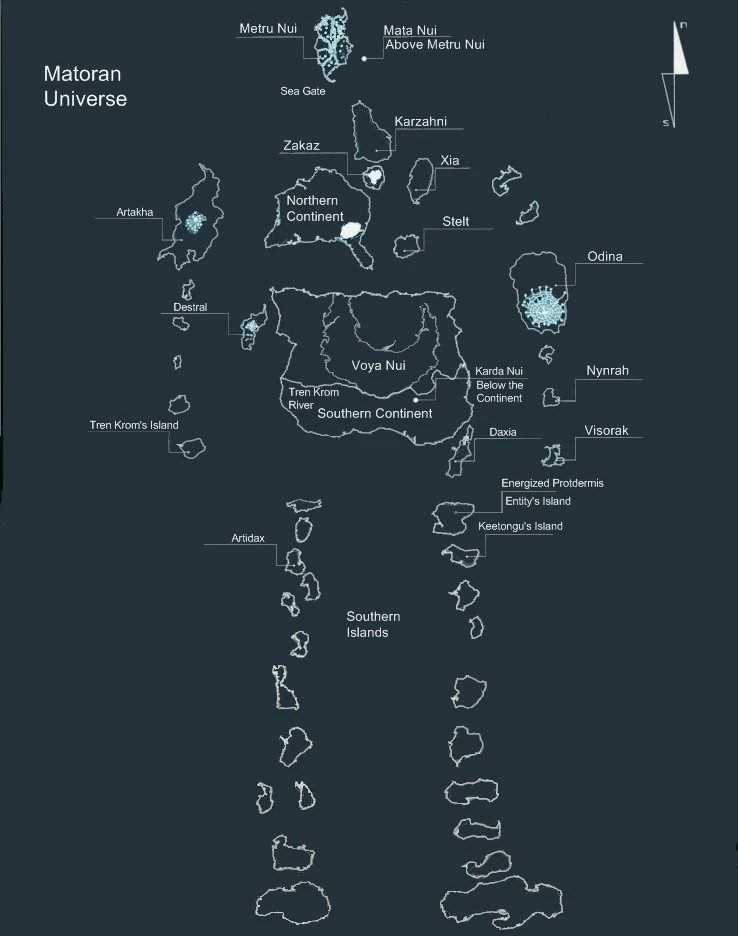
Ranama were fire-resistant amphibian RahiRahiThe Rahi were the biomechanical wildlife of the Matoran Universe, built largely by the Brotherhood of Makuta, ranging from background fauna to engineered war beasts. native to the molten ProtodermisProtodermisThe engineered substance building the Matoran Universe, protodermis exists in countless refined states from mundane metal to diamond-hard crystal to the destruction-or-transformation force of energized form. vats of Ta-MetruTa-MetruThe fire district where Ta-Matoran perfected their craft and powered Metru Nui's industry for thousands of years.. After the MatoranMatoranThe most abundant species in the Matoran Universe, chosen by Mata Nui to inhabit and maintain his cosmic body. relocation to Mata NuiMata Nui (Location)An island created by accident on the Great Spirit's face, home to the Matoran for a thousand years., the species established itself in the lava flows of Ta-WahiTa-WahiTa-Wahi was the volcanic region of Mata Nui surrounding the Mangai Volcano, encompassing Ta-Koro, the Lake of Fire, the Charred Forest, and the Ta-Wahi Beach., where it became a significant predator of Nui-RamaNui-RamaLarge insect-like Rahi with deadly claws and venom, known for kidnapping Matoran and attacking Le-Koro. swarms.

Origins in Ta-Metru#
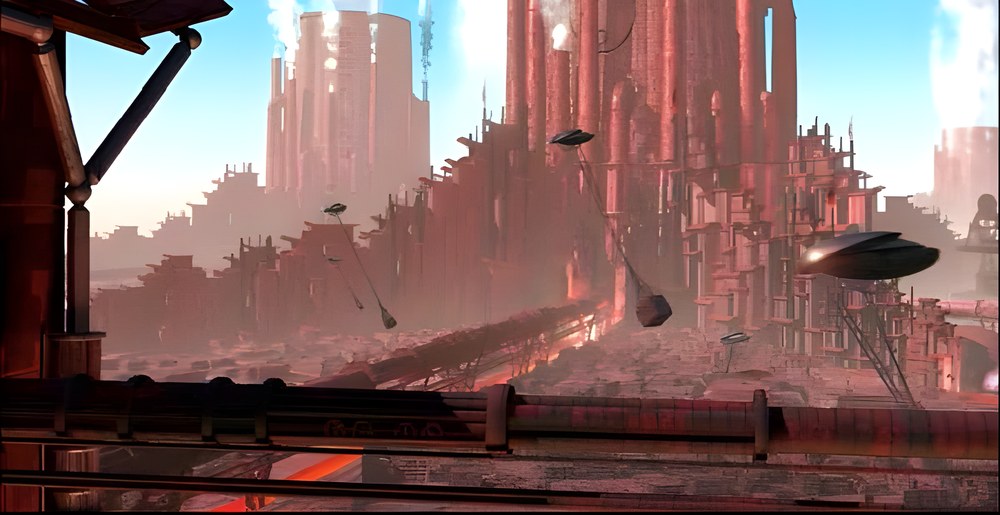
Ranama were native to Ta-MetruTa-MetruThe fire district where Ta-Matoran perfected their craft and powered Metru Nui's industry for thousands of years., the forge district of Metru NuiMetru NuiThe city beneath Mata Nui functions as the Great Spirit's brain, housing the Matoran whose labor keeps the god alive., where they lived in the molten ProtodermisProtodermisThe engineered substance building the Matoran Universe, protodermis exists in countless refined states from mundane metal to diamond-hard crystal to the destruction-or-transformation force of energized form. vats used by Ta-MatoranTa-MatoranThe Fire-element Matoran of Ta-Metru and Ta-Koro, forgers of masks and Kanoka, lava farmers, and the standing core of the Ta-Koro Guard during the war for Mata Nui. to produce tools and KanohiKanohiMasks that grant powers and sustain life, they're the most vital artifact in the Matoran Universe. masks. The vats could not be drained or replaced because of the value of the ProtodermisProtodermisThe engineered substance building the Matoran Universe, protodermis exists in countless refined states from mundane metal to diamond-hard crystal to the destruction-or-transformation force of energized form. itself, so the Ta-MatoranTa-MatoranThe Fire-element Matoran of Ta-Metru and Ta-Koro, forgers of masks and Kanoka, lava farmers, and the standing core of the Ta-Koro Guard during the war for Mata Nui. developed filtration systems to remove Ranama from each batch before it entered production. A missed Ranama could compromise a mold or cause cascade failures in heated infrastructure, and on occasion threatened the safety of workers tending the vats.
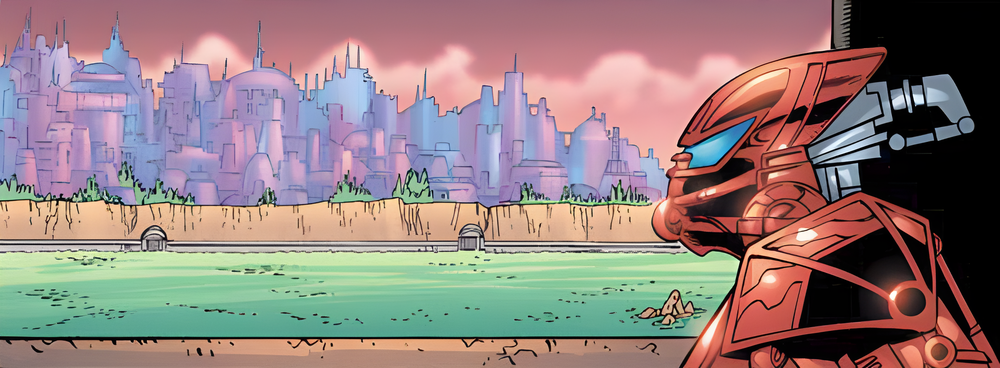
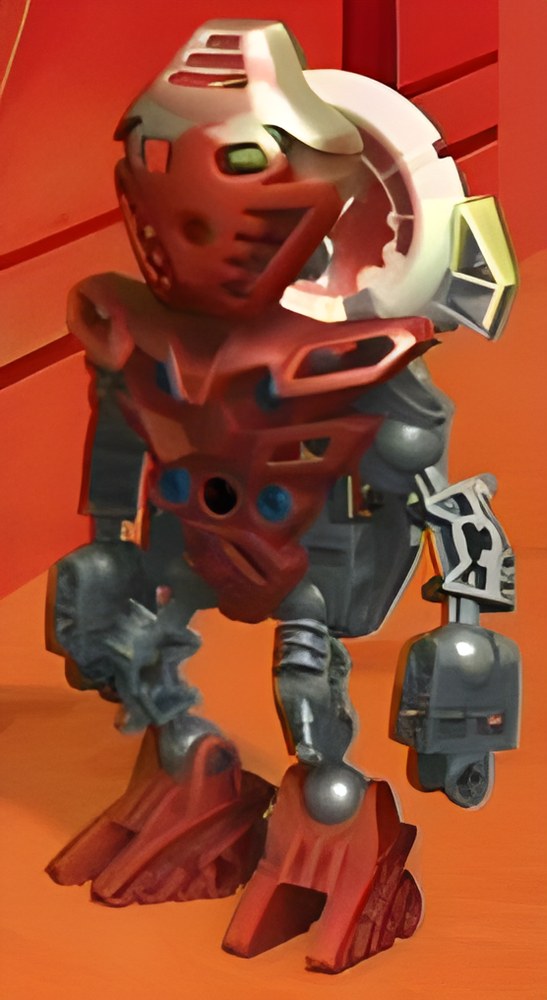
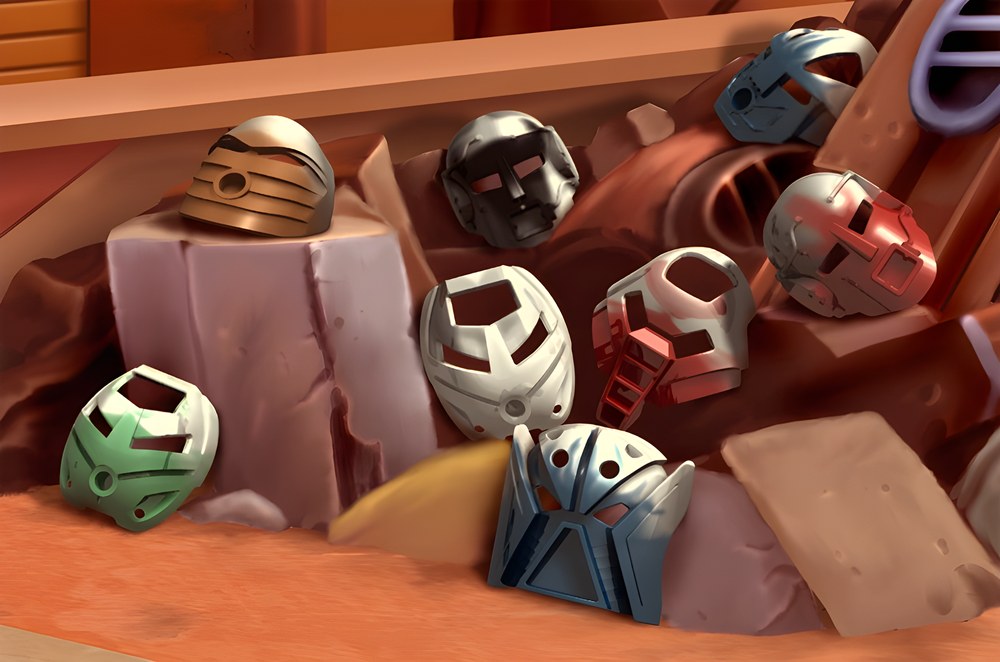
The filtration infrastructure of Ta-MetruTa-MetruThe fire district where Ta-Matoran perfected their craft and powered Metru Nui's industry for thousands of years. was built around grates, pressure valves, and cooling vents tied into the wider forge network. The system was maintained continuously and treated the Ranama population as an established operational constant rather than a threat to be eliminated. Surviving accounts of Ta-MetruTa-MetruThe fire district where Ta-Matoran perfected their craft and powered Metru Nui's industry for thousands of years. infrastructure indicate that the MatoranMatoranThe most abundant species in the Matoran Universe, chosen by Mata Nui to inhabit and maintain his cosmic body. preferred to manage the species' presence rather than attempt full eradication, which would have required disturbing the vats to a degree that risked broader damage to the district.
Migration to Mata Nui#
Following the Great Cataclysm and the displacement of the MatoranMatoranThe most abundant species in the Matoran Universe, chosen by Mata Nui to inhabit and maintain his cosmic body. population to the surface, the Ranama tracked the lava flows down through the structural breaches and established themselves in the volcanic rivers of Ta-WahiTa-WahiTa-Wahi was the volcanic region of Mata Nui surrounding the Mangai Volcano, encompassing Ta-Koro, the Lake of Fire, the Charred Forest, and the Ta-Wahi Beach.. The natural geothermal activity of the region provided a habitat broadly compatible with their original biology, and the species adapted to the conditions without significant difficulty.
Once established on Mata NuiMata Nui (Location)An island created by accident on the Great Spirit's face, home to the Matoran for a thousand years., the Ranama transitioned from incidental forgeworks pests to specialized ambush predators within the lava ecosystem. The MatoranMatoranThe most abundant species in the Matoran Universe, chosen by Mata Nui to inhabit and maintain his cosmic body. of Ta-KoroTa-KoroTa-Koro was a settlement located in Ta-Wahi, home to the Ta-Matoran, Tahu, and Vakama, and formerly connected to Teridax. The settlement was ultimately destroyed. maintained a distance from active Ranama territory but did not regard the species as an enemy. The Ranama's predation on Nui-RamaNui-RamaLarge insect-like Rahi with deadly claws and venom, known for kidnapping Matoran and attacking Le-Koro. provided a measurable benefit to surrounding settlements, and the MatoranMatoranThe most abundant species in the Matoran Universe, chosen by Mata Nui to inhabit and maintain his cosmic body. population adjusted its activities to accommodate the species rather than displace it.
Biology and Hunting#
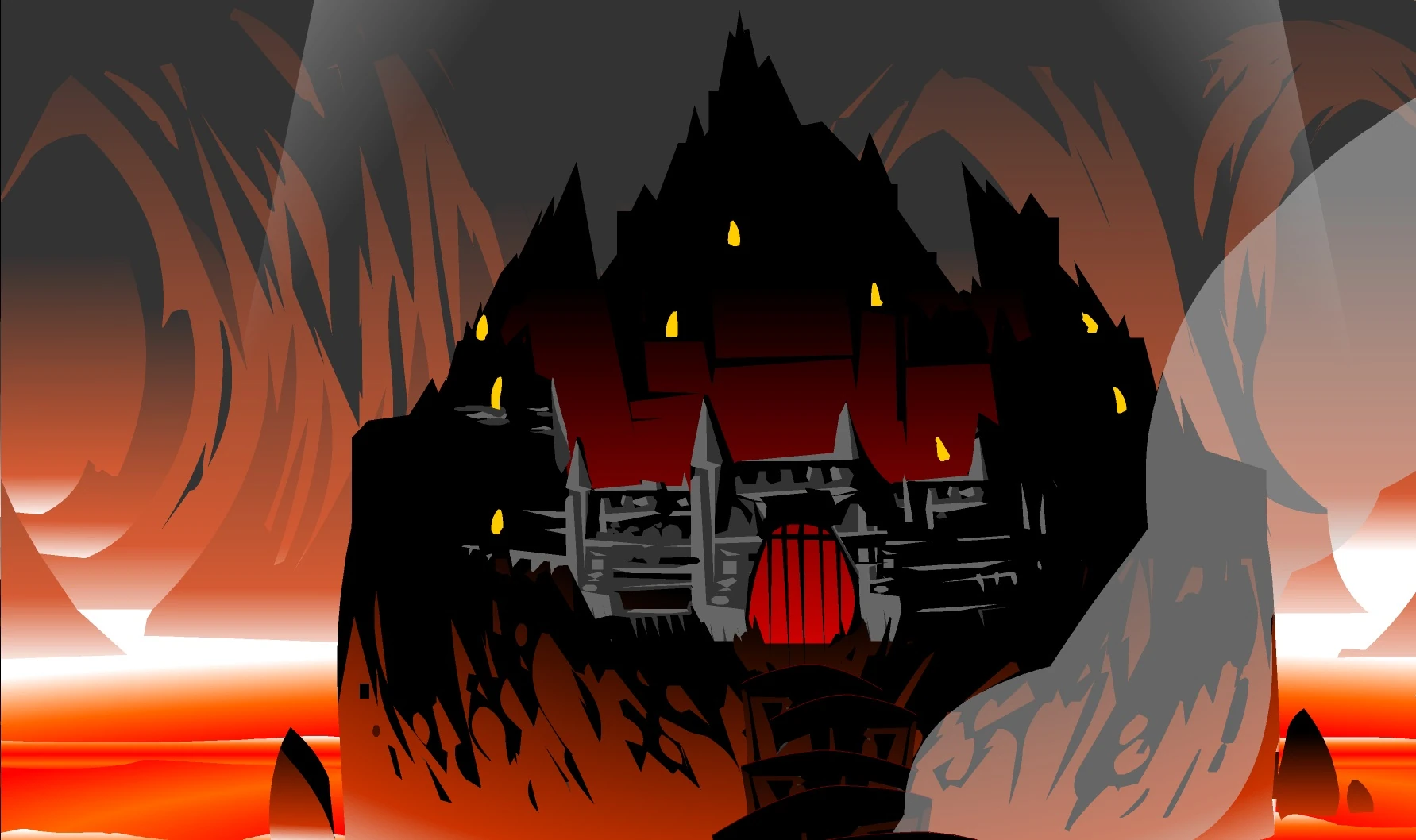
Ranama were built around heat-resistant skin and dense, powerful legs adapted for explosive vertical movement. Their bodies allowed them to swim through molten ProtodermisProtodermisThe engineered substance building the Matoran Universe, protodermis exists in countless refined states from mundane metal to diamond-hard crystal to the destruction-or-transformation force of energized form. and natural lava as readily as conventional fauna swam through water. The species' primary weapon was a long, sticky tongue that could lash out with high force and accuracy over distances sufficient to take airborne prey out of low flight.
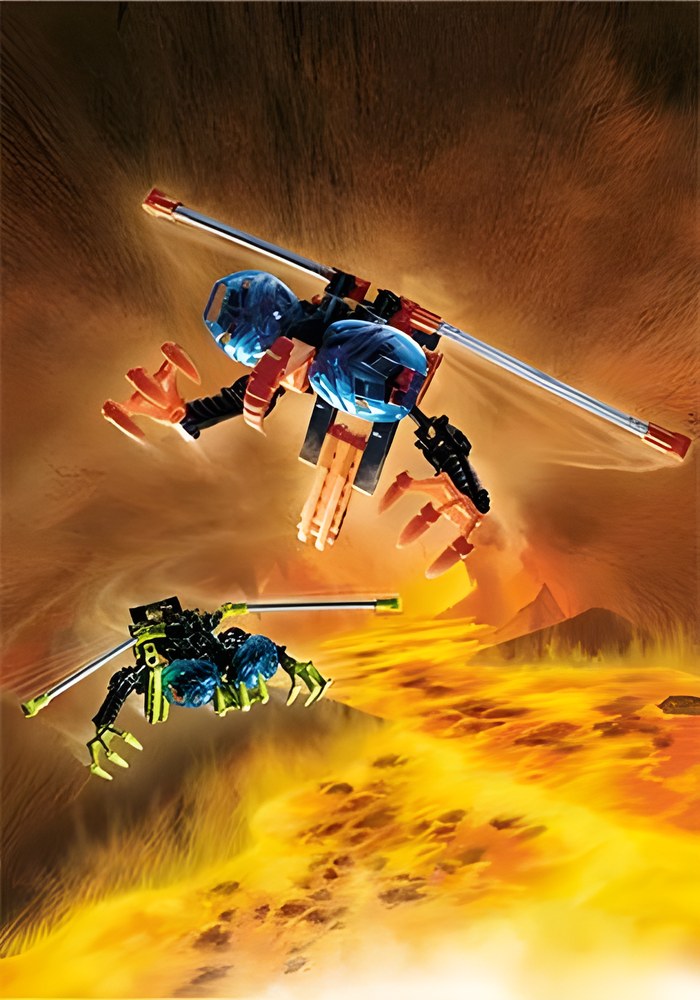
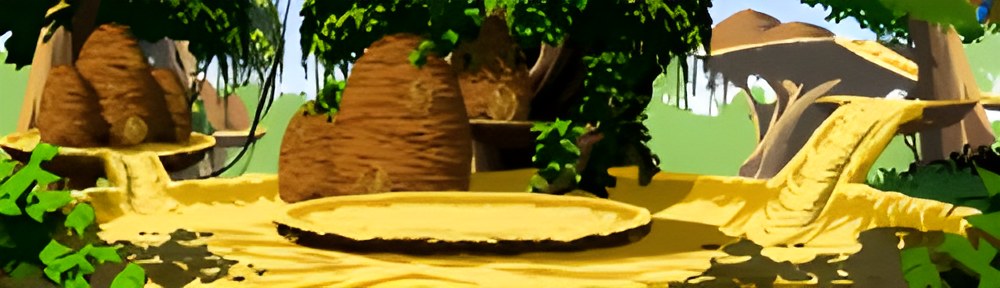
In Ta-WahiTa-WahiTa-Wahi was the volcanic region of Mata Nui surrounding the Mangai Volcano, encompassing Ta-Koro, the Lake of Fire, the Charred Forest, and the Ta-Wahi Beach., this hunting method was deployed against Nui-RamaNui-RamaLarge insect-like Rahi with deadly claws and venom, known for kidnapping Matoran and attacking Le-Koro.. The Ranama would lie submerged in the lava flows, undetectable to airborne prey, and launch its tongue upward as a Nui-RamaNui-RamaLarge insect-like Rahi with deadly claws and venom, known for kidnapping Matoran and attacking Le-Koro. passed overhead. The adhesive coating on the tongue gripped the prey's chitin, allowing the Ranama to reel the catch back into the lava for consumption. The mechanism worked efficiently against the aggressive flight patterns of Nui-RamaNui-RamaLarge insect-like Rahi with deadly claws and venom, known for kidnapping Matoran and attacking Le-Koro., whose stingers and pack tactics made them difficult targets for slower predators.
Ecological Role#
Within the Mata NuiMata Nui (Location)An island created by accident on the Great Spirit's face, home to the Matoran for a thousand years. ecosystem, the Ranama functioned as a control on Nui-RamaNui-RamaLarge insect-like Rahi with deadly claws and venom, known for kidnapping Matoran and attacking Le-Koro. populations. The Nui-RamaNui-RamaLarge insect-like Rahi with deadly claws and venom, known for kidnapping Matoran and attacking Le-Koro., particularly when under the influence of MakutaMakuta (Species)Shadowy Antidermis beings and the Brotherhood's elite, Makuta commanded darkness and shaped the Matoran Universe's fate., posed a direct threat to MatoranMatoranThe most abundant species in the Matoran Universe, chosen by Mata Nui to inhabit and maintain his cosmic body. settlements including Le-KoroLe-KoroLe-Koro is a village situated within Le-Wahi, inhabited by the Le-Matoran and home to Turaga Matau and Toa Lewa. The settlement was once held under the control of Teridax.. Active predation by Ranama in the lava-belt regions reduced Nui-RamaNui-RamaLarge insect-like Rahi with deadly claws and venom, known for kidnapping Matoran and attacking Le-Koro. numbers before they could reach the more vulnerable forest and mountain villages.
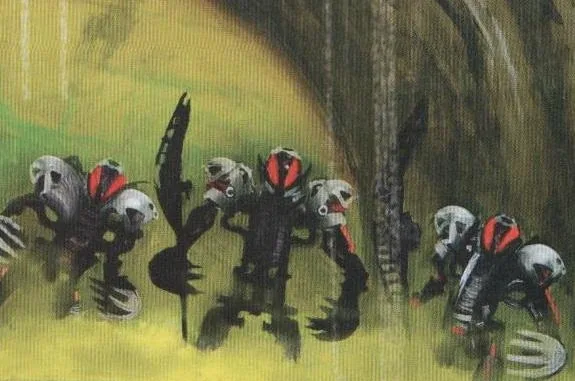
The Ranama occupied a specialized but limited niche. Most other RahiRahiThe Rahi were the biomechanical wildlife of the Matoran Universe, built largely by the Brotherhood of Makuta, ranging from background fauna to engineered war beasts. avoided the lava zones where Ranama operated, so the species had few direct competitors or predators. Within its environment, the Ranama acted as an apex predator of airborne prey, while remaining ecologically restricted by its dependence on extreme heat. The result was a localized but significant role within the broader RahiRahiThe Rahi were the biomechanical wildlife of the Matoran Universe, built largely by the Brotherhood of Makuta, ranging from background fauna to engineered war beasts. food web of the Matoran UniverseMatoran UniverseA civilization of biomechanical beings living inside a colossal robot, destroyed when Teridax seized control..
Relationship with the Ta-Matoran#
The Ta-MatoranTa-MatoranThe Fire-element Matoran of Ta-Metru and Ta-Koro, forgers of masks and Kanoka, lava farmers, and the standing core of the Ta-Koro Guard during the war for Mata Nui. treated the Ranama as a managed hazard during the Metru NuiMetru NuiThe city beneath Mata Nui functions as the Great Spirit's brain, housing the Matoran whose labor keeps the god alive. period. The species posed an occupational risk to vatworkers, but was not malicious or strategically directed. Ranama acted on instinct and feeding requirements, and their behavior was predictable enough to integrate into established safety procedures.
On Mata NuiMata Nui (Location)An island created by accident on the Great Spirit's face, home to the Matoran for a thousand years., MatoranMatoranThe most abundant species in the Matoran Universe, chosen by Mata Nui to inhabit and maintain his cosmic body. attitudes shifted. The same behavior that had made Ranama a forgeworks hazard now produced a defensive benefit, and the Ta-MatoranTa-MatoranThe Fire-element Matoran of Ta-Metru and Ta-Koro, forgers of masks and Kanoka, lava farmers, and the standing core of the Ta-Koro Guard during the war for Mata Nui. recognized the species as a useful component of the local ecosystem. No record exists of organized MatoranMatoranThe most abundant species in the Matoran Universe, chosen by Mata Nui to inhabit and maintain his cosmic body. efforts to remove Ranama populations, either before or after the relocation, consistent with the MatoranMatoranThe most abundant species in the Matoran Universe, chosen by Mata Nui to inhabit and maintain his cosmic body. preference for managing RahiRahiThe Rahi were the biomechanical wildlife of the Matoran Universe, built largely by the Brotherhood of Makuta, ranging from background fauna to engineered war beasts. within their environments rather than eradicating them.
Documentation#
Ranama appear in surviving MatoranMatoranThe most abundant species in the Matoran Universe, chosen by Mata Nui to inhabit and maintain his cosmic body. zoological references and the RahiRahiThe Rahi were the biomechanical wildlife of the Matoran Universe, built largely by the Brotherhood of Makuta, ranging from background fauna to engineered war beasts. Beasts catalog, where they are listed as a recognized species with documented habitat and behavior. The records do not place them within any of the major operational accounts of the Matoran UniverseMatoran UniverseA civilization of biomechanical beings living inside a colossal robot, destroyed when Teridax seized control., and no major engagement involving the species is recorded.
The brevity of the surviving documentation reflects the species' ecological rather than political role. Ranama were a known and recurring presence within their habitats, but did not interact directly with the larger conflicts that produced most surviving records. Their function as Nui-RamaNui-RamaLarge insect-like Rahi with deadly claws and venom, known for kidnapping Matoran and attacking Le-Koro. predators and forge-vat hazards is the substance of the recorded entries, and the species' significance is best understood through its environmental role rather than any specific historical event.
Significance#
The Ranama occupied a stable, specialized place within the Matoran UniverseMatoran UniverseA civilization of biomechanical beings living inside a colossal robot, destroyed when Teridax seized control.'s biomechanical fauna. The species' adaptation from the controlled vats of Ta-MetruTa-MetruThe fire district where Ta-Matoran perfected their craft and powered Metru Nui's industry for thousands of years. to the open lava flows of Ta-WahiTa-WahiTa-Wahi was the volcanic region of Mata Nui surrounding the Mangai Volcano, encompassing Ta-Koro, the Lake of Fire, the Charred Forest, and the Ta-Wahi Beach. demonstrated the broader pattern of RahiRahiThe Rahi were the biomechanical wildlife of the Matoran Universe, built largely by the Brotherhood of Makuta, ranging from background fauna to engineered war beasts. species tracking MatoranMatoranThe most abundant species in the Matoran Universe, chosen by Mata Nui to inhabit and maintain his cosmic body. population movements after the Great Cataclysm and re-establishing themselves in compatible new environments.
Within the lava-belt regions of Mata NuiMata Nui (Location)An island created by accident on the Great Spirit's face, home to the Matoran for a thousand years., the Ranama's role as a Nui-RamaNui-RamaLarge insect-like Rahi with deadly claws and venom, known for kidnapping Matoran and attacking Le-Koro. predator provided a passive but meaningful contribution to settlement defense. The species is one of several documented examples in which a RahiRahiThe Rahi were the biomechanical wildlife of the Matoran Universe, built largely by the Brotherhood of Makuta, ranging from background fauna to engineered war beasts. population, originally classified as a nuisance, came to occupy a stabilizing role in the post-Cataclysm ecosystem of the island.
Frequently asked questions
- What were the Ranama?
- The Ranama were fire-resistant amphibian Rahi native to the molten Protodermis vats of Ta-Metru. Their heat-resistant skin let them swim through molten Protodermis and natural lava as readily as conventional fauna swam through water.
- Where did the Ranama originally live?
- Ranama were native to Ta-Metru, the forge district of Metru Nui, where they lived in the molten Protodermis vats used by Ta-Matoran to produce tools and Kanohi masks. The vats could not be drained because of the value of the Protodermis, so the Ta-Matoran used filtration systems to remove Ranama from each batch before it entered production.
- How did the Ranama hunt?
- The Ranama's primary weapon was a long, sticky tongue capable of striking with force and accuracy over distances sufficient to take airborne prey out of low flight. In Ta-Wahi, a Ranama would lie submerged in the lava flows, then launch its tongue upward as a Nui-Rama passed overhead, gripping the prey's chitin and reeling it back into the lava.
- How did the Ranama reach Mata Nui?
- After the Great Cataclysm and the displacement of the Matoran to the surface, the Ranama tracked the lava flows down through the structural breaches and established themselves in the volcanic rivers of Ta-Wahi. The region's natural geothermal activity provided a habitat broadly compatible with their original biology.
- What ecological role did the Ranama play on Mata Nui?
- Within the Mata Nui ecosystem the Ranama functioned as a control on Nui-Rama populations, reducing their numbers in the lava-belt regions before they could reach more vulnerable forest and mountain villages. Because most other Rahi avoided the lava zones, the Ranama acted as an apex predator of airborne prey with few direct competitors.
Sources
- BookBIONICLE: Encyclopedia Updated, Primary source via BS01 wiki entry
- BookBIONICLE: Encyclopedia, Primary source via BS01 wiki entry
- BookBIONICLE: Rahi Beasts, Primary source via BS01 wiki entry
- WikiRanama, BS01 character/subject entry
Spotted a factual error or a primary source we missed? Email a correction. Every flagged claim gets reviewed.
Followed from this entry

Rahi
The Rahi were the biomechanical wildlife of the Matoran Universe, built largely by the Brotherhood of Makuta, ranging from background fauna to engineered war beasts.
Nui-Rama
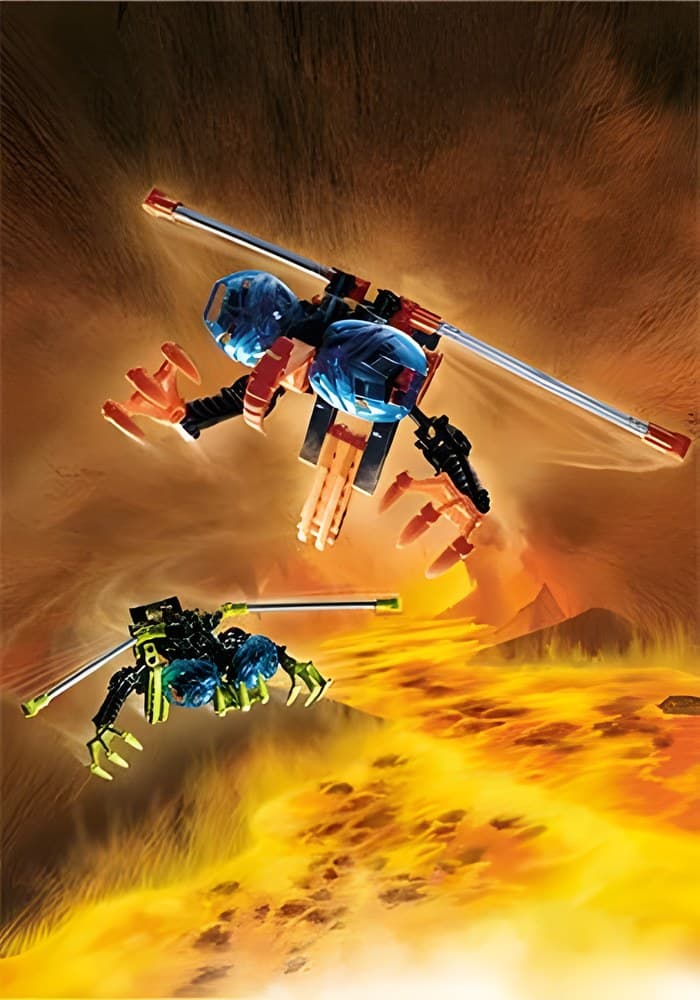
Large insect-like Rahi with deadly claws and venom, known for kidnapping Matoran and attacking Le-Koro.
Ta-Wahi
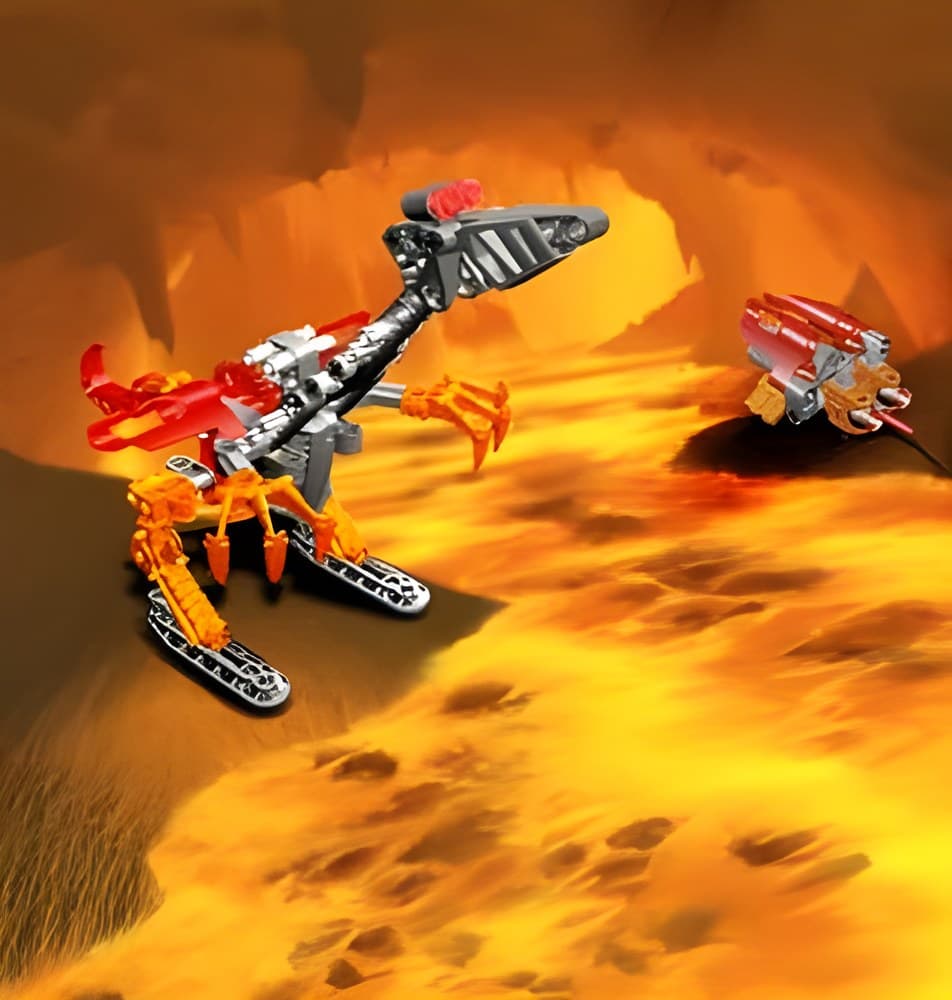
Ta-Wahi was the volcanic region of Mata Nui surrounding the Mangai Volcano, encompassing Ta-Koro, the Lake of Fire, the Charred Forest, and the Ta-Wahi Beach.
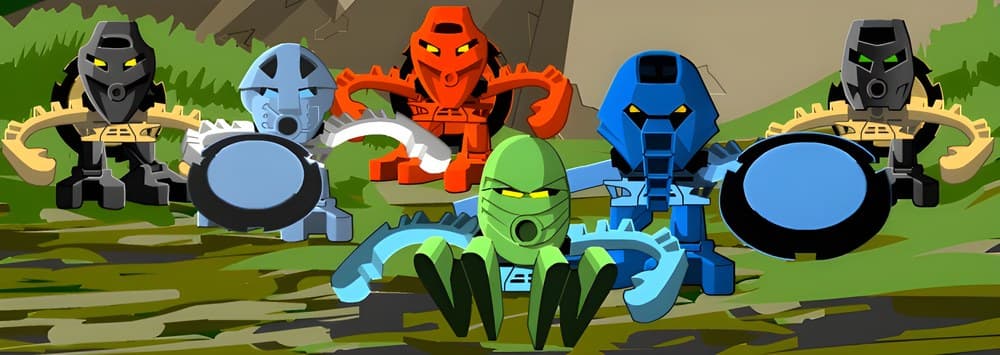
Matoran
The most abundant species in the Matoran Universe, chosen by Mata Nui to inhabit and maintain his cosmic body.
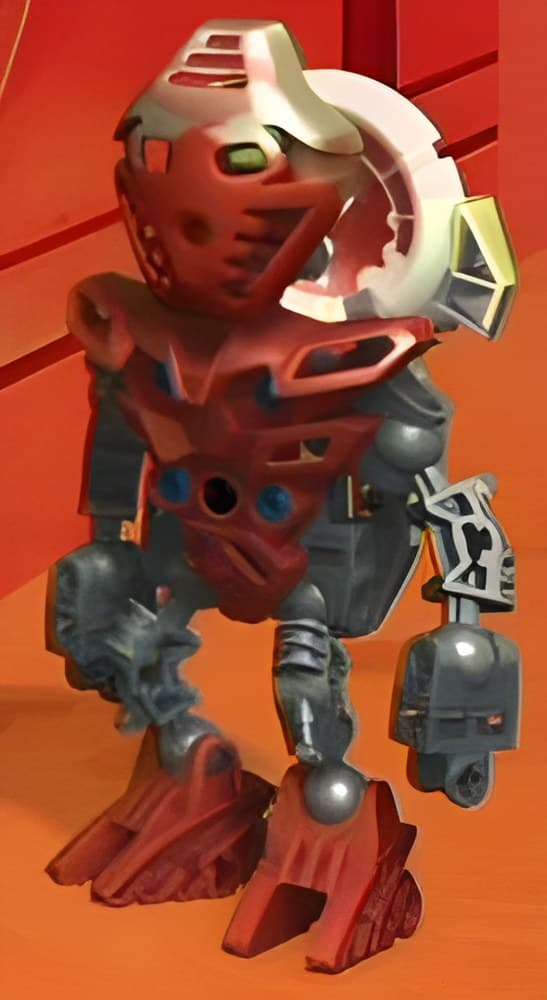
Ta-Matoran
The Fire-element Matoran of Ta-Metru and Ta-Koro, forgers of masks and Kanoka, lava farmers, and the standing core of the Ta-Koro Guard during the war for Mata Nui.
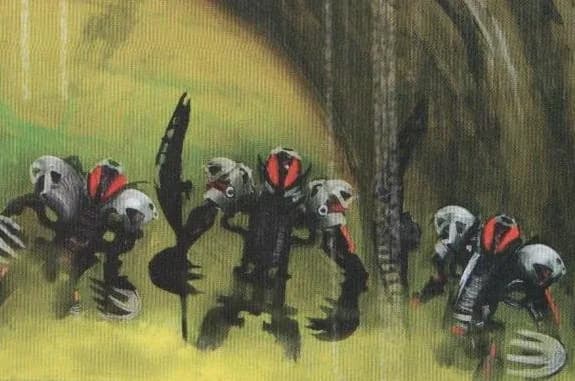
Makuta (Species)
Shadowy Antidermis beings and the Brotherhood's elite, Makuta commanded darkness and shaped the Matoran Universe's fate.
Mentioned in2 entries
Molten Protodermis
Molten protodermis was the heated, liquid form of the Matoran Universe's base substance, drawn from the seas around Karda Nui and worked in Ta-Metru to produce masks, tools, and weapons.
Ta-Wahi
Ta-Wahi was the volcanic region of Mata Nui surrounding the Mangai Volcano, encompassing Ta-Koro, the Lake of Fire, the Charred Forest, and the Ta-Wahi Beach.
Get new articles in your inbox
No spam. New lore drops, canon conflicts, and deep dives only when they’re worth reading.
Some links on Lore Fortress are affiliate links. If you buy through them we earn a small commission at no extra cost to you.