Ghola
the regrown dead of the axlotl tanks
A ghola was an artificially regrown human, replicated from the cells of a dead individual in the axlotl tanks of the Bene Tleilax. Originally created without the memories of the source being, gholas were later made to recover those memories through trauma, a technique that shaped the secret history of the Imperium.
A ghola was an artificially created human, replicated from a dead individual and grown in the axlotl tanks of the Bene Tleilax. A ghola could be reconstructed from as little as a single cell taken from the original being. The Tleilaxu produced gholas almost exclusively, though at least one, based on Miles Teg, was grown by the Bene Gesserit during their war with the Honored Matres. Gholas grew steadily more important to the affairs of the known universe from the reign of Emperor Paul Atreides onward, above all through the endless succession of Duncan Idaho gholas that the Tleilaxu produced over thousands of years. (Dune Messiah; God Emperor of Dune; Chapterhouse: Dune)
Creation and nature#
A ghola was grown in the axlotl tanks from the cells of a person who had already died, and it could be reconstructed from as little as one surviving cell. A true ghola was distinguished from a clone by the timing of the cell collection: ghola cells were taken after the original human was dead, while clone cells were taken while the original still lived. Because of this, a clone did not possess a "death memory" when its original memories were restored, whereas a ghola did. Cells taken from a living subject could still be used in the same process, as happened with Miles Teg, who was therefore technically a clone rather than a true ghola. (Dune Messiah; Chapterhouse: Dune)
A ghola possessed most, and perhaps all, of the memories of the human it was copied from, recovered through a combination of conditioning and a variant on genetic memory. Early gholas were marked by artificial metallic eyes, a side effect of the original production method. That flaw was later corrected, and later gholas possessed natural eyes. (Dune Messiah; Heretics of Dune)
Reawakening of original memories#
Until the time of Muad'Dib, gholas were created chiefly to ease the grief of those who had lost someone close to them. That comfort was limited, because a ghola remembered nothing of its original life. The Tleilaxu had long theorized that a ghola's original memories could be reawakened, reasoning from the concept of genetic memory and from evidence that gholas experienced "echoes" of their past lives, feelings stirred by particular sounds or smells. (Dune Messiah)
To test the theory the Tleilaxu presented Muad'Dib with a ghola of Duncan Idaho, given the name Hayt and bearing none of Idaho's memories. Hayt had been conditioned to assassinate Muad'Dib, but Idaho's innate love for the Atreides could not be reconciled with that conditioning. The psychological trauma born of this contradiction forced Idaho's memories to surface, proving the theory correct. (Dune Messiah)
Thereafter a ghola's pre-ghola memories were routinely awakened by subjecting it to some form of psychological trauma. This remained the method until Miles Teg's pre-ghola memories were instead awakened by Sheeana through sexual imprinting techniques, an approach suggested by Duncan Idaho, who disliked the older method of forced trauma. (Heretics of Dune; Chapterhouse: Dune)
Recurrence across the centuries#
Duncan Idaho was replicated as a ghola countless times over the course of several thousand years, each one produced by the Bene Tleilax and each carrying deep-seated conditioning meant to serve Tleilaxu political and cultural aims. That conditioning frequently failed or produced unforeseen consequences. The Idaho ghola raised for the Bene Gesserit on Gammu carried the memories of the original Idaho together with the memories of all the gholas that had preceded him, by means that were never explained. (God Emperor of Dune; Heretics of Dune)
Miles Teg was replicated once by the Bene Gesserit after his death on Rakis, conditioned, like Idaho, to serve his sponsors, again with only limited success. The Tleilaxu Masters prolonged their own lives through serial gholas, and in the expanded books Tylwyth Waff and Scytale were recreated this way, continuing the practice within the ranks of the Bene Tleilax themselves. (Chapterhouse: Dune; Heretics of Dune; Hunters of Dune)
Frequently asked questions
- What is a ghola?
- A ghola was an artificially regrown human, replicated from the cells of a person who had already died and grown in the axlotl tanks of the Bene Tleilax. It could be reconstructed from as little as a single surviving cell of the original being.
- How is a ghola different from a clone?
- The difference was the timing of the cell collection. Ghola cells were taken after the original human was dead, while clone cells were taken while the original still lived, so a clone did not carry a death memory when its original memories were restored but a ghola did.
- How were a ghola's original memories restored?
- Early gholas carried none of the memories of the person they were copied from. The Tleilaxu proved a ghola's original memories could be reawakened by forcing it through psychological trauma, first demonstrated with the Duncan Idaho ghola Hayt, who had been conditioned to assassinate Muad'Dib.
- Who was Hayt?
- Hayt was a ghola of Duncan Idaho whom the Tleilaxu presented to Muad'Dib. He bore none of Idaho's memories and had been conditioned to kill Muad'Dib, but the contradiction between that conditioning and Idaho's love for the Atreides created psychological trauma that forced Idaho's memories to surface.
- Why were gholas first created?
- Until the time of Muad'Dib, gholas were created chiefly to ease the grief of people who had lost someone close to them. That comfort was limited, because a ghola remembered nothing of its original life.
Sources
- BookDune Messiah, Frank Herbert, G. P. Putnam's Sons, 1969
- BookGod Emperor of Dune, Frank Herbert, G. P. Putnam's Sons, 1981
- BookHeretics of Dune, Frank Herbert, G. P. Putnam's Sons, 1984
- BookChapterhouse: Dune, Frank Herbert, G. P. Putnam's Sons, 1985
- BookHunters of Dune, Brian Herbert and Kevin J. Anderson, 2006 (expanded universe)
Spotted a factual error or a primary source we missed? Email a correction. Every flagged claim gets reviewed.
Followed from this entry
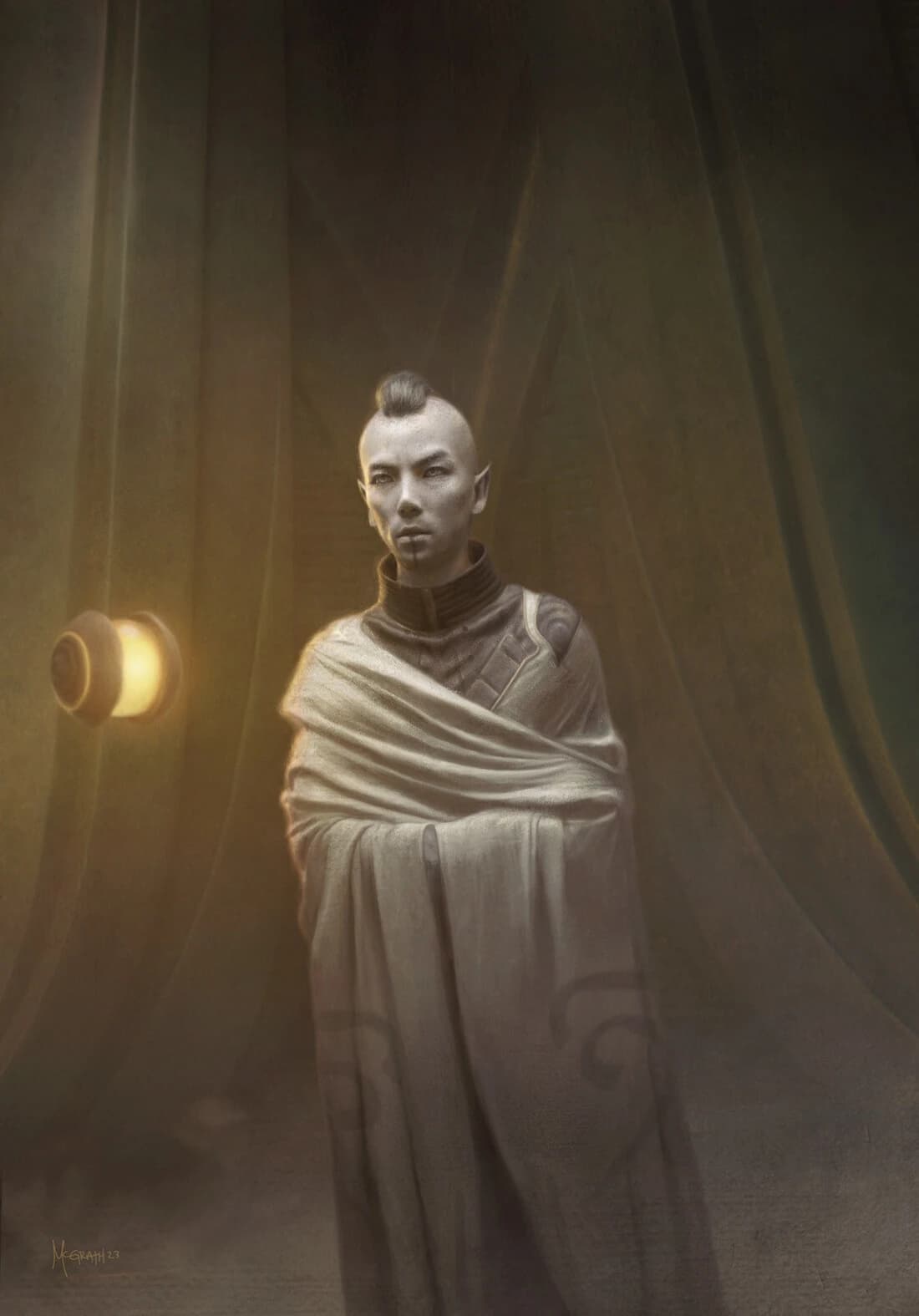
Bene Tleilax: gholas, Face Dancers, tanks
Reviled across the Imperium and needed by every part of it. The Tleilaxu axolotl tanks produced gholas, Face Dancers and Twisted Mentats to order.

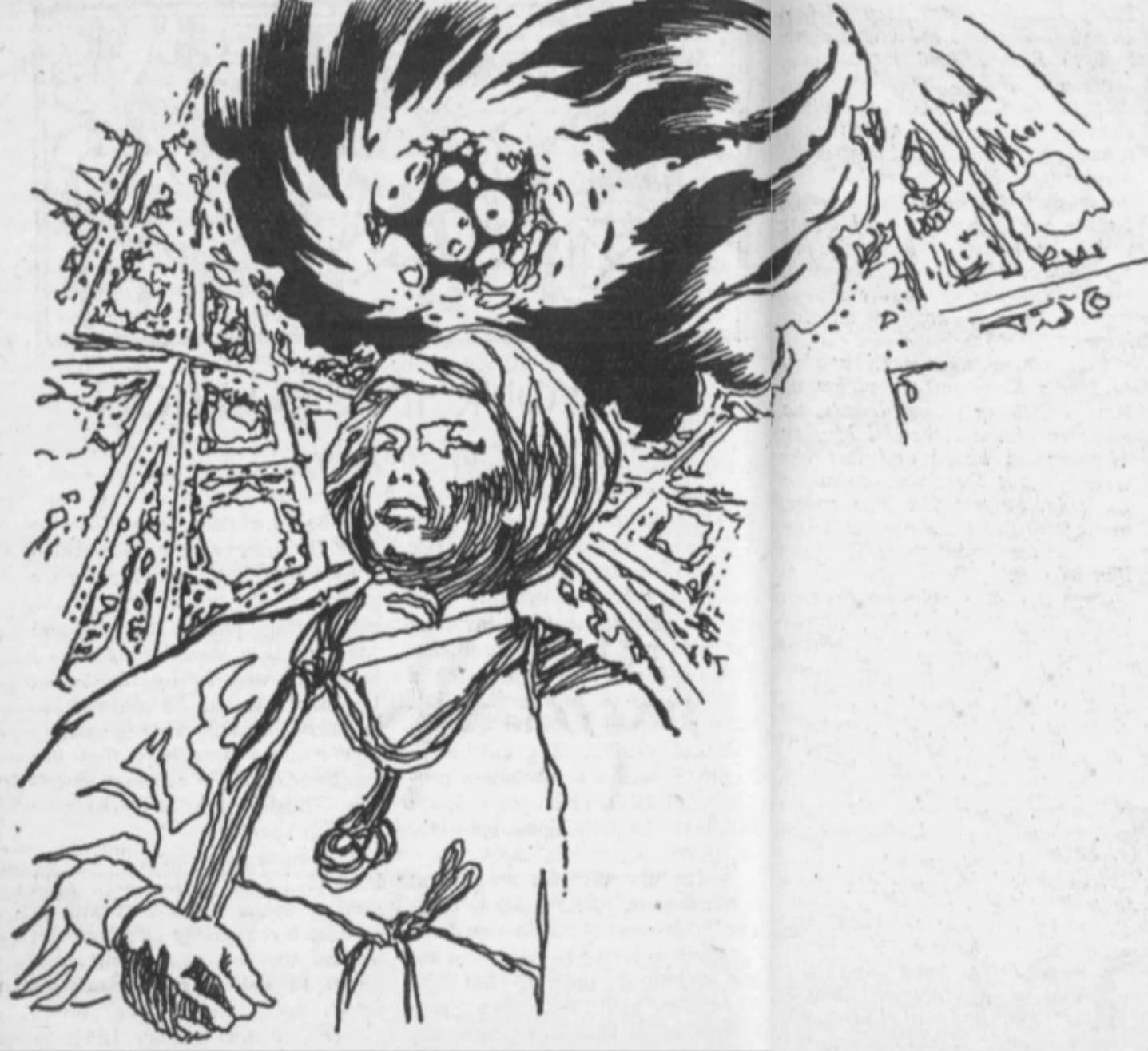
Hayt
Hayt was the name given to the first Duncan Idaho ghola, grown by the Bene Tleilax and presented to Emperor Paul Atreides as a gift that concealed a weapon. Trained as a Mentat, he came to love Alia Atreides before recovering his original memories in the crisis that followed Chani's death.
Scytale
Scytale is the Tleilaxu Face Dancer in Dune Messiah's conspiracy against Paul Atreides. He kills the veteran Farok, takes the shape of Otheym's daughter Lichna, and dies holding a knife over Paul's newborn twins. A Tleilaxu Master of the same name returns in Chapterhouse: Dune as the last of his kind.
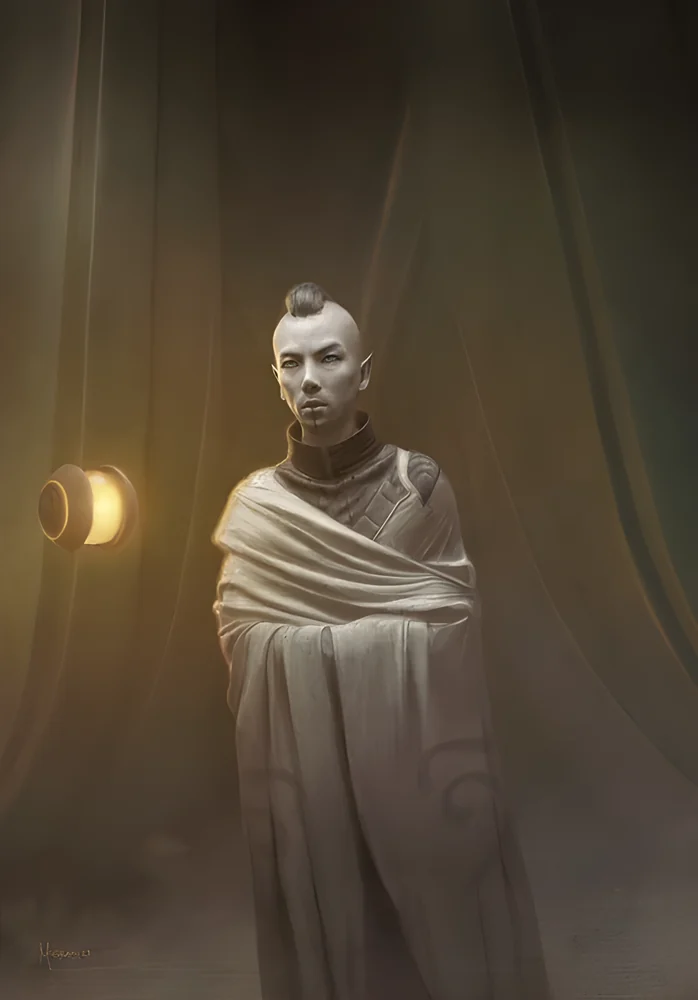
Tleilaxu Master
Tleilaxu Masters were the elite caste of the Bene Tleilax, served by gholas and Face Dancers and immune to the Bene Gesserit Voice. The ten Masheikhs of the Ruling Council stood at the summit of their order.
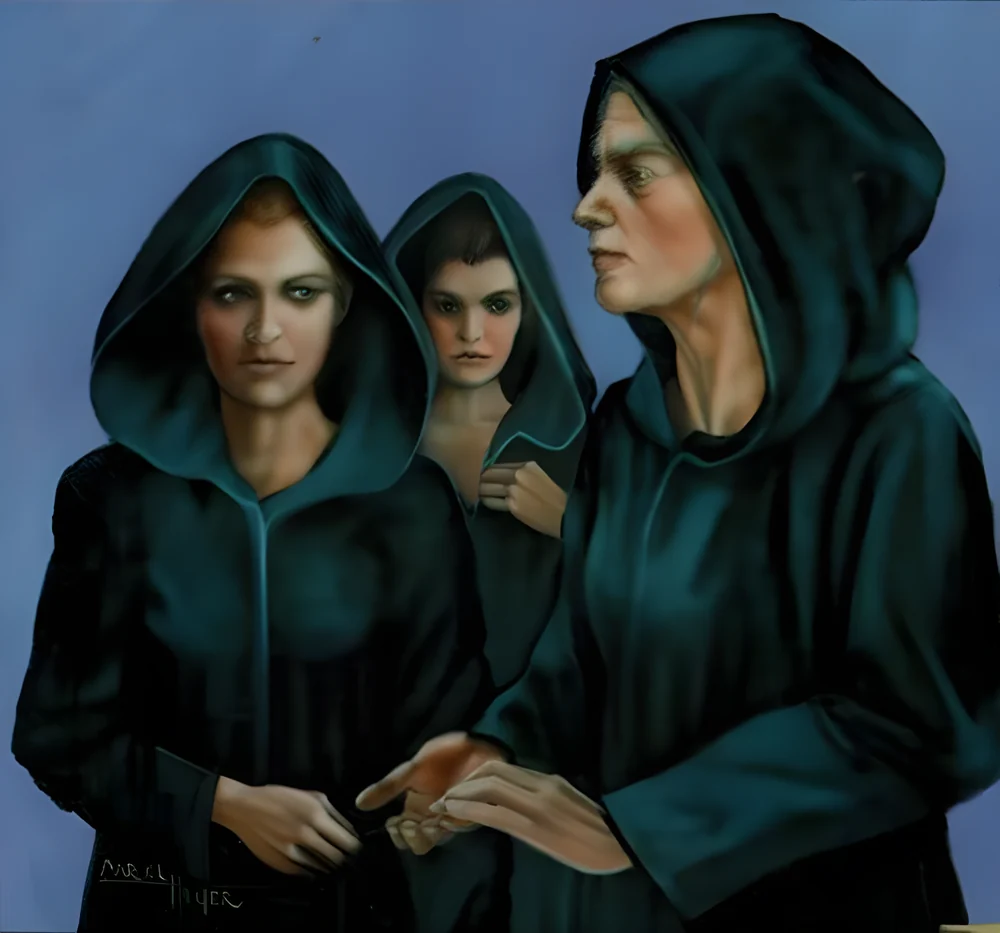
Bene Gesserit
The Bene Gesserit were an ancient order of women who wielded power from the shadows of the Imperium through a millennia-long breeding program, mastery of body and mind, and the religious engineering of the Missionaria Protectiva. Their goal was the Kwisatz Haderach, and through him the guidance of humanity.
Duncan Idaho: reborn as ghola after ghola
Leto's Swordmaster died on Arrakis in the Desert War. The Tleilaxu brought him back again and again, serving the Atreides for five thousand years.
Mentioned in20 entries
Bene Tleilax: gholas, Face Dancers, tanks
Reviled across the Imperium and needed by every part of it. The Tleilaxu axolotl tanks produced gholas, Face Dancers and Twisted Mentats to order.
Chapterhouse: Dune Explained: Plot Summary and Ending
The full story of Frank Herbert's last Dune novel, from the Bene Gesserit under siege on Chapterhouse to Odrade's gamble at Junction, Murbella's rise and Duncan Idaho's escape into the unknown, and what that open ending means.
Dune Messiah Characters: Who's Who Before Dune: Part Three
The people who matter in Frank Herbert's Dune Messiah, from Emperor Paul and Chani to the conspirators plotting against him and the Fremen caught in between. Each entry says who they are in the novel and who plays them in Dune: Part Three, where that is confirmed.
Dune Messiah Explained: Plot Summary and Ending
The full plot of Frank Herbert's Dune Messiah in order, from the conspirators' meeting to Paul's walk into the desert, with the ending explained: why Paul leaves, what happens to Alia and the twins, and how Children of Dune picks it up.
Dune Timeline: from the thinking machines to the end of Kralizec
A dated chronology of the Dune universe, from the first age of space travel and the Butlerian Jihad to Paul Atreides, the God Emperor, the Scattering and the last war with the machines. Events run oldest first, era by era, and every entry says which book it comes from.
Dune: Part Three: Release Date, Cast and What the Film Covers
Denis Villeneuve's Dune: Part Three opens in North American cinemas and IMAX on 18 December 2026. Here is what Warner Bros. and Legendary have confirmed about the cast, the crew and the story, what the novel it adapts covers, and what is still only rumour.
Genetic memory: the ancestral record hidden in the flesh
Genetic memory was the phenomenon by which the experiences of an individual's ancestors lay imprinted within the cells of their descendants. Unlocked by awareness spectrum narcotics, it gave the Imperium its Reverend Mothers, its Kwisatz Haderach, its pre-born, and its restored gholas.
God Emperor of Dune Explained: Plot Summary and Ending
The full story of Frank Herbert's fourth Dune novel, from Siona's raid on the Citadel to Leto II's fall from the bridge over the Idaho River, and what the ending means for the Golden Path.
Heretics of Dune Explained: Plot Summary and Ending
The full story of Frank Herbert's fifth Dune novel, from the Duncan Idaho ghola on Gammu and the worm girl of Rakis to the Honored Matres burning Rakis, and what the ending sets up for Chapterhouse.
How Dune: Part Two Sets Up Dune Messiah
Dune: Part Two ends differently from Frank Herbert's novel. Chani walks away, Alia is still unborn and the holy war starts on screen. Here is what the film changed, how it lines up with Dune Messiah, and what that might mean for Dune: Part Three.
Hrrm: futar leader of the Ithaca
Hrrm was a male futar, the leader of the human feline hybrids stranded aboard the no-ship Ithaca after its escape from Chapterhouse. Befriended by Sheeana Brugh during the ship's long wanderings, he vowed never to harm a Bene Gesserit sister, and he died on the Planet of the Handlers, sacrificing himself and his clan so the landing party could escape the Enhanced Face Dancers.
Leto Atreides II
Leto Atreides II was the third and final ruler of the Atreides Empire and its first and only God Emperor. The pre-born son of Paul Muad'Dib, he bonded with a colony of sandtrout to gain near-immortality and ruled mankind for thirty five hundred years to set humanity upon the Golden Path.
+ 8 more
Get new articles in your inbox
No spam. New lore drops, canon conflicts, and deep dives only when they’re worth reading.
Some links on Lore Fortress are affiliate links. If you buy through them we earn a small commission at no extra cost to you.