Landsraad: the council of the Great Houses
the council of the Great Houses
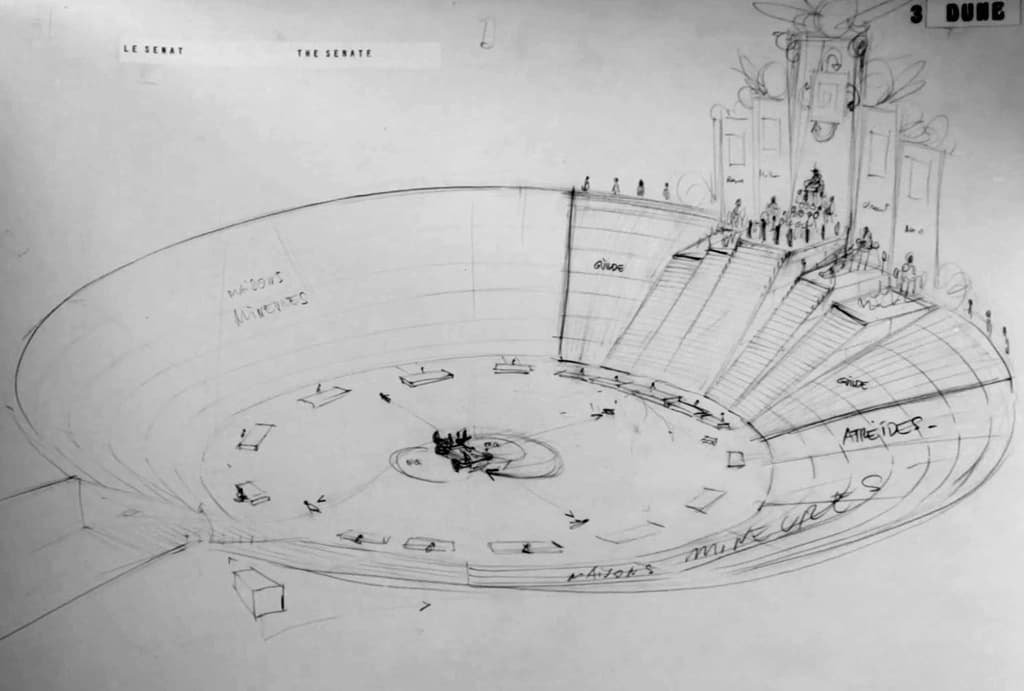
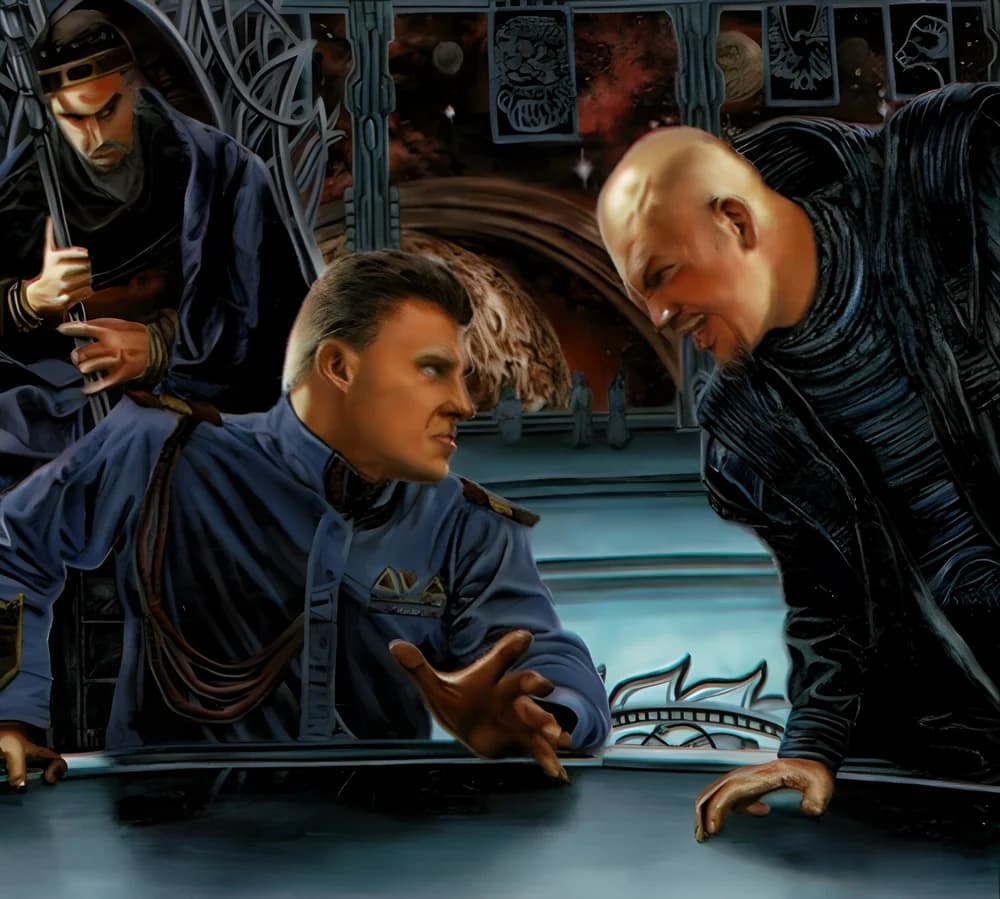
The High Council of the Great Houses, overseen by the Padishah Emperor. It gave them a forum for trade, alliance and the formal feud of kanly.
The Landsraad was the body that represented all the Great Houses of the Imperium. Its inner circle was the High Council, and Frank Herbert's glossary to Dune makes it one leg of the political tripod that kept the Great Convention, alongside the Imperial House and the Spacing Guild. CHOAM, the company through which the Houses shared the Imperium's wealth, and the Bene Gesserit worked around it. (Dune; Dune (appendix))
Function#
The Landsraad Council met regularly and provided a forum within which Great Houses could relate to one another, whether to negotiate trade agreements, create alliances, or conduct kanly, the formalized processes of vendetta or feud. It was also meant to protect the Great Houses from being singled out by the Imperial House and eliminated by it. In the case of House Atreides, however, that protection failed. The Emperor feared the growing popularity of Duke Leto Atreides I among the Houses, and he joined the Harkonnens in secret so that the Landsraad would never see the Imperial hand in the Duke's destruction. (Dune; Dune (appendix))
Governance#
The Landsraad's inner circle was the High Council, which the glossary to Dune describes as the supreme tribunal in disputes between Houses. The Great Convention and its forms of kanly set the rules for those disputes, and a House that broke them, such as by using atomics against people, risked the combined wrath of the others. (Dune; Dune (appendix))
Military strength and later history#
In terms of military strength, were all the Great Houses to unite through the Landsraad, they would supposedly have been a match for the Imperial Sardaukar. Upon the ascendancy of House Atreides to the imperial throne, the Landsraad lost much of its power, and under the God Emperor Leto Atreides II the surviving Houses held only what he allowed them. The Great Houses still appear in the era after Leto II's death, when the Lost Ones return from the Scattering, but Frank Herbert's last novels say little about the Landsraad itself. (Dune; God Emperor of Dune; Heretics of Dune)
Frequently asked questions
- What was the Landsraad?
- The Landsraad was the body that represented all the Great Houses of the Imperium. With its High Council, it was one leg of the political tripod that kept the Great Convention, alongside the Imperial House and the Spacing Guild.
- What did the Landsraad do?
- The Landsraad Council met regularly and provided a forum within which Great Houses could negotiate trade agreements, create alliances, or conduct kanly, the formalized processes of vendetta or feud. It was also meant to protect the Great Houses from being singled out and eliminated by the Imperial House.
- What was the High Council?
- Its inner circle was the High Council, which Frank Herbert's glossary to Dune describes as the supreme tribunal in disputes between Houses. The Great Convention and the forms of kanly set the rules those disputes had to follow.
- Why did the Landsraad fail to protect House Atreides?
- The Landsraad was meant to protect Great Houses from being eliminated by the Imperial House, but in Dune the Emperor, fearing Duke Leto's popularity among the Houses, backed the Harkonnen attack in secret, disguising his Sardaukar as Harkonnen troops so the Landsraad would not see his hand in it.
- How strong was the Landsraad militarily?
- Were all the Great Houses to unite through the Landsraad, they would supposedly have been a match for the Imperial Sardaukar. After House Atreides ascended to the imperial throne the Landsraad saw a reduction in its power, and under the God Emperor Leto Atreides II the surviving Houses held only what he allowed them.
Gallery
Images via Dune Wiki
Sources
- BookDune, Frank Herbert, 1965
- BookDune (appendix), Frank Herbert, 1965; the appendices and Terminology of the Imperium printed with Dune
- BookGod Emperor of Dune, Frank Herbert, 1981
- BookHeretics of Dune, Frank Herbert, 1984
Spotted a factual error or a primary source we missed? Email a correction. Every flagged claim gets reviewed.
Followed from this entry
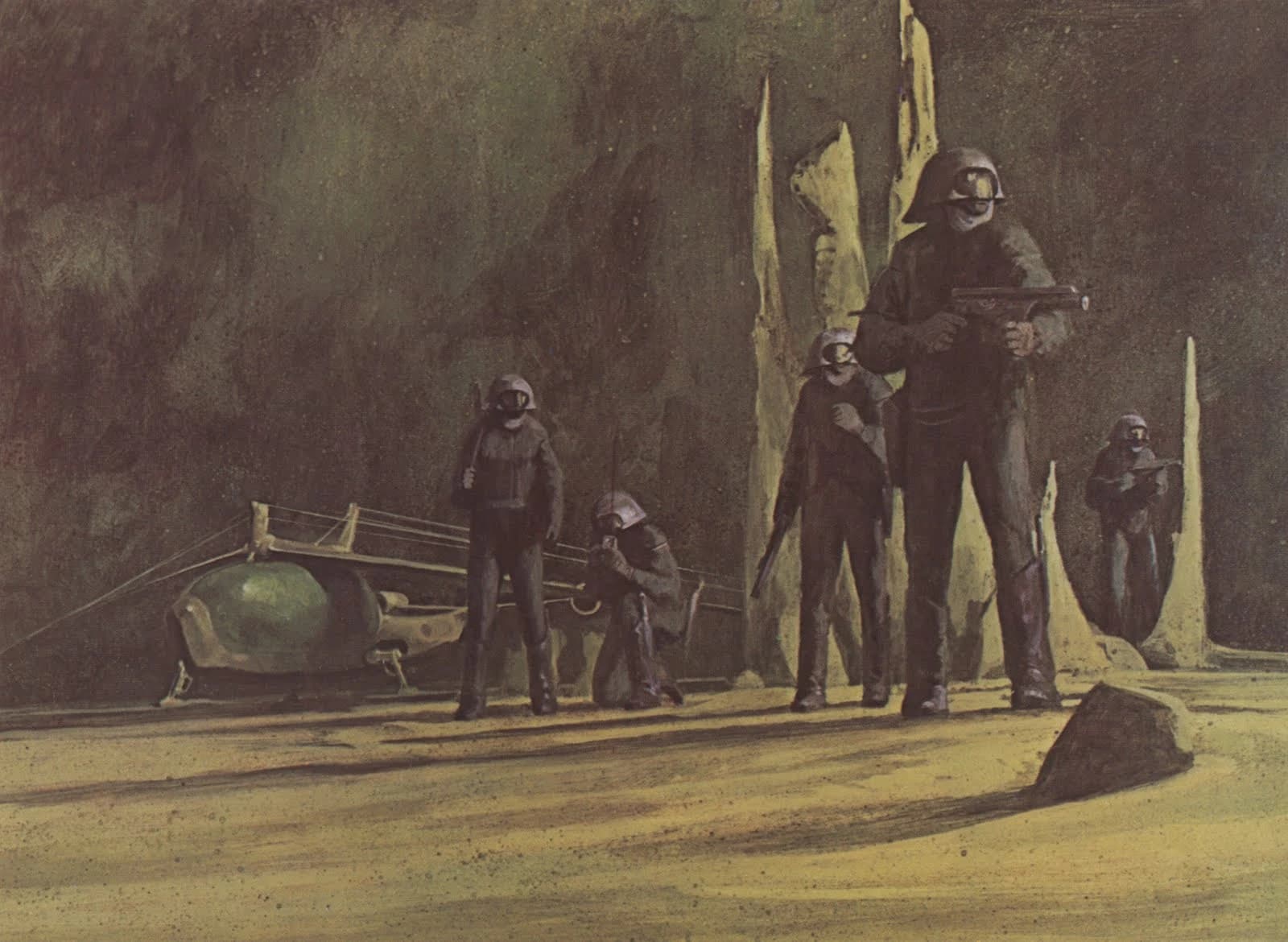
Sardaukar: the Emperor's prison-world troops
Raised on the penal planet Salusa Secundus and feared across the Known Universe. The Fremen beat them on Arrakis and put Paul Atreides on the throne.
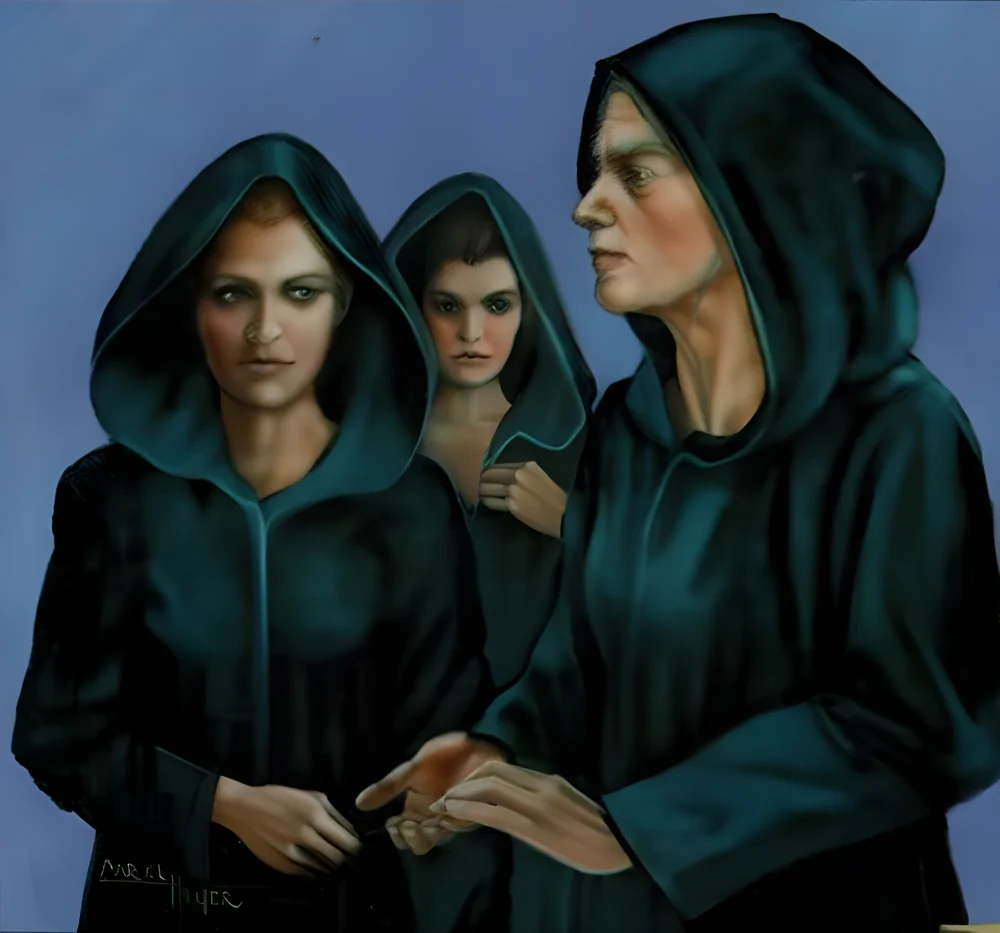
Bene Gesserit
The Bene Gesserit were an ancient order of women who wielded power from the shadows of the Imperium through a millennia-long breeding program, mastery of body and mind, and the religious engineering of the Missionaria Protectiva. Their goal was the Kwisatz Haderach, and through him the guidance of humanity.

CHOAM
CHOAM, the Combine Honnete Ober Advancer Mercantiles, was the vast commercial monopoly that governed nearly all trade across the Imperium. Its directorships were the true measure of political power, and its profits, many of them tied to the spice melange, sustained the Great Houses.

Spacing Guild: the monopoly on space travel
Its Navigators took spice until prescience let them fold space, and nothing crossed the stars without them. That monopoly held the Imperium up.
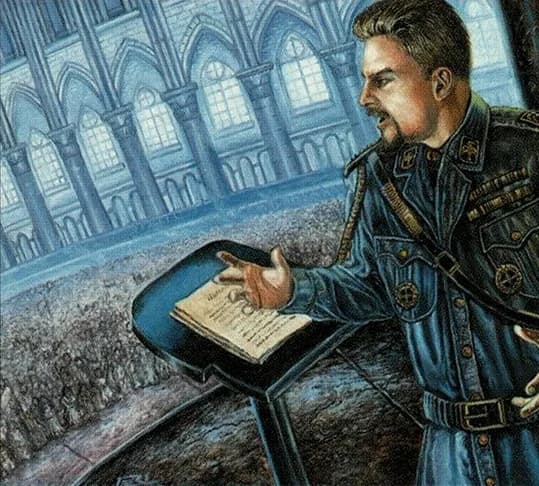
The Great Houses of Dune: Every House Explained
Every noble House of the Dune Imperium, from the Imperial House Corrino to the Great Houses of the Landsraad and the smaller families around them. Each entry gives the House's homeworld, its rulers, what it was known for and how it ended, and says which Houses come only from the later expanded novels or the games.
Great Convention
The Great Convention was the universal truce of the Imperium, held in place by the balance of power between the Spacing Guild, the Great Houses and the Imperium. Its chief law forbade the use of atomics against human targets, and its rules governed Kanly and the War of Assassins.
Mentioned in63 entries
Archducal Palace of Ecaz: seat of the Mahogany Throne
The Archducal Palace was the seat of government on Ecaz and the home of the ancestral Mahogany Throne, and it was twice taken from the family that owned it. Rebels drove Archduke Ferdinand out of it during the Ecazi Revolt, and a Moritani bombardment later burned the throne itself to ash.
Armand Ecaz
Armand Ecaz was the Archduke of House Ecaz and sovereign of the planet Ecaz, a high noble of the Landsraad and an avowed enemy of House Moritani who fought two Wars of Assassins against Grumman and stood as an ally of Duke Leto Atreides.
Atomics: the forbidden arsenals of the Great Houses
Atomics was the Imperial term for nuclear weapons of mass destruction, the fission devices every Great House hoarded but almost never dared to use. The Great Convention made their offensive use against human targets grounds for planetary annihilation, yet the Houses kept their family arsenals in reserve, and history recorded the terrible occasions on which the ban failed.
Battle of Arrakeen
The Battle of Arrakeen was the pivotal engagement of the Arrakis Revolt, fought between Muad'Dib Paul Atreides's Fremen and the Sardaukar of Padishah Emperor Shaddam Corrino IV. The Fremen routed the Imperial forces, and in the surrender that followed Paul won control of the known universe.
Battle of Caladan
The Battle of Caladan was an attempted Harkonnen and Moritani assault on the Atreides homeworld in the expanded novel Dune: House Corrino. Mentat Thufir Hawat repelled it without a shot, using projectors to fake an overwhelming defensive fleet.
Cammar Pilru: Ix's ambassador in exile
Cammar Pilru was the Ixian ambassador to the Imperial Court on Kaitain during the Suboid Revolt and the Tleilaxu conquest of Ix. He lost his wife to the invasion and his planet to a conspiracy he could not see, yet he kept an embassy in exile alive for more than two decades and helped secure the heir who continued House Vernius.
Chiara: the Harkonnen spy in Castle Caladan
Chiara Rash-Olin was an elderly lady in waiting from the Imperial Court of Kaitain who served Kailea Vernius on Caladan while secretly reporting to Baron Vladimir Harkonnen. Her whispered manipulations drove Kailea to bomb Duke Leto Atreides' skyclipper, a plot that killed young Victor Atreides, and when her treachery was exposed Kailea stabbed her through the heart.
CHOAM
CHOAM, the Combine Honnete Ober Advancer Mercantiles, was the vast commercial monopoly that governed nearly all trade across the Imperium. Its directorships were the true measure of political power, and its profits, many of them tied to the spice melange, sustained the Great Houses.
Constantine Corrino: the Emperor's illegitimate son
Lord Constantine Corrino was the illegitimate son of Emperor Javicco Corrino and the Bene Gesserit Sister Francesca. Torn between his father's approval and his own pleasures, he betrayed the swordmaster Keiran Atreides to win a place at court and was named commander of the Imperial fleet, a rise the Sisterhood had quietly engineered.
Corrinth City: the capital of Kaitain and the seat of the Corrino Empire
Corrinth City was the chief city of Kaitain and the administrative centre of the Corrino Imperium. Hassik Corrino III taxed his subjects almost to bankruptcy to build it, and Fremen troops of the Jihad sacked it after the ascension of House Atreides.
Cristane
Cristane was a Bene Gesserit sister and commando in the Prelude to Dune novels. Sent to Ix to uncover the secret of Project Amal, she penetrated the Tleilaxu laboratories before being captured, converted into an axlotl tank, and destroyed.
Danvis Harkonnen
Baron Danvis Harkonnen was an early member of House Harkonnen who served as its third representative in the Landsraad League under Emperor Roderick Corrino, and whose rivalry with Willem Atreides nearly destroyed him.
+ 51 more
Get new articles in your inbox
No spam. New lore drops, canon conflicts, and deep dives only when they’re worth reading.
Some links on Lore Fortress are affiliate links. If you buy through them we earn a small commission at no extra cost to you.