 Lore Fortress
Why Is Giedi Prime in Black and White in Dune: Part Two?
In Dune: Part Two the Harkonnen homeworld circles a black sun, so its daylight scenes play in monochrome, and Greig Fraser shot the arena fight on black-and-white infrared. The black sun comes from Denis Villeneuve's film, not from Frank Herbert's novel.
Giedi Prime is black and white in Dune: Part Two because, in the film, the Harkonnen homeworld orbits a black sun that leaves its daylight without colour. Behind the camera, Greig Fraser shot the sequence on black-and-white infrared, and neither the black sun nor the monochrome comes from Giedi Prime as Frank Herbert wrote it in 1965. (Dune: Part Two; Dune)
Why is Giedi Prime black and white?#
There are two answers, and they sit on different sides of the screen.
The story answer is the sun. In Dune: Part Two, Giedi Prime orbits a black sun, and in daylight the planet shows up in monochrome. The film doesn't stop to explain the astronomy. It just puts the idea in the mouth of the arena announcer, whose English translation opens with "Under our glorious black sun" before welcoming Baron Vladimir Harkonnen to the festivities. (Dune: Part Two)
The production answer is the camera. Variety reported on 2 March 2024 that Fraser shot the big arena fight on black-and-white infrared to deliver what Villeneuve wanted. The film as a whole was shot on Arri Alexa LF digital cameras, with new sets and locations chosen to avoid repeating the first film. (Variety on shooting the Dune 2 arena fight in infrared; Dune: Part Two)
Which scene in Dune: Part Two is in black and white?#
It's the Giedi Prime stretch, which comes early in the film. The centrepiece is Feyd-Rautha's birthday spectacle in the gladiatorial arena, where the crowd watches him duel Lanville (Roger Yuan). The Baron and Lady Margot Fenring join the people of Giedi Prime to watch. Margot is there on Bene Gesserit business: Reverend Mother Mohiam has sent her to seduce Feyd and secure his genes in case Paul's line can't be saved. (Dune: Part Two)
The same visit to the Harkonnen capital includes a mass parade of the house's army. The Dune Wiki notes that it almost directly quotes a Nazi parade from the propaganda film Triumph of the Will, and reads that as a way to stress the Nazi, militaristic side of the Harkonnens. That's the wiki's interpretation, so treat it as one. (Dune Wiki: Giedi Prime)
The plot runs through it as well. Part Two has the Baron demote Rabban, whose hold on spice production has been slipping, and make Feyd the new ruler of Arrakis. The arena is where you get the measure of the nephew he's sending. (Dune: Part Two)
What is Giedi Prime's black sun?#
In the film it's the star Giedi Prime orbits, and that's about all the film gives you. The announcer treats it as something to be proud of. The Dune Wiki ties the planet's daylight monochrome directly to it. (Dune: Part Two; Dune Wiki: Giedi Prime)
In Herbert's book there's no black sun. The Terminology of the Imperium at the back of Dune places Giedi Prime around Ophiuchi B (36) and calls it a median-viable planet with a low range of active photosynthesis. That's as close as the glossary gets to a dim world, and it's about plant life, not the colour of the light. (Dune)
Why does the Harkonnen planet have no colour?#
On screen, because of that sun. Beyond the sun, the lore gives the place a drab reputation for other reasons. Herbert's glossary gives it low photosynthesis but never says why. The Dune Wiki blames heavy Harkonnen industry and describes a world of factories, arenas and cities where much of the population lived as oppressed labour. The Filmbooks featurette made for the films says the same thing outright: Harkonnen industry damaged the atmosphere badly enough to slow photosynthesis across the whole planet. (Dune; Dune Wiki: Giedi Prime; Filmbooks: House Harkonnen)
The arena was a tool long before Villeneuve got to it. The Dune Wiki says Feyd-Rautha fought there to win popularity with the people and with the Houses Minor, and Chapter 35 of the novel stages his fight as a celebration of the na-Baron's birthday that also reminds everyone he's heir-designate. Villeneuve kept that birthday framing and drained the colour out of it. (Dune)
My read on why Villeneuve did it#
My read is that the black-and-white Giedi Prime is about making the Harkonnens feel like a different kind of human. Arrakis, all sand and heat, feels alive next to it. Giedi Prime gets a chanting crowd and a sun that gives no colour. Herbert spent pages telling you the Harkonnens were twisted. Villeneuve gets most of it across in one lighting decision, and I think it's the best single image in Part Two.
It also sets up Feyd-Rautha as Paul's mirror. Austin Butler saw the two as products of the same Bene Gesserit breeding scheme, and put Feyd's arrogance down to his upbringing on Giedi Prime. So when Paul and Feyd finally meet for the duel on Arrakis, you're watching a man you first met in a world with no colour in it. (The Making of Austin Butler's Sexy Psychopath in Dune: Part Two; Dune: Part Two)
For the planet's full history, including its later name Gammu, start at the Giedi Prime page, and for the house that ruled it, see House Harkonnen.
Frequently asked questions
- Why is Giedi Prime black and white in Dune Part Two?
- Inside the film, the Harkonnen homeworld orbits a black sun, and its daylight shows up without colour. Behind the camera, cinematographer Greig Fraser shot the Giedi Prime arena sequence on black-and-white infrared to deliver Denis Villeneuve's vision, as Variety reported in March 2024.
- Which scene in Dune: Part Two is in black and white?
- The Giedi Prime sequence, built around Feyd-Rautha's birthday fight in the Harkonnen arena, with Baron Harkonnen and Lady Margot Fenring among the crowd watching it.
- What is the black sun on Giedi Prime?
- It's the star the Harkonnen world orbits in Dune: Part Two. The arena announcer welcomes the crowd under it. In Frank Herbert's novel the star is called Ophiuchi B (36), and the book's glossary doesn't describe it as dark.
- Is Giedi Prime black and white in the Dune books?
- No. The monochrome look and the black sun belong to Villeneuve's 2024 film. The glossary in Herbert's Dune gives Giedi Prime a low range of active photosynthesis, but says nothing about a dark sun or a colourless sky.
- Was the black-and-white scene filmed with infrared?
- Yes. Variety reported on 2 March 2024 that Greig Fraser shot the arena fight on black-and-white infrared.
Sources
- VideoDune: Part Two, Film, directed by Denis Villeneuve, cinematography by Greig Fraser; Legendary Pictures and Warner Bros. Pictures, 2024
- BookDune, Frank Herbert, 1965; Chapter 35 and the Terminology of the Imperium
- WebVariety on shooting the Dune 2 arena fight in infrared, Variety artisans feature on how the arena fight scene was shot, 2 March 2024
- InterviewThe Making of Austin Butler's Sexy Psychopath in Dune: Part Two, Vanity Fair
- VideoFilmbooks: House Harkonnen, Featurette, Warner Bros. Entertainment, on YouTube
- WikiDune Wiki: Giedi Prime and House Harkonnen/2021 film, dune.fandom.com, CC BY-SA, accessed 14 November 2026
Spotted a factual error or a primary source we missed? Email a correction. Every flagged claim gets reviewed.
Followed from this entry
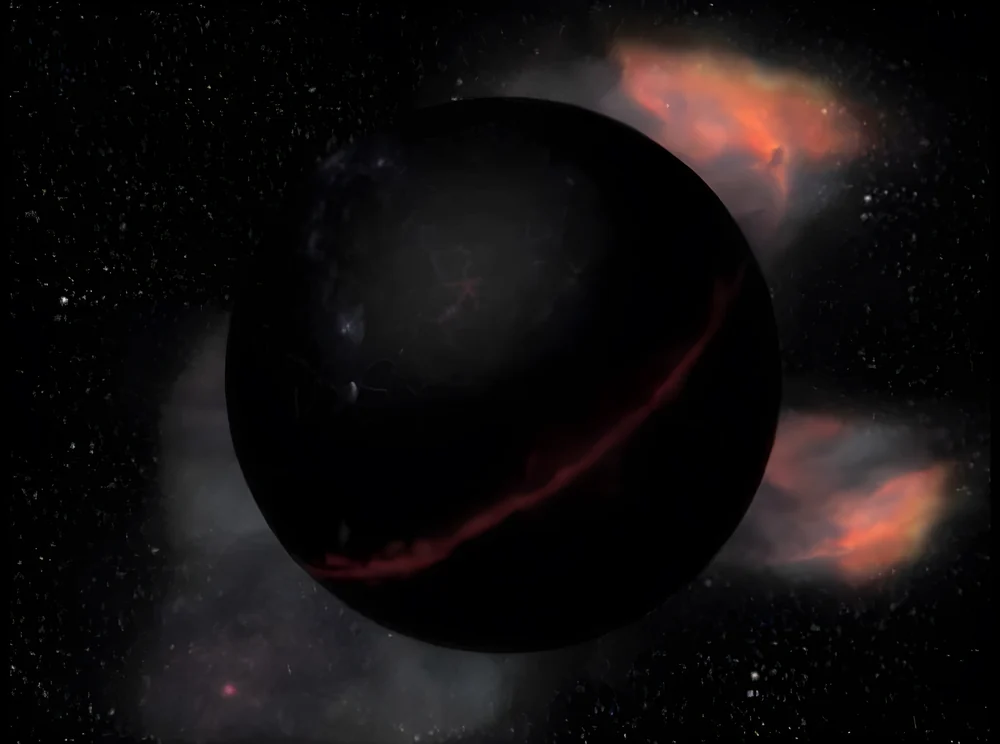
Giedi Prime
Giedi Prime, later renamed Gammu, was the industrial homeworld of House Harkonnen, orbiting the star Ophiuchi B. A planet of factories, arenas, and an oppressed populace, it later passed to Atreides administration and eventually became a Bene Gesserit base.
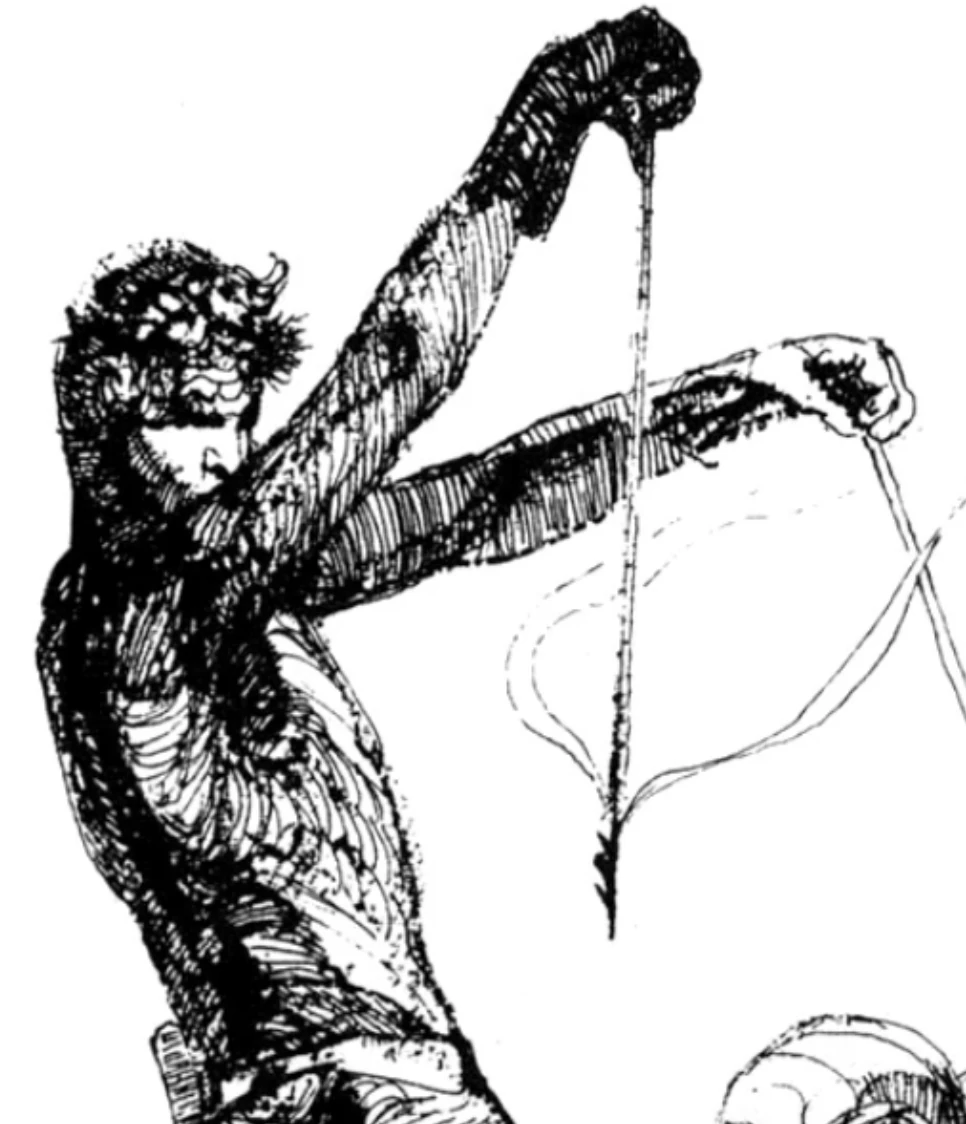
Paul vs Feyd-Rautha: the Duel in the Book and the Films
Paul Atreides kills Feyd-Rautha Harkonnen in a knife fight to the death at the end of Dune, in front of the Emperor. Here is how the duel plays out in Frank Herbert's novel, how Feyd cheats, why Paul refuses an easy win, and what Denis Villeneuve changed in Dune: Part Two.
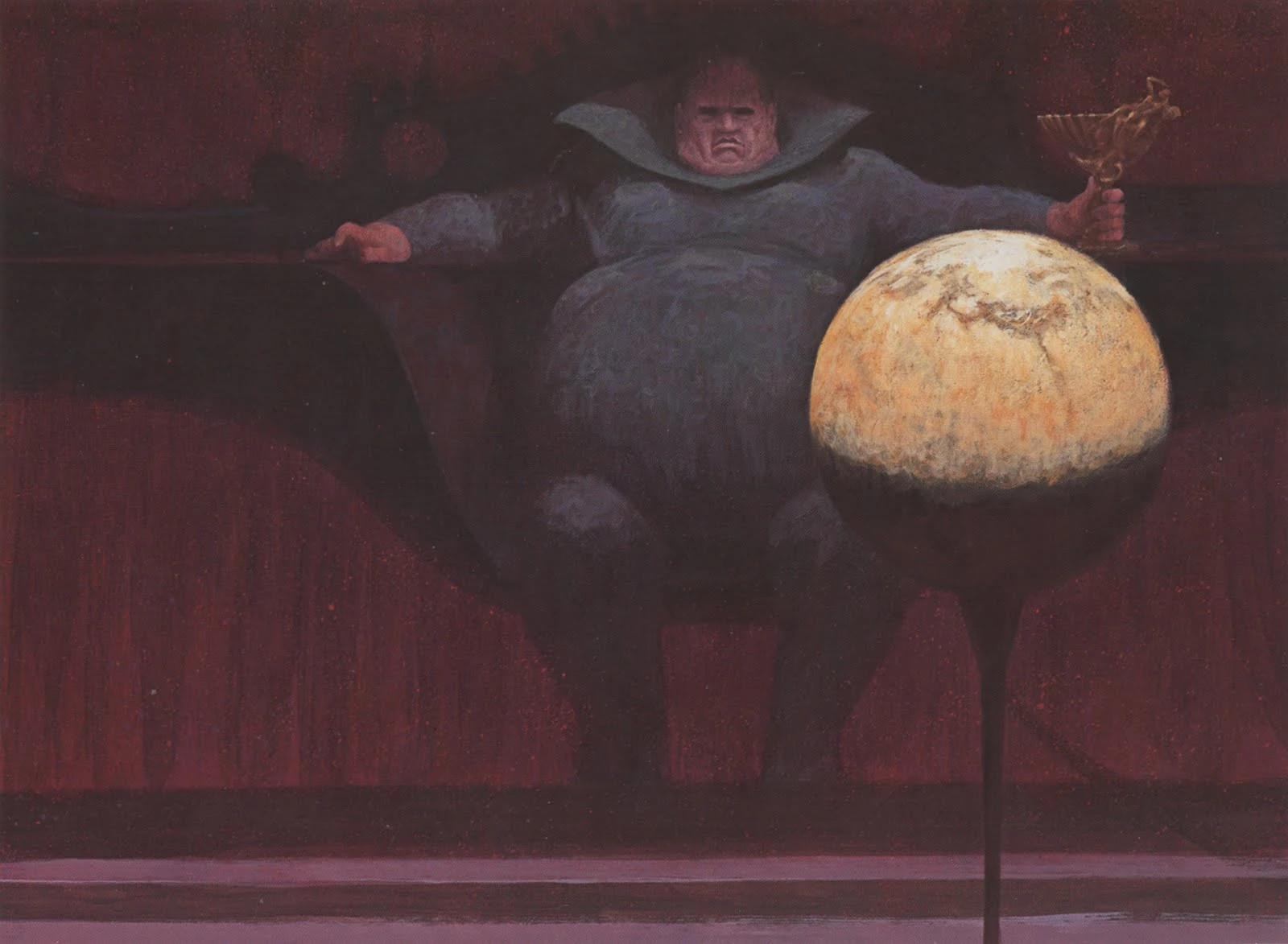
Baron Vladimir Harkonnen: the architect of the Atreides fall
Siridar-Baron Vladimir Harkonnen was the penultimate ruler of House Harkonnen and the chief architect of the downfall of Duke Leto Atreides. A gluttonous and cruel schemer, he conspired to seize Arrakis and the Golden Lion Throne before his House was destroyed in the war for Arrakis.
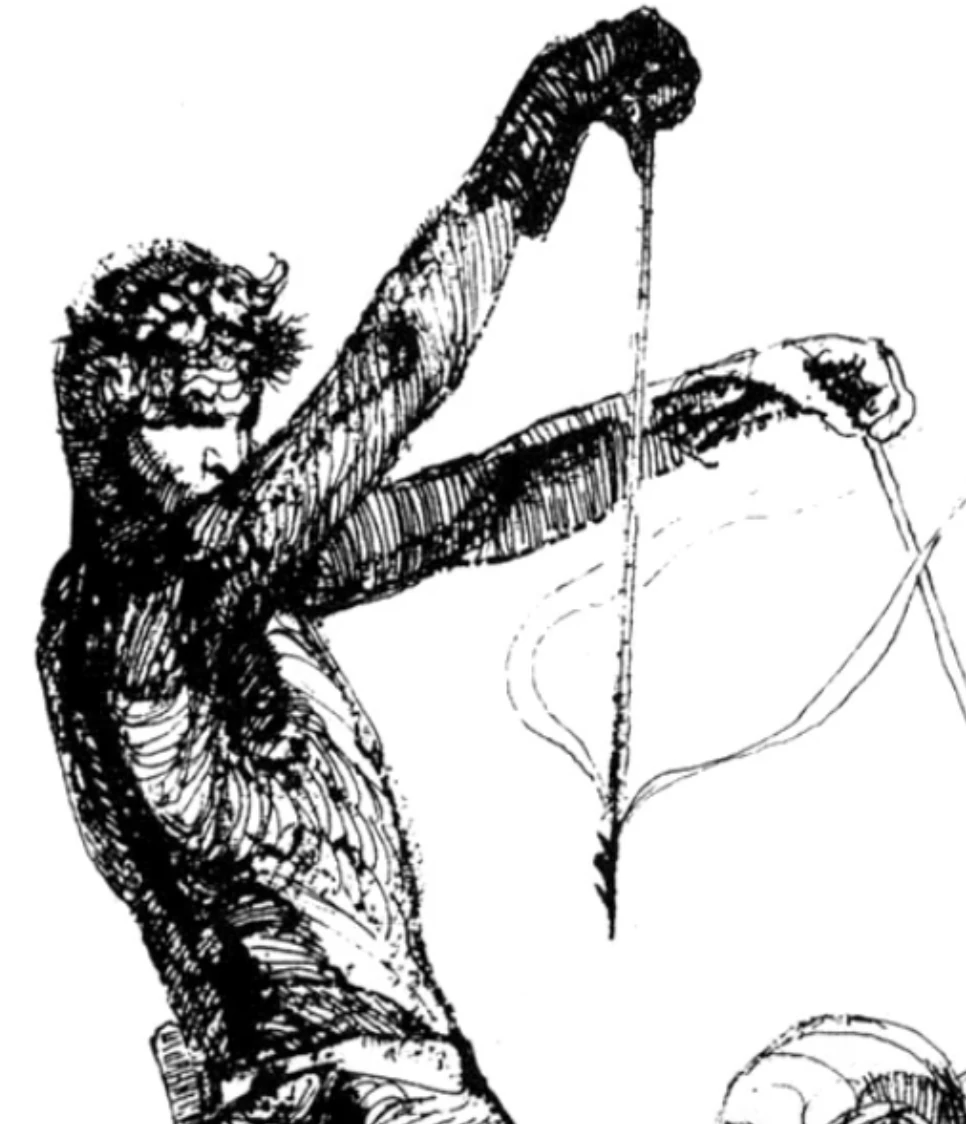
Feyd-Rautha Harkonnen: the na-Baron who died on Paul's blade
Feyd-Rautha Harkonnen was the na-Baron and heir of Vladimir Harkonnen. Charismatic, cunning, and vicious, he was groomed to inherit House Harkonnen and to win the Imperial throne, but was killed in a duel with Paul Atreides shortly after the Battle of Arrakeen.
Glossu Rabban
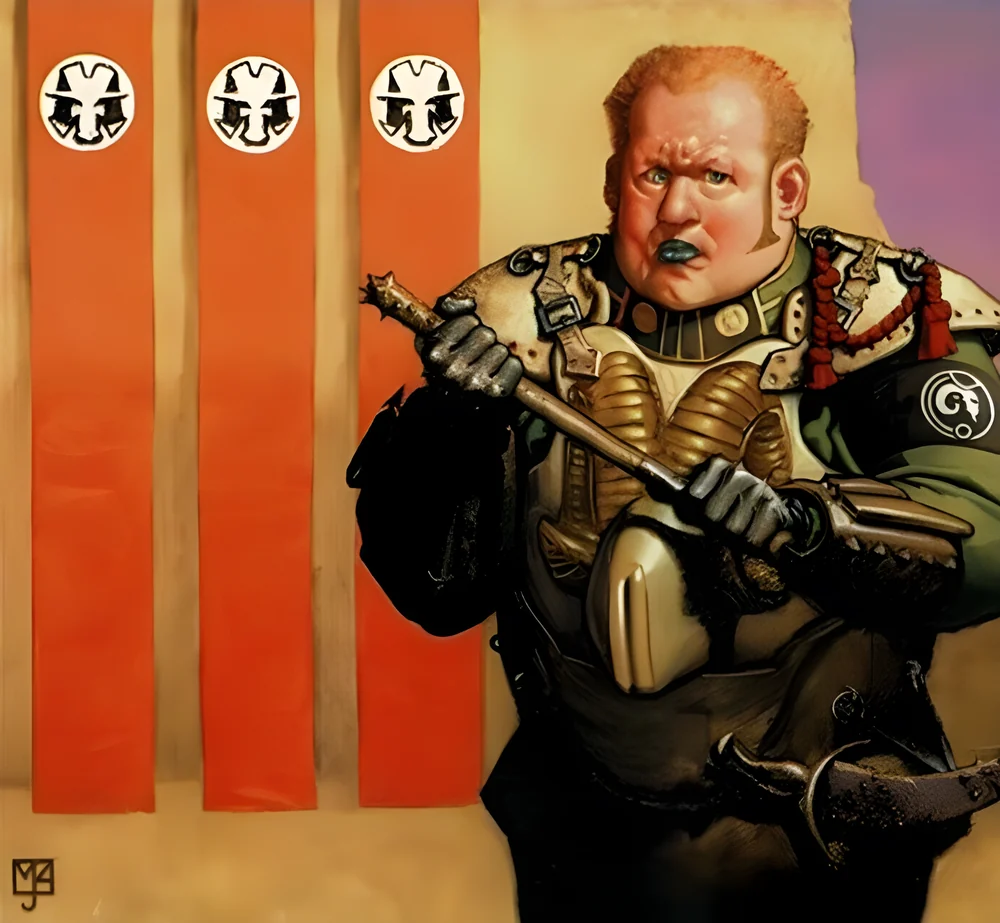
Glossu Rabban, called the Beast, was the brutish eldest nephew of Baron Vladimir Harkonnen. As Count of Lankiveil and Governor of Arrakis, his merciless oppression of the population earned him the Fremen name Mudir Nahya and helped ignite the Desert War that destroyed his House.

House Harkonnen: the Baron's Giedi Prime
Seated on industrial Giedi Prime and ruled by a Siridar-Baron, the Harkonnens had hated House Atreides since Corrin. Arrakeen finished them off.
Mentioned in1 entry
Get new articles in your inbox
No spam. New lore drops, canon conflicts, and deep dives only when they’re worth reading.
Some links on Lore Fortress are affiliate links. If you buy through them we earn a small commission at no extra cost to you.