Paul vs Feyd-Rautha: the Duel in the Book and the Films
Paul Atreides kills Feyd-Rautha Harkonnen in a knife fight to the death at the end of Dune, in front of the Emperor. Here is how the duel plays out in Frank Herbert's novel, how Feyd cheats, why Paul refuses an easy win, and what Denis Villeneuve changed in Dune: Part Two.
Paul Atreides fights Feyd-Rautha Harkonnen at the very end of Dune, a knife duel to the death in front of Emperor Shaddam IV just after the Battle of Arrakeen. In Frank Herbert's novel Feyd cheats with a hidden poison needle, Paul refuses to use a Bene Gesserit trick that would win the fight for him, and Paul kills Feyd with his crysknife. Dune: Part Two keeps the duel but drops the cheating, so Feyd comes much closer to winning. (Dune; Dune: Part Two)
Why Paul and Feyd-Rautha fight#
The duel comes after the war is already won. The Fremen have broken into Arrakeen on the backs of sandworms, Baron Harkonnen is dead, and Paul has the Emperor, his court and the Guild's agents in front of him. By threatening to destroy the spice, he forces the Guild to side with him. (Dune)
Feyd-Rautha, the Baron's nephew and heir, still wants his fight. Paul points out that Gurney Halleck, who has wanted to kill a Harkonnen for years, would gladly take him on. Feyd sneers at being offered a lackey and demands Paul himself, and Paul accepts. (Dune)
There is a family twist under it. Paul has learned that his mother, Jessica, is the Baron's daughter. Feyd is the Baron's nephew, so the two fighters are kin: Feyd is Jessica's cousin, and Paul's cousin once removed. The Bene Gesserit had once meant Feyd to father a child with Jessica's daughter, the daughter Jessica never had. (Dune)
How the duel goes in the book#
Feyd opens with the formal words of kanly, the ritual feud between great houses. Paul answers him the Fremen way: "May thy knife chip and shatter!" (Dune)
Feyd talks while he fights. He tells Paul that his own Mentat, Thufir Hawat, taught Feyd some of his skills, and he needles Paul about the small woman he was talking to earlier, meaning Chani, asking whether she is something special. It is meant to make Paul angry and careless. (Dune)
He also cheats. He has a blade with a poisoned tip and a poisoned needle hidden in his belt, and he waits for a chance to use it. It comes when he gets Paul pinned. (Dune)
The word Paul refuses to say#
This is the moment that matters most. The Bene Gesserit had conditioned Feyd, through Margot Fenring's seduction of him on Giedi Prime, so that a particular word would lock his muscles. Pinned under Feyd, with the needle close, Paul knows the word and could say it. He doesn't. (Dune)
He breaks free with his own skill instead, and drives his crysknife up under Feyd's jaw and into his brain. Feyd falls dead. (Dune)
Why Paul refuses is left to the reader. A fair reading, and it is a reading rather than something Herbert spells out, is that Paul won't owe his victory to the Sisterhood's hidden hand, the same hand that bred him. He wins as himself or not at all. (Dune)
What happens after the duel#
The Emperor looks to his friend Count Hasimir Fenring, wanting him to kill Paul, and Fenring refuses. Paul then names his terms: the throne, through marriage to Princess Irulan. He tells Chani that Irulan will be his wife in name, but that Chani is the one he loves. (Dune)
The ending of the novel is covered in full in Dune ending explained. (Dune)
How Dune: Part Two changes the duel#
Denis Villeneuve keeps the shape but changes the balance. In Dune: Part Two, Paul kills the Baron himself, then demands the throne, and Feyd-Rautha, played by Austin Butler, steps forward to fight for Shaddam. Paul says the Fremen line to him, and Feyd says it back, amused. (Dune: Part Two)
The biggest change is the poison. Villeneuve took it out so that the fight would feel dangerous, with Paul facing someone as good as he is. As shot, Feyd wounds Paul badly before Paul kills him with his knife. The fight was staged on a set that took 22 weeks to build, and the stunt team had to ask Timothée Chalamet and Butler to slow down because the fight was too fast to read. (Dune: Part Two; Making the Dune: Part Two final fight)
The film also makes the family link explicit. Paul learns after drinking the Water of Life that Jessica is the Baron's daughter, so the man he fights is his cousin. And the Bene Gesserit had sent Lady Margot Fenring to judge whether Feyd might serve them in Paul's place. (Dune: Part Two)
The Part Two version of events, and what comes after it, is in Dune: Part Two ending explained. (Dune: Part Two)
The duel in David Lynch's Dune#
The 1984 film also ends with the fight. Sting plays Feyd-Rautha, and Paul kills him in single combat before the Emperor. Lynch then adds something the novel doesn't have: rain falls on Arrakis, and Alia declares that only the Kwisatz Haderach could make it happen. See Dune (1984) explained. (Dune (1984 film))
Frequently asked questions
- How does Paul kill Feyd-Rautha?
- In the novel, Paul drives his crysknife up under Feyd-Rautha's jaw and into his brain. In Dune: Part Two he also kills him with a knife, after a fight in which Paul is badly hurt.
- Does Feyd-Rautha cheat in the duel?
- In the book, yes. He carries a poisoned needle hidden in his belt and tries to use it when he has Paul pinned. Denis Villeneuve dropped the poison from the film so that Feyd would be a genuine match for Paul.
- Why didn't Paul use the Bene Gesserit word on Feyd?
- Paul knows of a conditioned word that would freeze Feyd's muscles, planted by the Bene Gesserit, and he refuses to say it even when Feyd has him in trouble. He wins the fight with the knife instead.
- Is Feyd-Rautha Paul's cousin?
- Yes. Feyd is Baron Harkonnen's nephew and Jessica is the Baron's daughter, so Feyd is Jessica's cousin and Paul's cousin once removed. Dune: Part Two simply calls them cousins.
- Why does Paul fight Feyd-Rautha?
- After the Fremen take Arrakeen, Feyd-Rautha, the Harkonnen heir, demands the chance to fight Paul in front of the Emperor. Paul suggests Gurney Halleck could fight him, Feyd mocks the idea of facing a lackey, and Paul accepts.
Sources
- BookDune, Frank Herbert, 1965
- VideoDune: Part Two, Film, directed by Denis Villeneuve; Legendary Pictures and Warner Bros. Pictures, 2024
- VideoDune (1984 film), Film, written and directed by David Lynch, produced by Raffaella De Laurentiis; Universal Pictures, 1984
- WebMaking the Dune: Part Two final fight, Jeremy Smith, "How Dune 2's Final Fight Between Timothée Chalamet And Austin Butler Came Together", /Film, 15 June 2024, drawing on The Art and Soul of Dune: Part Two by Tanya Lapointe and Stefanie Broos
Spotted a factual error or a primary source we missed? Email a correction. Every flagged claim gets reviewed.
Followed from this entry
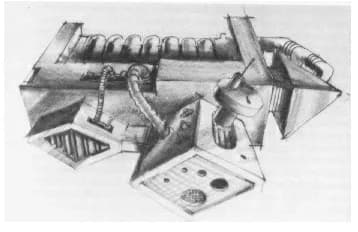
Dune (1984 Film) Explained: Plot Summary, Ending and Book Differences
The full story of David Lynch's 1984 Dune in order, from Irulan's opening narration to the rain over Arrakis, with the ending explained and the biggest changes from Frank Herbert's novel, including the weirding modules.
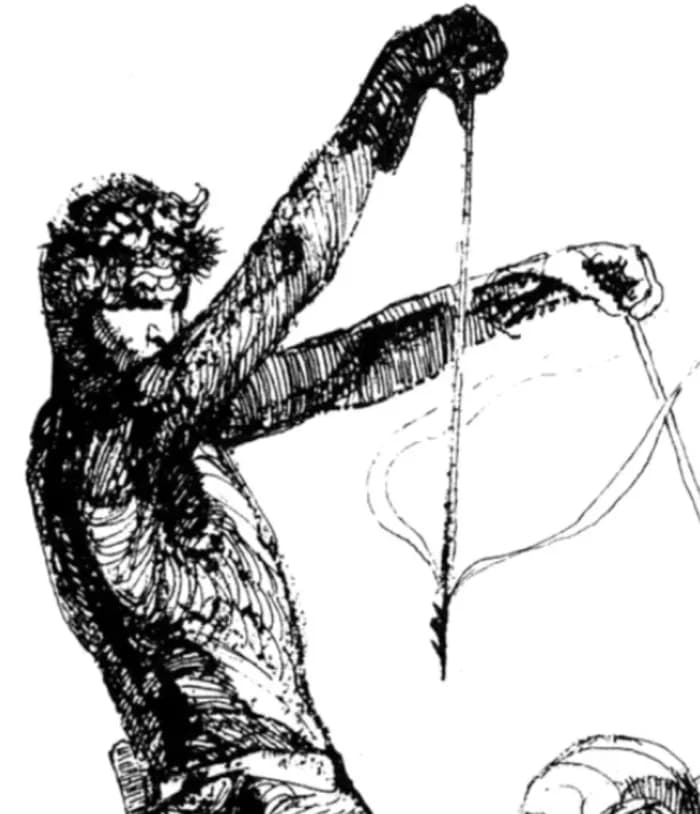
Dune Ending Explained: the Book's Plot Summary and Final Chapter
The whole plot of Frank Herbert's Dune in order, from the gom jabbar on Caladan to the duel with Feyd-Rautha in Arrakeen, then a plain explanation of the final chapter, what Paul wins, what he can no longer stop, and where the rest of the series goes from there.
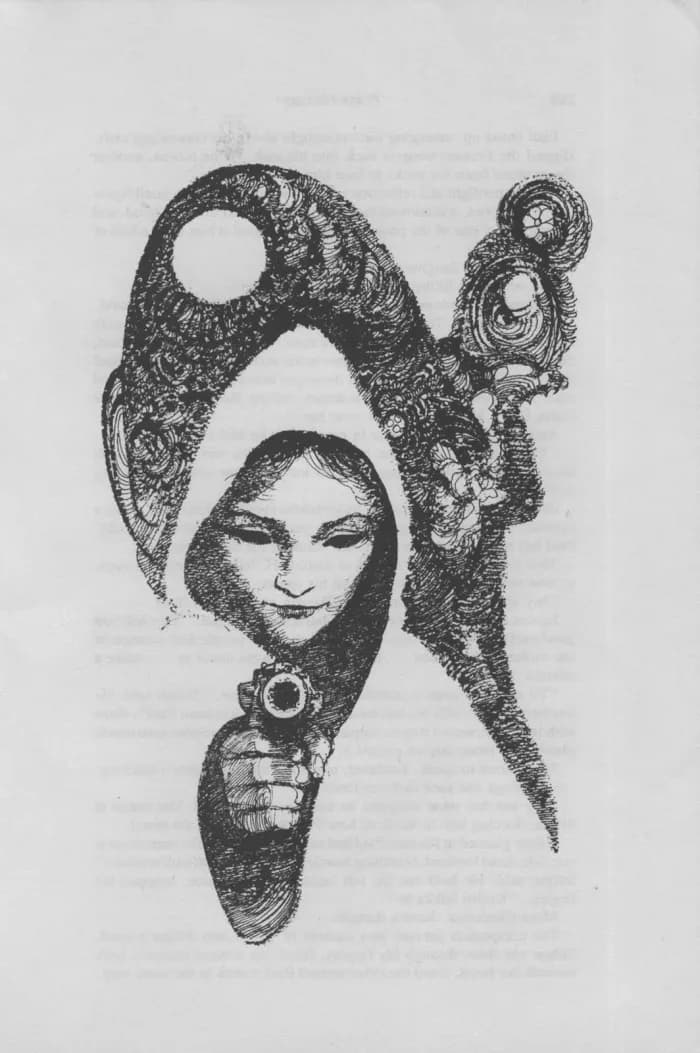
Dune: Part Two Ending Explained
The full story of Denis Villeneuve's Dune: Part Two in order, from Paul's first days with the Fremen to the duel with Feyd-Rautha and the start of the holy war, with the ending explained and the main ways it differs from Frank Herbert's novel.
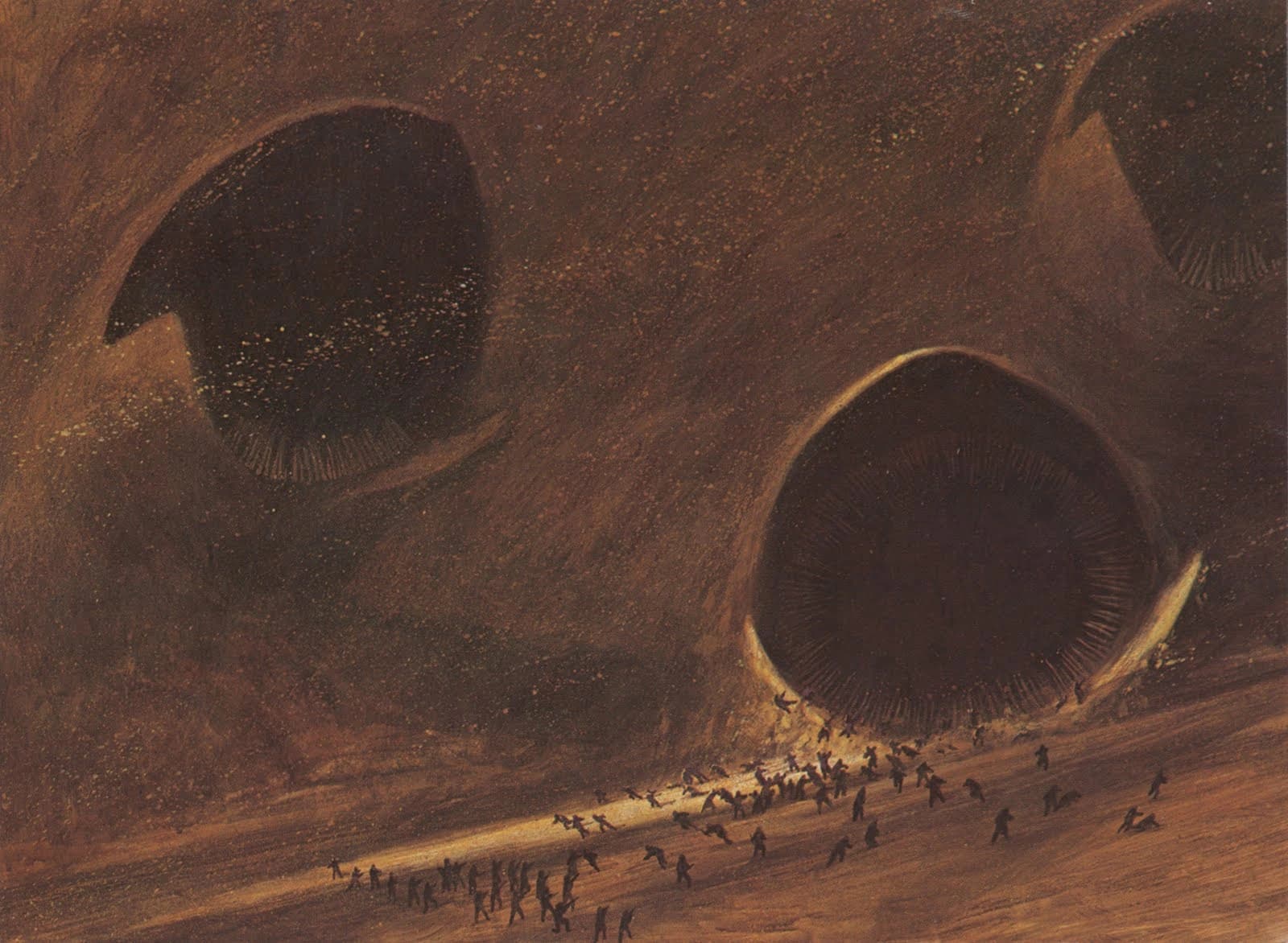
Battle of Arrakeen
The Battle of Arrakeen was the pivotal engagement of the Arrakis Revolt, fought between Muad'Dib Paul Atreides's Fremen and the Sardaukar of Padishah Emperor Shaddam Corrino IV. The Fremen routed the Imperial forces, and in the surrender that followed Paul won control of the known universe.
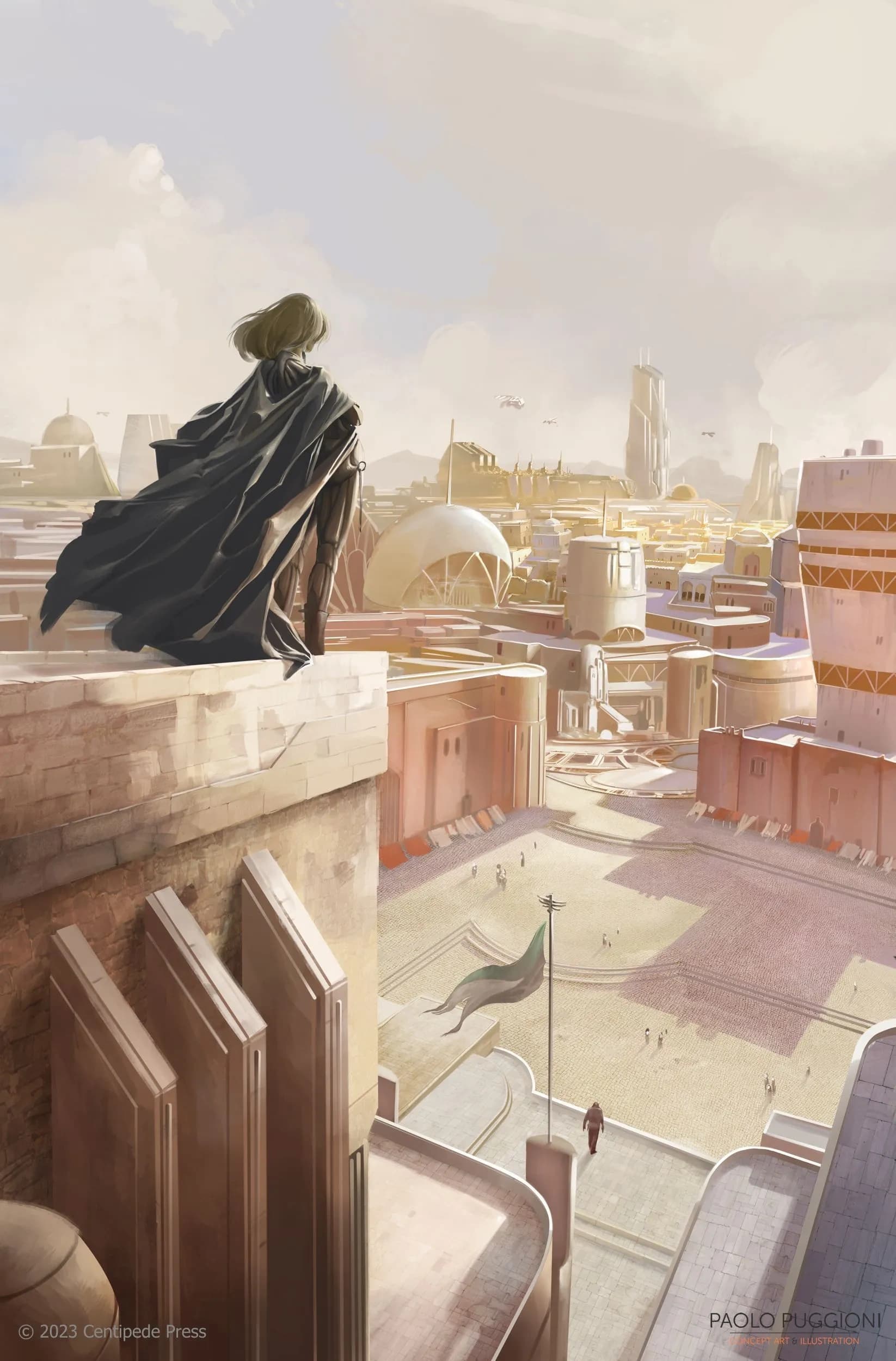
Arrakeen: the first city built on Arrakis
Sheltered by the Shield Wall near the northern pole, it held the Emperor's officials, House Atreides, then Muad'Dib's empire, then Leto II's festival city Onn.
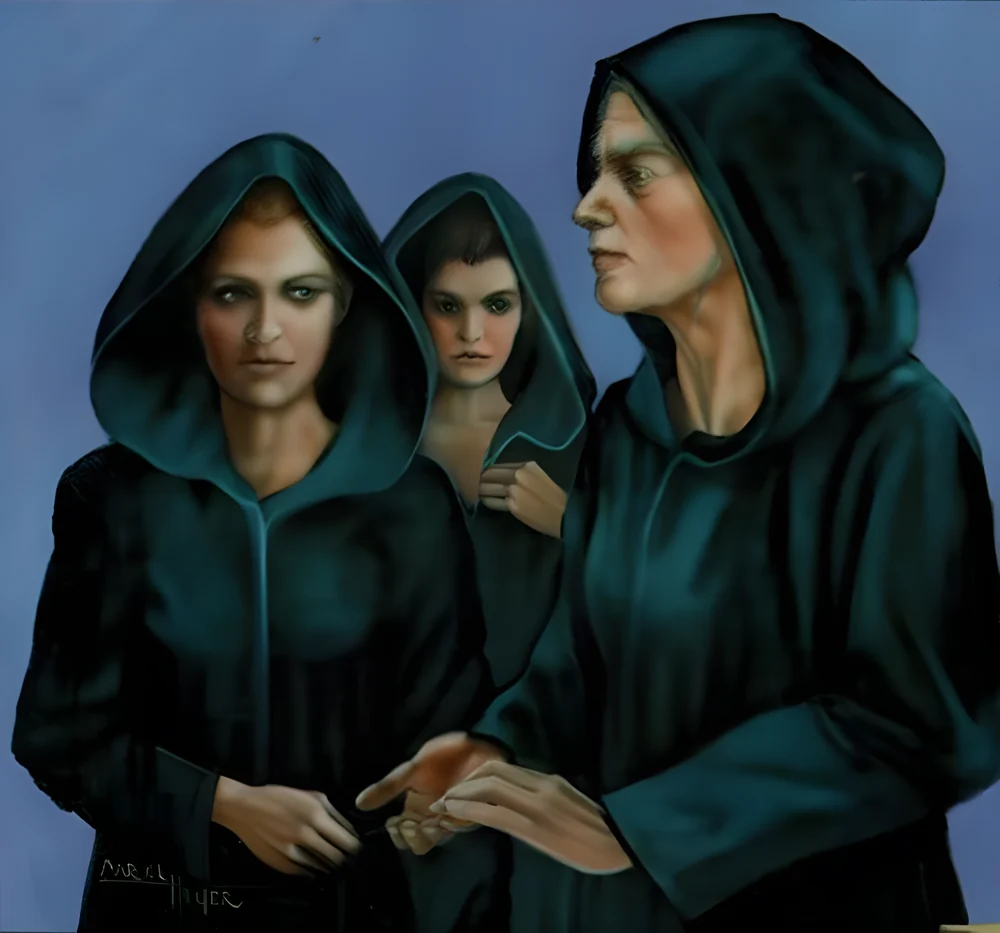
Bene Gesserit
The Bene Gesserit were an ancient order of women who wielded power from the shadows of the Imperium through a millennia-long breeding program, mastery of body and mind, and the religious engineering of the Missionaria Protectiva. Their goal was the Kwisatz Haderach, and through him the guidance of humanity.
Mentioned in5 entries
Dune Ending Explained: the Book's Plot Summary and Final Chapter
The whole plot of Frank Herbert's Dune in order, from the gom jabbar on Caladan to the duel with Feyd-Rautha in Arrakeen, then a plain explanation of the final chapter, what Paul wins, what he can no longer stop, and where the rest of the series goes from there.
Dune: Part Two Ending Explained
The full story of Denis Villeneuve's Dune: Part Two in order, from Paul's first days with the Fremen to the duel with Feyd-Rautha and the start of the holy war, with the ending explained and the main ways it differs from Frank Herbert's novel.
Feyd-Rautha Harkonnen: the na-Baron who died on Paul's blade
Feyd-Rautha Harkonnen was the na-Baron and heir of Vladimir Harkonnen. Charismatic, cunning, and vicious, he was groomed to inherit House Harkonnen and to win the Imperial throne, but was killed in a duel with Paul Atreides shortly after the Battle of Arrakeen.
How Did Paul Atreides Become Emperor?
Paul became Emperor by beating Shaddam IV on Arrakis, threatening to destroy the spice, and marrying Princess Irulan to take the throne through her claim. Here is how he won, why the Guild gave in and how the films tell it.
Paul Atreides' Powers Explained: Prescience, the Voice and the Kwisatz Haderach
Paul Atreides is trained as a Bene Gesserit, a Mentat and a fighter before he ever reaches Arrakis, and the spice turns his dreams into true prescience. Here is every power he has in Frank Herbert's novels, where each one comes from, and what it costs him.
Get new articles in your inbox
No spam. New lore drops, canon conflicts, and deep dives only when they’re worth reading.
Some links on Lore Fortress are affiliate links. If you buy through them we earn a small commission at no extra cost to you.