Dune (1984 Film) Explained: Plot Summary, Ending and Book Differences
The full story of David Lynch's 1984 Dune in order, from Irulan's opening narration to the rain over Arrakis, with the ending explained and the biggest changes from Frank Herbert's novel, including the weirding modules.
Dune is David Lynch's 1984 film of Frank Herbert's novel Dune, released by Universal Pictures with Kyle MacLachlan as Paul Atreides. It squeezes the whole book into one film, from the Atreides move to Arrakis to Paul's victory over the Emperor, set in the year 10191 on the Dune timeline. Lynch keeps the main plot but adds inventions of his own, and this page covers both. It tells the whole story in order and explains the ending, so it contains full spoilers. (Dune (1984 film))
Before the story begins#
The film opens with Princess Irulan, the Emperor's daughter, explaining the universe straight to camera. It is the year 10191. The known universe is ruled by the Padishah Emperor Shaddam IV. The most precious thing in it is the spice melange, which extends life and lets the Spacing Guild's navigators fold space and travel anywhere without moving. The spice is found on only one planet, Arrakis, also called Dune. Irulan then names the four planets the story turns on: Arrakis, Caladan, home of House Atreides, Giedi Prime, home of House Harkonnen, and Kaitain, home of the Emperor. (Dune (1984 film))
The Emperor's plan#
A Guild Navigator, a mutated creature floating in a tank of spice gas, came to the Emperor's palace on Kaitain. The Guild had seen a danger in the future and wanted to know about the Emperor's plans for the Atreides. Shaddam explained that Duke Leto Atreides had grown popular among the Great Houses and that his army was becoming dangerous, so he had given Leto the planet Arrakis as a trap. The Harkonnens would attack him there, helped secretly by the Emperor's own Sardaukar. The Navigator gave the Emperor a direct order: Leto's son, Paul, must be killed. The spice must flow. (Dune (1984 film))
On Caladan, Paul trained with the Atreides weapons master Gurney Halleck and the Mentat Thufir Hawat. The Emperor's Truthsayer, the Reverend Mother Gaius Helen Mohiam, came to test him with the gom jabbar, a poisoned needle held at his neck while his hand burned in a box of pain. He passed. Mohiam made clear that the Bene Gesserit were watching him as a possible Kwisatz Haderach, the superbeing their breeding programme was meant to produce. (Dune (1984 film))
On Giedi Prime, the diseased, floating Baron Vladimir Harkonnen planned the attack with his Mentat Piter de Vries and his nephews, the brutal Glossu Rabban and the younger Feyd-Rautha. Every Harkonnen servant had a heart plug fitted in the chest, and the Baron killed a young servant for amusement by pulling his out. A traitor had already been bought inside the Atreides household. (Dune (1984 film))
The fall of House Atreides#
Leto, his concubine Lady Jessica and Paul moved to Arrakis. The imperial planetologist Liet-Kynes took the Duke and Paul out to watch a spice harvester at work, and when a sandworm came for the machine, Leto saved the crew at the cost of the spice. Paul's dreams grew stronger, and he began to see the desert and a Fremen girl, Chani. (Dune (1984 film))
The traitor was the Suk doctor Wellington Yueh, whose wife the Harkonnens held. He shut down the house shields, and Harkonnen troops and Sardaukar swept through Arrakeen. Duncan Idaho was among the Atreides dead, and Thufir Hawat was taken prisoner. Yueh drugged Leto and gave him a false tooth full of poison gas, meant for the Baron. Yueh hoped to get his wife back, but once he had delivered the Duke, the Baron had Piter kill him. (Dune (1984 film))
Leto was brought before the Baron. He bit down on the tooth, and the gas killed Piter, but the Baron was too far away and survived. Paul and Jessica were flown out into the desert to die, overpowered their guards and escaped. Rabban had Kynes left in the desert to die as well. Rabban was given Arrakis to squeeze, while the Baron kept the captured Hawat as his new Mentat, with a heart plug of his own and a poison in his body that he could only hold off by milking a cat every day for the antidote. (Dune (1984 film))
Muad'Dib#
Paul and Jessica crossed the open sand until the Fremen leader Stilgar and his band found them. One of his men, Jamis, challenged Paul to a fight to the death, and Paul killed him. The Fremen took the two of them in. Paul gave himself the name Muad'Dib and showed the Fremen the Atreides weirding modules, hand-held devices that turned a spoken sound into a destructive blast. (Dune (1984 film))
The Fremen asked Jessica to replace their dying Reverend Mother, Ramallo. She drank the Water of Life, the poisonous liquid of the sandworm, and survived. She was pregnant, and her unborn daughter took in the memories of every Reverend Mother before her. The child, Alia, was born able to speak and think like an adult and grew up fast, frightening the other children. (Dune (1984 film))
Time passed in a rush of montage and narration. Paul trained the Fremen as an army in the weirding way, using the modules, and they raided the Harkonnen spice harvest until production fell apart. He learned to ride a sandworm, and he and Chani became lovers. Gurney Halleck, who had survived among the spice smugglers, came back to his side. The Fremen began to believe Paul was the messiah their legends had promised. (Dune (1984 film))
The Water of Life#
Paul knew he had to see further, so he drank the Water of Life himself. He fell into a long trance. When he woke, the sleeper had awakened, in the film's own phrase, and he could now see past and future, and he saw the Emperor's fleet gathering above Arrakis and the Guild's dependence on the spice. In the same moment Jessica and Alia, far away, felt what he had done. (Dune (1984 film))
The Emperor came down to Arrakis in person with his Sardaukar, his daughter and his Truthsayer. He summoned the Baron to answer for the chaos on the planet. (Dune (1984 film))
The ending explained#
During a storm, the Fremen used the Atreides family atomics to blast open the Shield Wall, then rode sandworms into the Emperor's camp with weirding modules blazing. Alia had let herself be captured and was brought before the Emperor, where she told him her brother was not pleased with him. When the Baron came near her, she cut him with the gom jabbar and pulled out his suspensor plugs. When Paul blasted open the wall, the Baron was sucked out of the hall and into the mouth of a worm. (Dune (1984 film))
Paul walked into the Emperor's hall as victor. He told the Guild that he could destroy the spice and so controlled it, and the Guild's men backed down. Feyd-Rautha fought Paul in a duel to the death, and Paul killed him. Then Paul turned to the crowd, and rain began to fall on Arrakis, a desert world that had never known rain. Alia declared that only the Kwisatz Haderach could do this, and the film ends. (Dune (1984 film))
What the ending means is that Lynch's Paul really is the messiah. The rain is a miracle with no explanation except his power, and the film presents it as a triumph. Paul has avenged his father, freed the Fremen, beaten the Emperor and the Guild, and fulfilled the prophecy all at once. There is no hint of the holy war that Herbert's Paul foresees and cannot stop. (Dune (1984 film))
That is the biggest difference between film and book. Herbert wrote Dune as a warning about following a messiah, and his ending is a victory with dread underneath it. Paul knows his legions will soon carry a jihad across the universe in his name, and Dune Messiah opens twelve years into that war. The 1984 film ends on the miracle and leaves the warning out. (Dune; Dune Messiah)
How the film differs from the book#
Weirding modules are Lynch's invention. In the novel the weirding way is the Bene Gesserit art of unarmed fighting, which Jessica and Paul teach the Fremen. The film turns it into sound guns built by Atreides scientists, so the Fremen fight with technology rather than skill. (Dune; Dune (1984 film))
The rain is new too. In the novel the Fremen dream of a green Arrakis, but the plan laid out by Kynes takes centuries of patient work. Nobody makes it rain, and Paul has no power over the weather. (Dune; Dune (1984 film))
The Guild Navigator's visit to Shaddam and his order to kill Paul are not in the book, where the Guild stays in the background until the final chapter. Heart plugs, Thufir's cat, and the Baron's open sores are all invented for the film. (Dune; Dune (1984 film))
Alia kills the Baron in both, but in the novel she simply stabs him with the gom jabbar and escapes, with no suspensor plugs and no worm. The book's Thufir is handed a poison needle at the end to kill Paul, refuses, and dies, and Count Hasimir Fenring refuses to fight Paul. The book also ends with terms: Shaddam goes into exile and Paul claims Irulan as his wife in name only, while Chani keeps his love. Lynch's film skips the settlement and ends on the rain. (Dune; Dune (1984 film))
Some losses come from squeezing a long book into one film. Paul and Chani's infant son, Leto, and his death in a Sardaukar raid are left out. Much of the novel's politics is carried instead by whispered voiceovers of the characters' thoughts and by Irulan's narration. (Dune; Dune (1984 film))
Where it fits#
Lynch's film was the first screen version of Dune and was never continued. The novel's story picks up in Dune Messiah. For the modern films of the same book, see Dune: Part One and Dune: Part Two, and for the novel's own ending, see Dune ending explained. (Dune Messiah)
Frequently asked questions
- Why does it rain at the end of Dune (1984)?
- Paul makes it rain. After drinking the Water of Life and defeating the Emperor, he uses his new powers to bring rain to Arrakis, and Alia declares that only the Kwisatz Haderach could do this. It never happens in the novel, where turning Arrakis green is a plan that takes centuries.
- What are weirding modules in Dune (1984)?
- Hand-held sonic weapons invented for the film. Atreides scientists built them to turn a voice into a destructive blast, and Paul teaches the Fremen to fight with them. In Frank Herbert's novel the weirding way is a Bene Gesserit fighting art, not a gadget.
- Who kills Baron Harkonnen in Dune (1984)?
- Paul's little sister Alia. She lets herself be captured, cuts the Baron with the gom jabbar, pulls out his suspensor plugs, and he is sucked out of the hall and into the mouth of a sandworm.
- Who plays Paul Atreides in Dune (1984)?
- Kyle MacLachlan, in his first film role. The cast also includes Francesca Annis as Jessica, Jürgen Prochnow as Leto, Kenneth McMillan as the Baron, Sting as Feyd-Rautha, Sean Young as Chani and Patrick Stewart as Gurney Halleck.
- Is there a longer version of Dune (1984)?
- Yes. An extended cut made for television in 1988 adds a longer opening narration and extra scenes. David Lynch disowned it, and his name was replaced in the credits by the pseudonyms Alan Smithee and Judas Booth.
- Does Dune (1984) have a sequel?
- No. Lynch's film was never followed up. Dune Messiah was adapted later in the Sci Fi Channel miniseries Children of Dune (2003), and Denis Villeneuve made new films of the novel in 2021 and 2024.
Sources
- VideoDune (1984 film), Film, written and directed by David Lynch, produced by Raffaella De Laurentiis; Universal Pictures, 1984
- BookDune, Frank Herbert, Chilton Books, 1965
- BookDune Messiah, Frank Herbert, 1969
Spotted a factual error or a primary source we missed? Email a correction. Every flagged claim gets reviewed.
Followed from this entry
Dune Ending Explained: the Book's Plot Summary and Final Chapter
The whole plot of Frank Herbert's Dune in order, from the gom jabbar on Caladan to the duel with Feyd-Rautha in Arrakeen, then a plain explanation of the final chapter, what Paul wins, what he can no longer stop, and where the rest of the series goes from there.
Dune Messiah Explained: Plot Summary and Ending
The full plot of Frank Herbert's Dune Messiah in order, from the conspirators' meeting to Paul's walk into the desert, with the ending explained: why Paul leaves, what happens to Alia and the twins, and how Children of Dune picks it up.

Dune: Part One Ending Explained
The whole story of Denis Villeneuve's Dune: Part One in order, from the Emperor's gift of Arrakis to the duel with Jamis in the deep desert, then a plain explanation of the ending and the main ways the film differs from Frank Herbert's novel.
Dune: Part Two Ending Explained
The full story of Denis Villeneuve's Dune: Part Two in order, from Paul's first days with the Fremen to the duel with Feyd-Rautha and the start of the holy war, with the ending explained and the main ways it differs from Frank Herbert's novel.
Alia Atreides
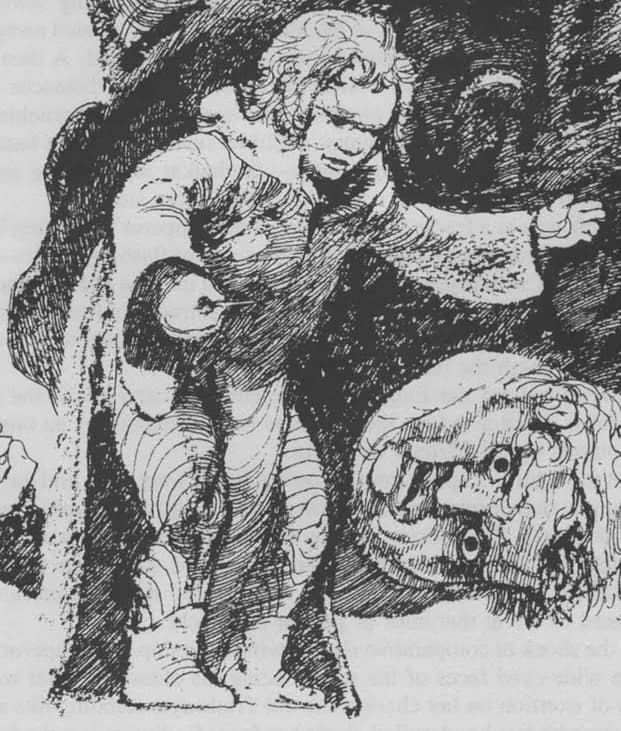
Alia Atreides was the preborn daughter of Duke Leto Atreides and Lady Jessica, sister to Paul. Granted full ancestral memory in the womb, she ruled the Atreides Empire as Regent before succumbing to possession by her Harkonnen grandfather and taking her own life.
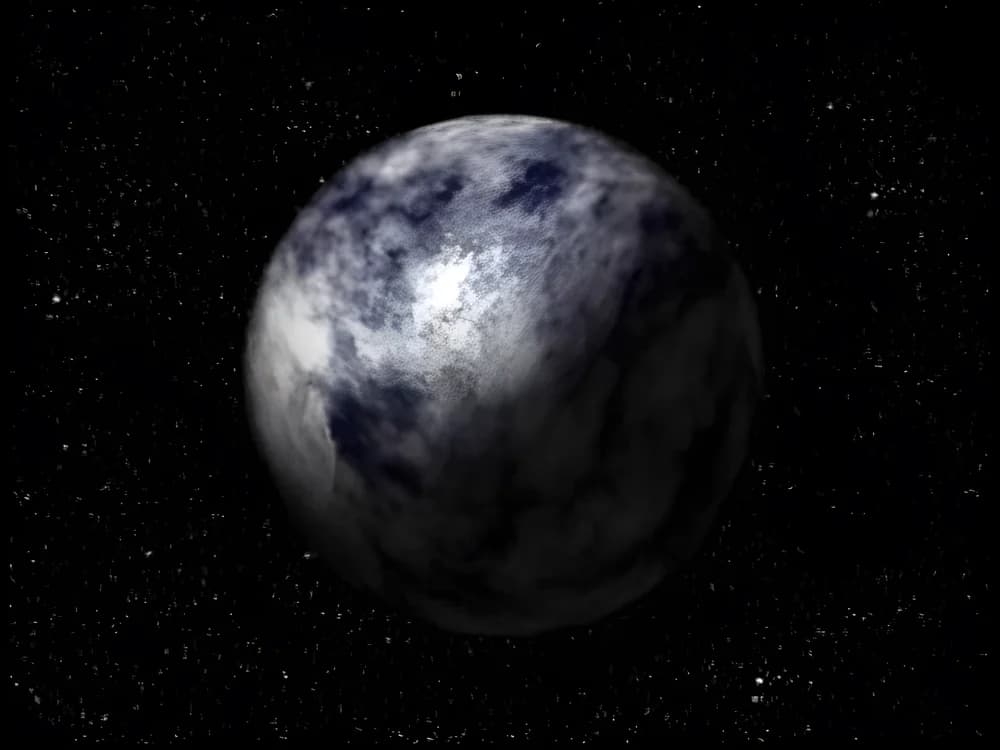
Caladan: the ocean world the Atreides left
A rain-soaked world orbiting Delta Pavonis, held by House Atreides for twenty generations. Paul was born there, before Arrakis.
Mentioned in5 entries
Dune Books in Order: Frank Herbert's Novels and Every Expanded Series
Every Dune novel in publication order and in story order, from Frank Herbert's six books to the prequels and sequels by Brian Herbert and Kevin J. Anderson. Plus where to start, which books you can skip, and how the films and TV series fit in.
Dune Ending Explained: the Book's Plot Summary and Final Chapter
The whole plot of Frank Herbert's Dune in order, from the gom jabbar on Caladan to the duel with Feyd-Rautha in Arrakeen, then a plain explanation of the final chapter, what Paul wins, what he can no longer stop, and where the rest of the series goes from there.
Guild Navigator
A Guild Navigator, also called a Steersman, was a spice-transformed human at the highest rung of Spacing Guild ambition. Saturated in melange within antigravity tanks, Navigators used prescience to guide Heighliners safely across the folds of space.
Paul vs Feyd-Rautha: the Duel in the Book and the Films
Paul Atreides kills Feyd-Rautha Harkonnen in a knife fight to the death at the end of Dune, in front of the Emperor. Here is how the duel plays out in Frank Herbert's novel, how Feyd cheats, why Paul refuses an easy win, and what Denis Villeneuve changed in Dune: Part Two.
Weirding way: the Bene Gesserit fighting art of Dune
The weirding way is what the Fremen call the Bene Gesserit way of fighting, built on total control of nerve and muscle. Jessica and Paul teach it to the Fremen in Dune. The 1984 film swapped it for sonic guns called weirding modules, which never appear in the books.
Get new articles in your inbox
No spam. New lore drops, canon conflicts, and deep dives only when they’re worth reading.
Some links on Lore Fortress are affiliate links. If you buy through them we earn a small commission at no extra cost to you.