Crysknife
the sacred blade of the Fremen
The crysknife was a knife made from the tooth of a sandworm, the primary weapon of the Fremen of Arrakis. Milky white and double-edged, it was sacred to its bearers and could not be sheathed once drawn until it had drawn blood.
A crysknife was a knife made from a tooth of the sandworms of Arrakis, and it served as the primary weapon of choice for the native Fremen. Sacred to its bearers, much tradition surrounded the blade. Frank Herbert's Dune introduces it when the housekeeper Mapes gives one to Lady Jessica. (Dune; Dune (appendix))
Description#
The crysknife was curved and double-edged like the kindjal, its blade some twenty centimeters long, milky white and iridescent, and fixed to a black handle with deep finger ridges below a slim ring that stood in place of a typical shearing guard. The blade was extremely sharp, and it typically glowed with its own faint light, reflecting ambient light in multiple directions. The tip of a crysknife was commonly poisoned, with an unnamed toxin residing in the tooth's former nerve channel. This poison was potent and fast-acting, as demonstrated when Leto Atreides II and Ghanima slew Laza tigers. (Dune; Children of Dune)
Crysknives came in two forms. The unfixed blade gradually disintegrated unless kept near the electrical field of a human body. The fixed blade was treated so that it could be placed in storage without disintegrating. (Dune (appendix))
Tradition and ritual#
The crysknife was sacred to the Fremen, and much tradition surrounded it. Once drawn, the blade could not be sheathed again until it had drawn blood. It was also forbidden for any outsider to lay eyes on an unsheathed crysknife and then leave Arrakis alive without first being cleansed through an elaborate ritual. (Dune)
Frequently asked questions
- What is a crysknife in Dune?
- A crysknife was a knife made from a tooth of the sandworms of Arrakis, and it served as the primary weapon of choice for the native Fremen. Sacred to its bearers, much tradition surrounded the blade.
- What did a crysknife look like?
- The crysknife was curved and double-edged like the kindjal, its blade some twenty centimeters long, milky white and iridescent, and fixed to a black handle with deep finger ridges. The blade was extremely sharp and typically glowed with its own faint light.
- What are the two forms of the crysknife?
- Crysknives came in two forms. The unfixed blade gradually disintegrated unless kept near the electrical field of a human body, while the fixed blade was treated so that it could be placed in storage without disintegrating.
- Was the crysknife poisoned?
- The tip of a crysknife was commonly poisoned, with an unnamed toxin residing in the tooth's former nerve channel. This poison was potent and fast-acting, as demonstrated when Leto Atreides II and Ghanima slew Laza tigers.
- Why was the crysknife sacred to the Fremen?
- The crysknife was sacred to the Fremen, and much tradition surrounded it. Once drawn, the blade could not be sheathed again until it had drawn blood, and it was forbidden for any outsider to lay eyes on an unsheathed crysknife and then leave Arrakis alive without first being cleansed through an elaborate ritual.
Gallery

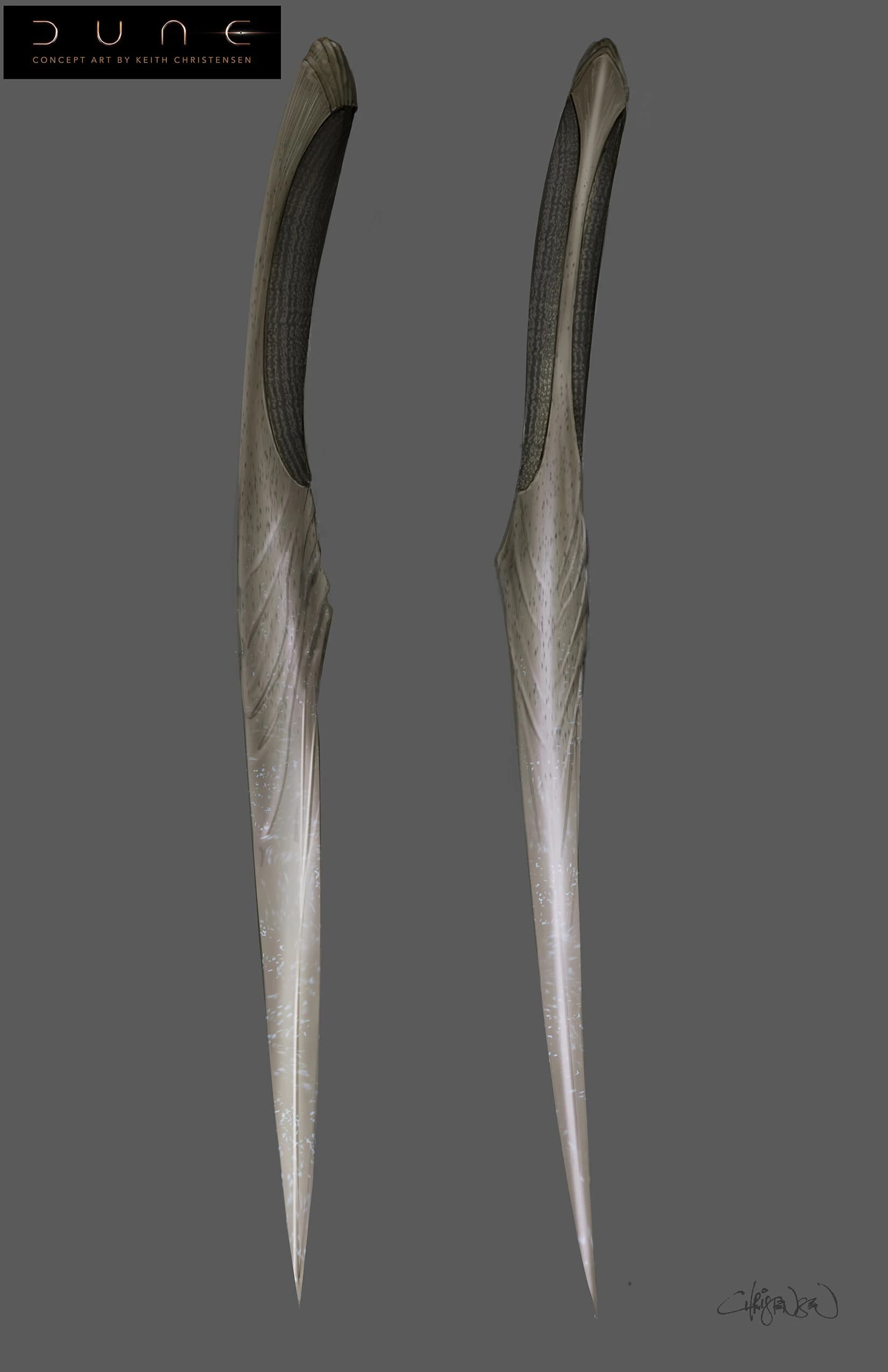
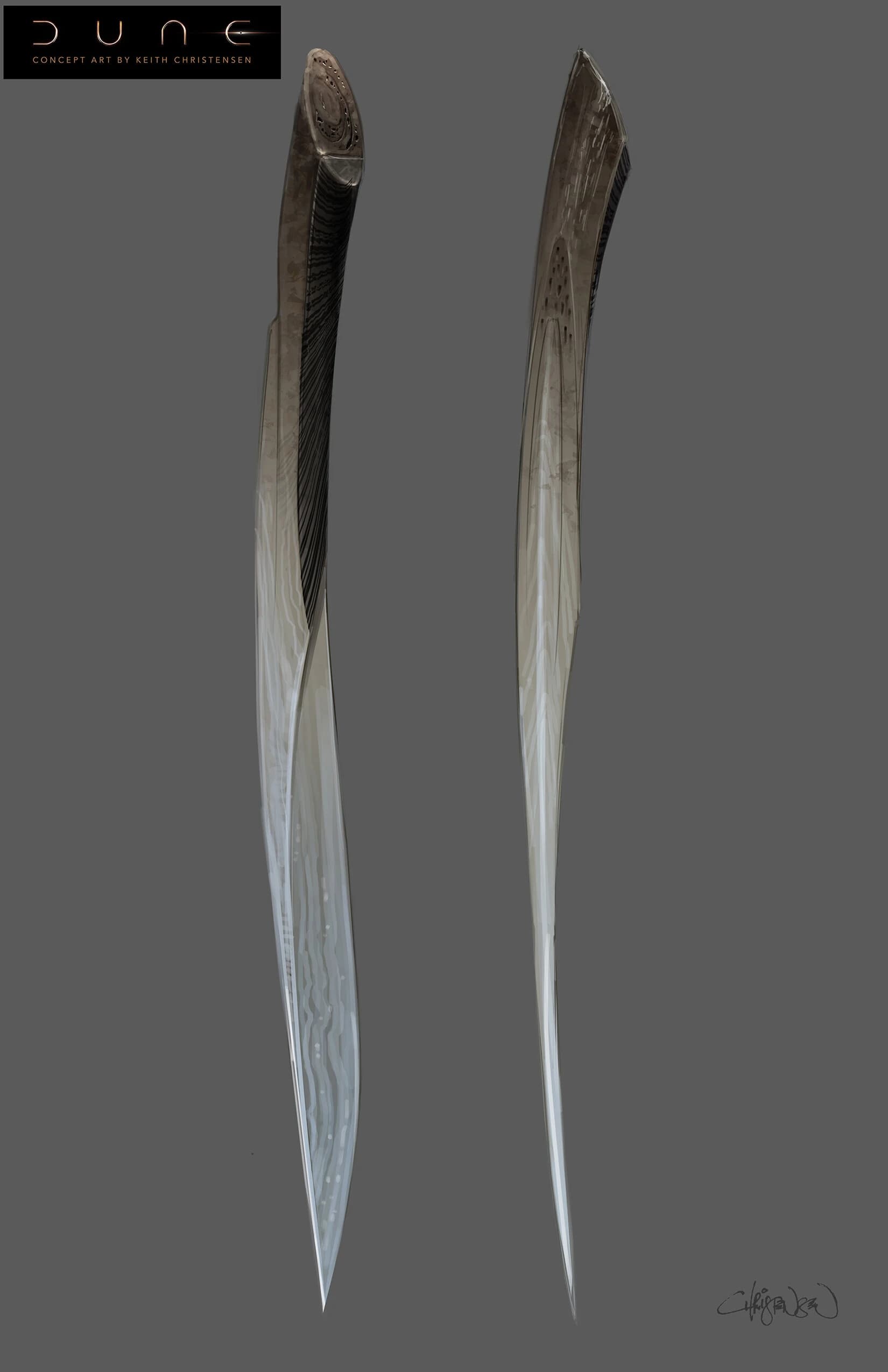
Images via Dune Wiki
Sources
- BookDune, Frank Herbert, 1965
- BookDune (appendix), Frank Herbert, 1965; the appendices and Terminology of the Imperium printed with Dune
- BookChildren of Dune, Frank Herbert, 1976
Spotted a factual error or a primary source we missed? Email a correction. Every flagged claim gets reviewed.
Followed from this entry
Arrakis
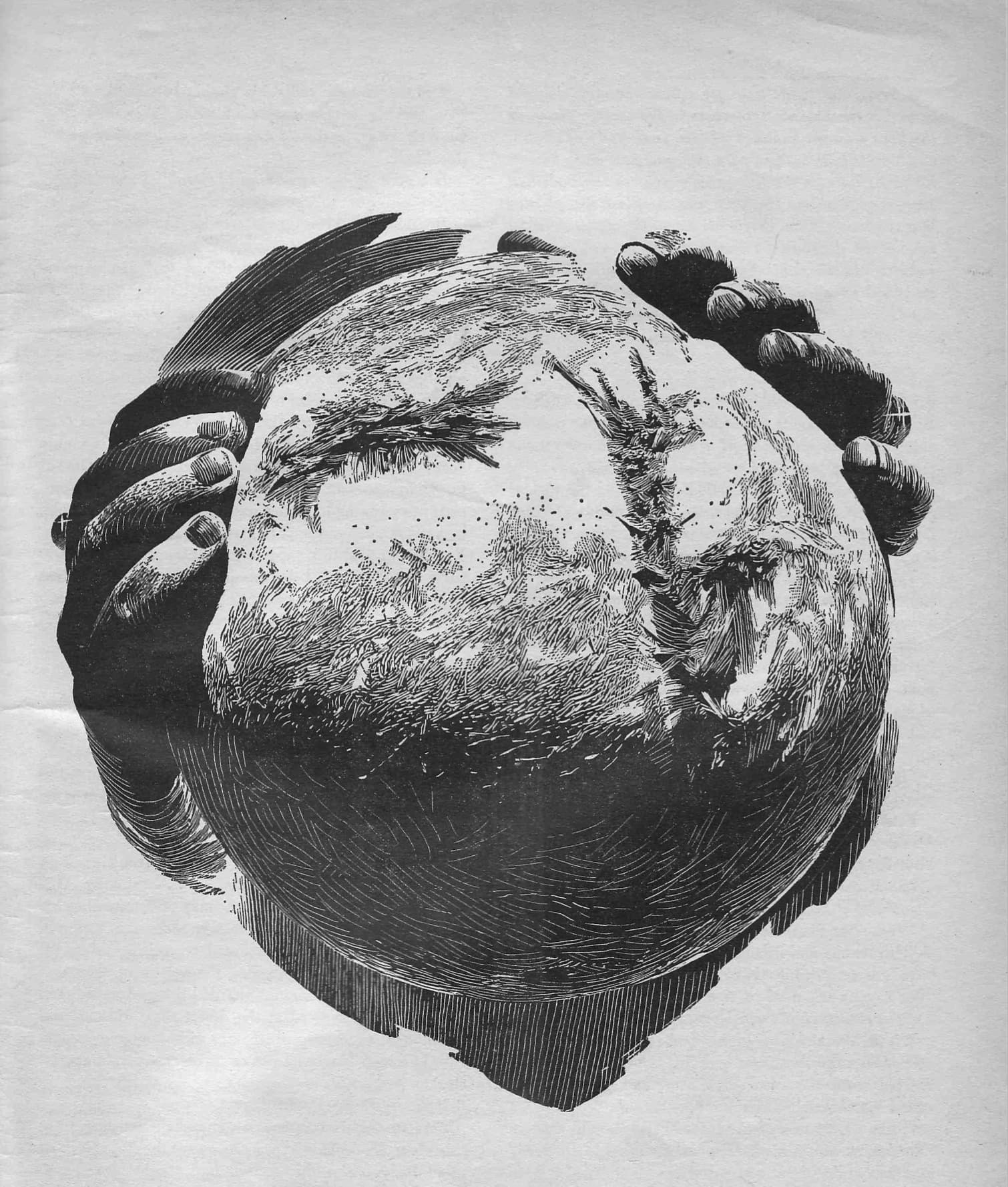
Arrakis, known as Dune and later as Rakis, was a harsh desert world in the Canopus system and the only natural source of the spice melange. Home to the Fremen and the sandworms, it became the seat of the Atreides empire and the center of the known universe.
Fremen
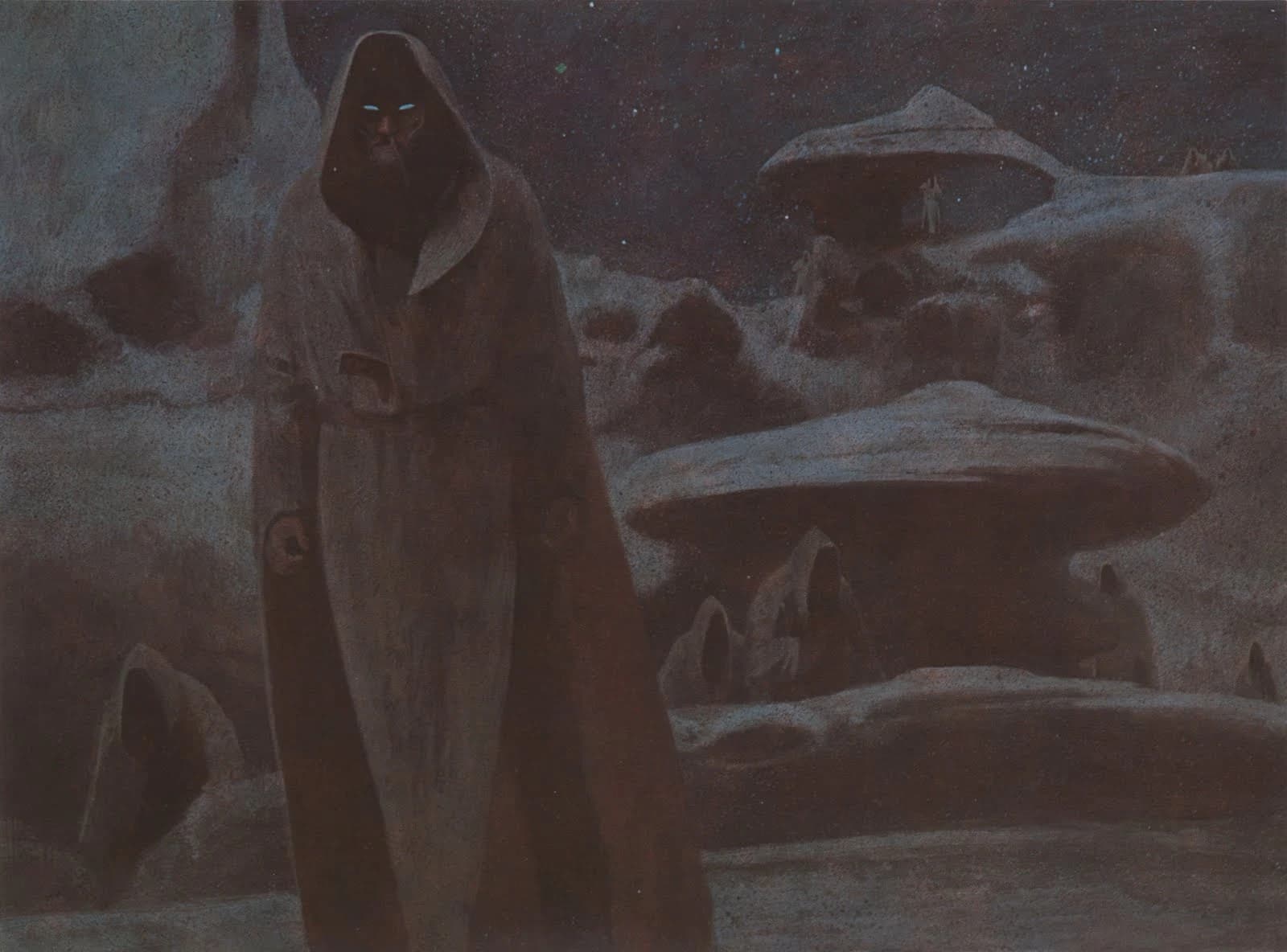
The Fremen were a culture of humans descended from the Zensunni Wanderers who made the desert planet Arrakis their home. Hardened by water scarcity and generations of persecution, they became the finest fighters in the Known Universe and the foot soldiers of Paul Atreides and his jihad.
Leto Atreides II
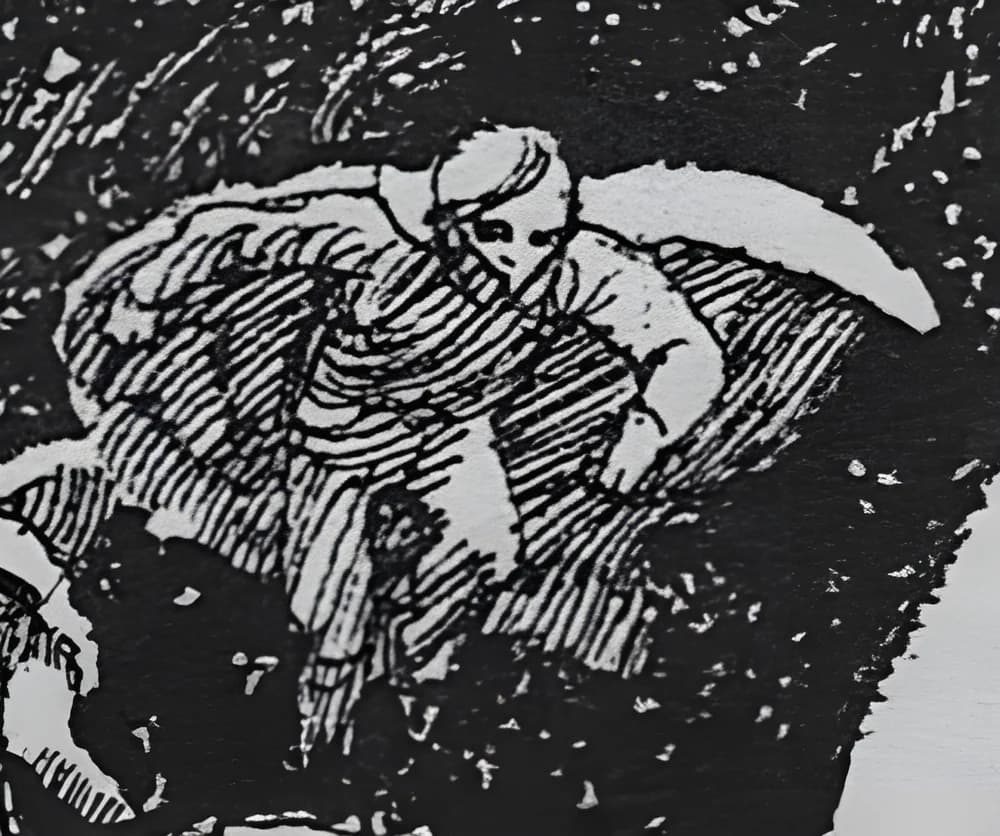
Leto Atreides II was the third and final ruler of the Atreides Empire and its first and only God Emperor. The pre-born son of Paul Muad'Dib, he bonded with a colony of sandtrout to gain near-immortality and ruled mankind for thirty five hundred years to set humanity upon the Golden Path.
Sandworm
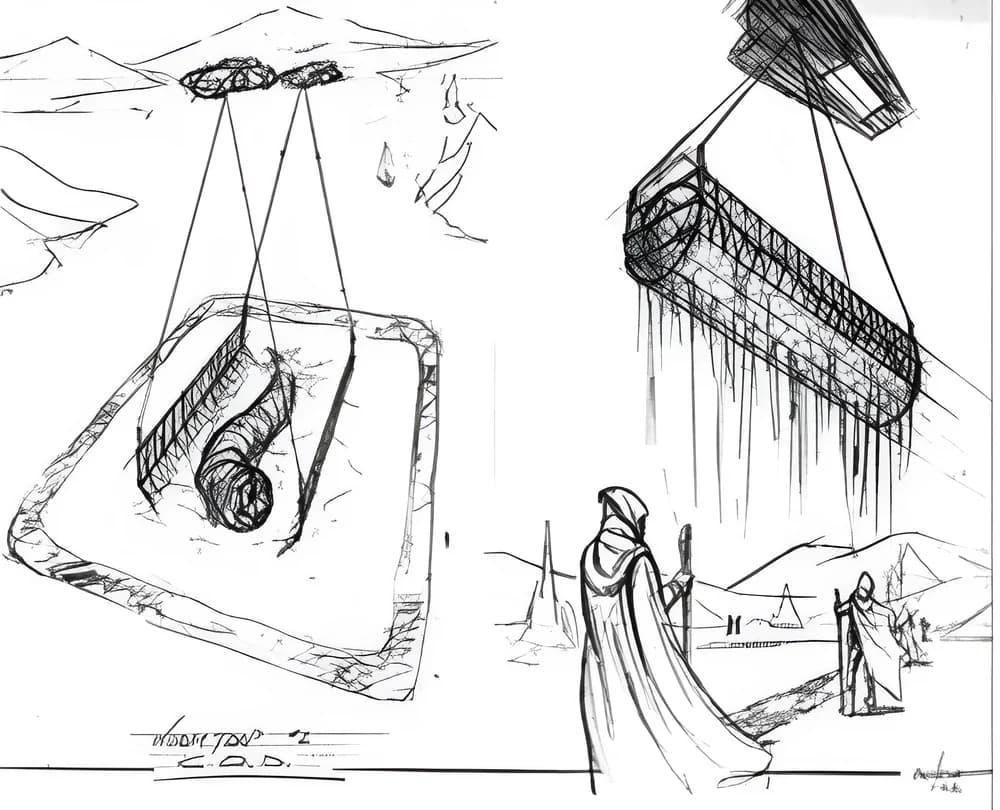
The sandworm was the colossal autotrophic animal of the deserts of Arrakis, honored by the Fremen as Shai-Hulud and feared across the Imperium. As the central organism in the lifecycle that produced the spice melange, it shaped the economy, religion, and history of the known universe.
Also in Fremen

Maula pistol: the Fremen poison-dart gun of Dune
The maula pistol is a spring-loaded gun that fires poison darts, with a range of about forty metres. It is a small detail in Frank Herbert's Dune, but it makes sense on Arrakis, where shields draw sandworms and an old-fashioned dart gun still kills.
Stilltent: the Fremen water-saving tent of Dune
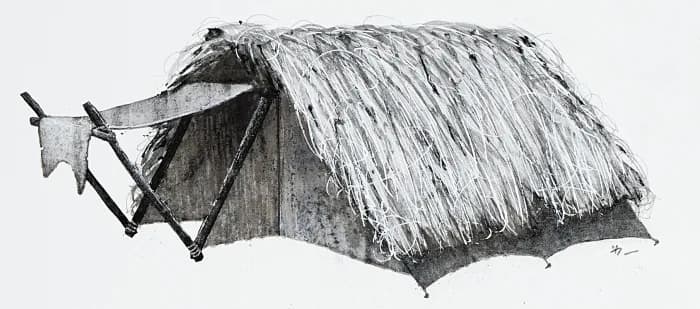
A stilltent is a small sealed tent that catches the moisture its occupants breathe out and turns it back into drinking water. It is the stillsuit's shelter-sized cousin, and in Dune it is where Paul Atreides first sees his future.
Mentioned in13 entries
Dune Ending Explained: the Book's Plot Summary and Final Chapter
The whole plot of Frank Herbert's Dune in order, from the gom jabbar on Caladan to the duel with Feyd-Rautha in Arrakeen, then a plain explanation of the final chapter, what Paul wins, what he can no longer stop, and where the rest of the series goes from there.
Dune: Part One Ending Explained
The whole story of Denis Villeneuve's Dune: Part One in order, from the Emperor's gift of Arrakis to the duel with Jamis in the deep desert, then a plain explanation of the ending and the main ways the film differs from Frank Herbert's novel.
Emperor's Blade: the Corrino dagger that shadowed Muad'Dib
The Emperor's Blade was a jewel hilted dagger handed down from Emperor to Emperor of House Corrino. Given to Duke Leto Atreides and returned, offered to Feyd Rautha for his death duel with Paul Atreides, and driven into Muad'Dib by Count Fenring, it ended its known history enshrined on Caladan, where the blood preserved on its edge yielded the clone Paolo.
Garun: Naib of the Museum Fremen
Garun was the Naib of Tuono, a village of Museum Fremen on Arrakis in the final years of the God Emperor Leto Atreides II. He played host to Duncan Idaho and Siona Atreides during their exile, was exposed by Idaho as a Fremen in costume only, and wanted nothing more than to become a true Fremen.
Jamis
Jamis was a fierce Fremen warrior of Sietch Tabr who challenged the young Paul Atreides to ritual combat when Paul and his mother first sought sanctuary among the Fremen. His death won Paul his sietch name and his place among the tribe.
Lisan al-Gaib: Meaning of the Fremen Prophecy in Dune
Lisan al-Gaib means "the Voice from the Outer World", the off-world prophet of Fremen legend. The Bene Gesserit planted the prophecy on Arrakis centuries before Paul Atreides arrived, and Paul and Jessica used it to survive among the Fremen.
Mapes: the Shadout of Arrakeen
The Shadout Mapes was the Fremen head housekeeper of the Imperial Residence at Arrakeen when House Atreides took stewardship of Arrakis. She tested the Lady Jessica against the Fremen prophecy, gifted her a crysknife, and was killed by the traitor Wellington Yueh on the night of the Harkonnen assault.
Maula pistol: the Fremen poison-dart gun of Dune
The maula pistol is a spring-loaded gun that fires poison darts, with a range of about forty metres. It is a small detail in Frank Herbert's Dune, but it makes sense on Arrakis, where shields draw sandworms and an old-fashioned dart gun still kills.
Pardot Kynes
Pardot Kynes was the Imperial Planetologist who first studied Arrakis, married into the Fremen, and gave them his dream of greening the desert. His vision of a transformed Dune would be carried on by his son Liet-Kynes.
Paul vs Feyd-Rautha: the Duel in the Book and the Films
Paul Atreides kills Feyd-Rautha Harkonnen in a knife fight to the death at the end of Dune, in front of the Emperor. Here is how the duel plays out in Frank Herbert's novel, how Feyd cheats, why Paul refuses an easy win, and what Denis Villeneuve changed in Dune: Part Two.
Projectile weapons: the old guns of the Imperium
Projectile weapons, firing miniaturised poisoned needles, bolts and darts, were the standard armament of the House Troopers and the militaries of the Imperium. The coming of the Holtzman shield made most of them obsolete, yet the maula pistol, the slow-pellet stunner and the assassin's dartgun endured wherever shields could not be worn.
Shadout Mapes
The Shadout Mapes was the Fremen head housekeeper of the Imperial Residence at Arrakeen when House Atreides took control of Arrakis. She gave Lady Jessica a crysknife in recognition of Fremen prophecy and died trying to warn Duke Leto of the betrayal.
+ 1 more
Get new articles in your inbox
No spam. New lore drops, canon conflicts, and deep dives only when they’re worth reading.
Some links on Lore Fortress are affiliate links. If you buy through them we earn a small commission at no extra cost to you.