Cobweb: faerie maid of Queen Titania
Cobweb was a faerie of Avalon, one of the male maids of Queen Titania and a member of the Goodfellows, the band of tricksters who ran with the young Mimir in the days when he was called Puck. He never reached the Norse realms, and his name survived there only in Mimir's recollections within Valhalla.
Cobweb of the Goodfellows was a faerie of Avalon, one of the male maids of Queen Titania and a companion of the band of tricksters who ran with Robin of the Goodfellows, the faerie who would one day be known across the Nine Realms as Mimir. He never appears on screen. His name turns up only once, when Mimir, travelling through Valhalla with Kratos, found himself reliving his years serving King Oberon and spoke of the friends he had left behind. (God of War Ragnarök: Valhalla)
A faerie of the Goodfellows#
Cobweb belonged to the Fae, the supernatural folk the games tie to Avalon in the Celtic Lands, home of Oberon and Titania. (God of War Ragnarök: Valhalla)
Within that household Cobweb ran with the Goodfellows, the crew of faerie folk that gathered around Robin Goodfellow, also called Puck, the quick tongued servant of King Oberon who would in a later age carry the name Mimir. By Mimir's own account the Goodfellows got into all manner of nonsense together, playing cruel tricks on unsuspecting mortals. He named Cobweb first when he listed the old crew, calling them a pack of ne'er-do-wells who greeted their former ringleader warmly. (God of War Ragnarök: Valhalla)
The queen's male maid#
The games say nothing more of Cobweb, so the rest of his story comes from Shakespeare's play. There he serves Queen Titania as one of her male maids together with Mustardseed, Moth, and Peaseblossom. The four worked for the comfort of their queen in all things. Their duties ranged from dewing her orbs upon the green to standing watch over her rest, and when Titania lay down to sleep the four sang a lullaby over her, charged with keeping every unpleasantness away from her bower, the spotted snakes, the spiders, and the beetles that might trouble a sleeping queen. Their protection had its limits, for while the faeries busied themselves against insects and small crawling beasts, Oberon was known to call far larger animals toward his wife's bower, leopards and boars and bears, one move among many in the long quarrel between the two rulers. (A Midsummer Night's Dream)
That quarrel shaped the court Cobweb served. Titania had forsworn the bed and company of her husband, and each ruler accused the other of infidelities, so that the marriage of the king and queen of the faeries was itself a love that did not run smoothly. The faeries of the household spoke of the discord openly, and even the work Puck did for Oberon was measured against the rift between their master and mistress. (A Midsummer Night's Dream)
The enchantment of Titania#
The feud came to a head when Oberon resolved to humiliate his queen. On the king's orders, Puck anointed the sleeping Titania with the juice of a magic flower whose power bent the affections of any who felt it, so that she would fall in love with something preposterous upon waking. The charm worked exactly as Oberon intended. Titania opened her eyes upon the weaver Bottom, a mortal wearing the head of an ass, and loved him on sight. (A Midsummer Night's Dream)
Besotted, the queen appointed her four faeries, Peaseblossom, Cobweb, Moth, and Mustardseed, to wait upon the needs of her new lover. Bottom took their service in the plainest way imaginable. Where Titania spoke to him in graceful language full of dewberries, painted butterflies, and moonbeams, the weaver simply matched each faerie to the task its name suggested, treating Mustardseed as no more than a spice for his beef, and marking Cobweb as a useful acquaintance should he ever cut his finger, since cobwebs served to stanch minor bleeding. His coarse speech wore on the poetic queen, who bade her faeries tie up her lover's tongue and bring him to her bower, and she offered him besides the soothing music her attendants could provide. Cobweb and his fellows served the ass headed mortal for as long as the flower's magic held, until the charm was undone and the queen was released from her absurd devotion. (A Midsummer Night's Dream)
Remembered in Valhalla#
Back in the games, Puck left Oberon's service and the domain of the Fae and made his way into the Nine Realms, where he took the name Mimir, served Odin, and was in time freed from imprisonment by Kratos and Atreus. What became of Cobweb after that is never said. (God of War (2018); God of War Ragnarök: Valhalla)
Yet Cobweb was not wholly forgotten. When Mimir accompanied Kratos into Valhalla, the place set him reliving his own past, and among the memories it brought back were his years living in the forest in the service of King Oberon, alongside his crew of faerie folk such as Cobweb and Mustardseed. Prompted by what the halls had shown him, Mimir told Kratos of his misadventures from the days when he answered to Puck and Robin of the Goodfellows, of the nonsense the crew had gotten into and the cruel tricks they had played on unsuspecting mortals. It is the only time the games mention Cobweb, a small faerie of Avalon surviving in the memory of the smartest man alive. (God of War Ragnarök: Valhalla)
Sources
- GameGod of War (2018), Santa Monica Studio, 2018
- GameGod of War Ragnarök: Valhalla, Santa Monica Studio, 2023
- BookA Midsummer Night's Dream, William Shakespeare, around 1595
Spotted a factual error or a primary source we missed? Email a correction. Every flagged claim gets reviewed.
Followed from this entry
Titania: Queen of the Faeries
Titania was the Queen of the Faeries, wife of King Oberon and mistress of Avalon in the Celtic Lands. She endured a bitter marriage to a cruel husband, and her name reached the Norse realms only through the memories of Mimir, the faerie once called Puck who had served her tormentor.
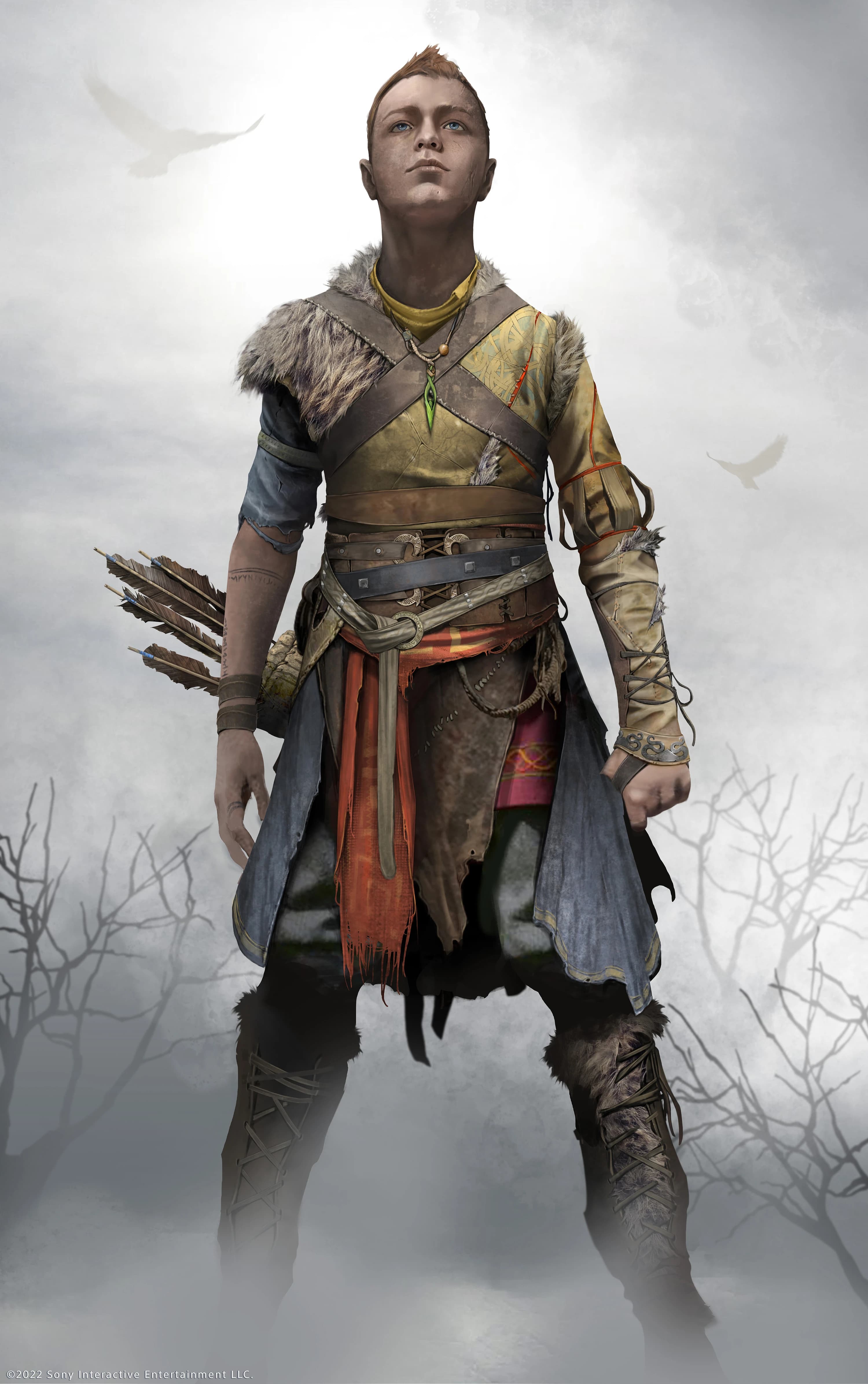
Atreus (Loki): Kratos's Son and the Truth of His Name
Atreus was the son of Kratos and the Jotunn Faye, born in Midgard and given the hidden name Loki. Across two great journeys he grew from a sickly boy into the prophesied champion of the Giants, the god of mischief whose fate was bound to Ragnarok.
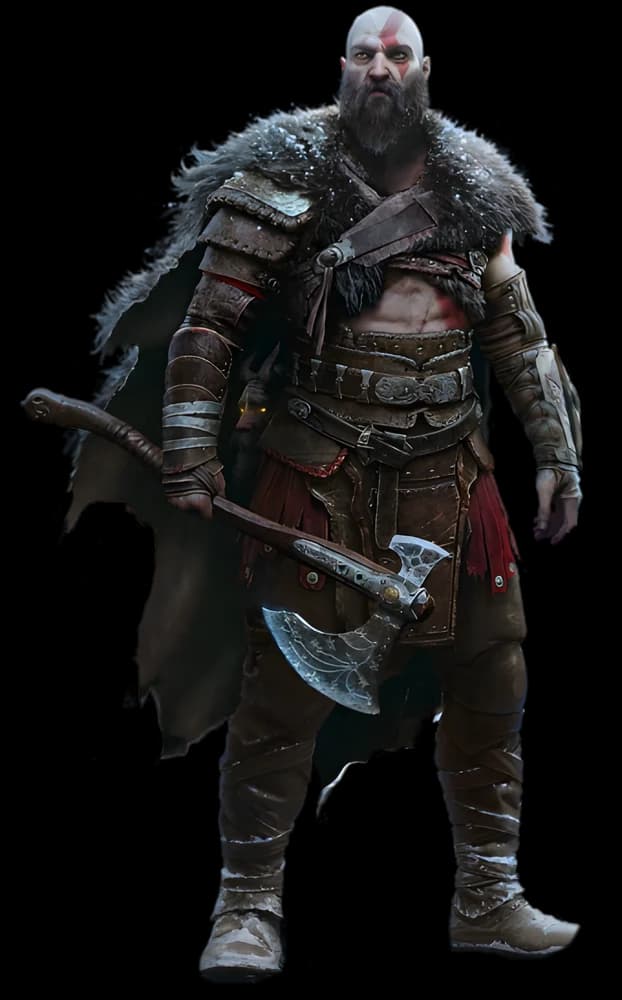
Kratos
Kratos was the demigod son of Zeus who rose from a Spartan general to the Greek God of War, destroyed the pantheon of Olympus in a quest for vengeance, and then began again in the Norse realms as a father seeking to leave his bloody past behind.
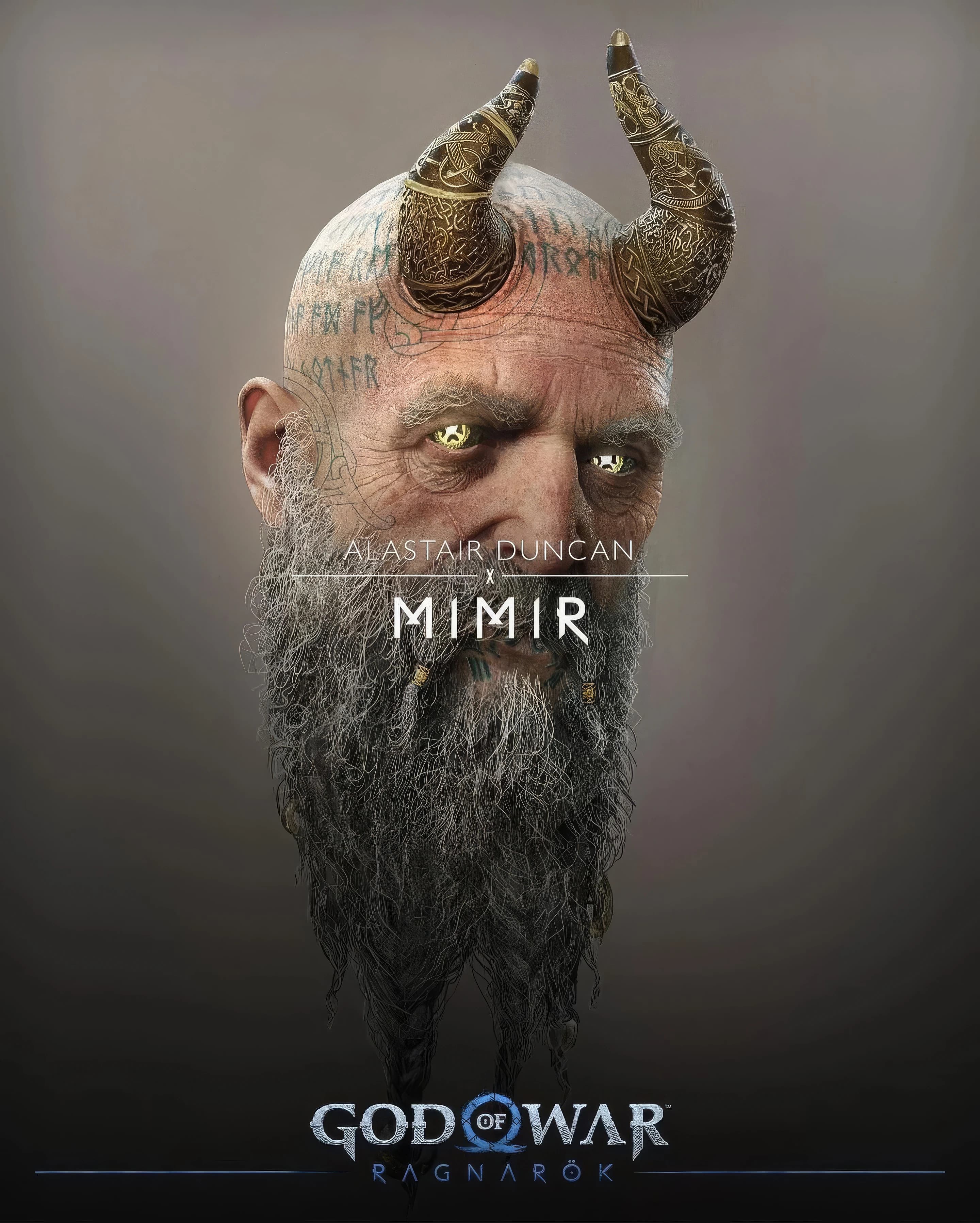
Mimir
Mimir was a Celtic fae who rose to become Odin's advisor and the ambassador of the Aesir before the All-Father imprisoned him for over a century. Freed and reanimated as a disembodied head by Kratos and Atreus, he became their guide, conscience, and friend across the Nine Realms.
Oberon
Oberon was the High King of the Fae, a capricious and cruel monarch of Fairyland. His fickle favor drove his servant Mimir to flee the realm of the Fae, a flight that carried Mimir into the Nine Realms.
Avalon
Avalon was a hidden land of the Fae far from the Nine Realms, ruled by the faerie King Oberon and his queen Titania. It was the homeland of Mimir before he wandered into the Norse world, a place of mischief, magic, and the Goodfellows.
Mentioned in1 entry
Get new articles in your inbox
No spam. New lore drops, canon conflicts, and deep dives only when they’re worth reading.
Some links on Lore Fortress are affiliate links. If you buy through them we earn a small commission at no extra cost to you.