Petros: the Krypteia of Sparta
the lone operative of the Laconian shadows
Petros, known to most only as the Krypteia, was a Spartan special operative who hunted alone and unseen across the Laconian lands. He crossed paths with the young Kratos and Deimos on Mount Taygetos and pressed upon them his own brutal philosophy of war.
Petros, known to nearly everyone only as the Krypteia, was a Spartan special operative who moved alone and unseen through the Laconian lands in the service of causes deemed vital to Sparta. He crossed the path of the young Kratos and his brother Deimos on Mount Taygetos and gave them both his knives and his uncompromising counsel on what it meant to wage war. (God of War Sons of Sparta)
The lone operative#
The Krypteia were operatives who patrolled the Laconian lands in service of covert causes deemed vital to Spartan interests. Where most Spartan training stressed the unit and the phalanx, the Krypteia worked alone, and most often unseen. They were a rare sort to befriend, seldom in a position to be forthcoming, but one willing to offer counsel was certain to hold an unconventional view of the world. (God of War Sons of Sparta)
Petros was one such operative. He carried throwing knives and moved through the wilderness of Laconia unnoticed, observing far more than he was seen. (God of War Sons of Sparta)
Meeting Kratos and Deimos#
While Kratos and Deimos searched the slopes of Mount Taygetos for a missing boy, they found a man waiting. Deimos asked whether he was following them, and Kratos recognised him at once as the Krypteia. The operative admitted he had watched them defeat a cyclops and a stymphalian bird, and knew of their search. When Kratos tried to deny it, the Krypteia told him not to lie, for it dishonoured Kratos and insulted him. He made clear he was not the Agoge and would not judge them; a man had to make his own choices, but be prepared to live with the consequences. As he left, Kratos called after him that he had forgotten his knives, but the Krypteia answered that they were Kratos's knives now, for he would need them. (God of War Sons of Sparta)
They met again in the Passage of Monuments, where Deimos repeated a rumour that only the Krypteia kept Sparta safe. The operative answered that keeping Sparta safe was every Spartan's duty, and that those who held an Eiren's pass were trusted both to survive and to know their duty when they saw it. To avoid a fight, he said, was a danger best left to someone less prepared. (God of War Sons of Sparta)
The philosophy of war#
Over their further meetings the Krypteia laid out a hard creed. When Kratos spoke of watching over his brother, the Krypteia told him that every man beside him was his brother, and that to look out for only one was to weaken the whole; by shielding Deimos he would leave another soldier exposed. Kratos answered that Deimos was the only family he had besides his mother, but the Krypteia insisted Deimos was a soldier like the rest. (God of War Sons of Sparta)
Pressed on his reputation for fighting more brutally than necessary, for burning villages and attacking from the shadows, the Krypteia asked who decided what was necessary, and answered that an enemy must be taught that standing against Sparta invited annihilation. Fairness, he said, belonged to competition and trade, not to war. Battle was no contest or sport; there were no rules and no judges to ensure a fair fight, and the only goal was to survive, which could mean hitting first, unseen, and leaving nothing behind but bodies. (God of War Sons of Sparta)
When Kratos confided his worry that Deimos was not ready for the trial of the Artemis Cradle, the Krypteia counselled him to fix his focus on someone who meant something to him and to be strong for that person, for it would ease both their pain. To endure the Cradle, he added, was the mark of a true Spartan. At their last meeting Kratos admitted he was not sure he agreed with the operative, and the Krypteia said he was glad of it, for he would have been disappointed otherwise. They were young, he said, and still saw war as something to be shaped to their ideals, but one day each would have to choose to join the Spartan army or to walk alone and do what must be done. Which path was better depended on the man, but whichever they took, they had to be able to live with the man they became. (God of War Sons of Sparta)
Frequently asked questions
- Who was Petros in God of War?
- Petros, almost always called simply the Krypteia, was a Spartan special operative who patrolled the Laconian lands alone and unseen in service of causes deemed vital to Spartan interests. He met the young Kratos and his brother Deimos during their search for a missing boy on Mount Taygetos.
- What did the Krypteia teach Kratos?
- The Krypteia pressed a harsh philosophy upon Kratos: that war is no contest of skill with rules or judges, but a matter of survival by any means, including striking first and unseen. He also warned Kratos that shielding his brother Deimos alone would only leave another soldier exposed, since every Spartan beside him was his brother.
Sources
- GameGod of War Sons of Sparta, Mega Cat Studios and Santa Monica Studio, 2026
Spotted a factual error or a primary source we missed? Email a correction. Every flagged claim gets reviewed.
Followed from this entry
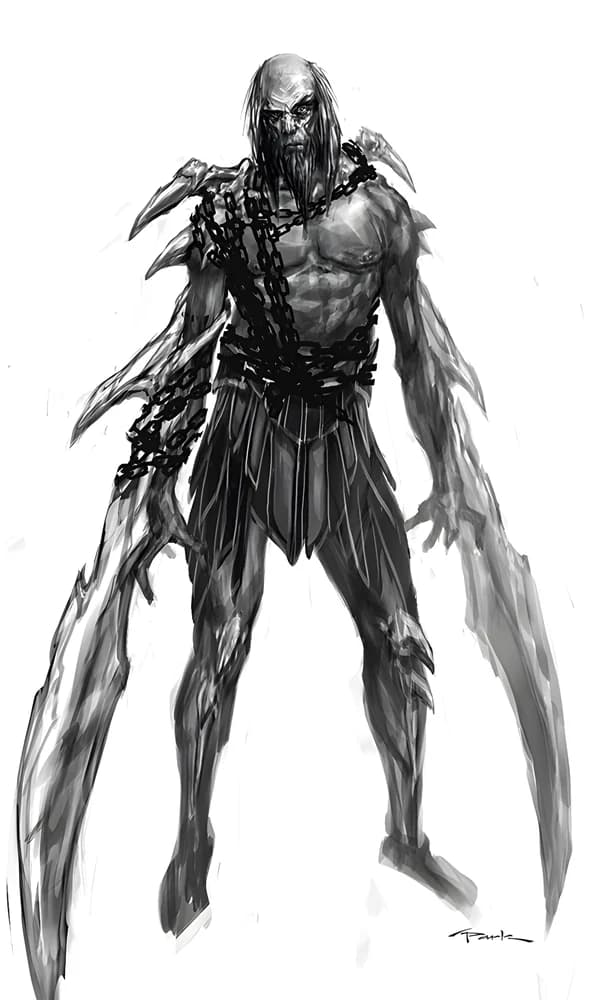
Deimos: the brother Kratos failed to save
Ares and Athena seized Deimos as a boy because his birthmark matched the prophecy of the Marked Warrior. Thanatos crushed him at Suicide Bluffs.
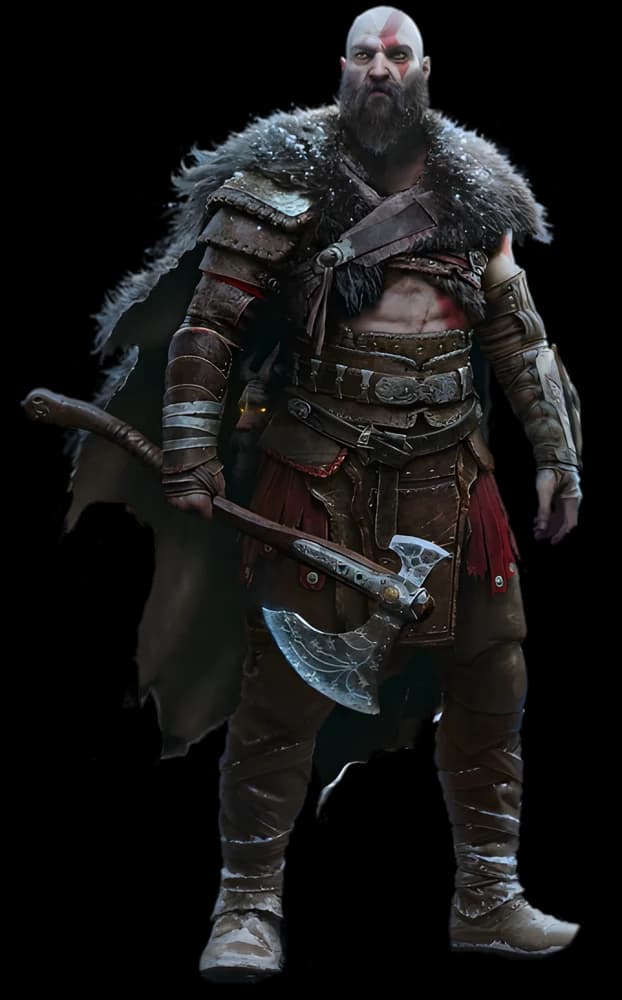
Kratos
Kratos was the demigod son of Zeus who rose from a Spartan general to the Greek God of War, destroyed the pantheon of Olympus in a quest for vengeance, and then began again in the Norse realms as a father seeking to leave his bloody past behind.

Artemis
Artemis was the Olympian Goddess of the Hunt, daughter of Zeus and twin sister of Apollo. When Ares besieged Athens, she turned the beasts of the wild against his armies, and later gave Kratos the Blade of Artemis, a weapon she had wielded against the Titans, to aid him in the conquest of Pandora's Temple.
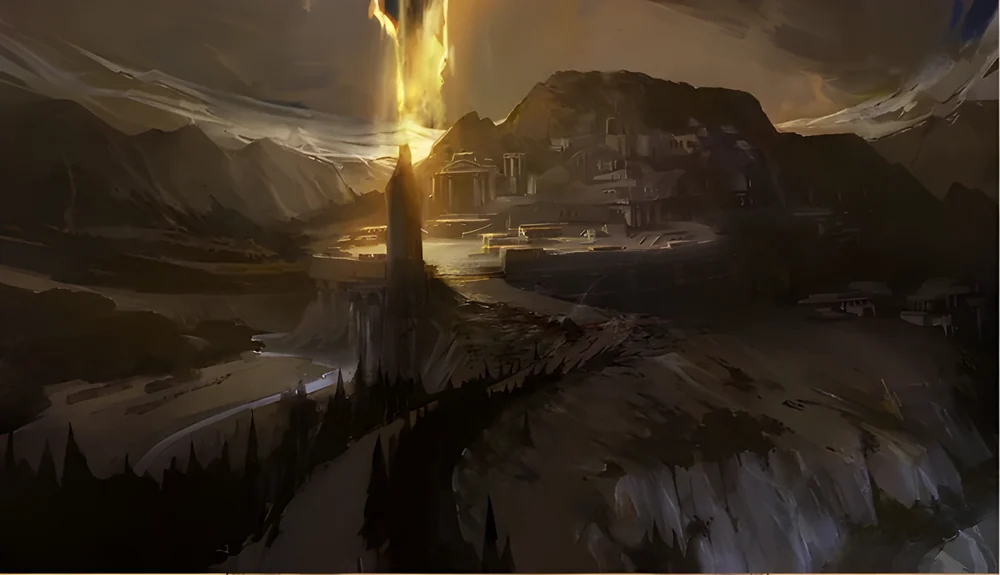
Sparta: Kratos' city, razed by Zeus
Sparta raised Kratos, worshipped Ares, then took Kratos himself as its patron god. Zeus destroyed the city in revenge for the Spartan's defiance.
Also in Greek Era
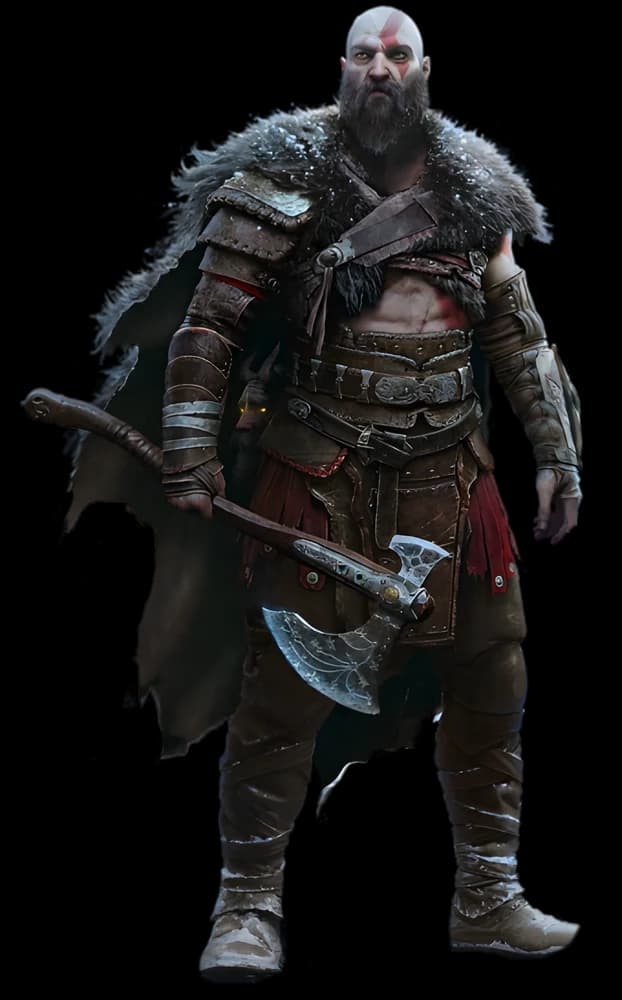
Is Kratos Immortal?
Kratos is a god, so he won't die of age or illness, but he isn't unkillable. He has been killed more than once and come back, and he has survived things that should have ended him. Here is what the games show about how hard he is to kill.
Kratos's Wives: Lysandra and Faye
Kratos has had two wives. Lysandra, his Spartan first wife, died by his own hand in a temple Ares sent him to burn. Faye, the giant Laufey, married him in Midgard, raised Atreus and planned her own funeral. Here is each marriage, how each ended, and how they shaped him.
Get new articles in your inbox
No spam. New lore drops, canon conflicts, and deep dives only when they’re worth reading.
Some links on Lore Fortress are affiliate links. If you buy through them we earn a small commission at no extra cost to you.