How Did Shepard Not Get Indoctrinated?
The games never say Shepard is immune to indoctrination. Shepard just never spends long enough near Reaper technology for it to take hold. Here's what the trilogy shows, what the Indoctrination Theory claims, and what the Extended Cut did to that theory.
The games never explain it, because they never treat Shepard as immune. Commander Shepard runs into Reaper technology again and again, but only for short spells, and indoctrination in Mass Effect is slow: it wears a mind down over days of exposure. The one big exception, the idea that Shepard was being indoctrinated during the final mission of Mass Effect 3, is a fan theory that BioWare never confirmed. (Mass Effect; Mass Effect 3)
How indoctrination works#
The first game sets the rules. A Reaper, or a piece of its technology, gives off a field that works on the mind of anyone nearby. Victims get headaches, hear things and grow paranoid, and after long enough they simply obey. Saren explains that the more completely a Reaper controls someone, the less useful that person becomes. Matriarch Benezia held part of her mind back from Sovereign, but only for a while, and she tells Shepard she'll never be herself again. (Mass Effect)
That's the key point. Indoctrination isn't a single hit. It builds with time spent near the source, and the strongest minds only slow it down. (Mass Effect; Mass Effect 3)
Every time Shepard got close#
Shepard's exposure is real but short. On Virmire the Commander speaks with Sovereign directly through a device in Saren's base, then leaves. In the Arrival add-on for Mass Effect 2, Dr. Amanda Kenson shows Shepard Object Rho, a Reaper artifact her team has been studying. Shepard asks how they avoided indoctrination, and Kenson says they've been careful. They haven't: the artifact throws Shepard a vision of the Reaper fleet and knocks the Commander down, and Kenson and her staff turn out to be indoctrinated. Shepard escapes, destroys the relay and tells Admiral Hackett afterwards that the visions have stopped. (Mass Effect; Mass Effect 2: Arrival)
The contrast is the answer the games actually give. Kenson's team lived beside Object Rho. Shepard was in the room for minutes. (Mass Effect 2: Arrival)
In Mass Effect 3 the closest Shepard comes is the Citadel, where the Illusive Man, rebuilt with Reaper technology, takes control of Shepard's and Anderson's bodies. That's direct physical control, not the slow kind, and if the player can make the Paragon choice, Shepard talks him into seeing that he's the one who has been indoctrinated. (Mass Effect 3)
Our reading, and only a reading: Shepard never stays still long enough. Every Reaper encounter in the trilogy ends with Shepard leaving, winning or destroying the thing. No line in any game claims Shepard has a stronger will than anyone else. (Mass Effect; Mass Effect 2: Arrival; Mass Effect 3)
The Indoctrination Theory (a fan theory)#
After Mass Effect 3 came out in March 2012, a popular fan theory argued the opposite: that Shepard was being indoctrinated all along, and the ending is the Reapers' final push. Everything after Harbinger's beam hits Shepard in London, the theory says, happens in Shepard's head. Fans point to things the game really does show. Shepard has recurring nightmares about the boy seen dying on Earth in the opening, and the Catalyst appears in that same boy's form. If the war effort is high enough and the player picks Destroy, a final shot shows Shepard taking a breath in rubble. (Mass Effect 3)
In the theory, Control and Synthesis are Shepard giving in, Destroy is Shepard rejecting the Reapers, and the breath is Shepard waking up on Earth. It's an interpretation built from those details. The game never confirms it. (Mass Effect 3)
What the Extended Cut says#
BioWare's answer to the backlash was the Extended Cut, a free update released on 26 June 2012. Before it came out, BioWare's blog said it would add scenes and epilogues to the existing endings, that it wasn't a new ending, and that no further ending DLC was planned. (BioWare Blog, Mass Effect 3 Extended Cut FAQ)
What it added treats the endings as real. A new scene shows Shepard's squad either cut down by Harbinger or wounded and picked up by the Normandy before the final run, which explains how they end up on the ship. The Catalyst gets more dialogue, a fourth choice lets Shepard refuse, and each choice gets an epilogue showing what happens to the galaxy afterwards. None of that fits neatly with "it was all a dream", although some fans still read it that way. BioWare never endorsed the theory. The page on what happened to Shepard after Mass Effect 3 covers each ending's outcome. (Mass Effect 3: Extended Cut)
Read more: indoctrination in full, and the Mass Effect 3 ending explained. (Mass Effect 3)
Frequently asked questions
- Is Shepard immune to indoctrination?
- The games never say so. Shepard is exposed to Reaper technology several times but only briefly, and indoctrination in Mass Effect works slowly, over days of exposure. No character ever states that Shepard has a special resistance.
- Was Shepard indoctrinated in Mass Effect 3?
- Not according to anything the game confirms. The idea that Shepard was being indoctrinated during the ending is the Indoctrination Theory, a fan theory. BioWare never confirmed it, and the Extended Cut presents the endings as real events.
- What is the Indoctrination Theory?
- A fan theory that everything after Harbinger's beam hits Shepard in London is a Reaper attempt to indoctrinate the Commander. In that reading, Control and Synthesis mean Shepard gives in, Destroy means Shepard fights it off, and the breath in the rubble is Shepard waking up.
- Did the Illusive Man control Shepard?
- Briefly, yes. On the Citadel at the end of Mass Effect 3 the Illusive Man uses his Reaper upgrades to take control of Shepard's and Anderson's bodies. It's physical control rather than indoctrination, and Shepard can talk him into seeing that he is the one who has been indoctrinated.
Sources
- GameMass Effect, BioWare, 2007
- GameMass Effect 2: Arrival, BioWare, 2011
- GameMass Effect 3, BioWare, 2012
- GameMass Effect 3: Extended Cut, BioWare, 2012 (free ending update)
- WebBioWare Blog, Mass Effect 3 Extended Cut FAQ, "Mass Effect 3 Extended Cut", BioWare Blog, 5 April 2012 (archived copy)
Spotted a factual error or a primary source we missed? Email a correction. Every flagged claim gets reviewed.
Followed from this entry
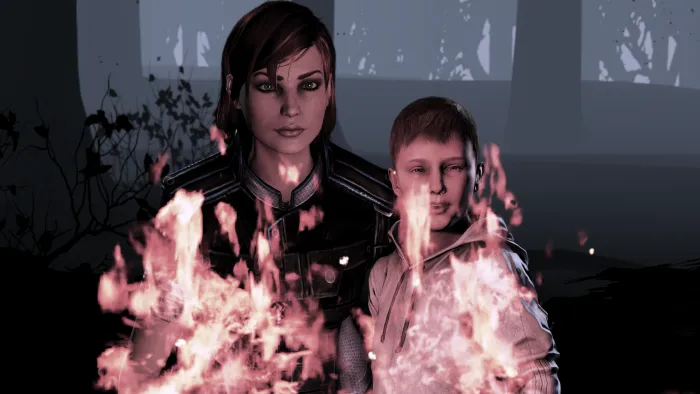
What Happened to Shepard After Mass Effect 3? Every Ending
It depends on the ending. Shepard dies in Control, Synthesis and Refuse, and can survive only in Destroy, with a strong enough war effort. Here's what happens to Shepard in each ending, what the epilogues show and what later games have said.
Mass Effect 3 Story and Ending Explained: Destroy, Control, Synthesis and Refuse
The Mass Effect 3 story in order and every ending explained: what the Catalyst is, what Destroy, Control, Synthesis and Refuse each do, and what the Extended Cut changed.
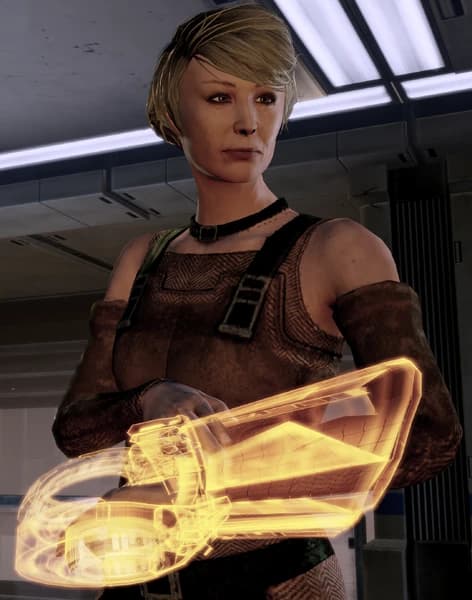
Amanda Kenson: Scientist of the Bahak System
Doctor Amanda Kenson was a human scientist whose research suggested the mass relays predated the Protheans. Investigating evidence of an imminent Reaper invasion in a batarian system, she was indoctrinated by a Reaper artifact and turned against the very Commander Shepard sent to rescue her.
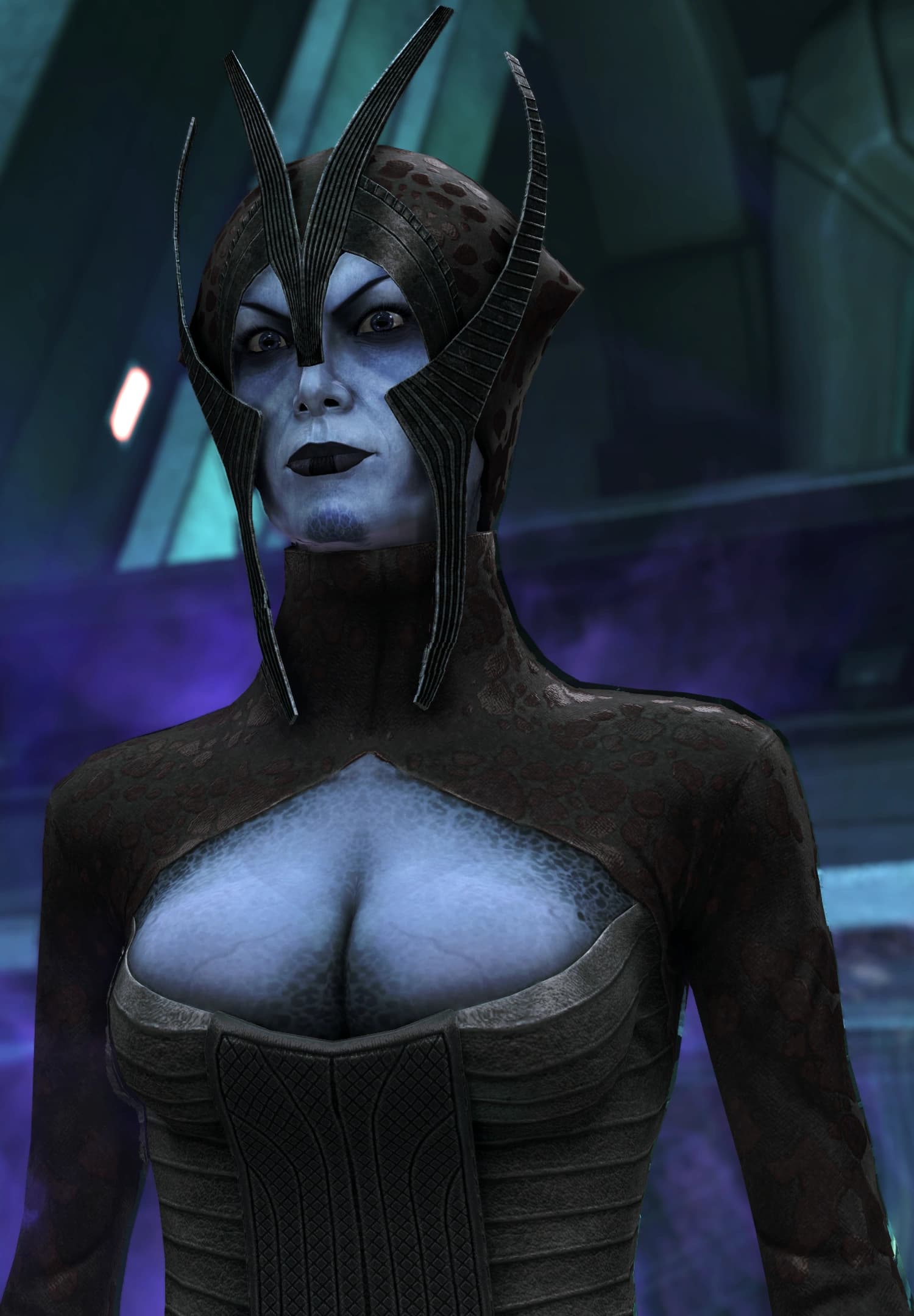
Matriarch Benezia
Matriarch Benezia was a powerful asari biotic and revered spiritual leader, mother to the archaeologist Liara T'Soni. When she was found allied with Saren Arterius, those who knew her were stunned, until it emerged that she had been enslaved by the indoctrinating power of the Reaper Sovereign.
Commander Shepard
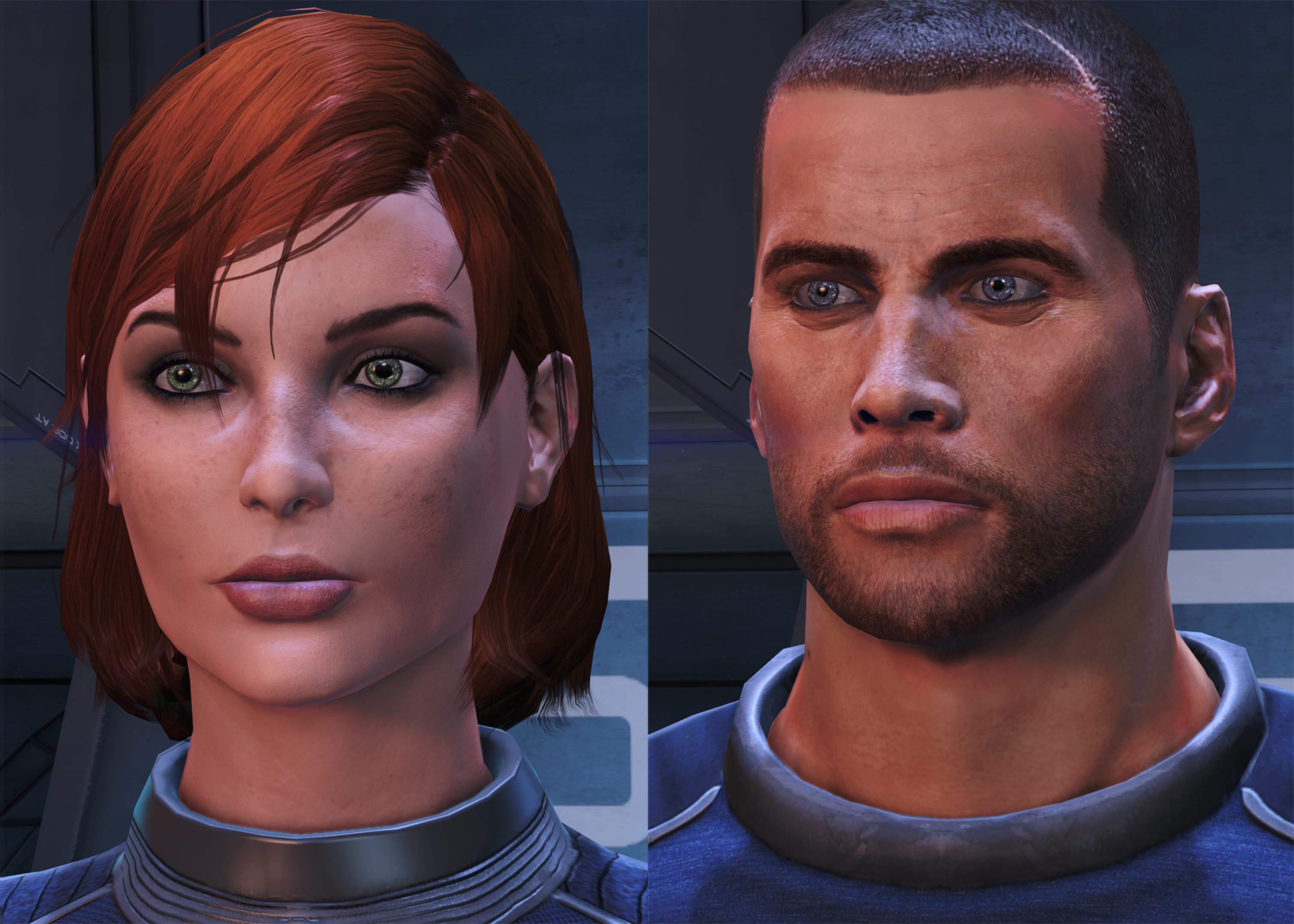
Commander Shepard was a Systems Alliance N7 marine who became the first human Spectre, exposed the rogue agent Saren Arterius, and led the galaxy's resistance against the Reapers. Shepard's gender, history, and many of the choices that shaped the war were never fixed, and the final fate of the cycle turned on the Commander's own decisions.
David Anderson
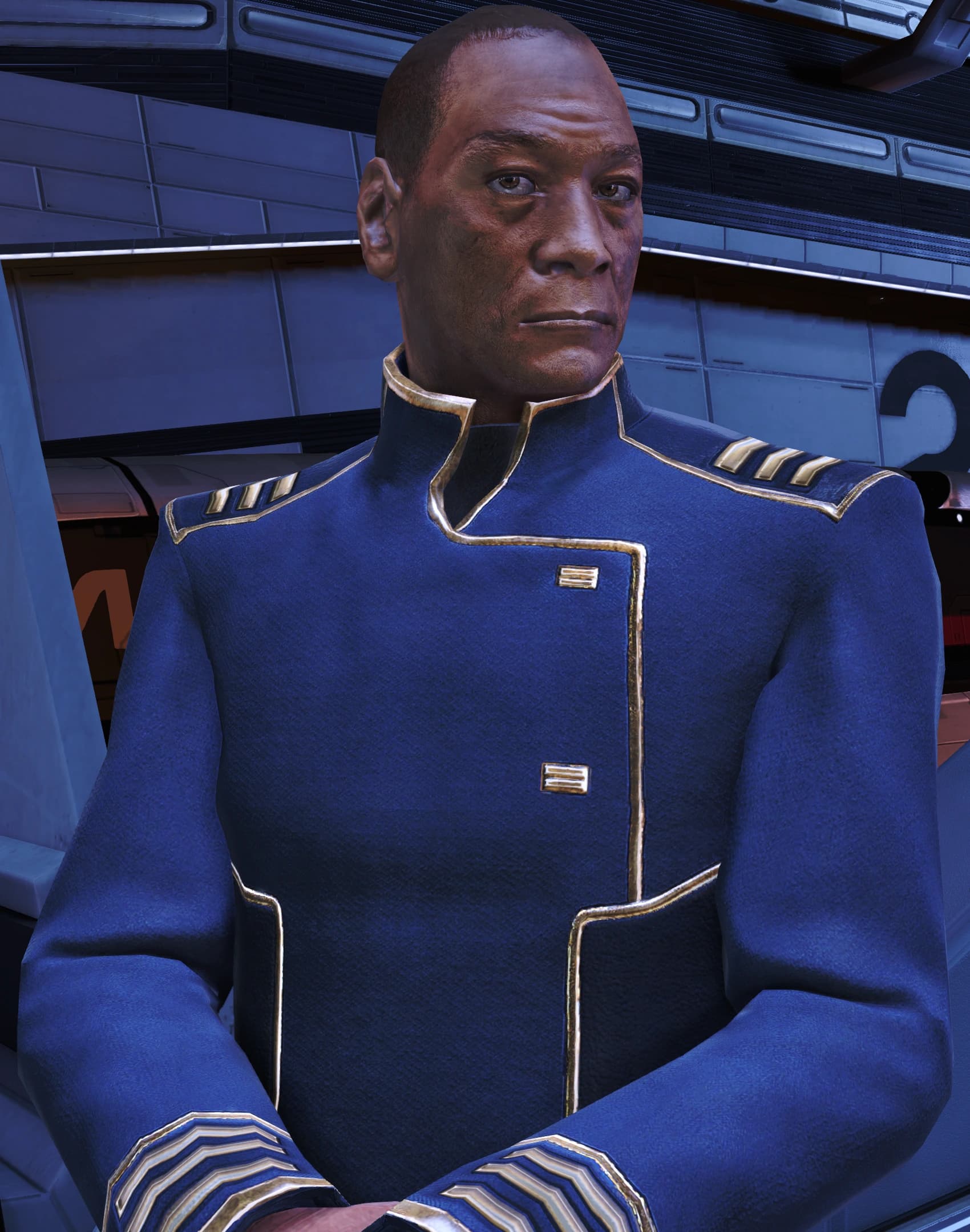
David Anderson was a decorated Systems Alliance officer, the first captain of the Normandy, and a mentor to Commander Shepard. When the Reapers invaded Earth, he stayed behind to lead its resistance, and he stood at Shepard's side in the final hours of the war.
Mentioned in2 entries
Amanda Kenson: Scientist of the Bahak System
Doctor Amanda Kenson was a human scientist whose research suggested the mass relays predated the Protheans. Investigating evidence of an imminent Reaper invasion in a batarian system, she was indoctrinated by a Reaper artifact and turned against the very Commander Shepard sent to rescue her.
The Illusive Man
The Illusive Man was the secretive, well-informed leader of Cerberus, a human whose true identity as Jack Harper was forgotten by most. For decades he bent his vast network and resources toward a single goal, the ascension of humanity, before his obsession with controlling the Reapers led to his downfall.
Get new articles in your inbox
No spam. New lore drops, canon conflicts, and deep dives only when they’re worth reading.
Some links on Lore Fortress are affiliate links. If you buy through them we earn a small commission at no extra cost to you.