Mass Effect 3 Story and Ending Explained: Destroy, Control, Synthesis and Refuse
The Mass Effect 3 story in order and every ending explained: what the Catalyst is, what Destroy, Control, Synthesis and Refuse each do, and what the Extended Cut changed.
Mass Effect 3 is the last game in BioWare's original trilogy, released in March 2012 and set in 2186. The Reapers finally invade, and Commander Shepard has to unite a galaxy that has spent two games ignoring the warnings. Its ending was one of the most argued-over in games, and BioWare released a free Extended Cut that summer to expand it. Many outcomes depend on choices carried from the earlier games, and this page describes them as choices, never as one fixed canon. It contains full spoilers. (Mass Effect 3; Mass Effect 3: Extended Cut)
Before the story begins#
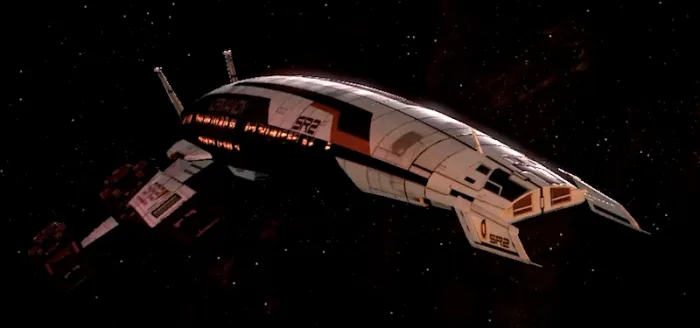
At the end of Mass Effect 2, Shepard destroyed the Collectors and saw the Reaper fleet start towards the galaxy. In the Arrival add-on, Shepard delayed it by destroying the Alpha Relay, killing more than 300,000 batarians, and surrendered to the Alliance. Months later Shepard is under guard on Earth, stripped of command. The Normandy SR-2 has been taken back by the Alliance. Everything from the first two games, from the Virmire survivor to the fate of the Collector base, carries in with a save. For the full chronology see the Mass Effect timeline. (Mass Effect 2: Arrival; Mass Effect 3)
Earth falls and the Crucible#
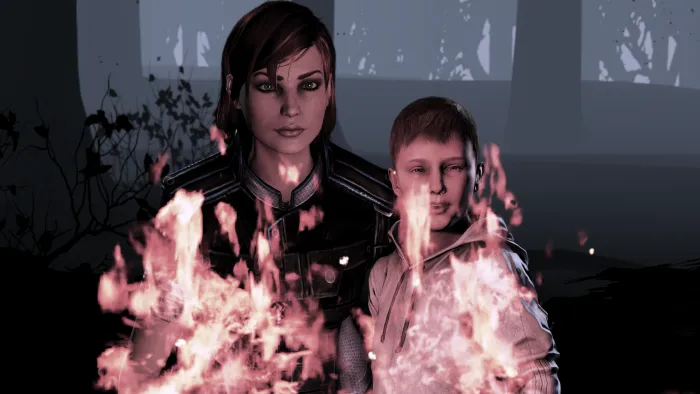
Shepard is called before the Alliance defence committee in Vancouver just as the Reapers arrive over Earth. Cities burn in minutes. Admiral David Anderson stays behind to lead the resistance and sends Shepard off in the Normandy to get help. On the way out, Shepard watches a young boy who'd been hiding in the ruins climb into an evacuation shuttle, which a Reaper destroys. The boy comes back in Shepard's dreams. (Mass Effect 3)
Admiral Steven Hackett sends Shepard to the Prothean archive on Mars, where Liara T'Soni has found plans for a giant device the Protheans couldn't finish in time. Cerberus troops are already there, and a Cerberus android escapes with the data and leaves Kaidan or Ashley, whichever survived Virmire, badly hurt. The plans are for the Crucible, a weapon each cycle added to before the Reapers came. It needs a final piece called the Catalyst, and nobody knows what that is. Hackett starts building it with every resource he can find. (Mass Effect 3)
Uniting the galaxy#
The Citadel Council won't commit while its own worlds are under attack. The turians, losing Palaven, will fight for Earth only if the krogan help them, and the new Primarch, Adrien Victus, agrees to a deal. The krogan, led by Wrex or Wreav depending on Shepard's earlier choices, want a cure for the genophage as the price. (Mass Effect 3)
Shepard rescues fertile krogan females from a salarian base, and on Tuchanka a cure can be spread from an ancient tower called the Shroud. Mordin Solus, if he survived, insists on releasing it himself and dies in the process. The salarian leadership secretly offers its support if Shepard sabotages the cure instead. Whether Shepard cures the genophage, sabotages it or lies about it is the player's choice, and it can cost Wrex or Mordin his life. Meanwhile, a Prothean soldier, Javik, wakes from a stasis pod on Eden Prime and joins the crew. (Mass Effect 3; Mass Effect 3: From Ashes)
The quarians use the war to attack the geth and retake their homeworld, Rannoch, and the geth accept Reaper upgrades to survive. Shepard frees the geth from Reaper control with the help of Legion, or a geth platform in its place if Legion wasn't saved and destroys a Reaper on Rannoch's surface. Then the two sides face off. With the right history, Shepard can broker peace, and Legion, if present, gives its life to share its upgrades with every geth. Otherwise Shepard backs one side and the other is wiped out. Tali'Zorah may die if her people do. (Mass Effect 3)
Cerberus and the Catalyst#
The Illusive Man has been working on Reaper technology, and he and his troops are now indoctrinated, though he believes he can control the Reapers. Cerberus attacks the Citadel in a coup alongside Councillor Udina, which Shepard stops. Udina dies in the attempt. (Mass Effect 3)
On Thessia, the asari homeworld, Shepard finds a Prothean beacon the asari had hidden for millennia. The Cerberus assassin Kai Leng steals its data as the Reapers overrun the planet. Shepard tracks him to Cerberus headquarters and kills him. The recovered Prothean VI reveals the truth: the Catalyst is the Citadel. The Reapers have taken the station and moved it to Earth. (Mass Effect 3)
London and the Citadel#
Every fleet Shepard has gathered attacks Earth while the Crucible is brought in. On the ground in London, Shepard and the last strike team run for a beam that leads up into the Citadel. The Reaper Harbinger fires on them and nearly everyone is killed. A badly wounded Shepard gets through, and Anderson arrives on the Citadel too. (Mass Effect 3)
The Illusive Man is waiting. He takes control of Shepard's body and makes Shepard shoot Anderson. Shepard can talk him into seeing what the Reapers have done to him, in which case he shoots himself, or shoot him. Shepard opens the station's arms so the Crucible can dock, then sits with Anderson looking down at Earth, and Anderson dies. The Crucible docks but doesn't fire, and the collapsing Shepard is lifted to the top of the Citadel. (Mass Effect 3)
The ending explained#
At the top Shepard meets the Catalyst, which looks like the boy from Vancouver. It explains that it was created to stop a pattern: organics build synthetics, and the synthetics destroy them. Its solution was the Reapers, which harvest advanced organic species every 50,000 years and preserve them in Reaper form, leaving younger races to grow. The Crucible has changed things, it says, and its solution no longer works, so it offers Shepard the choice. In the Leviathan add-on Shepard learns the Catalyst's origin from the Leviathans who built it, and it turned them into the first Reaper. With Leviathan played, Shepard can raise this with the Catalyst. (Mass Effect 3; Mass Effect 3: Leviathan)
Destroy#
Shepard fires into a conduit and the Crucible releases a red wave that destroys every Reaper. It also destroys all synthetic life, so the geth and EDI die too, and the Catalyst warns that Shepard, partly synthetic since Mass Effect 2, could die as well. The Catalyst adds that synthetics will be made again and the conflict will return. If the war effort was strong enough, a short final shot shows Shepard drawing breath in the rubble, the only ending where Shepard can survive. Hackett narrates the epilogue. (Mass Effect 3; Mass Effect 3: Extended Cut)
Control#
This is what the Illusive Man wanted. Shepard grips two charged rods, and Shepard's body burns away as Shepard's mind replaces the Catalyst. The Reapers stop fighting and help rebuild what they destroyed, under Shepard's command. Shepard, now a machine intelligence, narrates the epilogue, and its tone depends on the kind of Shepard the player has been. EDI and the geth survive. (Mass Effect 3; Mass Effect 3: Extended Cut)
Synthesis#
Available only with a strong enough war effort. Shepard walks into the central beam and is broken down, and the energy spreads through the Crucible across the galaxy. Every living thing, organic and synthetic, becomes part of both. The Catalyst calls it the final evolution of life. The Reapers stop, share their knowledge and help rebuild, and EDI, who survives, narrates the epilogue. (Mass Effect 3; Mass Effect 3: Extended Cut)
Refuse#
Added in the Extended Cut. Shepard rejects all three options, or shoots the Catalyst, and it answers that the cycle will continue. The Reapers win this cycle. Liara's recorded messages, which she has been preparing during the war, are found by the next cycle, and the epilogue suggests they used them to beat the Reapers. (Mass Effect 3: Extended Cut)
What the Extended Cut changed#
The original ending showed the three choices with similar endings and little explanation. The mass relays seemed to explode, and the Normandy crash-landed on an unknown world with squadmates who'd been in London with Shepard. The Extended Cut, a free update in June 2012, adds a longer conversation with the Catalyst, the Refuse option, a scene showing the Normandy picking up the wounded squad during the run to the beam, the Normandy leaving the planet, and epilogue slides showing the fate of each species and crew member. It also makes clear the relays are damaged and can be repaired, not wiped out. In every ending except Refuse, the surviving crew honour the dead at the Normandy's memorial wall. (Mass Effect 3; Mass Effect 3: Extended Cut)
After the credits, an old man on an alien world tells a child stories about "the Shepard". That scene closes all four endings. The Citadel add-on, a farewell party with a plot by Maya Brooks and a Cerberus remnant to replace Shepard with a clone, is set before the final assault and doesn't change any ending. (Mass Effect 3; Mass Effect 3: Extended Cut; Mass Effect 3: Citadel)
What it sets up#
The trilogy ends here, and no later game has picked an ending. Mass Effect: Andromeda sidesteps the question: its colonists left the Milky Way in 2185 and never learn how the war ended. For the war as a whole see the Reaper War, and for the trilogy in order see Mass Effect story explained. (Mass Effect 3; Mass Effect: Andromeda)
Test yourself: take the Mass Effect 3 quiz, twelve questions on the Crucible, the Catalyst and the four endings. (Mass Effect 3; Mass Effect 3: Extended Cut)
Frequently asked questions
- What are the endings of Mass Effect 3?
- There are four. Destroy wipes out the Reapers and all synthetic life, including the geth and EDI. Control makes Shepard the new mind behind the Reapers. Synthesis merges organic and synthetic life. Refuse, added in the Extended Cut, rejects the choice and the Reapers win this cycle.
- Does Shepard die at the end of Mass Effect 3?
- In Control and Synthesis, Shepard's body is destroyed. In Destroy, if the war effort was strong enough, a short scene shows Shepard taking a breath in the rubble, so Shepard can survive. Refuse leaves Shepard to die with this cycle.
- What is the Catalyst in Mass Effect 3?
- It's the intelligence that controls the Reapers, built into the Citadel. It was created to stop synthetic life destroying organic life, and it decided the answer was to harvest advanced organic species every 50,000 years. It appears to Shepard as the boy from the opening on Earth.
- What did the Extended Cut change?
- It's a free 2012 update that adds more conversation with the Catalyst, the Refuse ending, scenes explaining how the squad got back to the Normandy, and epilogue slides showing what happens to the galaxy. It also makes clear the mass relays can be repaired.
- Which Mass Effect 3 ending is canon?
- None. BioWare has never named a canon ending, and Mass Effect: Andromeda takes place in another galaxy, where the colonists never learn how the war ended. Which ending happens is the player's choice.
- Is the Indoctrination Theory true?
- It's a fan theory that Shepard's final scenes are a Reaper attempt to indoctrinate Shepard. The game never confirms it, and the Extended Cut plays all four endings as real events.
Sources
- GameMass Effect 2, BioWare, 2010
- GameMass Effect 2: Arrival, BioWare, 2011
- GameMass Effect 3, BioWare, 2012
- GameMass Effect 3: From Ashes, BioWare, 2012
- GameMass Effect 3: Extended Cut, BioWare, 2012 (free ending update)
- GameMass Effect 3: Leviathan, BioWare, 2012
- GameMass Effect 3: Citadel, BioWare, 2013
- GameMass Effect: Andromeda, BioWare, 2017
Spotted a factual error or a primary source we missed? Email a correction. Every flagged claim gets reviewed.
Followed from this entry
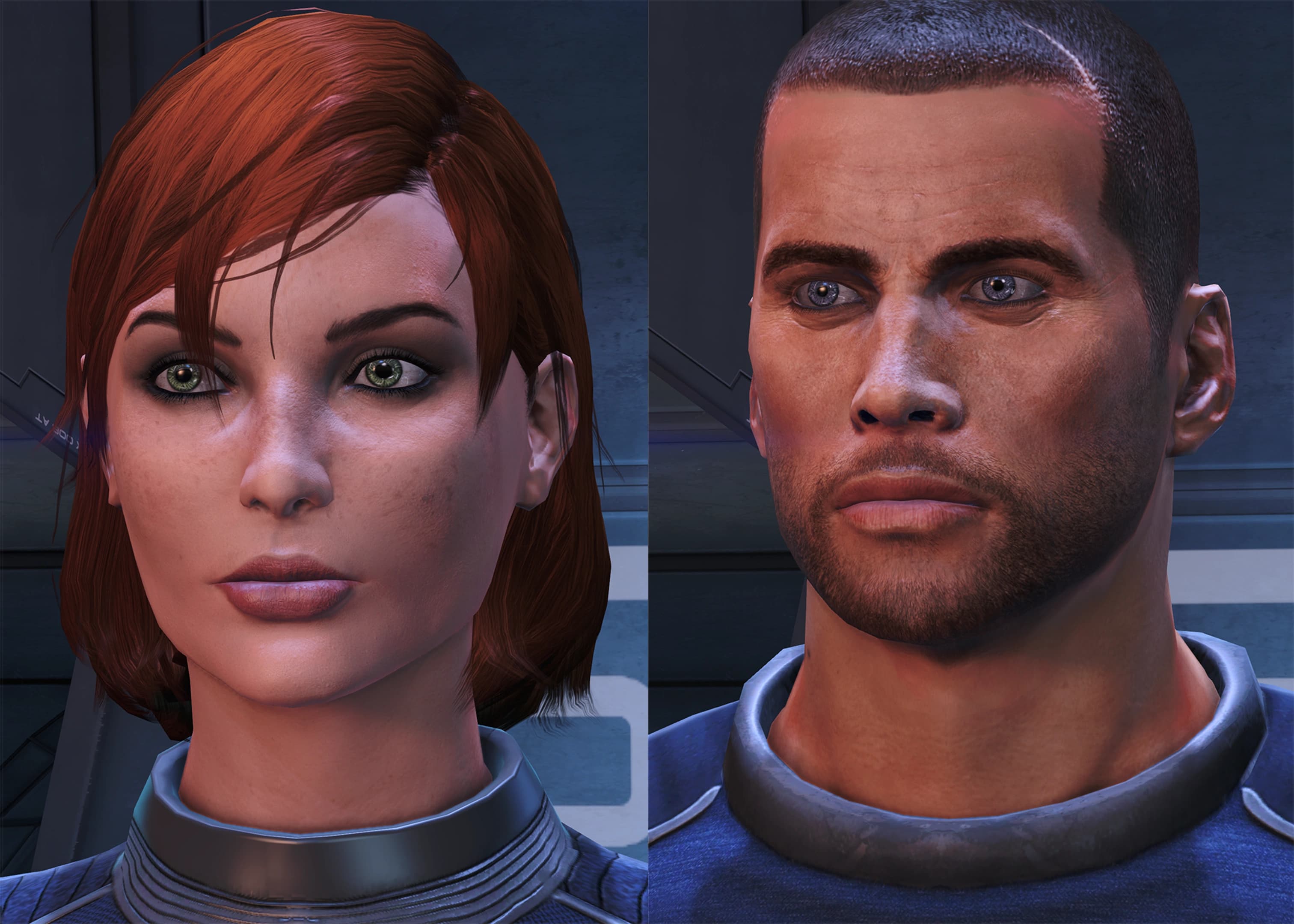
Is Shepard in the Next Mass Effect?
BioWare hasn't said. The teasers keep pointing back at Shepard, with N7 armour in the snow and a Shadow Broker who looks a lot like Liara, but nothing official confirms Commander Shepard as a character in the next game.
What Happened to Shepard After Mass Effect 3? Every Ending
It depends on the ending. Shepard dies in Control, Synthesis and Refuse, and can survive only in Destroy, with a strong enough war effort. Here's what happens to Shepard in each ending, what the epilogues show and what later games have said.
Mass Effect 2 Story Explained: Plot Summary and the Suicide Mission
The plot of Mass Effect 2 in order, from Shepard's death and revival to the suicide mission through the Omega 4 Relay. Who the Collectors are, what they were building, and how the ending can go.
Mass Effect: Andromeda Story Explained
The plot of Mass Effect: Andromeda in order, from the Hyperion's arrival in the Heleus Cluster to the battle for Meridian. Who the kett are, what the Remnant vaults do, and what the ending leaves open.
Mass Effect Story Explained: the Trilogy and Andromeda
The whole Mass Effect story in order, one game at a time. Shepard stops Saren, beats the Collectors and leads the galaxy against the Reapers, then Andromeda starts again 600 years later in another galaxy.
Mass Effect 3 Quiz: Test Your Knowledge of the Story
Twelve questions on Mass Effect 3, from the fall of Earth and the Crucible to the Catalyst and the four endings. Every answer comes with a short explanation and a link to the page that covers it.
Mentioned in12 entries
Every Mass Effect Romance Option, Game by Game
Every romance in Mass Effect, Mass Effect 2, Mass Effect 3 and Andromeda: who each character is, whether a male or female Shepard or Ryder can romance them, how the relationship plays out and what happens to it in the next game. Fates that depend on choices are given as choices.
Every Mass Effect Squadmate and Companion, Game by Game
Every squadmate in Mass Effect, Mass Effect 2, Mass Effect 3 and Andromeda, with their species, how they join, what their story is about and how they can die. Fates that depend on player choices are given as choices, because the series never picks one canon.
How Did Shepard Not Get Indoctrinated?
The games never say Shepard is immune to indoctrination. Shepard just never spends long enough near Reaper technology for it to take hold. Here's what the trilogy shows, what the Indoctrination Theory claims, and what the Extended Cut did to that theory.
Mass Effect 2 Story Explained: Plot Summary and the Suicide Mission
The plot of Mass Effect 2 in order, from Shepard's death and revival to the suicide mission through the Omega 4 Relay. Who the Collectors are, what they were building, and how the ending can go.
Mass Effect 3 Quiz: Test Your Knowledge of the Story
Twelve questions on Mass Effect 3, from the fall of Earth and the Crucible to the Catalyst and the four endings. Every answer comes with a short explanation and a link to the page that covers it.
Mass Effect Games in Order: Release Order, Story Order and DLC
Every Mass Effect game in order, from Shepard's first mission in 2183 to the Andromeda Initiative in 2819. Release order and story order are the same list, so the real questions are which DLC to play, where Andromeda fits and whether the Legendary Edition is the way in.
Mass Effect Lore Quiz: 15 Questions for Real Fans
Fifteen questions on the Mass Effect story, from Eden Prime and the Collectors to the Crucible and the Andromeda Initiative. Every answer links to a cited explainer if you want the full story.
Mass Effect Story Explained: the Trilogy and Andromeda
The whole Mass Effect story in order, one game at a time. Shepard stops Saren, beats the Collectors and leads the galaxy against the Reapers, then Andromeda starts again 600 years later in another galaxy.
Mass Effect: Andromeda Story Explained
The plot of Mass Effect: Andromeda in order, from the Hyperion's arrival in the Heleus Cluster to the battle for Meridian. Who the kett are, what the Remnant vaults do, and what the ending leaves open.
Reaper War
The Reaper War was the galaxy-wide conflict that began in 2186 when the Reapers emerged from dark space to harvest all advanced organic life. It saw the fall of Earth, Palaven, and Thessia, the forging of unlikely alliances, and a final battle over Earth that decided the fate of every species.
The Crucible
The Crucible was an ancient superweapon of unknown origin, refined across countless cycles by species hoping to stop the Reapers. Rediscovered during the Reaper invasion and built by a united galaxy, it became the last hope of organic life, completed only by joining it with the Citadel.
What Happened to Shepard After Mass Effect 3? Every Ending
It depends on the ending. Shepard dies in Control, Synthesis and Refuse, and can survive only in Destroy, with a strong enough war effort. Here's what happens to Shepard in each ending, what the epilogues show and what later games have said.
Get new articles in your inbox
No spam. New lore drops, canon conflicts, and deep dives only when they’re worth reading.
Some links on Lore Fortress are affiliate links. If you buy through them we earn a small commission at no extra cost to you.