Wards
The Residential Arms of the Citadel
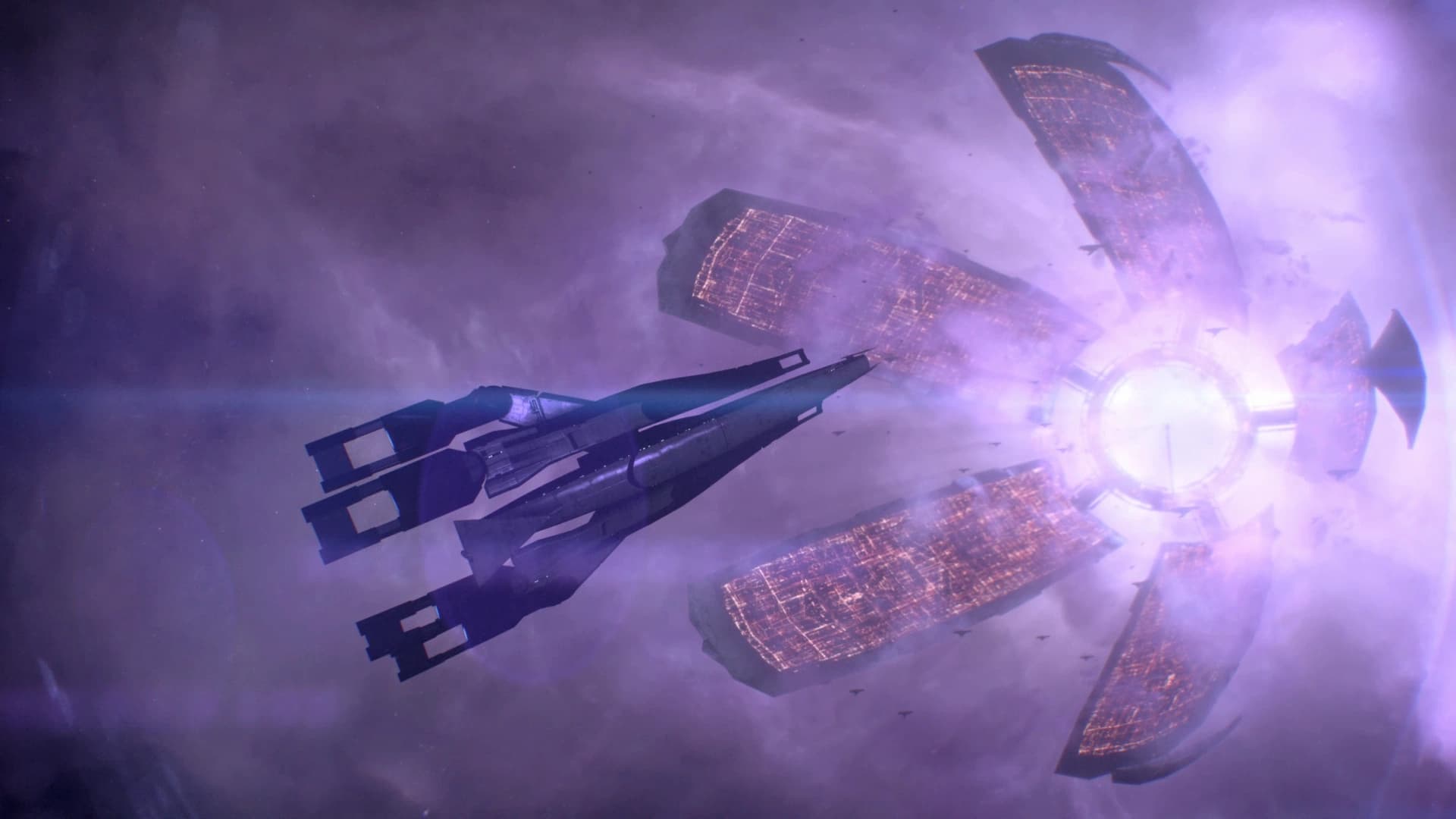
The Wards were the five great arms of the Citadel, residential districts each home to millions and dense as the cities of old Earth. Sealed against vacuum and tended by the keepers, they could be closed to fold the station into an impenetrable cylinder.
The Wards were the five great arms of the Citadel, the station's residential centers. Each was essentially a self-contained city, home to millions, with a population density to rival the dense cities of old Earth. Their skyscrapers were sealed against the vacuum, the keepers periodically rearranged them, and in times of need the Wards could be closed to fold the Citadel into an impenetrable cylinder. Commander Shepard walked their markets and back alleys across several visits to the station. (Mass Effect; Mass Effect 2; Mass Effect 3)
The five arms#
The five arms of the Citadel were known as the Wards, the residential centers of the station, each essentially a self-contained city home to millions and as densely settled as the Earth cities of Singapore or Hong Kong. Because the atmosphere was maintained only to a certain height, the skyscrapers of the Wards were sealed against the vacuum above. The inhabitants generally rebuilt and arranged their buildings to suit themselves, but the keepers were known to descend on areas of the Wards and rearrange them without explanation. In times of need the Wards could be closed, turning the Citadel into an impenetrable cylinder that protected the people sheltering within. (Mass Effect)
The named wards#
Several of the Wards were known by name. Zakera Ward was a busy district and the part of the station most directly visited by Commander Shepard in 2185. Kithoi Ward held the Council Central Archives along with the Taralos Amphitheater, Edroki Plaza, the Larathos Institution, and Kithoi Point. Tayseri Ward was home to the Dilinaga Concert Hall and suffered massive damage when Sovereign was destroyed during the Battle of the Citadel; even two years later some areas remained without power, with repairs expected to take years. Bachjret Ward was a residential district recorded in the Shadow Broker's files as the one-time home of Jacob Taylor. The station's fifth ward was given two conflicting names: it was called Shalta Ward by the medical researcher Karin Chakwas, while a C-Sec announcement during a later attack referred to it as Aroch Ward, listing it alongside Zakera, Tayseri, Bachjret, and Kithoi as a district gripped by unrest. (Mass Effect 2; Mass Effect 2: Lair of the Shadow Broker; Mass Effect 3)
Markets and districts#
The Wards held a mix of districts of varying character. The upper levels offered spectacular views of the surrounding space, with windows looking out on the Serpent Nebula and, on occasion, the passing asari dreadnought Destiny Ascension. The Markets ran across two levels, the upper stalls reputable and the lower ones of far less savory repute, where non-standard armor, upgrades, and general supplies could be had. Lower still lay the Lower Wards, whose most notorious fixture was Chora's Den, a club run by a crime boss named Fist. The Wards also housed a Sensory Gallery where visitors could experience the senses of other species, smelling as an elcor would or feeling rain as a turian does. The Citadel Security Services maintained its academy in the Lower Wards, since most of the force was assigned to the residential arms; the academy held a traffic control station, a requisitions office, and access to private docking. A later commercial and recreation district, the Silversun Strip, offered the Armax Arsenal Arena combat simulator, luxury towers, an arcade, and a casino. (Mass Effect; Mass Effect 2; Mass Effect 3: Citadel)
The Citadel Archives#
Beneath the Wards lay the Citadel Archives, a vast complex restricted to staff, Council officials, and Spectres. It housed an enormous collection of physical artifacts and recordings of historical or cultural importance, along with official identification records and other data used by the Council bureaucracy. Physical items were stored in large iridium vaults sealed by mass effect fields, which could be moved throughout the complex for easy access, with whole sections of the Archives consisting of nothing but stacked vaults. Visual and audio recordings could be viewed in dedicated holographic chambers, filtered according to the viewer's security clearance, and highly confidential records such as Spectre biometrics could be updated there. In an emergency, the Archives could be placed into lockdown. (Mass Effect 3: Citadel)
Frequently asked questions
- What are the Wards on the Citadel?
- The Wards were the five arms of the Citadel, the station's residential centers. Each was essentially a self-contained city home to millions, with a population density comparable to old Earth cities such as Singapore or Hong Kong. The named wards included Zakera, Kithoi, Tayseri, Bachjret, and a fifth known by the conflicting names Shalta and Aroch.
- How are the Wards kept safe?
- The skyscrapers of the Wards were sealed against vacuum, since the atmosphere was maintained only to a certain height. In times of need the Wards could be closed, folding the Citadel into an impenetrable cylinder and protecting the people inside. The keepers also descended on areas of the Wards from time to time to rearrange them.
- What is Zakera Ward?
- Zakera Ward was a busy commercial district of the Citadel and the part of the Wards most directly visited by Commander Shepard in 2185. Like the other arms it was a self-contained city, crowded with shops, markets, and the daily life of the station's many species.
- What are the Citadel Archives?
- The Citadel Archives were a vast complex located below the Wards, restricted to staff, Council officials, and Spectres. They held an enormous collection of physical artifacts, recordings, and official records of historical or cultural importance, stored in movable iridium vaults sealed by mass effect fields, and could be placed into lockdown in an emergency.
Sources
- GameMass Effect, BioWare, 2007
- GameMass Effect 2, BioWare, 2010
- GameMass Effect 2: Lair of the Shadow Broker, BioWare, 2010
- GameMass Effect 3, BioWare, 2012
- GameMass Effect 3: Citadel, BioWare, 2013
Spotted a factual error or a primary source we missed? Email a correction. Every flagged claim gets reviewed.
Followed from this entry
Citadel
The Citadel was a colossal deep-space station in the Serpent Nebula that served as the political and cultural heart of Citadel space and the seat of the Council. Long believed to be a Prothean relic, it was in truth a Reaper construction and a dormant trap at the center of galactic civilization.
Battle of the Citadel
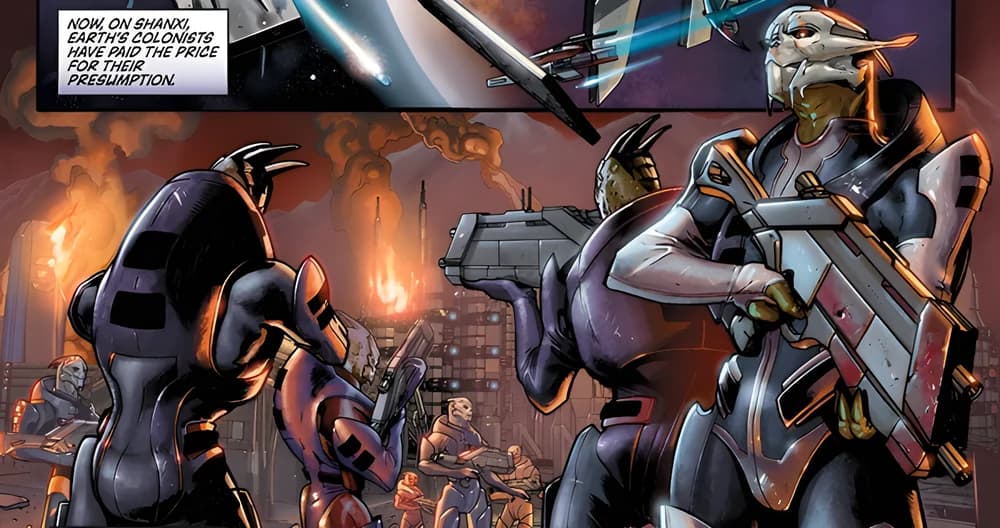
The Battle of the Citadel was the climactic engagement of 2183 in which the rogue Spectre Saren Arterius, guided by the Reaper Sovereign, attempted to seize the Citadel and open a path for the Reaper invasion. Commander Shepard and the Citadel and Alliance fleets stopped the attack at great cost, and its outcome shaped galactic politics for years afterward.
Spectre
Spectres were agents entrusted by the Citadel Council with extraordinary authority, including the power of life and death over the galaxy's people. Operating outside the law to preserve galactic stability, they were drawn from the finest operatives of the Council races and answered to no one but the Council itself.

Citadel Security Services: C-Sec
Citadel Security Services, known as C-Sec, was the volunteer police force responsible for law enforcement aboard the Citadel. Answering to the Citadel Council and led by an Executor, its constables kept order across the station's vast, crowded wards and the space around it.
Commander Shepard
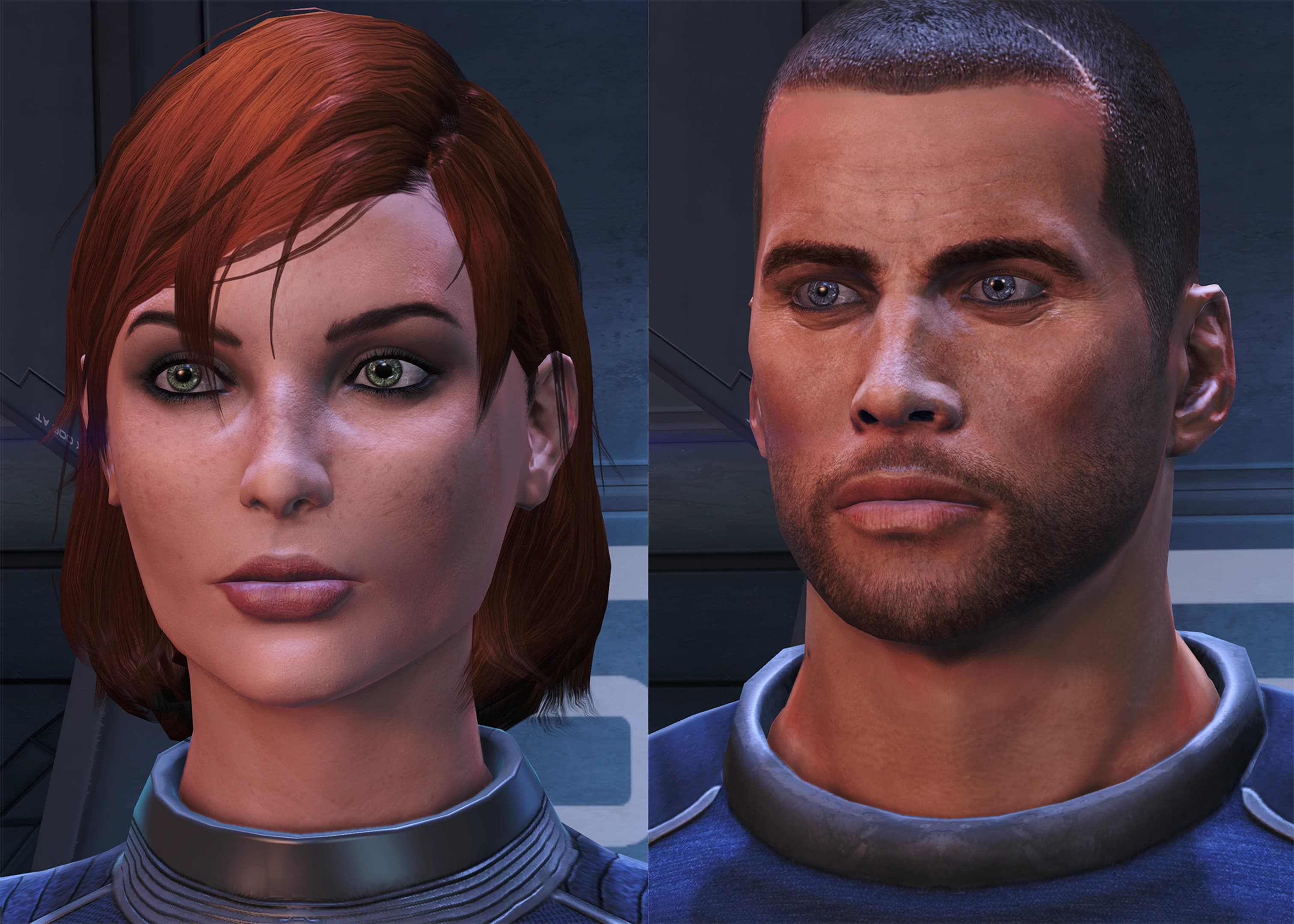
Commander Shepard was a Systems Alliance N7 marine who became the first human Spectre, exposed the rogue agent Saren Arterius, and led the galaxy's resistance against the Reapers. Shepard's gender, history, and many of the choices that shaped the war were never fixed, and the final fate of the cycle turned on the Commander's own decisions.
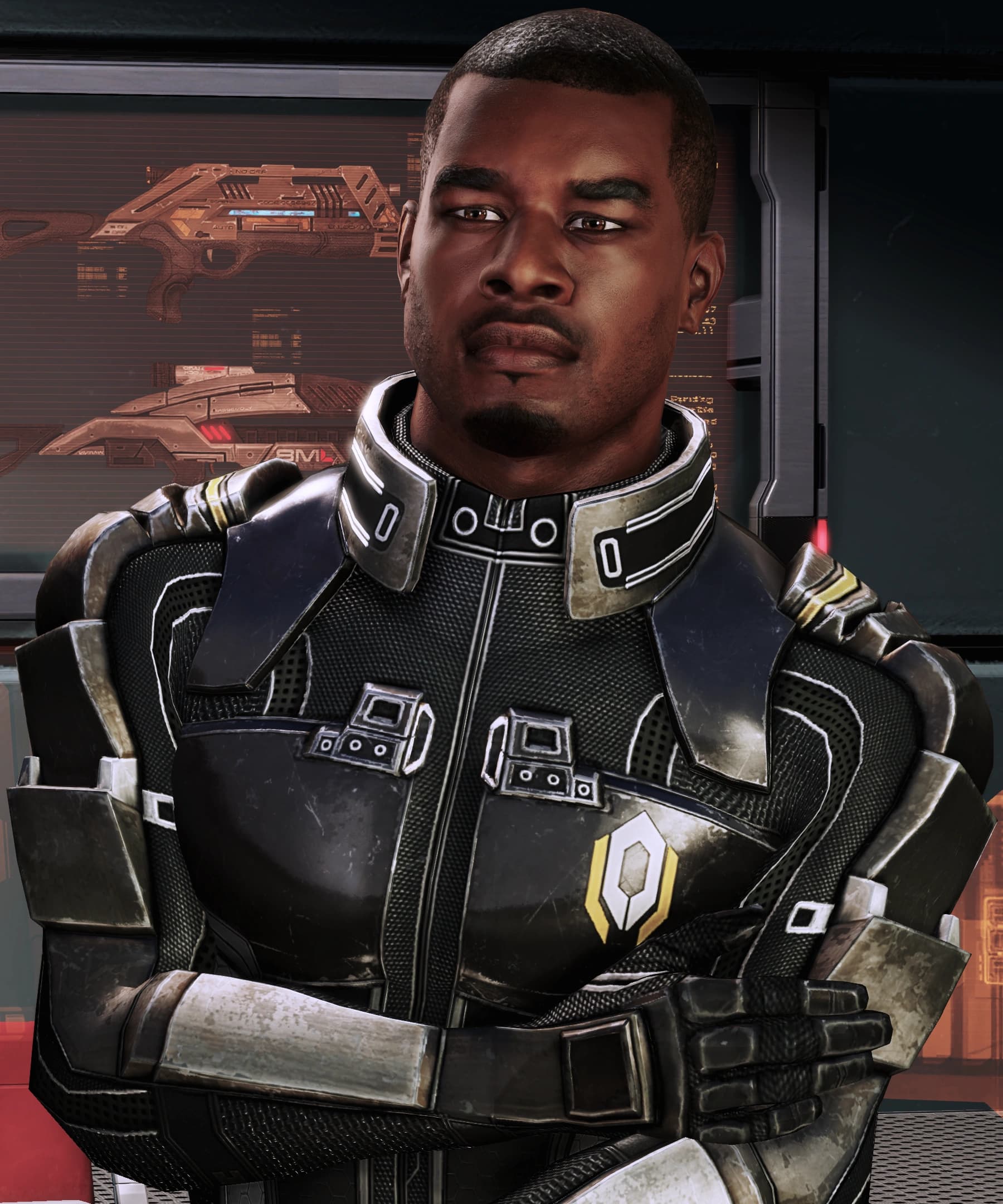
Jacob Taylor
Jacob Taylor was a human biotic and former Alliance Marine who became the armory officer of the Normandy SR-2, serving as a steady voice of reason during Commander Shepard's mission against the Collectors. Disillusioned with both the Alliance and Cerberus, he eventually broke with the pro-human group to fight the Reapers on his own terms.
Mentioned in9 entries
Armando-Owen Bailey
Armando-Owen Bailey was a human officer of Citadel Security stationed in the Zakera Ward, a no-nonsense lawman who rose from a neglected beat officer to a Commander overseeing security for the Citadel Embassies during the Reaper War.
Chloe Michel: Citadel Physician
Dr. Chloe Michel was a human physician who ran a medical clinic in the Upper Wards of the Citadel. Drawn into the hunt for Saren after treating a fugitive quarian, she crossed paths with Commander Shepard and later served the war effort against the Reapers.
Citadel
The Citadel was a colossal deep-space station in the Serpent Nebula that served as the political and cultural heart of Citadel space and the seat of the Council. Long believed to be a Prothean relic, it was in truth a Reaper construction and a dormant trap at the center of galactic civilization.
Citadel Fleet: the Council's defence force and what one battle cost it
The Citadel Fleet was the Council's main space defence force, mostly turian ships led by the asari dreadnought Destiny Ascension. Sovereign's attack in 2183 caught it scattered across the relays, and Shepard decides who survives.
Citadel Security Services: C-Sec
Citadel Security Services, known as C-Sec, was the volunteer police force responsible for law enforcement aboard the Citadel. Answering to the Citadel Council and led by an Executor, its constables kept order across the station's vast, crowded wards and the space around it.
Geth Armory: Arsenal of the Synthetics
The Geth Armory was the name organic markets gave to the weapons and armor manufacture of the geth, a source of equipment of the highest quality whose workings remained almost entirely unknown. Its pulse rifles armed the geth military from common platforms to Juggernauts, its krogan armor lines were prized across Tuchanka, and its products reached organic hands only through rare trade licenses sold on the Citadel.
Keepers
The keepers were a docile, bio-engineered insectoid race found only aboard the Citadel, where they tended the station's systems in total silence. Long assumed to be Prothean servants, they were in truth a relic of the Reapers, repurposed by the cycle to keep the great station ready for its next inhabitants.
Nexus: Heart of the Andromeda Initiative
The Nexus was the headquarters of the Andromeda Initiative, a vast space station built to anchor the arriving arks, process resources, and shelter colonists in the Heleus Cluster. Modeled on the Citadel, it survived disaster and rebellion to become the seat of the colonization effort.
Sovereign: the Reaper vanguard the geth called Nazara
Sovereign, called Nazara by the geth, was the Reaper vanguard that posed as the flagship of the rogue Spectre Saren Arterius. It spent fifty thousand years waiting to summon its kind from dark space, and in 2183 it launched the assault on the Citadel that ended in its destruction.
Get new articles in your inbox
No spam. New lore drops, canon conflicts, and deep dives only when they’re worth reading.
Some links on Lore Fortress are affiliate links. If you buy through them we earn a small commission at no extra cost to you.