Sentry
Protoss Light-Weaving Support Drone
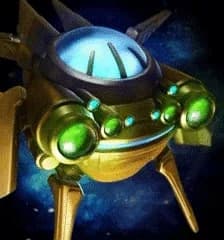
The sentry is a protoss combat drone that supports frontline warriors by weaving light into force fields, guardian shields, and solid holograms. It was developed to offset the diminishing population of the protoss race.
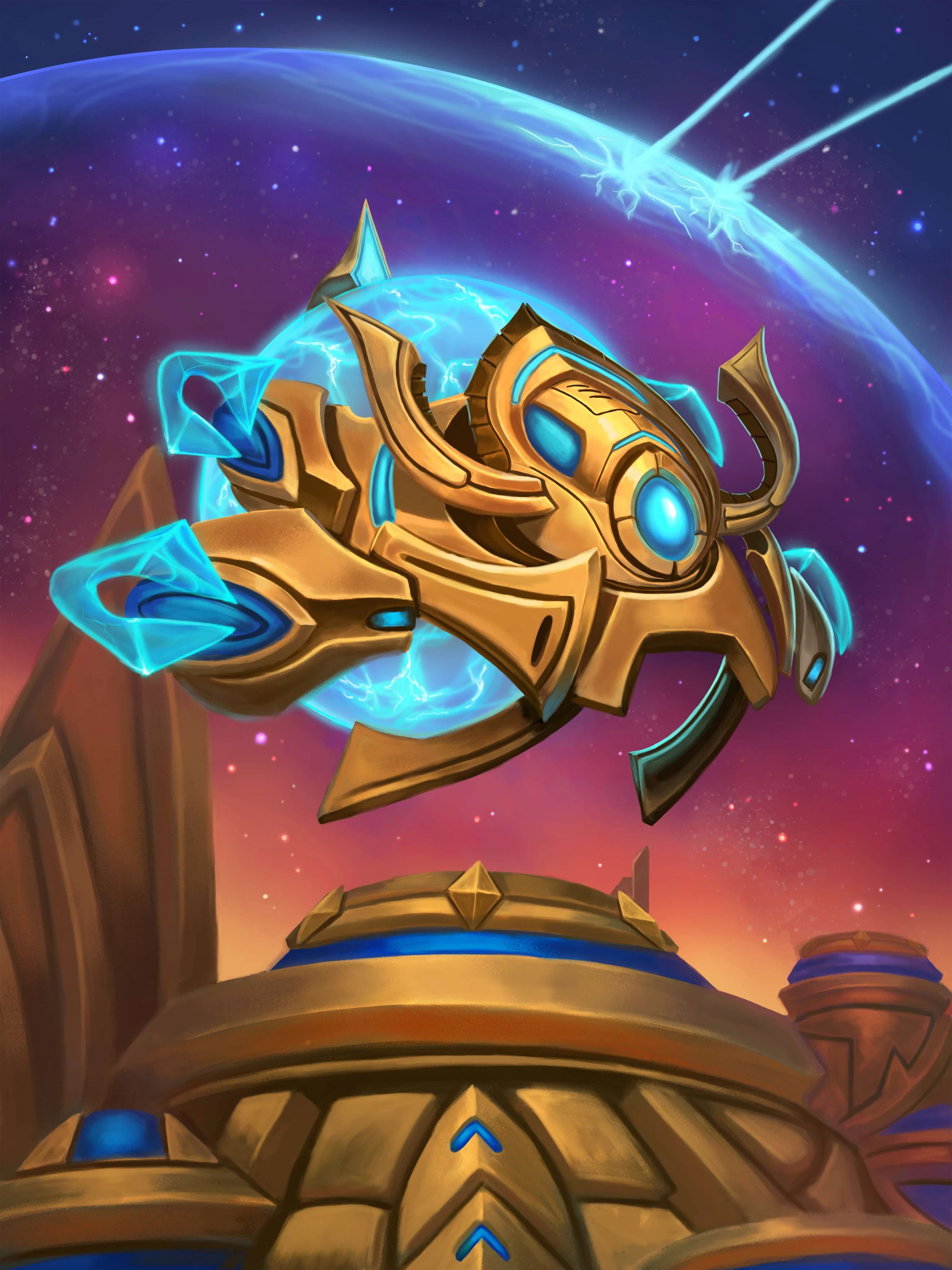
The sentry is a protoss combat drone built to support frontline warriors at a time when the protoss race could no longer afford to spend lives freely. Conceived to shore up the dwindling ranks of the zealots it accompanies, the sentry hovers above the battlefield on generators that create pockets of zero gravity, and it fights less by destroying than by shaping the terrain of combat itself. Its weapons are woven light: force fields that wall off advancing enemies, guardian shields that blunt incoming fire, and hallucinations that turn a small strike force into the illusion of a great one. (Races: Protoss; Units: Sentry; StarCraft: Evolution)
A drone for a dwindling people#
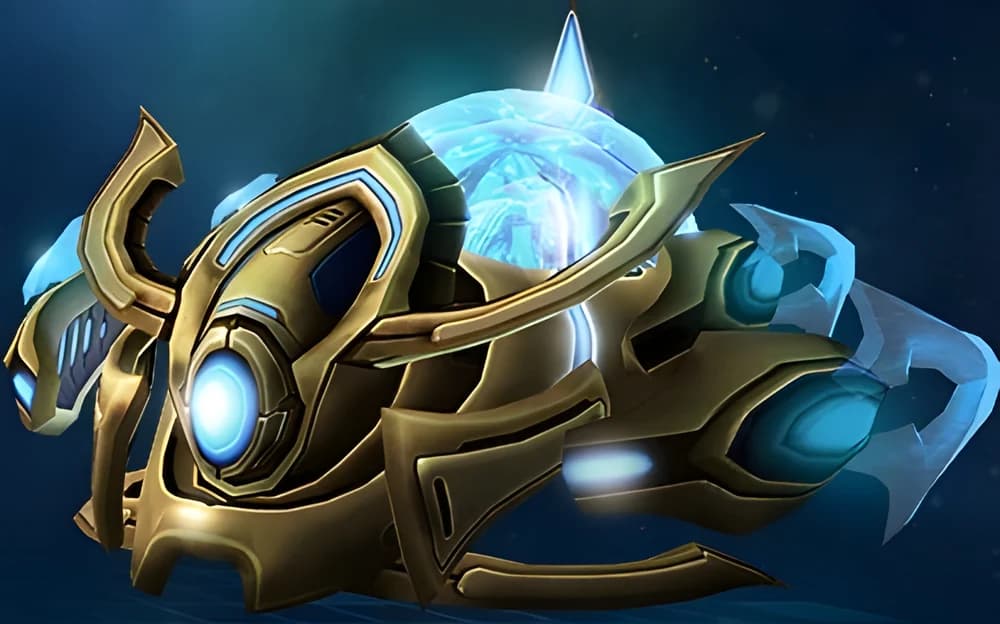
The sentry was created to address a hard truth of the protoss condition: their numbers were diminishing, and every warrior lost was a loss the race could ill afford. Rather than field still more living soldiers, the protoss built combat drones that could stand beside the zealots and shield them, multiplying the effectiveness of a smaller force. The sentry levitates above the ground on generators that produce pockets of zero gravity. It carries a disruption beam for direct attack, but its purpose was never to serve as a frontline fighter. It exists to keep the warriors around it alive. (Races: Protoss; Units: Sentry; StarCraft: Evolution)
Light woven into walls and shields#
The sentry's defining capability is the manipulation of light into semi-solid forms. Using a light-weaving force field generator, it can transform bursts of energy into small, impenetrable barriers, dropping them across a battlefield to hinder, block, or funnel the advance of enemy troops. Ordinary soldiers and vehicles caught against these translucent walls become easy targets for protoss ranged weapons, though creatures and machines of prodigious size can shatter the fields' cohesion and break through. (StarCraft Field Manual; Units: Sentry)
By the same craft the sentry raises a guardian shield, weaving light into a semi-solid state to surround itself with an area-encompassing barrier that safeguards nearby protoss ground forces. Projectiles or energy blasts that penetrate the field lose part of their kinetic or thermal energy and a measure of their effectiveness. Because the shield covers a considerable radius, it is not strong enough to make much difference against the largest ordnance, but it meaningfully extends the survival of the warriors it covers against lighter fire. (Units: Sentry)
The art of the false army#
A sentry also carries an in-built holo-projector capable of creating hallucinatory images composed of solid light. These holograms are three-dimensional and can mimic protoss warriors, vehicles, and constructs, and though each replica lasts only a limited time, it can withstand some degree of punishment before failing. Their purpose is twofold. They draw enemy fire while a real strike force maneuvers into position to deliver a killing blow, and they make the enemies of the protoss believe they face a far larger force than the one truly arrayed against them. In both cases the effect is the same as the sentry's other gifts: protoss lives preserved. (Units: Sentry)
Adoption across the factions#
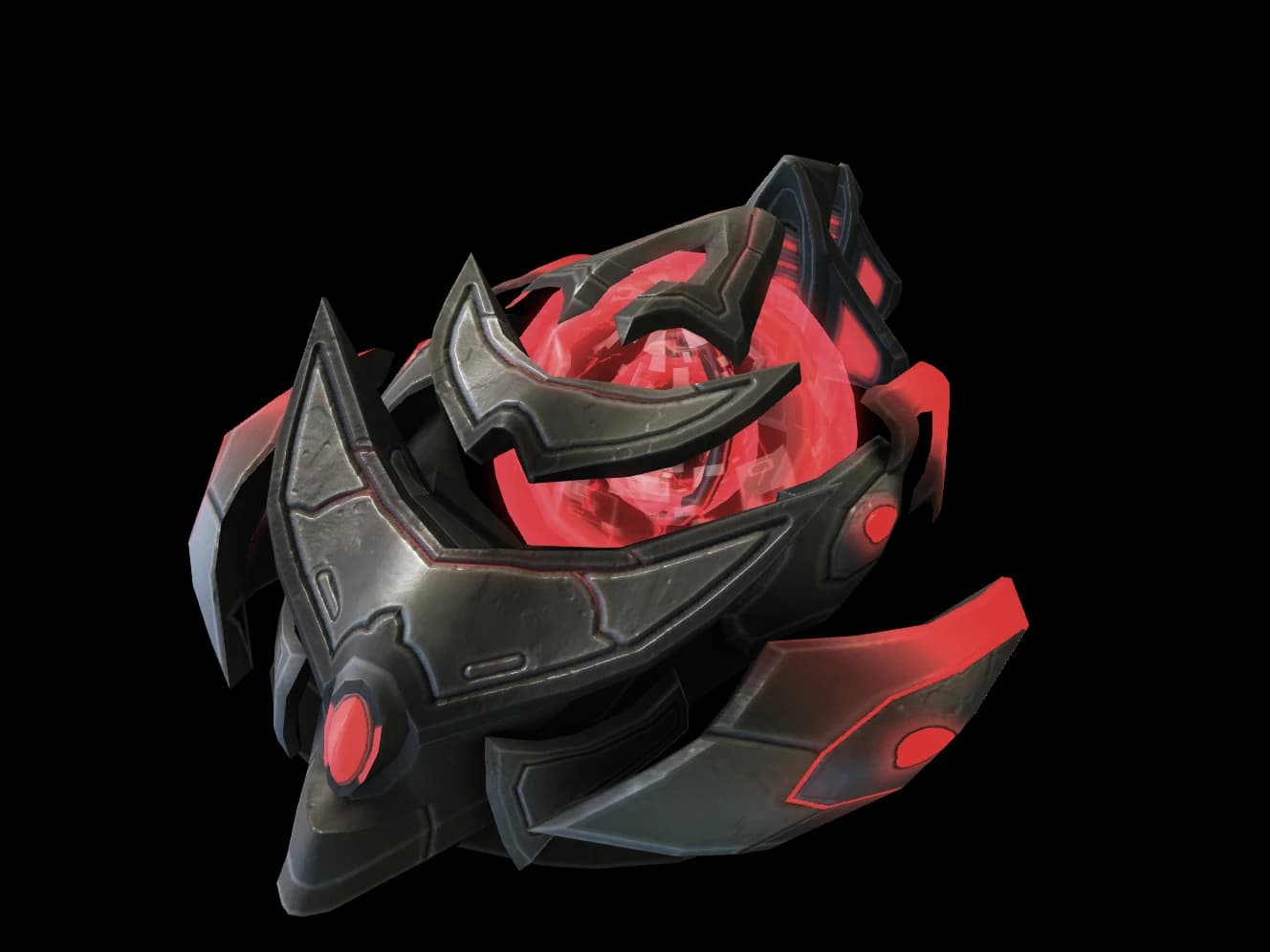
By 2506, some sentries were outfitted with portable shield batteries so they could better sustain the lives of protoss warriors in the field. The design spread well beyond its makers. The Tal'darim had incorporated sentries into their arsenal by 2504, and by the End War they had developed their own variant, though some were left mostly unchanged to provide a varied array of robotic support and a degree of misdirection. Many Purifiers retained sentries even though they normally deployed energizers, while the Ihan-rii powered theirs with volatile xel'naga relics known as nebula wells. After the End War, as part of an artistic movement recalling the Golden Age of Expansion, some sentries were redesigned in the ancient styles of that era to complement vessels with longer histories. (StarCraft II: Legacy of the Void; StarCraft II: Wings of Liberty)
Frequently asked questions
- What is a sentry in StarCraft?
- The sentry is a protoss combat drone built to support frontline warriors. It hovers above the battlefield on generators that create pockets of zero gravity and fights by shaping combat rather than destroying enemies directly.
- Why was the sentry created?
- The sentry was developed to address the diminishing population of the protoss race. Rather than field more living soldiers, the protoss built combat drones that could stand beside the zealots and shield them, multiplying the effectiveness of a smaller force.
- What abilities does the sentry have?
- The sentry weaves light into three forms. It projects force fields that wall off, split, or funnel enemy troops, raises guardian shields that drain kinetic and thermal energy from incoming fire, and casts solid holograms that mimic protoss warriors and vehicles to draw enemy fire.
- How do the sentry's hallucinations work?
- The sentry carries a built-in holo-projector that creates three-dimensional hallucinatory images of solid light, mimicking protoss warriors, vehicles, and constructs. Each replica lasts a limited time and can withstand some punishment, drawing enemy fire while a real strike force maneuvers into position and making enemies believe they face a larger force.
- Which other factions use the sentry?
- The Tal'darim had incorporated sentries into their arsenal by 2504 and later developed their own variant. Many Purifiers retained sentries, and the Ihan-rii powered theirs with volatile xel'naga relics known as nebula wells.
Gallery
Images via StarCraft Wiki
Sources
- GameStarCraft II: Wings of Liberty, Blizzard Entertainment, 2010
- GameStarCraft II: Legacy of the Void, Blizzard Entertainment, 2015
- BookStarCraft Field Manual, Rick Barba, Insight Editions, 2015
- BookStarCraft: Evolution, Timothy Zahn, Del Rey, 2016
- WebUnits: Sentry, Blizzard Entertainment, StarCraft II website, 2010
- WebRaces: Protoss, Blizzard Entertainment, StarCraft II website, 2010
Spotted a factual error or a primary source we missed? Email a correction. Every flagged claim gets reviewed.
Followed from this entry
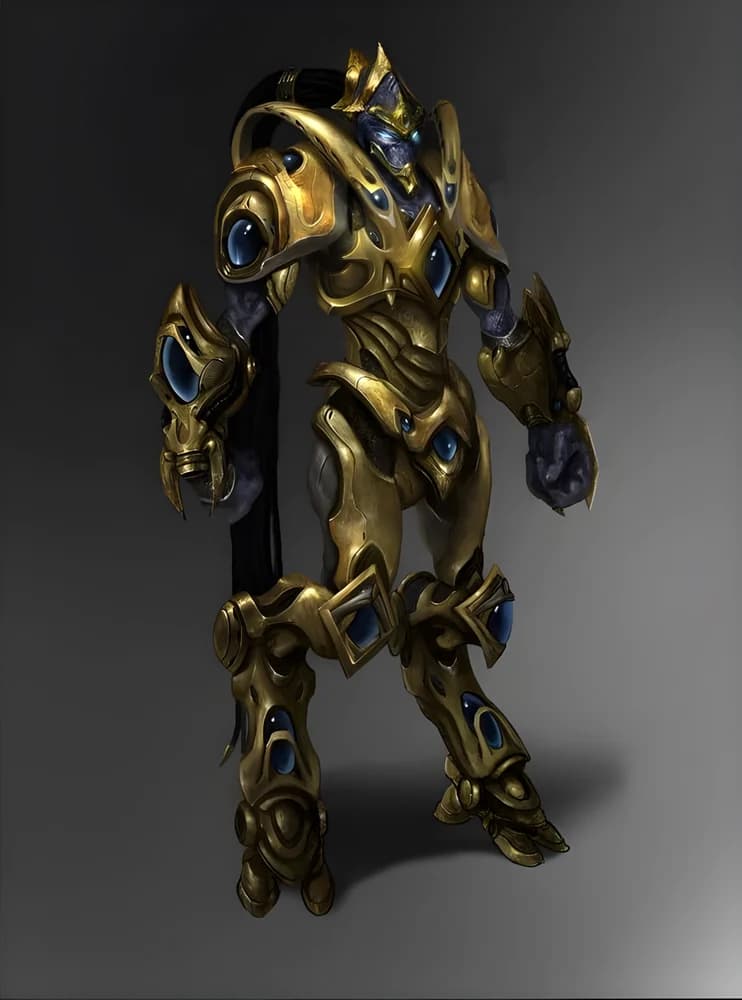
Zealot
Zealots are the lower-ranked Templar who form the backbone of the protoss military. Trained for decades in martial discipline and armed with psionic blades, they have served since before the Discord and are forbidden from using alien tissue or weaponry in combat.
End War: Amon's crusade on the galaxy
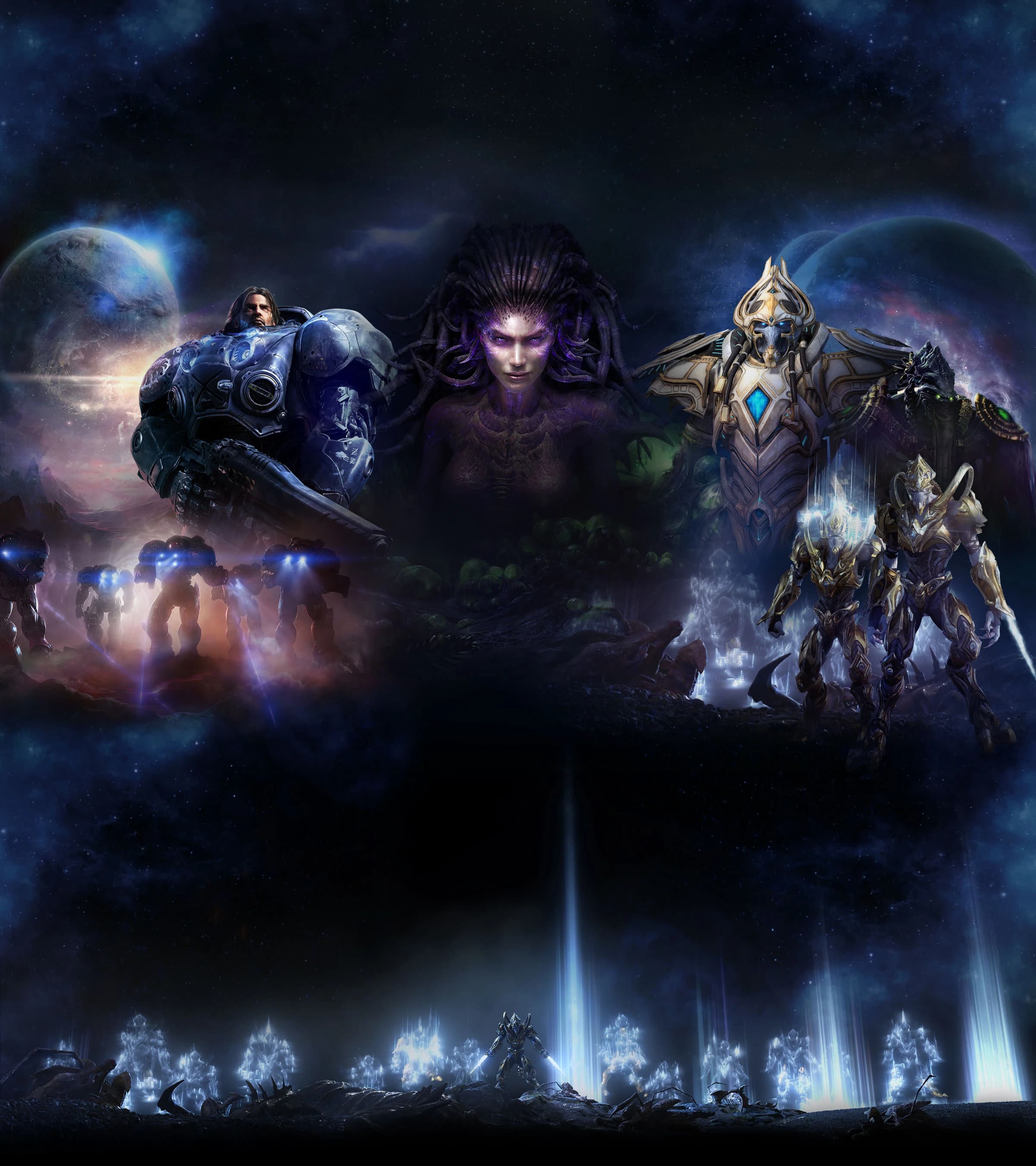
The resurrected xel'naga Amon corrupted the Khala and cost the protoss both Aiur and Shakuras. Kerrigan, remade as a xel'naga, killed him in the Void.
Protoss
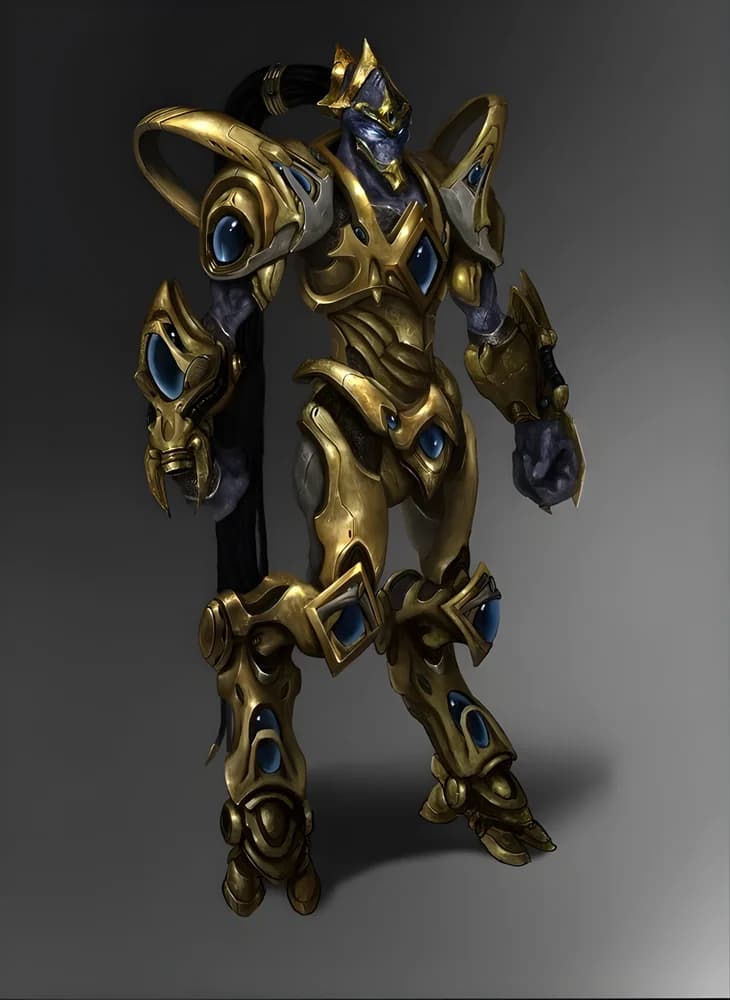
The protoss are an ancient, psionically gifted humanoid species native to Aiur, uplifted by the xel'naga and bound together by the Khala. Among the three dominant species of the galaxy, they are the most technologically advanced, and the most divided by their own history.

Purifiers: protoss minds inside machines
The Conclave built them from the recorded minds of the greatest protoss warriors, then enslaved them. Artanis woke them again to fight against Amon.
Tal'darim: the fanatical protoss sect of Amon
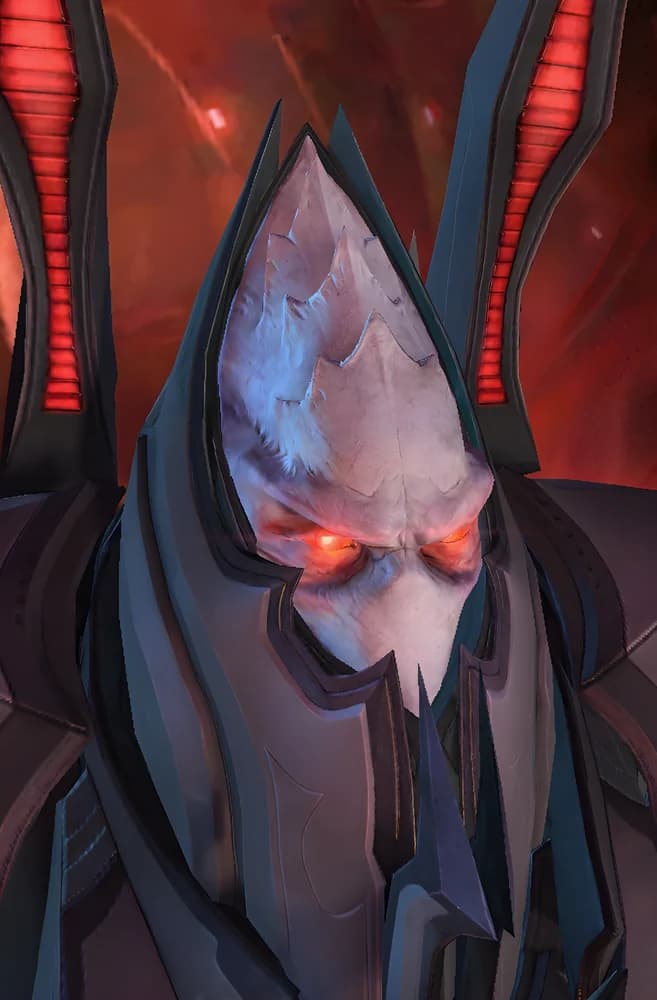
The Tal'darim, known as the Forged or the Chosen, were a fanatical and warlike sect of protoss taken from Aiur by Amon before the Aeon of Strife, who served the fallen xel'naga for ages before Highlord Alarak turned them against him.
Mentioned in3 entries
Artificial intelligence: machine minds of the Koprulu sector
Artificial intelligence was simulated intelligence implanted as computer coding, carried in software or in hardware such as robots. Terrans relied on it for everything from navigation to warfare, the protoss built their automatons through psionic manufacture and once created the sentient Purifiers, and even the xel'naga left thinking crystals behind them.
Cybernetics Core: forge that bound protoss spirits to steel
The cybernetics core was a protoss support structure famed for blending machinery with biological beings and psionics. Its essence translators bonded the spirits of fallen warriors to the exoskeletons of dragoons and other walkers, while its auto-fabricators and field systems gave protoss commanders the means to wage war against far larger armies.
Every Protoss Unit in StarCraft and StarCraft II, Explained
Every protoss warrior, war machine and starship from StarCraft, Brood War and the three StarCraft II games. Each entry covers who fights in it or builds it, how it fights, what it did in the story and which games it appears in, plus the Nerazim, Tal'darim and Purifier versions from Legacy of the Void.
Get new articles in your inbox
No spam. New lore drops, canon conflicts, and deep dives only when they’re worth reading.
Some links on Lore Fortress are affiliate links. If you buy through them we earn a small commission at no extra cost to you.