Every Protoss Unit in StarCraft and StarCraft II, Explained
Every protoss warrior, war machine and starship from StarCraft, Brood War and the three StarCraft II games. Each entry covers who fights in it or builds it, how it fights, what it did in the story and which games it appears in, plus the Nerazim, Tal'darim and Purifier versions from Legacy of the Void.
The protoss go to war with fewer bodies than the terrans or the zerg, so every unit they field is either a highly trained warrior, a machine that does the work of many, or a warrior sealed inside a machine. Most of the classic army comes from the Khalai of Aiur and their Templar caste. After the fall of Aiur the exiled Nerazim added their own Void-powered designs, and in Legacy of the Void the Tal'darim and the Purifiers brought theirs. This page covers every protoss unit from StarCraft (1998), Brood War and the three StarCraft II games, grouped by where it comes from. (StarCraft (manual); StarCraft II: Wings of Liberty; StarCraft II: Legacy of the Void)
Gateway warriors#
These are the foot soldiers, warped in through gateways and, in StarCraft II, the warp gate network. Most are living warriors. The rest are machines built because the protoss can't afford to lose more lives. (StarCraft (manual); StarCraft II: Wings of Liberty)
Zealot#
Zealots are the lower-ranked warriors of the Templar caste, the backbone of the Khalai army since before the Discord. They train for decades, fight up close with psi blades projected from their gauntlets, and use cybernetic implants to wrap themselves in plasma shields. Fenix led them as a praetor in the Great War until he fell at Antioch on Aiur. Our full article on the zealot covers their orders and traditions. Zealots appear in every StarCraft game. (StarCraft (manual); StarCraft; StarCraft II: Wings of Liberty)
Dragoon#
The dragoon gave a second life to Templar too badly hurt to fight on foot. A crippled warrior could volunteer to be sealed inside the four-legged walker, steering its phase disruptor with their psionic skill, and it was counted an honour. Fenix himself went into a dragoon after Antioch and fought on through the Great War and the Brood War. Dragoons are in StarCraft and Brood War, then vanish from StarCraft II until they return as a Khalai option in the Legacy of the Void campaign. (StarCraft (manual); StarCraft; StarCraft: Brood War; StarCraft II: Legacy of the Void)
Stalker#
The stalker is the Nerazim answer to the dragoon. After Aiur fell, the dark templar learned that stealth alone wouldn't beat the zerg, so they built a walker driven by the shadow essence of a volunteer warrior, bound to the frame by a Void ritual that can't be undone. It blinks short distances across the field and strikes with Void energy. Stalkers replaced dragoons in StarCraft II and appear in all three of its games. (StarCraft II game guide; StarCraft II: Wings of Liberty; StarCraft II: Legacy of the Void)
Adept#
The adept comes from an officer class of infantry, trained battlefield commanders who fight at range with glaive cannons. Hierarch Artanis meant them to take the leading role the Judicator caste once held, putting Templar in charge in the field instead. Adepts are masters of psionic transfer, projecting their minds ahead of their bodies. They were still a new addition to the Daelaam army in the End War and appear only in Legacy of the Void. (StarCraft II game guide; StarCraft II: Legacy of the Void)
Sentry#
The sentry is a hovering combat drone meant to keep the zealots around it alive rather than to do the killing. It weaves light into force fields that wall off the enemy, guardian shields that soak incoming fire, and hallucinations that make a small strike force look like a big one. Sentries appear in all three StarCraft II games. (StarCraft II game guide; StarCraft II: Wings of Liberty)
Robotics#
The Khalai have always leaned on machines. Some do the dull work of colonising a world, others were built to scout, haul troops or flatten cities, and a few carry warriors inside them. (StarCraft (manual); StarCraft II game guide)
Probe#
Probes are the robotic workers of the Khalai, designed long ago to lay the foundations of colonies on worlds too hostile for living builders. They mine minerals and gas for the nexus and plant beacons that let whole buildings warp in from far away, which is how the protoss raise a base so fast. Probes are in every StarCraft game. (StarCraft (manual); StarCraft official website)
Shuttle#
The shuttle was a heavily armoured, unarmed robotic transport. The manual only says it carried ground forces into battle, big enough to hold even a reaver, but Blizzard's 1998 website added that skilled pilots were at a premium, so the protoss handed the job of ferrying troops over rough ground to automated craft with powerful thrusters. They appear in StarCraft and Brood War and were replaced by the warp prism. (StarCraft (manual); StarCraft official website; StarCraft; StarCraft: Brood War)
Warp Prism#
The warp prism is the shuttle's successor, a pilotless machine run by a mind grown inside a crystal lattice. It carries warriors by turning them into energy, and it can anchor itself to project a field of the psionic matrix, giving warp gates a spot to send reinforcements to with no pylon nearby. It appears in all three StarCraft II games. (StarCraft II game guide; StarCraft II: Wings of Liberty)
Observer#
The observer is a small cloaked drone built to survey space and record events for the protoss archives. In war it became the army's eyes, hanging unseen over the enemy and exposing cloaked or burrowed foes. It's fragile and unarmed, so it lives or dies by staying hidden. Observers appear in every StarCraft game. (StarCraft (manual); StarCraft II game guide)
Reaver#
The reaver carries no gun. Inside it sits a small factory that builds scarabs, robotic drones it fires at the enemy, and one reaver can level a colony in minutes. Unlike a carrier's interceptors, the scarabs don't come back: they explode on impact. Reavers appear in StarCraft and Brood War and come back as a Khalai siege option in the Legacy of the Void campaign. (StarCraft (manual); StarCraft; StarCraft II: Legacy of the Void)
Immortal#
The immortal took over the dragoon's sacred role. When the zerg overran the shrine on Aiur where dragoons were made, crippled Templar were sealed into this heavier walker instead, and the surviving dragoons were rebuilt as immortals. Each one is consecrated in the name of Adun, who best understood the meaning of self-sacrifice. Immortals appear in all three StarCraft II games. (StarCraft II game guide; StarCraft II: Wings of Liberty)
Colossus#
The colossus is a towering four-legged walker built purely for war, with a thermal lance on each side that sweeps ground troops away. It dates to the Kalath Intercession, and after colossi slaughtered the kalathi the Conclave banned them and sealed them away. The protoss only dug them back out to fight the zerg, and plenty still fear the machines can't really be controlled. Colossi appear in all three StarCraft II games. (StarCraft II game guide; StarCraft II: Wings of Liberty)
Disruptor#
The disruptor is a floating artillery construct from the Purifier Program, run by an artificial mind that can talk. It hurls a sphere of unstable energy that detonates on massed enemies and hurts anyone caught nearby, friend or foe. Disruptors appear only in Legacy of the Void. (StarCraft II game guide; StarCraft II: Legacy of the Void)
Starships#
The protoss fleet runs from small fighters flown by a single pilot up to capital ships the size of a city. The heaviest of them, carriers and motherships, formed the core of the Golden Armada. (StarCraft (manual); StarCraft II: Legacy of the Void)
Scout#
The scout was the fleet's light starfighter, serving as point guard for the fleet. Despite the name it was a proper combat craft, with antimatter missiles for ships in the air and photon blasters for targets on the ground. It held the line in the Great War and the Brood War before the phoenix replaced it. Scouts appear in StarCraft and Brood War. (StarCraft (manual); StarCraft; StarCraft: Brood War; StarCraft II game guide)
Corsair#
The corsair was a fast air-to-air fighter that joined the protoss fleet in the Brood War, firing a rapid spray of energy that shredded swarms of light flyers. It could also cast a disruption web that blinded ground defences beneath it. Legacy of the Void's War Council lists it as a Nerazim craft. Corsairs appear in Brood War and as a campaign option in Legacy of the Void. (StarCraft: Brood War (manual); StarCraft: Brood War; StarCraft II: Legacy of the Void)
Phoenix#
The phoenix took over from the scout as the fleet's air superiority fighter after the Brood War. It's built for speed, and it can lift enemies off the ground with a graviton beam and hold them helpless. Phoenixes appear in all three StarCraft II games. (StarCraft II game guide; StarCraft II: Wings of Liberty)
Void Ray#
The void ray was one of the first ships the Nerazim and Khalai built together after the reunion on Shakuras. It draws on both the Void and the Khala at once, firing a beam that burns hotter the longer it stays on a target, and it takes a disciplined Nerazim mind to keep that core under control. Void rays appear in all three StarCraft II games. (StarCraft II game guide; StarCraft II: Wings of Liberty)
Oracle#
The oracle is a light support ship flown by an order of young Nerazim devoted to studying and controlling time. Its pilots use that gift to see hidden enemies and to judge exactly when to strike, and the ship's pulsar beam is deadly against workers and infantry. Oracles appear in Heart of the Swarm and Legacy of the Void. (StarCraft II game guide; StarCraft II: Heart of the Swarm)
Carrier#
The carrier is the classic protoss capital ship. It carries no main gun and instead launches swarms of interceptors, small robotic fighters assembled in its own hangars by Khalai engineers. The most famous carrier was the Gantrithor, flagship of Tassadar, which he flew into the Overmind on Aiur at the end of the Great War, channelling dark templar energy through its hull to kill it. Carriers appear in every StarCraft game. (StarCraft (manual); StarCraft; StarCraft II game guide)
Tempest#
The tempest is a huge capital ship built after the first phase of the Second Great War, when the zerg and the terrans had both started to outrange the protoss. Its kinetic matrix flings a charged shot further than the ship's own sensors can see, so it usually sits behind the main army and breaks defences before the battle starts. Tempests appear in Heart of the Swarm and Legacy of the Void. (StarCraft II game guide; StarCraft II: Heart of the Swarm)
Arbiter#
The arbiter fights through others. It has only a weak gun, but it cloaks the allies around it, freezes enemy formations in stasis and can recall a distant army to its side in an instant. Psychic Judicators crewed them, using the ship as a focus for its cloaking field. They appear in StarCraft and Brood War and return as a Khalai assault ship option in Legacy of the Void. (StarCraft (manual); StarCraft: Brood War; StarCraft II: Legacy of the Void)
Mothership#
The mothership is one of the most powerful ships in the protoss fleet, and motherships served as the flagships of the Golden Armada. A huge khaydarin crystal inside it lets it warp space-time, cloak the forces around it and recall whole armies. Motherships appear in all three StarCraft II games. (StarCraft II game guide; StarCraft II: Wings of Liberty; StarCraft II: Legacy of the Void)
Mothership Core#
Motherships take so long to build that the protoss started making them in two stages, and the mothership core is the first. It hovers over a nexus as a defensive and support craft, linked to the khaydarin crystals inside, until it can be grown into a full mothership. It appears in Heart of the Swarm. (StarCraft II game guide; StarCraft II: Heart of the Swarm)
Templar and archons#
These are the protoss at their most powerful: warriors who fight with the mind rather than the blade, and the beings created when two of them give up their bodies. (StarCraft (manual); StarCraft: Brood War (manual))
High Templar#
High templar are the most honoured members of protoss society, veteran Templar who give up the zealot's fury to turn their psionic powers into weapons. They call down psionic storms, drain enemy energy and break enemy minds, and they carry blades only as a last resort. Two of them can give up their bodies to form an archon, which the manual calls the final level of commitment. High templar appear in every StarCraft game. (StarCraft (manual); StarCraft; StarCraft II game guide)
Dark Templar#
Dark templar are the warriors of the Nerazim, the tribes banished from Aiur for refusing the Khala. They cut their nerve cords, draw on the Void and fight cloaked in shadow with warp blades. In the Great War Zeratul used that power to kill the cerebrate Zasz on Char for good, which gave the Overmind the location of Aiur. Dark templar appear in every StarCraft game. (StarCraft; StarCraft (manual); StarCraft II: Wings of Liberty)
Archon#
An archon forms when two high templar merge their bodies and minds into one being of pure psionic energy. It's neither flesh nor machine, nearly all of its strength sits in its shields, and its touch tears apart everything nearby. Every archon costs two warriors, so the protoss can't field many. In the Brood War, archons even fought on the side of Aldaris's rebels on Shakuras. Archons appear in every StarCraft game. (StarCraft (manual); StarCraft: Brood War; StarCraft II game guide)
Dark Archon#
The dark archon is what forms when two dark templar merge. It has no physical attack at all, but its Void powers go far beyond an ordinary archon's, including taking control of other creatures' minds. The Nerazim feared them enough to outlaw their creation for a thousand years, until Matriarch Raszagal and Zeratul allowed it again to put down Aldaris's rebellion. Most burn out quickly, but Ulrezaj found a way to last. Dark archons appear in Brood War and return as a Nerazim option in the Legacy of the Void campaign. (StarCraft: Brood War (manual); StarCraft: Brood War; StarCraft: The Dark Templar Saga: Twilight; StarCraft II: Legacy of the Void)
Nerazim, Tal'darim and Purifier variants#
In Legacy of the Void, Artanis's War Council aboard the Spear of Adun let him call on any of the factions in the Daelaam alliance for each role. Most slots had a Khalai version plus one or two from other factions, and the lore behind them says a lot about each group. (StarCraft II: Legacy of the Void)
Nerazim#
The centurion is the backbone of the Nerazim Shadow Guard, a zealot variant that charges straight through the enemy line. The annihilator is their immortal, piloted by a warrior held just short of death because the Nerazim believe the Void grows stronger near the end. The War Council's dark templar, stalker, corsair, void ray and dark archon are Nerazim too. The avengers sit nearby: the War Council files them under the Khalai, but they were Khalai who took up Nerazim ways after the fall of Aiur, waged a secret guerrilla war there cloaked like dark templar, and were brought back into the fold by Artanis. (StarCraft II: Legacy of the Void)
Tal'darim#
Alarak's forces joined after he won the Rak'Shir and became highlord. Havocs are sentries the Tal'darim stole and rebuilt, swapping shield generators for targeting systems. Blood hunters are the highlord's assassins, who hunt down any Tal'darim judged too weak to serve. Ascendants stand in for high templar, vanguards are immortals given to disgraced warriors who fell in battle, and wrathwalkers are colossi the ascendants found and reactivated. In the air, destroyers are stolen void rays rebuilt around unstable bloodshard crystals, and Tal'darim motherships are Khalai designs rebuilt as thrones for their fleet lords. Havocs later fought against the Dominion on Tyrador IX and Vardona. (StarCraft II: Legacy of the Void; StarCraft II: Nova Covert Ops)
Purifiers#
The Purifiers woke on Cybros and brought machine versions of the old roles. Sentinels are fully robotic zealots running a basic AI instead of a copied mind, built to repair themselves and get back up. Energizers are sentries carrying chrono boosters that also project power fields, which Karax added after the Daelaam visited the facility on Glacius. The mirage is a phoenix using phasing technology that would kill a living pilot. The War Council also files the adept, colossus and tempest under the Purifiers, and the adept is the only living warrior on that list. (StarCraft II: Legacy of the Void)
Frequently asked questions
- What is the strongest Protoss unit?
- In the lore it's the mothership. The flagships of the Golden Armada dwarf any Dominion warship, and a fully powered one can bend space-time, cloak a whole fleet and lay waste to planets. Among living warriors, the archon and the dark archon are the most powerful single beings the protoss can field.
- What is the difference between High Templar and Dark Templar?
- High templar are Khalai Templar who stayed in the Khala and fight with psionic storms and other mental powers rather than blades. Dark templar are Nerazim, protoss who rejected the Khala, cut their nerve cords and draw on the Void instead, fighting cloaked with warp blades.
- Why were dragoons replaced by stalkers?
- The dragoon's role passed to two machines after the fall of Aiur. The shrine where dragoons were made was overrun by the zerg, so crippled Templar went into the new immortal instead, while the Nerazim built the stalker, a dragoon-inspired walker driven by a dark templar's shadow essence. Dragoons are in StarCraft (1998) and Brood War, and stalkers replaced them in StarCraft II (2010).
- Which Protoss units are only in StarCraft 1?
- The dragoon, reaver, shuttle, scout, arbiter, corsair and dark archon are the classic units left out of StarCraft II multiplayer. Several of them (dragoon, reaver, arbiter, corsair and dark archon) came back as campaign options in Legacy of the Void.
- What are the Protoss units in StarCraft 2?
- Across the three games: probe, zealot, stalker, sentry, adept, high templar, dark templar, archon, observer, warp prism, immortal, colossus, disruptor, phoenix, void ray, oracle, carrier, tempest, mothership and, in Heart of the Swarm, the mothership core.
Sources
- GameStarCraft, Blizzard Entertainment, 1998
- BookStarCraft (manual), Peter Underwood, Bill Roper, Chris Metzen and Jeffrey Vaughn, Blizzard Entertainment, 1998
- GameStarCraft: Brood War, Blizzard Entertainment, 1998
- BookStarCraft: Brood War (manual), Blizzard Entertainment, 1998
- GameStarCraft II: Wings of Liberty, Blizzard Entertainment, 2010
- GameStarCraft II: Heart of the Swarm, Blizzard Entertainment, 2013
- GameStarCraft II: Legacy of the Void, Blizzard Entertainment, 2015 (campaign and War Council unit descriptions)
- GameStarCraft II: Nova Covert Ops, Blizzard Entertainment, 2016
- WebStarCraft official website, Blizzard Entertainment, 1998, protoss unit pages narrated by Judicator Nuun-Min
- WebStarCraft II game guide, Blizzard Entertainment, official StarCraft II website, protoss unit pages
- BookStarCraft: The Dark Templar Saga: Twilight, Christie Golden, 2009
Spotted a factual error or a primary source we missed? Email a correction. Every flagged claim gets reviewed.
Followed from this entry
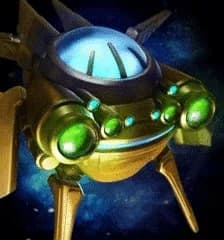
Probe: the Protoss Worker Drone of StarCraft
The probe is the small robotic drone the protoss use to gather resources and warp in their buildings. It was built by the Khalai for worlds too dangerous for living workers, and it has served every protoss faction since the Second Age.
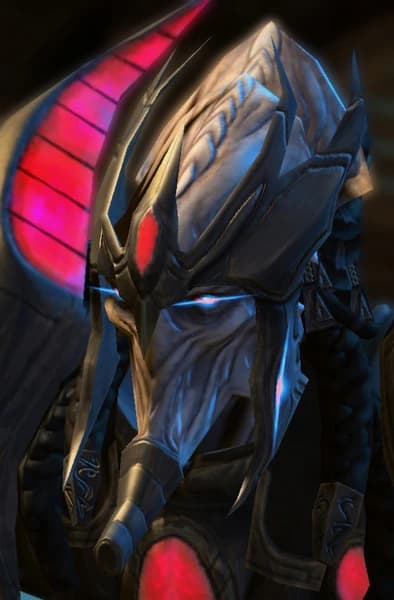
Ascendant: blood-ranked lords of the Tal'darim
Ascendants were the high-ranking psionic warriors of the Tal'darim, standing second only to the highlord on the Chain of Ascension. They won their titles by destroying their superiors in Rak'Shir duels, and drew terrible power from years of absorbing terrazine and draining the life force of their supplicants.
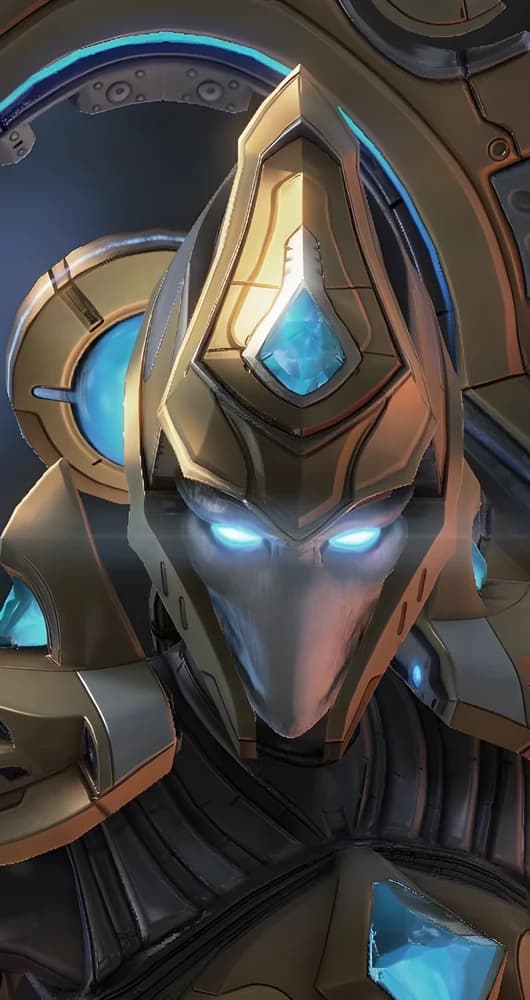
Adept
The adept is a protoss officer-class infantry warrior, a trained battlefield commander armed with glaive cannons and a psionic transfer ability that projects the warrior's mind across the field.
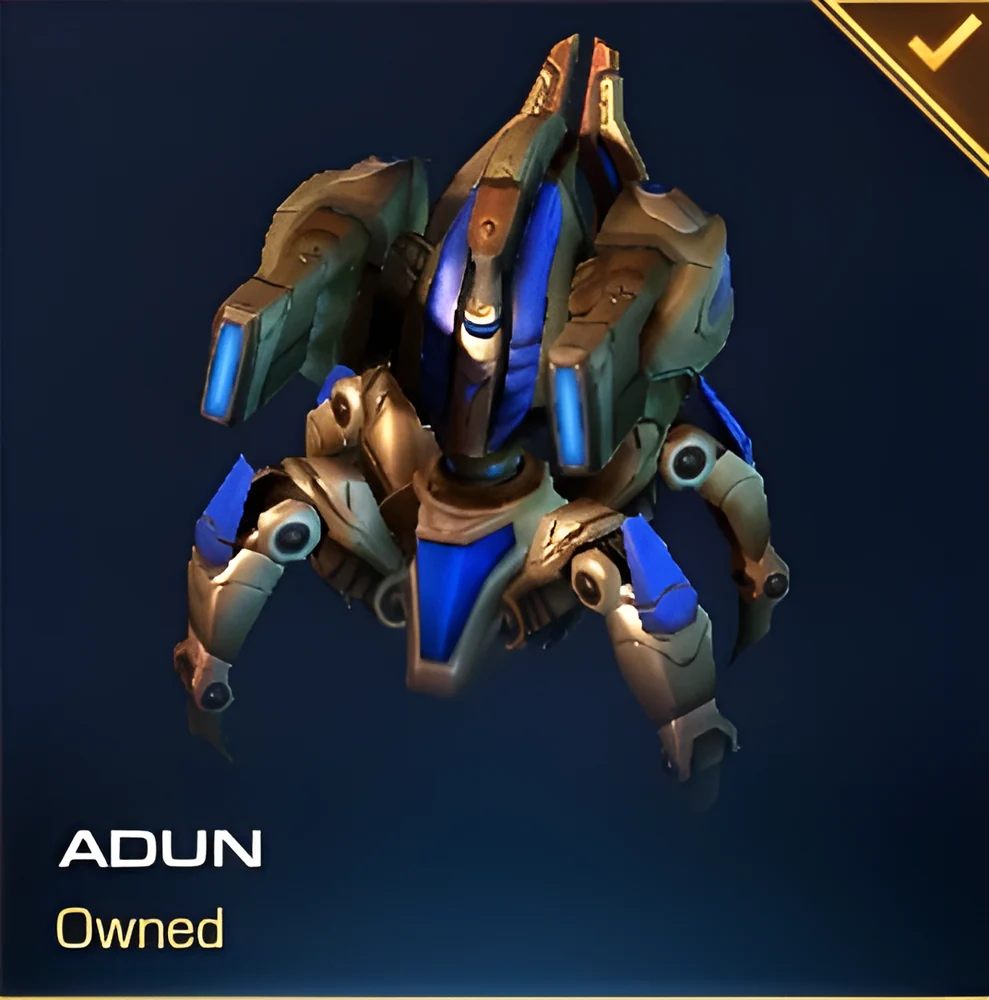
Adun
Adun was a revered protoss executor of the Discord who secretly sheltered the rogue tribes the Conclave ordered him to execute. He burned away saving them as they were exiled, leaving no body behind, and passed into protoss legend as the Twilight Deliverer.
Aiur
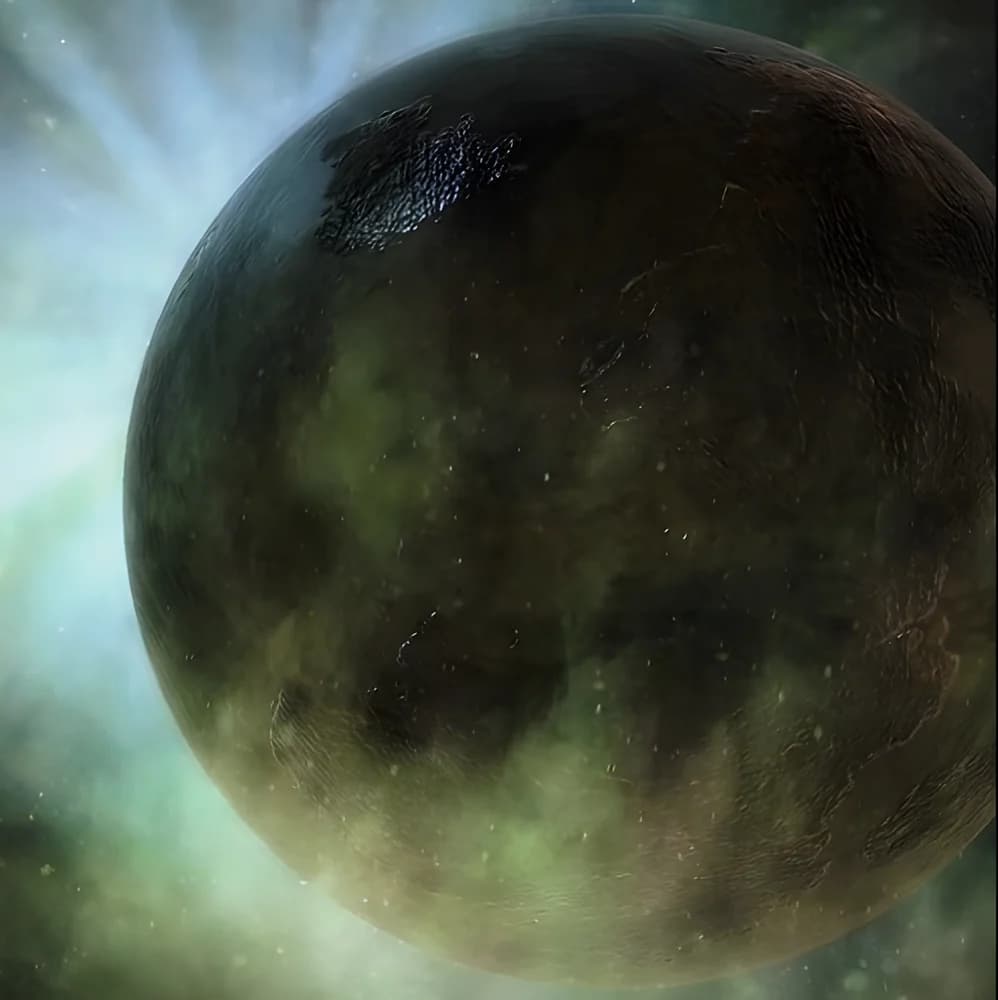
Aiur was the homeworld of the protoss, a verdant world on the galactic fringe engineered by the Xel'Naga and seat of the Protoss Empire. It was overrun by the zerg in 2500 and reclaimed by the Daelaam after the defeat of Amon.
Alarak: the highlord who turned on Amon
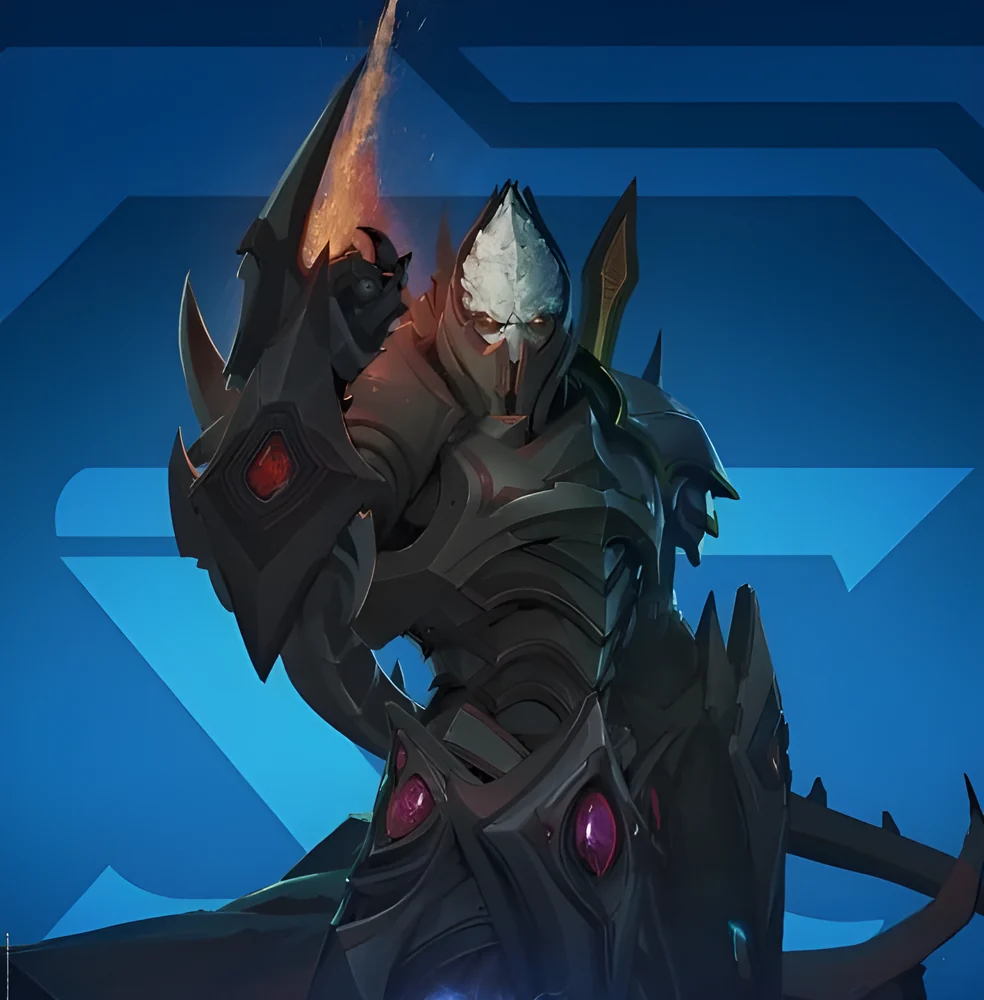
Alarak won the Rak'Shir against Highlord Ma'lash and took the Tal'darim for himself. When Amon cast his people aside, he turned the death fleet on him.
Mentioned in15 entries
Archon
The archon was a heavy protoss being formed when two high templar merged their bodies and minds into a single creature of raw psionic energy. Devastating in battle and short-lived once formed, it was a weapon made by sacrifice.
Carrier
The carrier was the great protoss capital ship, a mobile fortress that carried no weapons of its own but launched swarms of robotic interceptors. It served the Golden Armada, the Tal'darim, and the Purifiers across the Koprulu sector's wars.
Daelaam
The Daelaam was the unified protoss government that bound the Khalai, Nerazim, Purifiers, and some Tal'darim together after the fall of Aiur, led by Hierarch Artanis through the End War against Amon and the reclamation of their homeworld.
Dark Templar (Nerazim)
The Nerazim, known to outsiders as the Dark Templar, are the protoss tribes who shunned the Khala, severed their nerve cords, and drew their power from the Void instead. Banished from Aiur, they became masters of shadow and exile before reuniting with their kin under the Daelaam.
Dragoon
The dragoon is a protoss four-legged walker that gives a second life to Templar too gravely wounded to fight on foot. The crippled warrior is transplanted into the exoskeleton, where their psionic mastery directs its ranged phase disruptors.
High Templar
High templar are the most honored members of the protoss race, veteran Templar who forgo physical combat to develop their psionic powers into potent weapons. They wield psionic storms, drain energy from their foes, and may merge with another to become an archon.
Immortal
The immortal is an advanced protoss cybernetic war machine that succeeded the dragoon, housing some of the most revered and venerable warriors of the protoss military. Consecrated in the name of Adun, immortals are protected by hardened shields and a dying breed.
Khalai: the protoss who kept the Khala
The Khala lifted the Aiur protoss out of the Aeon of Strife and built their Empire. They fled to Shakuras, then lost the Khala in the End War.
Mothership
The mothership was among the most powerful warships in the protoss arsenal, a vast support vessel that served as the flagship of the Golden Armada. Designed during the Golden Age of Expansion as a deep-space explorer, it was later armed and turned to war.
Probe: the Protoss Worker Drone of StarCraft
The probe is the small robotic drone the protoss use to gather resources and warp in their buildings. It was built by the Khalai for worlds too dangerous for living workers, and it has served every protoss faction since the Second Age.
Protoss
The protoss are an ancient, psionically gifted humanoid species native to Aiur, uplifted by the xel'naga and bound together by the Khala. Among the three dominant species of the galaxy, they are the most technologically advanced, and the most divided by their own history.
Protoss technology
Protoss technology blended psionic power with material engineering to produce the most advanced civilization in the galaxy, from energy weapons and cybernetic warriors to robotic constructs and the crystal sciences rooted in xel'naga learning.
+ 3 more
Get new articles in your inbox
No spam. New lore drops, canon conflicts, and deep dives only when they’re worth reading.
Some links on Lore Fortress are affiliate links. If you buy through them we earn a small commission at no extra cost to you.