Khalai: the protoss who kept the Khala
the protoss of Aiur who followed the Khala
The Khala lifted the Aiur protoss out of the Aeon of Strife and built their Empire. They fled to Shakuras, then lost the Khala in the End War.
The Khalai were the protoss who followed the Khala, the great psionic gestalt that bound their minds together. They were alternatively referred to as the "Aiur protoss" or, confusingly, as "Templar," as a means of distinguishing them from other protoss kindreds such as the Nerazim. They are not to be confused with the Khalai Caste, the worker class of the Protoss Empire. The Khala brought the Khalai out of the Aeon of Strife and led in time to the foundation of the Protoss Empire, and the kindred remained the people most often associated with the protoss race as a whole. (StarCraft; StarCraft: Frontline Volume 1; StarCraft II: Legacy of the Void)
Origins and the Protoss Empire#
The Khala brought the protoss out of the Aeon of Strife and in time led to the foundation of the Protoss Empire. While the Dark Templar refused to submit to the Khala and were banished from Aiur as a result, the Khalai remained united and at relative peace. Many of the warriors and war machines in the protoss army, from zealots to carriers, grew out of Khalai tradition. (StarCraft; StarCraft: Brood War)
The Brood War and the flight to Shakuras#
After the fall of Aiur, the Khalai, now refugees, fled the planet en masse to Shakuras, the adopted homeworld of the Dark Templar, and cooperated with them against the zerg. Their arrival was not without conflict. A legion of Khalai followed Judicator Aldaris in a revolt against Matriarch Raszagal, a revolt swiftly put down when Dark Prelate Zeratul, Praetor Artanis, and Sarah Kerrigan returned. In turn, the Khalai were the subject of much hatred from the Fist of Ulrezaj, a dark templar extremist group seeking to remove them from Shakuras. (StarCraft: Brood War; StarCraft: The Dark Templar Saga: Twilight)
In the aftermath of the Brood War, Hierarch Artanis struggled to keep the protoss a unified people, as deep-rooted tensions between the Khalai and the Dark Templar persisted on Shakuras. (StarCraft: The Dark Templar Saga: Twilight; StarCraft II: Legacy of the Void)
The End War and the loss of the Khala#
The reclamation of Aiur was the one common goal both Nerazim and Khalai possessed, and to that end Hierarch Artanis led the Golden Armada in an effort to reclaim the protoss homeworld. The invasion was thrown into chaos by the revealed presence of Amon, who corrupted the Khala and possessed all of the Khalai connected to it. A number of Khalai escaped Aiur on the Spear of Adun after severing their nerve appendages, as did those already aboard. During the conflict, Artanis ordered the end of the Khalai's caste system. By the end of the war the remaining Khalai were freed from Amon's corruption, and they returned to Aiur alongside the Nerazim, the Purifiers, and some Tal'darim to forge a new, unified protoss society. (StarCraft II: Legacy of the Void)
Even years after Amon's fall, reconstruction proved a struggle. The Khalai grasped for purpose without the Khala or the caste system, many finding themselves isolated and lacking direction. Wanting to distract themselves from the horrors of their era, the Khalai turned their art and culture back toward the Golden Age of Expansion, a shift that drew offense from the Nerazim, who saw the changes imposed on shared designs as an affront. Despite the tensions, efforts were made over time to heal the wounds between the two kindreds. (One People, One Purpose; StarCraft II: Nature of the Beast)
Culture#
The Khala was the defining trait of Khalai culture. The Khalai were more demonstrative than the Nerazim in their display of emotions, yet their culture was more monolithic, placing heavy emphasis on collectivism and conformity. The concept of family did not exist among the Khalai in the same manner as it did for terrans or the Nerazim, though warrior Khalai often called other members of their kindred "brother" as a sign of familiarity and respect, and familial units did exist among the Khalai Caste. Because of the emotional connection the Khala provided, the Khalai found it difficult, though not impossible, to hate one another, and all castes were taught to dominate their emotions even under great stress, since emotional instability could cause the Khala to grow unruly. (StarCraft: The Dark Templar Saga: Twilight; Lens of the Void; Children of the Void; StarCraft Field Manual)
The caste system once ensured that a Khalai was fated to remain in the caste into which they were born. With its end, Artanis declared that a Khalai could aspire to whatever position they desired and be judged by their deeds rather than their standing, though many fell back on the ways they had grown up with. Prior to the Great War, Khalai under 300 years of age rarely held significant political positions, and Artanis, 262 years old during the Brood War, was considered young despite his powerful military rank. Female Khalai rarely attained positions of power, were rare among the Templar Caste, and were never part of the Conclave. The Khalai predominantly possessed blue eyes, and their religious principles included Dae'Uhl, the "Great Stewardship," and the Khala itself, the "Path of Ascension." (StarCraft: Brood War; StarCraft: The Dark Templar Saga: Twilight; StarCraft II: Legacy of the Void; Children of the Void)
Since the disbandment of the Conclave and the formation of the Hierarchy, some Khalai came to accept the Nerazim as their kin, though old hatreds still remained beneath the surface. (StarCraft: The Dark Templar Saga: Twilight; StarCraft II: Legacy of the Void)
Frequently asked questions
- Who were the Khalai?
- The Khalai were the protoss who followed the Khala, the great psionic gestalt that bound their minds together. They were also called the Aiur protoss or Templar, and they founded the Protoss Empire.
- Why did the Khalai flee to Shakuras?
- After the fall of Aiur, the Khalai became refugees and fled the planet en masse to Shakuras, the adopted homeworld of the Dark Templar. There they cooperated with the Dark Templar against the zerg.
- What happened to the Khalai during the End War?
- When Amon revealed himself during the reclamation of Aiur, he corrupted the Khala and possessed all the Khalai connected to it. A number escaped aboard the Spear of Adun after severing their nerve appendages, and by the end of the war the remaining Khalai were freed from Amon's corruption.
- How did the Khala shape Khalai culture?
- The Khala was the defining trait of Khalai culture, which placed heavy emphasis on collectivism and conformity. Because of the emotional connection the Khala provided, the Khalai found it difficult, though not impossible, to hate one another, and all castes were taught to dominate their emotions.
- What was the Khalai relationship with the Nerazim?
- Deep-rooted tensions between the Khalai and the Dark Templar persisted on Shakuras after the Brood War. Since the formation of the Hierarchy, some Khalai came to accept the Nerazim as kin, though old hatreds still remained beneath the surface.
Sources
- GameStarCraft, Blizzard Entertainment, 1998
- GameStarCraft: Brood War, Blizzard Entertainment and Saffire, 1998
- GameStarCraft II: Legacy of the Void, Blizzard Entertainment, 2015
- BookStarCraft: The Dark Templar Saga: Twilight, Christie Golden, Pocket Star, 2009
- ComicStarCraft: Frontline Volume 1, "Why We Fight", Josh Elder (w), Ramanda Kamarga (a), Tokyopop, 2008
- BookLens of the Void, Hugh Todd, Blizzard Entertainment short story, 2013
- BookChildren of the Void, Matt Burns, Blizzard Entertainment short story, 2015
- BookStarCraft Field Manual, Rick Barba, Insight Editions, 2017
- BookOne People, One Purpose, Alex Acks, Blizzard Entertainment short story, 2020
- ComicStarCraft II: Nature of the Beast, Brian Alexander and Alex Acks (w), Carlos Rodriguez (a), Blizzard Entertainment, 2022
Spotted a factual error or a primary source we missed? Email a correction. Every flagged claim gets reviewed.
Followed from this entry
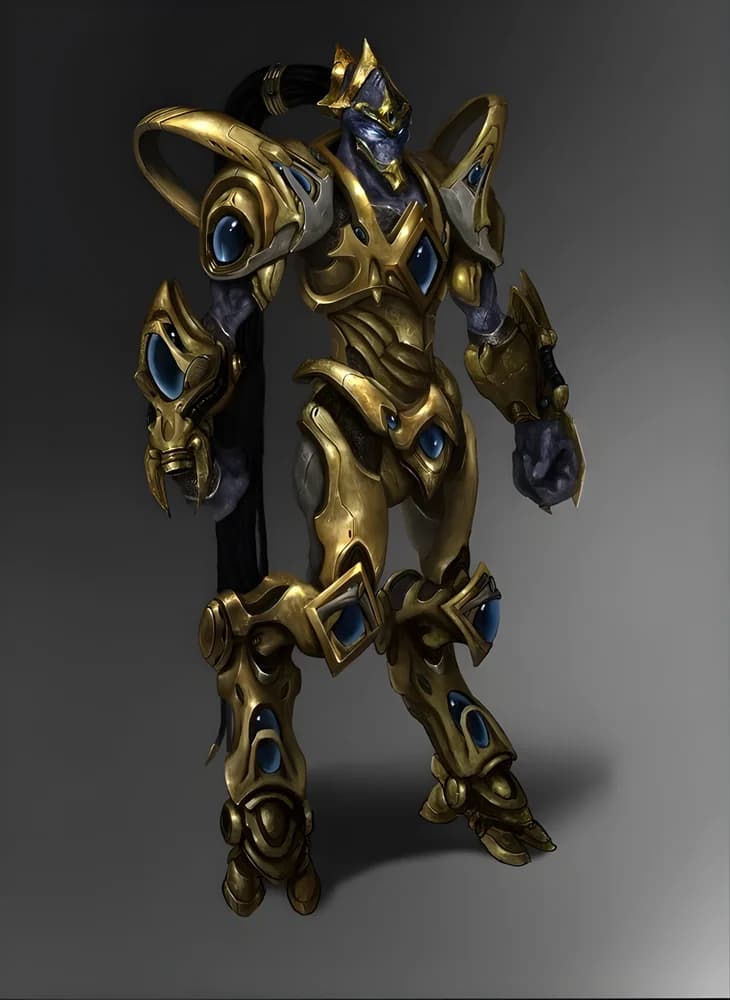
Protoss
The protoss are an ancient, psionically gifted humanoid species native to Aiur, uplifted by the xel'naga and bound together by the Khala. Among the three dominant species of the galaxy, they are the most technologically advanced, and the most divided by their own history.

Purifiers: protoss minds inside machines
The Conclave built them from the recorded minds of the greatest protoss warriors, then enslaved them. Artanis woke them again to fight against Amon.
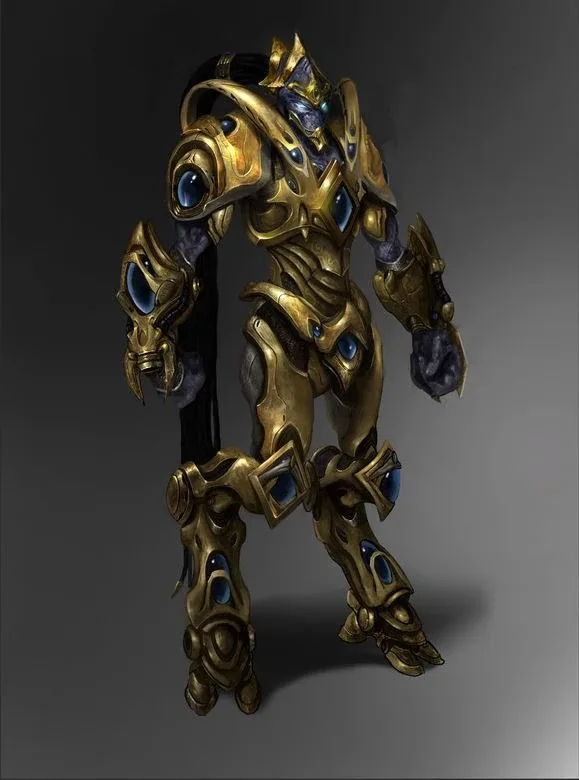
Every Protoss Unit in StarCraft and StarCraft II, Explained
Every protoss warrior, war machine and starship from StarCraft, Brood War and the three StarCraft II games. Each entry covers who fights in it or builds it, how it fights, what it did in the story and which games it appears in, plus the Nerazim, Tal'darim and Purifier versions from Legacy of the Void.
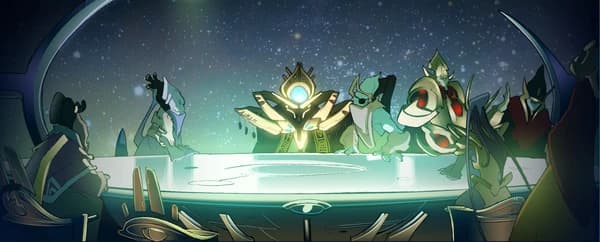
Hierarchy: the twilight council of the Daelaam
The Hierarchy, also called the Twilight Council, was the governing body of the unified protoss on Shakuras and the successor of the fallen Conclave. Fractious and slow until Artanis agreed to lead it, the council steered the Daelaam through crisis after crisis until the destruction of Shakuras.
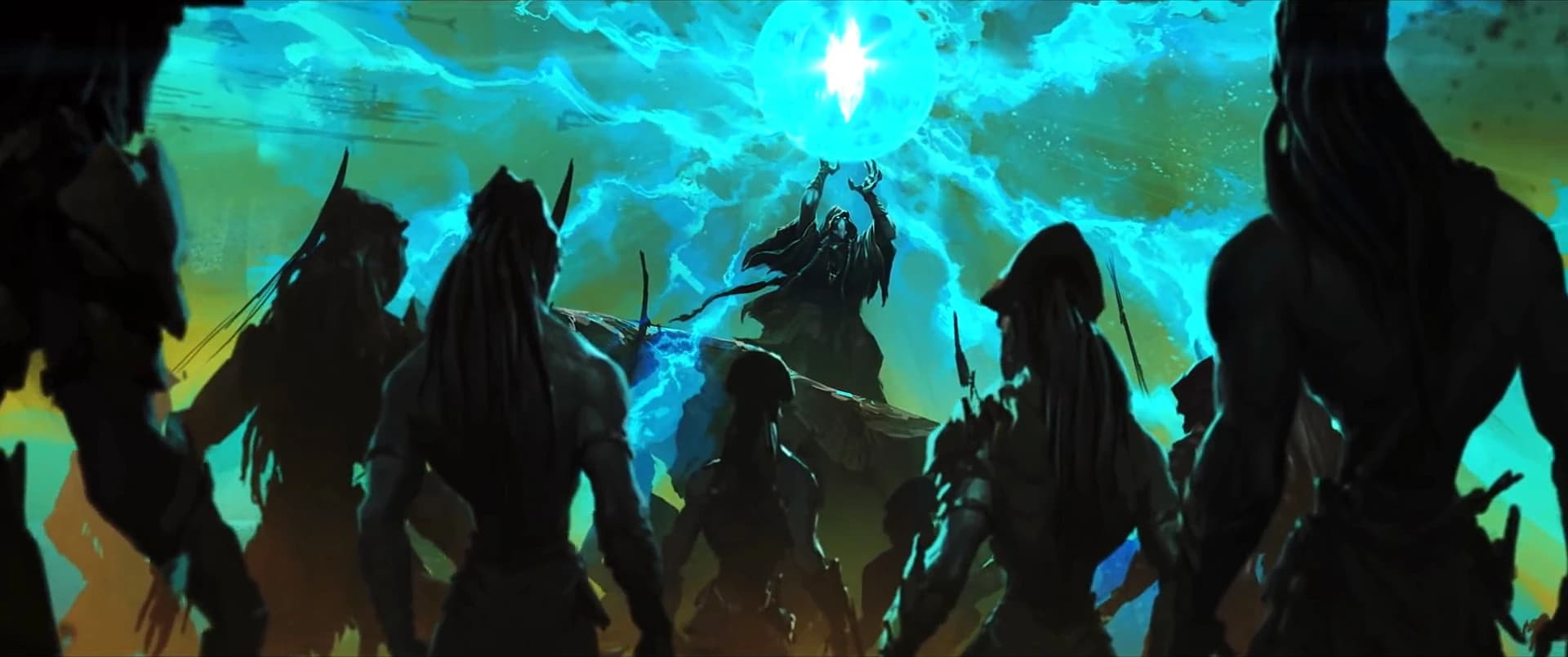
Aeon of Strife
The Aeon of Strife was a millennia-long civil war among the protoss, called the bloodiest civil war in galactic history. It followed the departure of the xel'naga and the loss of the protoss psychic link, and ended when the scholar Khas rediscovered the khaydarin crystals and founded the Khala.
Aiur
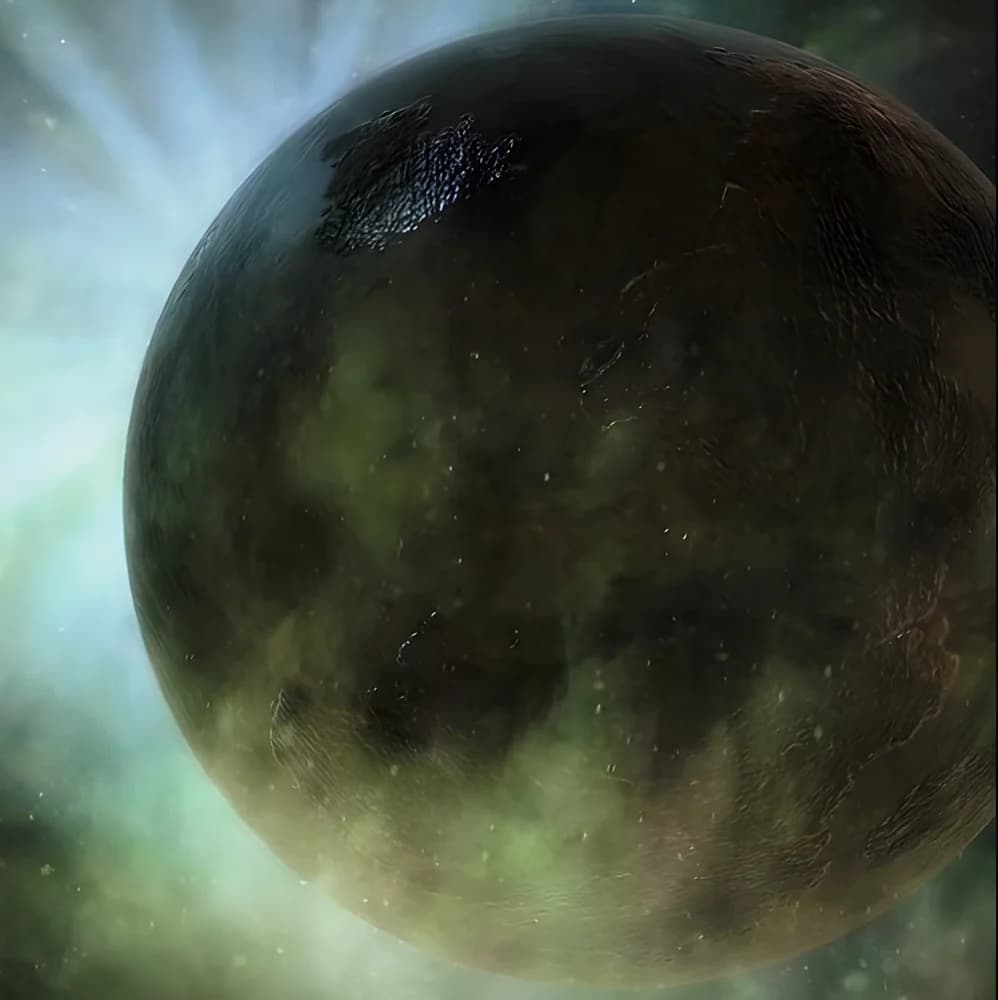
Aiur was the homeworld of the protoss, a verdant world on the galactic fringe engineered by the Xel'Naga and seat of the Protoss Empire. It was overrun by the zerg in 2500 and reclaimed by the Daelaam after the defeat of Amon.
Mentioned in67 entries
2502: the year of quiet atrocities
2502 fell in the uneasy years between the Brood War and the Second Great War. The Terran Dominion hid a colonial massacre behind parade broadcasts, Emperor Mengsk buried the mother of his heir, a squad of outlaw commandos was sent to kill Jim Raynor, and secret programs built on stolen ghosts and captive protoss advanced in the dark.
Aiur
Aiur was the homeworld of the protoss, a verdant world on the galactic fringe engineered by the Xel'Naga and seat of the Protoss Empire. It was overrun by the zerg in 2500 and reclaimed by the Daelaam after the defeat of Amon.
Alarak: the highlord who turned on Amon
Alarak won the Rak'Shir against Highlord Ma'lash and took the Tal'darim for himself. When Amon cast his people aside, he turned the death fleet on him.
Aldaris: the judicator who saw the truth
A strict Khala believer who acted as the Conclave's hand against Tassadar. He died on Shakuras exposing Kerrigan's hold over Matriarch Raszagal.
Amon
Amon was a malevolent xel'naga who turned against the Infinite Cycle of his kind and sought to end all life and remake it in his image. He created the Overmind and the Zerg Swarm, enslaved the Tal'darim, and was finally destroyed in the Void by an ascended Sarah Kerrigan during the End War.
Archon
The archon was a heavy protoss being formed when two high templar merged their bodies and minds into a single creature of raw psionic energy. Devastating in battle and short-lived once formed, it was a weapon made by sacrifice.
Arkship: the three protoss vessels built to outlive the species
Arkships are three protoss vessels larger than zerg leviathans, ordered by the Conclave during the Golden Age of Expansion and buried under Aiur to restore the protoss after a disaster rather than prevent one.
Artanis
Artanis was the Hierarch of the Daelaam, a renowned warrior who rose from executor during the zerg invasion of Aiur to lead the reunited protoss. He forged the Khalai and Nerazim into one people, reclaimed Aiur, and led the alliance that banished Amon from the Khala.
Colossus
The colossus was a towering protoss robotic walker built purely for war, dating back to the Kalath Intercession. Outlawed by the Conclave after the slaughter of the kalathi, it was unearthed and returned to service against the zerg and became, to the Terran Dominion, the ultimate terror weapon.
Creep
Creep was a living zerg superorganism, a viscous purple substance that nourished zerg structures and strains, bound entire colonies into a single organism, and could consume a whole planet within days if left unchecked.
Cybernetics Core: forge that bound protoss spirits to steel
The cybernetics core was a protoss support structure famed for blending machinery with biological beings and psionics. Its essence translators bonded the spirits of fallen warriors to the exoskeletons of dragoons and other walkers, while its auto-fabricators and field systems gave protoss commanders the means to wage war against far larger armies.
Daelaam
The Daelaam was the unified protoss government that bound the Khalai, Nerazim, Purifiers, and some Tal'darim together after the fall of Aiur, led by Hierarch Artanis through the End War against Amon and the reclamation of their homeworld.
+ 55 more
Get new articles in your inbox
No spam. New lore drops, canon conflicts, and deep dives only when they’re worth reading.
Some links on Lore Fortress are affiliate links. If you buy through them we earn a small commission at no extra cost to you.