Khala
the psionic bond of the Khalai protoss
The Khala was the communal psionic link and guiding philosophy of the Khalai protoss, founded by the mystic Khas to end the Aeon of Strife. It bound its adherents in shared emotion for over a thousand years until Amon corrupted it, forcing the protoss to sever it forever.
The Khala, the "Path of Ascension," was the principal religion of the Khalai protoss and the communal psionic link that bound all its adherents together. Founded on a psionic philosophy that maintained a shared bond of emotion among its followers, it divided them into at least five levels of adepts and could not be permanently broken once joined, except by severing the nerve cords, though drugs and certain psionic abilities could sever an adherent from it temporarily. The Nerazim and the Tal'darim never used the Khala: the former viewed it as the robbing of individuality, and the latter never submitted to it. (StarCraft; StarCraft: The Dark Templar Saga: Shadow Hunters; StarCraft: Frontline Volume 1; StarCraft II: Legacy of the Void)
The original link and its breaking#
In their plot to create the perfect creatures to end the Infinite Cycle, Amon and the xel'naga who followed him broke their rule of noninterference and came to Aiur. Seeing in the protoss the potential for purity of form, they manipulated the natural psionic link the species had developed in order to accelerate it. After a millennium of subtle work the xel'naga revealed themselves and interacted with the nascent species directly, but they soon found that the maturing tribal structure and the rise of individualism were eroding the psionic link. Eventually the link broke: the protoss could still communicate telepathically and read one another's thoughts, but the empathic bond was lost. Regarding the experiment as a failure, Amon's xel'naga departed Aiur, and the protoss fell into the Aeon of Strife. (StarCraft II: Legacy of the Void; StarCraft: The Dark Templar Saga: Twilight)
Khas and the founding of the Khala#
Near the end of the Strife, a protoss named Savassan, later known as Khas, "he who brings order," found the khaydarin crystals the xel'naga had left behind on Aiur. Touching the crystals, he rediscovered the psionic link, and with knowledge drawn from other xel'naga relics he learned how to rekindle the empathic bond. He recorded these findings as the founding precepts of the Khala so that the protoss might once more become a unified communal society. Many protoss both revered and hated the xel'naga, and that hatred had fueled the Strife; Khas held that the protoss did not need their makers, only the once-lost emotional link, and that embracing the positive emotions all protoss shared could negate their destructive self-hatred. In this way Khas ended the Aeon of Strife and brought on the protoss Second Age. Unknown to Amon or the protoss, the creation of the Khala disturbed the loyal xel'naga from their slumber and led them to discover Amon's plot. (StarCraft; StarCraft: The Dark Templar Saga: Firstborn; StarCraft: The Dark Templar Saga: Shadow Hunters; StarCraft II: Legacy of the Void)
The shape of protoss society#
Built on the Khala, protoss society restructured itself into three castes: the Judicator Caste led by the Conclave, the Khalai Caste, and the Templar. When the protoss became an active interstellar civilization once more, the Khala led them to adopt the Dae'Uhl, the "Great Stewardship," over the less advanced species they encountered. Those who followed the Khala were often called Khalai in a broader sense than membership in the caste, and moments of great weight in protoss society could be felt through the whole of it, with all protoss sounding together as one in response. Being subsumed in the Khala meant a certain loss of self alongside the gain of the "other," and the loss could be drastic; some protoss rejected it and severed their long head nerve cords to cut the empathic link. These outcasts formed the Rogue Tribes and, after their banishment from Aiur, became known as the Nerazim. (StarCraft; StarCraft: The Dark Templar Saga: Shadow Hunters)
How the Khala was used#
It was very hard for Khalai to hide from one another through the empathic link, though non-adherents such as the Nerazim could still conceal themselves. The depth of the connection varied by personal choice, and full immersion in unity at all times was difficult to maintain. Members of the Templar and Judicator Castes, along with many Khalai, immersed themselves deeply several times a day, nourishing themselves through the rich contact and emerging refreshed; the nectar of the plant alavash was often used to strengthen the connection. Because the link carried emotion as well as thought, Khalai found it difficult, though not impossible, to hate one another, and in times of great loss all connected protoss felt the weight of the tragedy and sounded together in shared grief. (StarCraft: The Dark Templar Saga: Shadow Hunters; It Will End in Fire; StarCraft Field Manual)
The discipline of the Khala was required to control abilities such as the psionic storm, and the Khala granted a protoss an enormous reserve of psionic energy, with strength measured in levels, fifth-level adepts being considered extremely powerful. The fortitude of the Khala also protected the protoss from assimilation by the zerg. Through the Khala, the Khalai dead "entered" the link but did not remain as coherent entities; rather, resonances of their last thoughts and experiences lingered, which living protoss could sense, sometimes with the aid of the Templar Archives, though only preservers had full access to this knowledge. According to tradition, after death the Khala was an unending chorus of minds woven in harmony and joy, growing stronger as more spirits entered it. (StarCraft; StarCraft: Frontline Volume 1; StarCraft: The Dark Templar Saga: Twilight; Cold Symmetry)
The corruption and end of the Khala#
During the reclamation of Aiur in the End War, Amon returned to the material universe. Lacking a host body, he asserted his consciousness into the Khala itself, which let him sustain himself in the material world while controlling every protoss bound to it. The Dark Prelate Zeratul cut the nerve cord of Hierarch Artanis at the cost of his own life, freeing Artanis, who rallied what unconnected protoss he could and escaped Aiur. Those who had mastered every intricacy of the Khala could resist Amon's possession, but only for a time, and from there Amon used the corrupted protoss of the Golden Armada to purify worlds in his crusade against all life. (StarCraft II: Legacy of the Void)
Phase-smith Karax, working with the Keystone, discovered a way to pull Amon out of the Khala temporarily; if the protoss around him severed their nerve cords while he was extracted, he would have no host to occupy and would be cast back into the Void. Allying with the Nerazim, who had already severed their connection, the Tal'darim, who had never formed one, and the Purifiers, Artanis destroyed Amon's host body on Aiur and used the Keystone to draw Amon from the Khala. The remaining protoss under Amon's control then severed their nerve cords, cutting the psychic link shared among all Khalai and ending the Khala. Artanis set out to build a new protoss society bound not by the Khala but by the unity of their race. Even five years on, the protoss still struggled with the wound the loss had left, many Khalai finding themselves without contact or purpose, and radical attempts to forge a new Khala using Nerazim and Purifier technologies often killed those who tried. (StarCraft II: Legacy of the Void; StarCraft: Evolution; One People, One Purpose)
Frequently asked questions
- What is the Khala in StarCraft?
- The Khala, the Path of Ascension, was the principal religion of the Khalai protoss and the communal psionic link that bound all its adherents together in a shared bond of emotion. It divided its followers into at least five levels of adepts and could not be permanently broken once joined, except by severing the nerve cords.
- Who founded the Khala?
- Near the end of the Aeon of Strife, a protoss named Savassan, later known as Khas, found the khaydarin crystals the xel'naga had left on Aiur and rediscovered the psionic link. He recorded his findings as the founding precepts of the Khala so the protoss might once more become a unified communal society, ending the Strife and bringing on the Second Age.
- Why did the Nerazim reject the Khala?
- Being subsumed in the Khala meant a certain loss of self alongside the gain of the other, and that loss could be drastic. Some protoss rejected it and severed their head nerve cords to cut the empathic link, forming the Rogue Tribes who, after their banishment from Aiur, became known as the Nerazim.
- What were the benefits of the Khala?
- The Khala granted a protoss an enormous reserve of psionic energy and the discipline required to control abilities such as the psionic storm. Its fortitude also protected the protoss from assimilation by the zerg, and because the link carried emotion as well as thought, Khalai found it difficult to hate one another.
- How did the Khala end?
- During the End War, Amon asserted his consciousness into the Khala to sustain himself and control every protoss bound to it. Phase-smith Karax found a way to pull Amon out temporarily, and once he was extracted the protoss severed their nerve cords, cutting the link shared among all Khalai and ending the Khala forever to banish Amon into the Void.
Sources
- GameStarCraft, Blizzard Entertainment, 1998
- GameStarCraft II: Legacy of the Void, Blizzard Entertainment, 2015
- BookStarCraft: The Dark Templar Saga: Firstborn, Christie Golden, Pocket Star, 2007
- BookStarCraft: The Dark Templar Saga: Shadow Hunters, Christie Golden, Pocket Star, 2007
- BookStarCraft: The Dark Templar Saga: Twilight, Christie Golden, Pocket Star, 2009
- ComicStarCraft: Frontline Volume 1, "Why We Fight", Josh Elder (w), Ramanda Kamarga (a), Tokyopop, 2008
- BookCold Symmetry, Cameron Dayton, Blizzard Entertainment short story, 2013
- BookIt Will End in Fire, Robert Brooks, Blizzard Entertainment short story, 2015
- BookStarCraft: Evolution, Timothy Zahn, Del Rey, 2016
- BookStarCraft Field Manual, Rick Barba, Insight Editions, 2017
- BookOne People, One Purpose, Alex Acks, Blizzard Entertainment short story, 2020
Spotted a factual error or a primary source we missed? Email a correction. Every flagged claim gets reviewed.
Followed from this entry
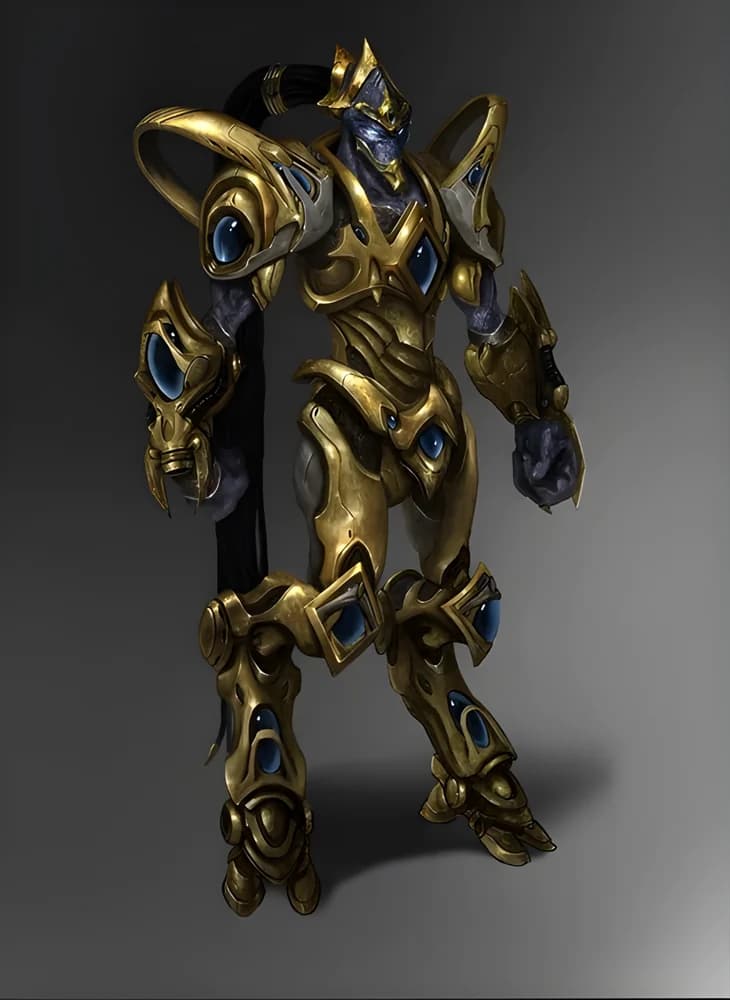
Psionics
Psionics is the psychic power that runs through the three great species of the galaxy. It is the foundation of protoss civilization through the Khala and the Void, the latent gift that makes terrans valuable to the zerg, and the medium through which the Swarm itself communicates and is controlled.
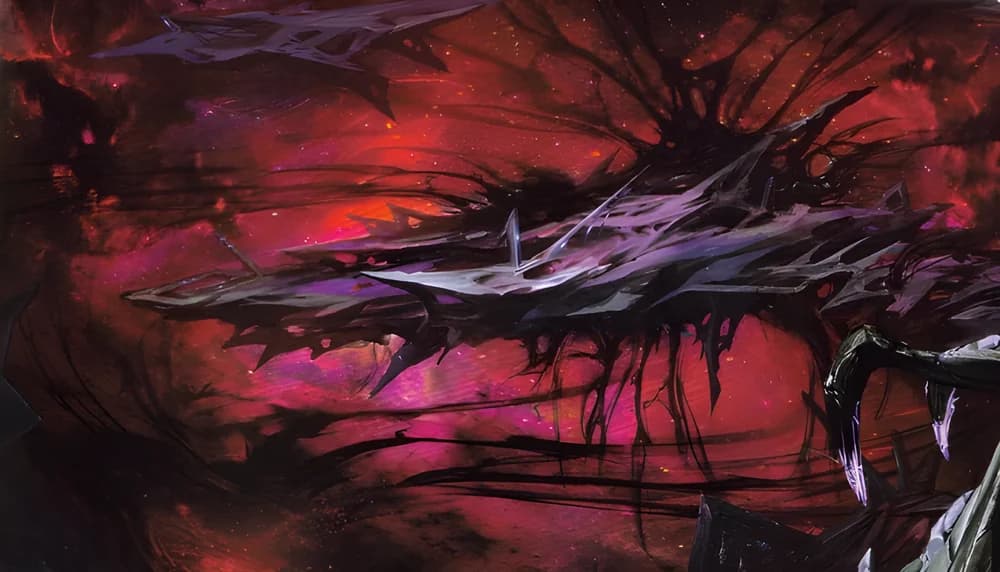
Void
The Void was a dark, cold manifestation of space separate from the material universe, the wellspring from which the Nerazim drew their psionic power and the realm in which the minds of the xel'naga endured after the death of their bodies. Its energy was unpredictable and lethal in sufficient quantity.
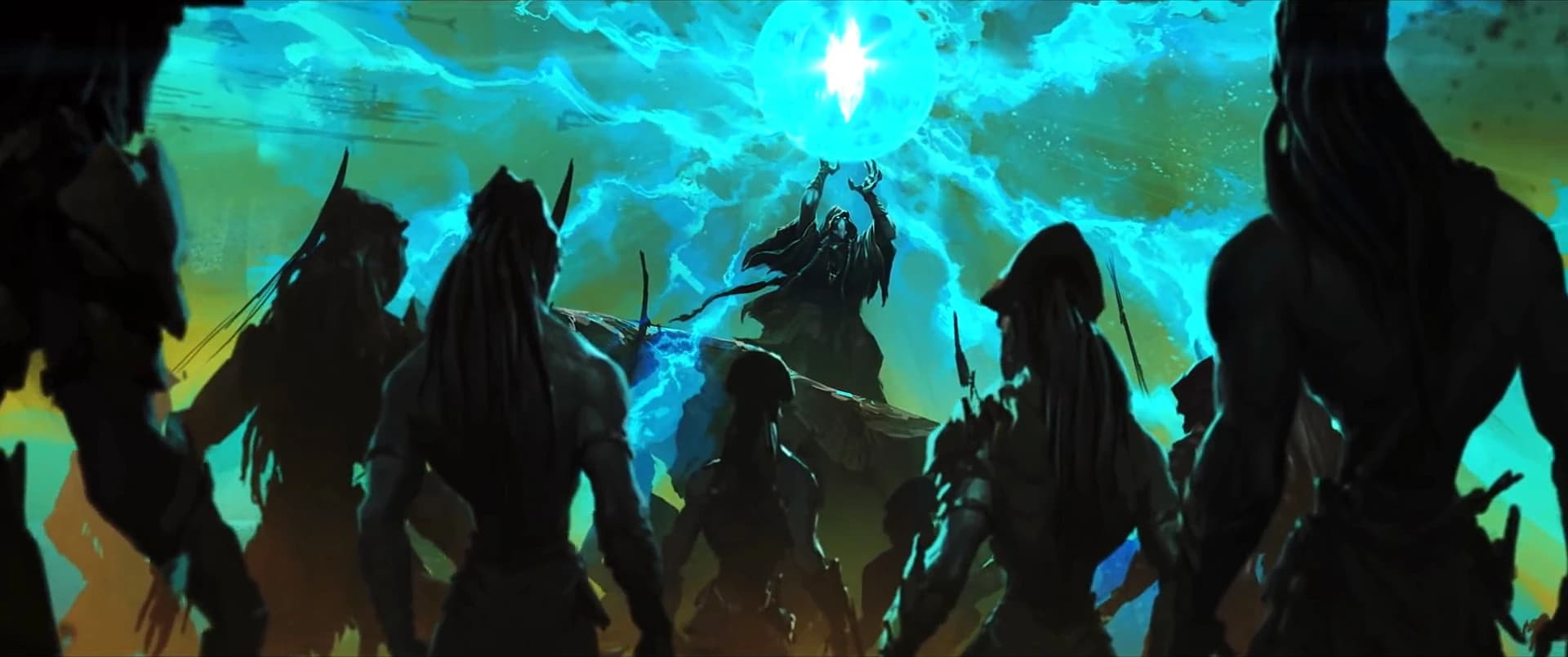
Aeon of Strife
The Aeon of Strife was a millennia-long civil war among the protoss, called the bloodiest civil war in galactic history. It followed the departure of the xel'naga and the loss of the protoss psychic link, and ended when the scholar Khas rediscovered the khaydarin crystals and founded the Khala.
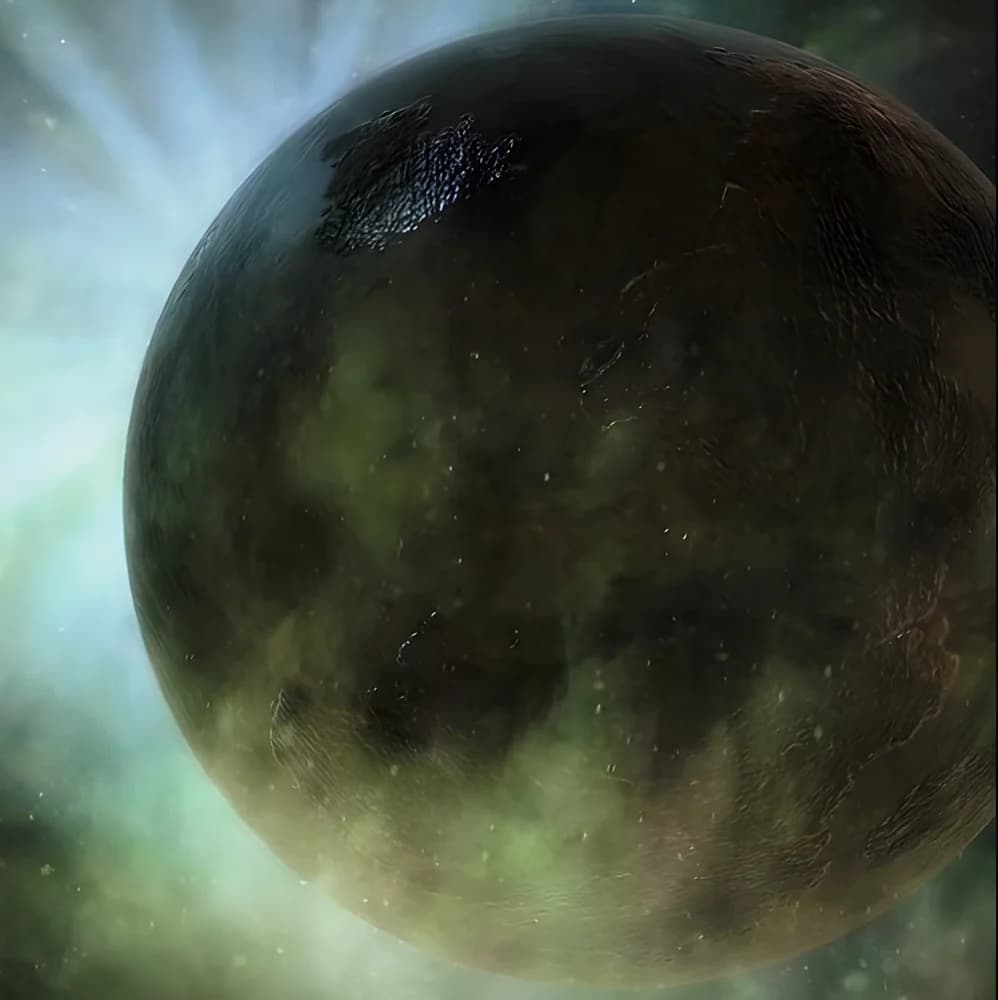
Aiur
Aiur was the homeworld of the protoss, a verdant world on the galactic fringe engineered by the Xel'Naga and seat of the Protoss Empire. It was overrun by the zerg in 2500 and reclaimed by the Daelaam after the defeat of Amon.

Artanis
Artanis was the Hierarch of the Daelaam, a renowned warrior who rose from executor during the zerg invasion of Aiur to lead the reunited protoss. He forged the Khalai and Nerazim into one people, reclaimed Aiur, and led the alliance that banished Amon from the Khala.

Conclave: the elders who exiled the Nerazim
A small body of Judicator elders ruled the Protoss Empire from Aiur. They banished the Dark Templar, enslaved the Purifiers and tried Tassadar.
Mentioned in77 entries
Adept
The adept is a protoss officer-class infantry warrior, a trained battlefield commander armed with glaive cannons and a psionic transfer ability that projects the warrior's mind across the field.
Adun
Adun was a revered protoss executor of the Discord who secretly sheltered the rogue tribes the Conclave ordered him to execute. He burned away saving them as they were exiled, leaving no body behind, and passed into protoss legend as the Twilight Deliverer.
Aeon of Strife
The Aeon of Strife was a millennia-long civil war among the protoss, called the bloodiest civil war in galactic history. It followed the departure of the xel'naga and the loss of the protoss psychic link, and ended when the scholar Khas rediscovered the khaydarin crystals and founded the Khala.
Aiur
Aiur was the homeworld of the protoss, a verdant world on the galactic fringe engineered by the Xel'Naga and seat of the Protoss Empire. It was overrun by the zerg in 2500 and reclaimed by the Daelaam after the defeat of Amon.
Alarak: the highlord who turned on Amon
Alarak won the Rak'Shir against Highlord Ma'lash and took the Tal'darim for himself. When Amon cast his people aside, he turned the death fleet on him.
Aldaris: the judicator who saw the truth
A strict Khala believer who acted as the Conclave's hand against Tassadar. He died on Shakuras exposing Kerrigan's hold over Matriarch Raszagal.
Amon
Amon was a malevolent xel'naga who turned against the Infinite Cycle of his kind and sought to end all life and remake it in his image. He created the Overmind and the Zerg Swarm, enslaved the Tal'darim, and was finally destroyed in the Void by an ascended Sarah Kerrigan during the End War.
Amon's Forces
Amon's Forces, also called the Forces of Amon, were a union of terran, protoss, zerg, hybrid and Void creatures subservient to the fallen xel'naga Amon during the End War. Bound to his will, they sought the eradication of all the xel'naga's creation and an end to the Infinite Cycle.
Arkship: the three protoss vessels built to outlive the species
Arkships are three protoss vessels larger than zerg leviathans, ordered by the Conclave during the Golden Age of Expansion and buried under Aiur to restore the protoss after a disaster rather than prevent one.
Artanis
Artanis was the Hierarch of the Daelaam, a renowned warrior who rose from executor during the zerg invasion of Aiur to lead the reunited protoss. He forged the Khalai and Nerazim into one people, reclaimed Aiur, and led the alliance that banished Amon from the Khala.
Carrier
The carrier was the great protoss capital ship, a mobile fortress that carried no weapons of its own but launched swarms of robotic interceptors. It served the Golden Armada, the Tal'darim, and the Purifiers across the Koprulu sector's wars.
Clolarion: Purifier executor of Cybros
Clolarion was an ancient Purifier patterned on the brain scan of one of the greatest warriors in protoss history. He rose with the Purifiers in their rebellion against the Conclave, slept for ages sealed within Cybros, and reawakened during the End War to purify Endion and negotiate his people into the Daelaam.
+ 65 more
Get new articles in your inbox
No spam. New lore drops, canon conflicts, and deep dives only when they’re worth reading.
Some links on Lore Fortress are affiliate links. If you buy through them we earn a small commission at no extra cost to you.