Psionics
the mind-power of the Koprulu Sector
Psionics is the psychic power that runs through the three great species of the galaxy. It is the foundation of protoss civilization through the Khala and the Void, the latent gift that makes terrans valuable to the zerg, and the medium through which the Swarm itself communicates and is controlled.
Psionics was the psychic power that ran through all three of the galaxy's dominant species and shaped much of the history of the Koprulu sector. Among the protoss it was the foundation of an entire civilization, expressed through the communal link of the Khala and the shadow energies of the Void. Among the terrans it was a latent gift that left them only a few steps from becoming a formidable psionic power, and which made them valuable to the zerg. For the Swarm, psionics was both the medium of its communication and the means by which it was controlled. (StarCraft (manual); StarCraft)
Psionics among the protoss#
For the protoss, psionics was not a rare talent but the basis of their nature. All protoss eyes glowed with latent psychic power. Their psionic abilities ran further than those of terran ghosts: they were natural mind-readers who had to learn to filter the thoughts of others and to block and release their own minds, and they could think through many lines of thought and memory in the span of a second. Some feats, such as the creation of shields, could be performed without technological aid only by a small minority. (StarCraft II: Nature of the Beast; StarCraft: The Dark Templar Saga: Firstborn; StarCraft: The Dark Templar Saga: Shadow Hunters; In the Dark; StarCraft (manual))
Protoss communicated psionically, either through emotionless "speaking" or through the nerve cords that carried emotion and formed their racial gestalt. They spoke a mental language, Khalani, in telepathic bursts, and could even interface directly with terran video systems. Psionic power also tied the protoss to their dead: through the Khala, and with the help of the Templar Archives, a protoss could sense the memories and experiences of fallen warriors, though only preservers held full access to this knowledge. (StarCraft: The Dark Templar Saga: Firstborn; StarCraft: The Dark Templar Saga: Shadow Hunters; StarCraft Field Manual; StarCraft (manual))
The Khala and the Void#
Protoss psionics flowed through two great channels. The Khala, founded by Khas at the end of the Aeon of Strife, was a communal link that bound its adherents in shared emotion. Its discipline was required to control the most dangerous abilities, the psionic storm chief among them, and long after the Strife the untrained rogues who would become the Nerazim inadvertently unleashed such storms on Aiur when they could not control their powers. Its fortitude protected its followers from assimilation by the zerg. (StarCraft (manual); StarCraft: The Dark Templar Saga: Shadow Hunters; StarCraft: Frontline Volume 2)
The Nerazim, having severed their nerve cords and cut themselves off from the Khala, drew their psionic energies from the Void instead. These shadow energies were harmful to the zerg cerebrates and the Overmind because of the similarity of the cosmic forces they wielded, and the Dark Templar regarded their powers as the protoss' true gifts, wider than the narrowed power of the Khala. Their abilities included what was described as bending light and merging with shadows, the cloaking craft that Adun had taught them. Wielding the Void and the Khala simultaneously granted a protoss incredible power but risked burning them out like a star, and only a few, among them Adun and Tassadar, could do it. (StarCraft; StarCraft (manual); StarCraft: The Dark Templar Saga: Shadow Hunters; StarCraft II: Legacy of the Void)
Terran psionics#
The terrans were a young species, physically inferior to the elder races, but they carried psionic potential and stood only a few steps from developing into a formidable psionic power. That potential could be measured, refined, and weaponized: the Terran Confederacy experimented with psi emitter technology during the Great War, and the Sons of Korhal later used stolen psi emitters to lure the zerg to Tarsonis and destroy the Confederacy. The most powerful terran psychics, the ghosts, wielded telepathic and telekinetic abilities, while weakly psychic terrans called wranglers were employed to seek out other psychics. (StarCraft (manual); StarCraft; StarCraft: Ghost: Nova)
It was the terrans' psionic value that first drew the zerg to them, for the Overmind ordered the assimilation of the species precisely because their psionic potential was needed to fight the protoss. One terran, Sarah Kerrigan, was a ghost of exceptional power whose psionic strength the Swarm sought to claim when it captured and remade her as the Queen of Blades. (StarCraft; StarCraft (manual))
Psionics and the zerg#
For the zerg, psionics was the ordinary medium of communication: members of the Swarm communicated largely through psionics, with only the higher command strains able to process and understand vocal commands. The zerg could sense psychic power and, being acutely sensitive to it, often sought it out, sometimes responding to it so strongly that they rendered themselves temporarily beyond the control of a leader; this sensitivity reached further than that of the terran wranglers. The amount of psionic control exerted over a zerg force shaped its intelligence, and without that control the zerg became little more than animals, the feral zerg who attacked everything on sight. (StarCraft (manual); StarCraft: Evolution; StarCraft: Brood War)
The Overmind, the cerebrates, and later Sarah Kerrigan and her broodmothers held the Swarm together through this psionic command. The United Earth Directorate turned the principle into a weapon during the Brood War, deploying a psi disrupter to fragment the zerg arrayed against it. After the End War the evolution master Abathur bred the chitha, psionic zerg whose strong presence could disrupt communication and command nearby zerg, demonstrating once again that for the Swarm, psionics was both the source of its unity and the means of its undoing. (StarCraft; StarCraft: Brood War; StarCraft II: Heart of the Swarm; StarCraft: Evolution)
Frequently asked questions
- What is psionics in StarCraft?
- Psionics was the psychic power that ran through all three of the galaxy's dominant species and shaped much of the history of the Koprulu sector. Among the protoss it was the foundation of an entire civilization, among the terrans it was a latent gift, and for the zerg it was both the medium of communication and the means by which the Swarm was controlled.
- How do the protoss use psionics?
- For the protoss, psionics was the basis of their nature, with all protoss eyes glowing with latent psychic power. They were natural mind-readers, and they communicated psionically in a mental language called Khalani. Their power flowed through two channels, the communal Khala and the Void of the Nerazim.
- Why is psionics important to the terrans?
- The terrans carried psionic potential and stood only a few steps from developing into a formidable psionic power. That potential could be measured, refined, and weaponized, and it was the terrans' psionic value that first drew the zerg to them, since the Overmind ordered their assimilation precisely because their psionic potential was needed to fight the protoss.
- How do the zerg use psionics?
- For the zerg, psionics was the ordinary medium of communication, with most of the Swarm communicating through it and only higher command strains able to process vocal commands. The zerg could sense and seek out psychic power so strongly that they sometimes slipped beyond a leader's control, and the Overmind, the cerebrates, and later Sarah Kerrigan held the Swarm together through psionic command.
- Does psionics protect the protoss from the zerg?
- The Khala's fortitude shielded its followers from assimilation, and the Void's shadow energies were harmful to the zerg cerebrates and the Overmind because of the similarity of the cosmic forces they wielded.
Sources
- GameStarCraft, Blizzard Entertainment, 1998
- GameStarCraft: Brood War, Blizzard Entertainment, 1998
- GameStarCraft II: Heart of the Swarm, Blizzard Entertainment, 2013
- GameStarCraft II: Legacy of the Void, Blizzard Entertainment, 2015
- BookStarCraft (manual), Peter Underwood, Bill Roper, Chris Metzen and Jeffrey Vaughn, Blizzard Entertainment, 1998
- BookStarCraft Field Manual, Rick Barba, Insight Editions, 2015
- BookStarCraft: The Dark Templar Saga: Firstborn, Christie Golden, Pocket Star, 2007
- BookStarCraft: The Dark Templar Saga: Shadow Hunters, Christie Golden, Pocket Star, 2007
- BookStarCraft: Ghost: Nova, Keith R. A. DeCandido, Pocket Star, 2006
- BookStarCraft: Evolution, Timothy Zahn, Del Rey, 2016
- ComicStarCraft II: Nature of the Beast, Brian Alexander and Alex Acks (w), Carlos Rodriguez (a), Blizzard Entertainment, 2020
- WebIn the Dark, David Gerrold, Blizzard Entertainment short story, 2013
- ComicStarCraft: Frontline Volume 2, "Creep", Simon Furman (w), Tomas Aira (a), Tokyopop, 2009
Spotted a factual error or a primary source we missed? Email a correction. Every flagged claim gets reviewed.
Followed from this entry
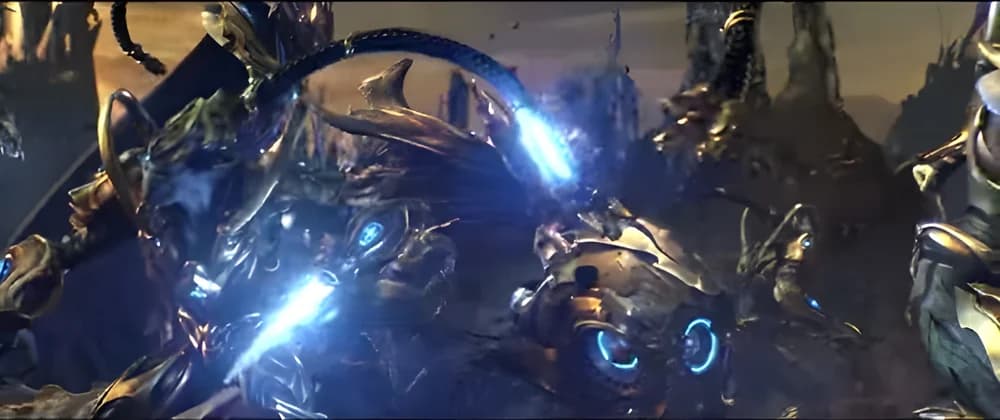
Khala
The Khala was the communal psionic link and guiding philosophy of the Khalai protoss, founded by the mystic Khas to end the Aeon of Strife. It bound its adherents in shared emotion for over a thousand years until Amon corrupted it, forcing the protoss to sever it forever.

Khalani
Khalani was the telepathic language of the protoss, spoken mind to mind rather than aloud and rendered in writing through a glyph-based script. Both the Khalai and the Nerazim spoke it, and its words gave name to the deepest concepts of protoss culture, from the Khala itself to the honorific En Taro.
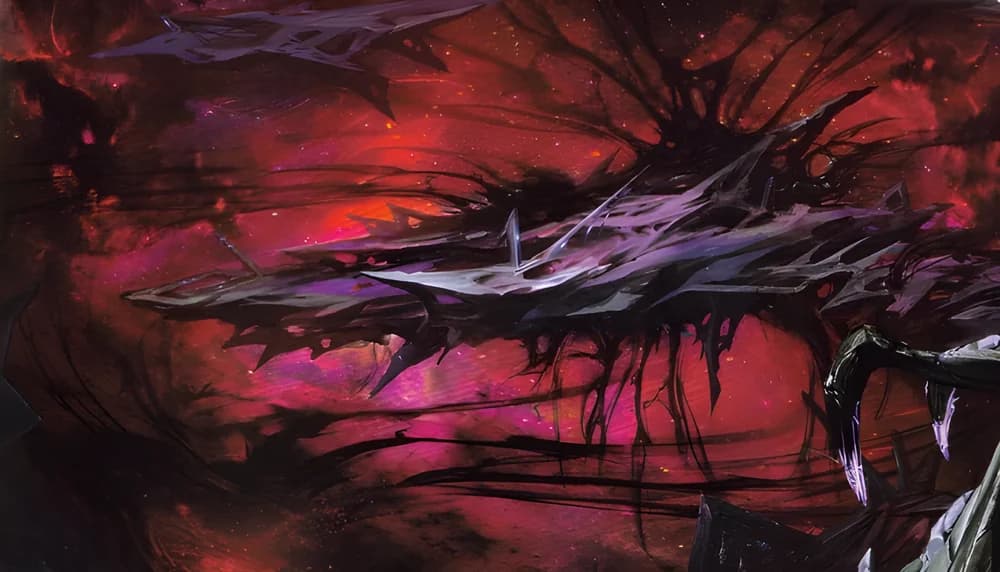
Void
The Void was a dark, cold manifestation of space separate from the material universe, the wellspring from which the Nerazim drew their psionic power and the realm in which the minds of the xel'naga endured after the death of their bodies. Its energy was unpredictable and lethal in sufficient quantity.
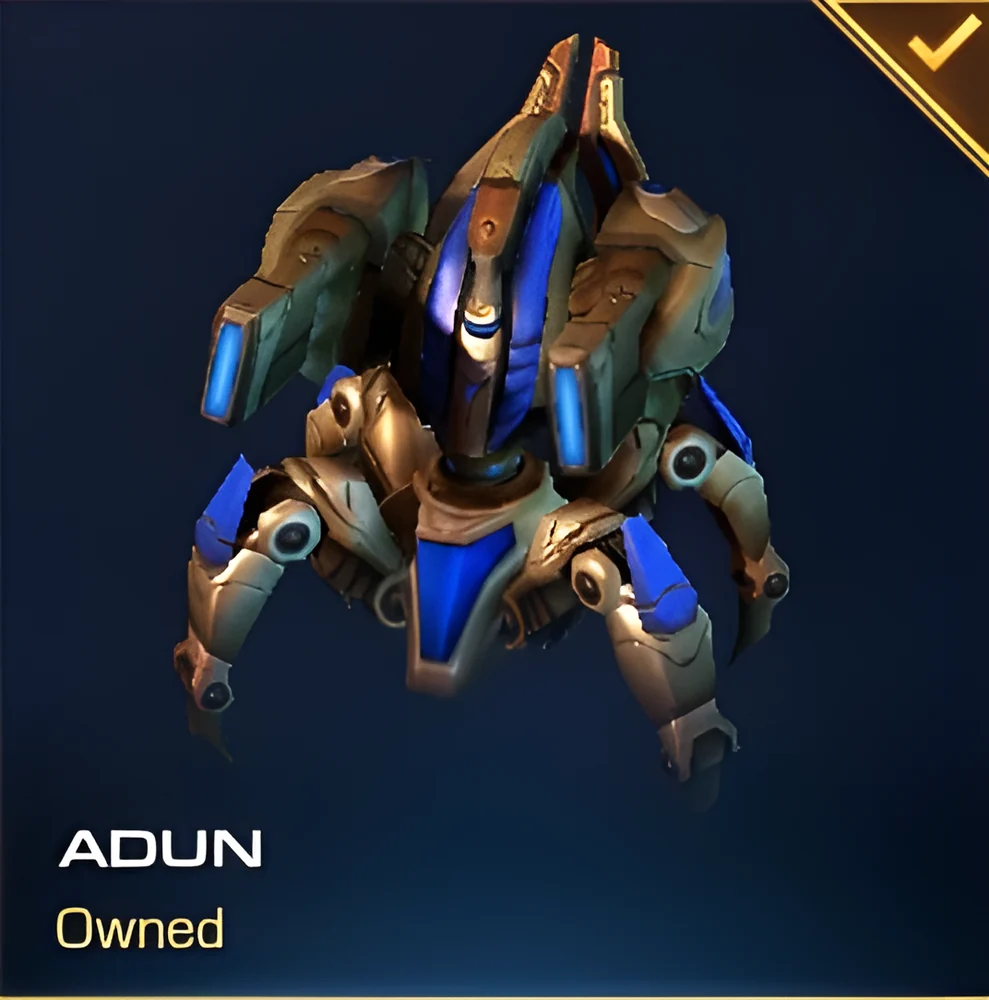
Adun
Adun was a revered protoss executor of the Discord who secretly sheltered the rogue tribes the Conclave ordered him to execute. He burned away saving them as they were exiled, leaving no body behind, and passed into protoss legend as the Twilight Deliverer.
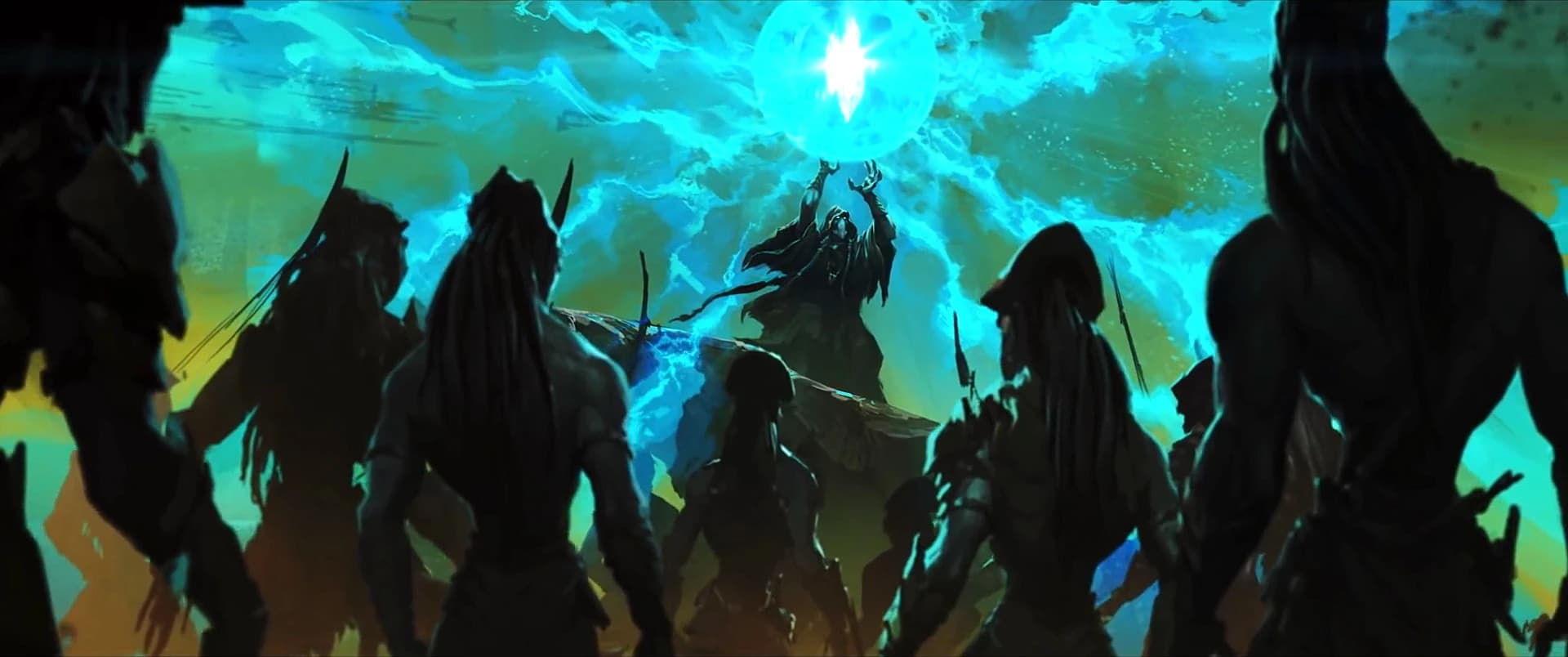
Aeon of Strife
The Aeon of Strife was a millennia-long civil war among the protoss, called the bloodiest civil war in galactic history. It followed the departure of the xel'naga and the loss of the protoss psychic link, and ended when the scholar Khas rediscovered the khaydarin crystals and founded the Khala.
Aiur
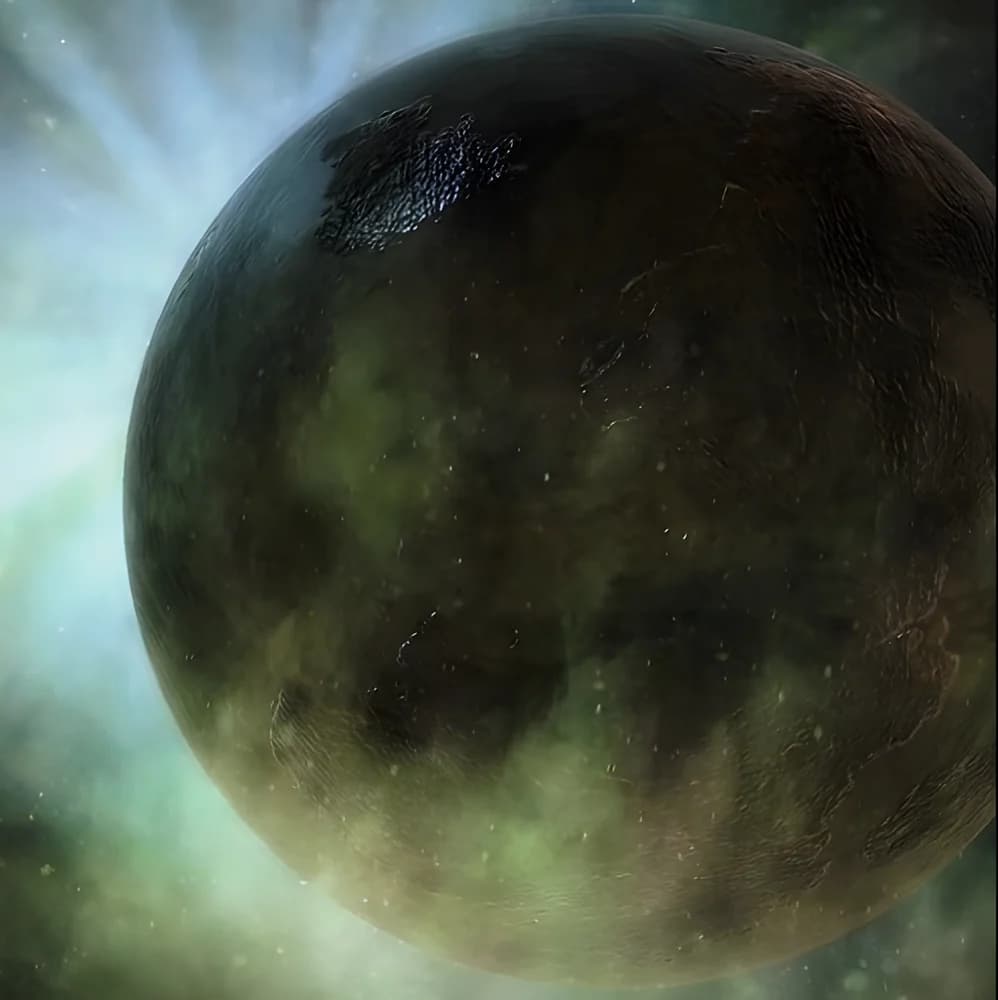
Aiur was the homeworld of the protoss, a verdant world on the galactic fringe engineered by the Xel'Naga and seat of the Protoss Empire. It was overrun by the zerg in 2500 and reclaimed by the Daelaam after the defeat of Amon.
Mentioned in3 entries
Dark Templar (Nerazim)
The Nerazim, known to outsiders as the Dark Templar, are the protoss tribes who shunned the Khala, severed their nerve cords, and drew their power from the Void instead. Banished from Aiur, they became masters of shadow and exile before reuniting with their kin under the Daelaam.
Elms: mercenary marine and hidden psychic
Elms was a terran mercenary marine with a cybernetic arm and a psionic gift she kept hidden from those around her. Hired for a crooked salvage operation on Adena, she fought her way through a zerg ambush, exposed the officers who abandoned her, and killed them all rather than accept a leash from anyone.
Khala
The Khala was the communal psionic link and guiding philosophy of the Khalai protoss, founded by the mystic Khas to end the Aeon of Strife. It bound its adherents in shared emotion for over a thousand years until Amon corrupted it, forcing the protoss to sever it forever.
Get new articles in your inbox
No spam. New lore drops, canon conflicts, and deep dives only when they’re worth reading.
Some links on Lore Fortress are affiliate links. If you buy through them we earn a small commission at no extra cost to you.