Muspelheim: the fire that would burn Asgard
the Realm of fire
Home of the Fire Giants and the source of all heat in the Nine Realms. Surtr was prophesied to burn Asgard down, and Kratos went there to ask him.
Muspelheim, also called Muspell and known in Old Norse as Múspellsheimr, was one of the Nine Realms of the World Tree and the homeland of the legendary Fire Giants. Known as the Realm of Fire, it was the source of all heat in the Nine Realms and one of the two primordial realms whose fire met the ice of Niflheim to spark creation. It was the home of Surtr and his descendants, prophesied to burn down Asgard during Ragnarök, and the place where Kratos and Atreus sought aid to bring that end about. (God of War (2018); God of War Ragnarök)
A primordial Realm of fire#
Long ago the fire of Muspelheim met the ice of Niflheim in the void of Ginnungagap, a unique meeting among the Nine Realms whose place became known as the Spark of the World. From that union came the dawn of creation in the Norse cosmology, and the fiery world became one of the pillars of life, its intense heat warming the Nine Realms through Yggdrasil while the cold breath of Niflheim moderated its fury. (Prose Edda; God of War Ragnarök)
Even after cooling considerably from the Dawn of Creation, Muspelheim remained too incandescent to allow any prospect of development. Its surface was covered in lava, and the fury of its volcanoes blanketed everything with ash that blackened the skies. Lavafalls created rivers of molten rock, and little survived there save creatures adapted to the extreme heat, with what fauna remained limited to such things as fiery butterflies and squirrels. (God of War (2018); God of War Ragnarök)
Surtr and the prophecy of Ragnarok#
Muspelheim was the home of Surtr the brave and his descendants, the Fire Giants, prophesied to burn down Asgard during Ragnarök. As their only purpose was to bring about that end, Mimir noted that no Fire Giant would appear until Ragnarök began. Its very nature frightened any would be traveler, for it was from Muspelheim that the end of the world was foretold to arise, with the Fire Giants waiting somewhere beneath its crust. (God of War (2018); God of War Ragnarök)
The summoning of Ragnarok#
When Kratos and Atreus came at last to seek the aid of the legendary Surtr, it was in a desperate attempt to bring forth Ragnarök and put an end to Odin's reign. They traveled there and sought out Surtr at his forge, drawing on the prophecy of the Fire Giants to bend the end of the world toward the fall of Asgard. Following the demise of Asgard, its remnants could be found scattered across the fiery world. (God of War Ragnarök)
Frequently asked questions
- What is Muspelheim in God of War?
- Muspelheim, also called Muspell and known in Old Norse as Muspellsheimr, was one of the Nine Realms of the World Tree and the homeland of the Fire Giants. Known as the Realm of Fire, it was the source of all heat in the Nine Realms.
- What role did Muspelheim play in the creation of the realms?
- Long ago the fire of Muspelheim met the ice of Niflheim in the void of Ginnungagap, at a place that became known as the Spark of the World, sparking the dawn of creation in Norse cosmology. Its intense heat warmed the Nine Realms through Yggdrasil while the cold of Niflheim moderated its fury.
- Why was Muspelheim uninhabitable?
- Even after cooling from the Dawn of Creation, Muspelheim remained too incandescent to allow any development. Its surface was covered in lava and its volcanoes blanketed the landscape with ash, and little survived there save creatures adapted to extreme heat, such as fiery butterflies and squirrels.
- Who is Surtr and why does he matter to Muspelheim?
- Surtr the brave was the realm's only resident and the ancestor of the Fire Giants, prophesied to burn down Asgard during Ragnarok. Mimir noted that no Fire Giant would appear until Ragnarok began, since their only purpose was to bring about that end.
- Why did Kratos and Atreus travel to Muspelheim?
- Kratos and Atreus came to seek the aid of Surtr in a desperate attempt to bring forth Ragnarok and put an end to Odin's reign. They sought him out at his forge, drawing on the prophecy of the Fire Giants to bend the end of the world toward the fall of Asgard.
Gallery
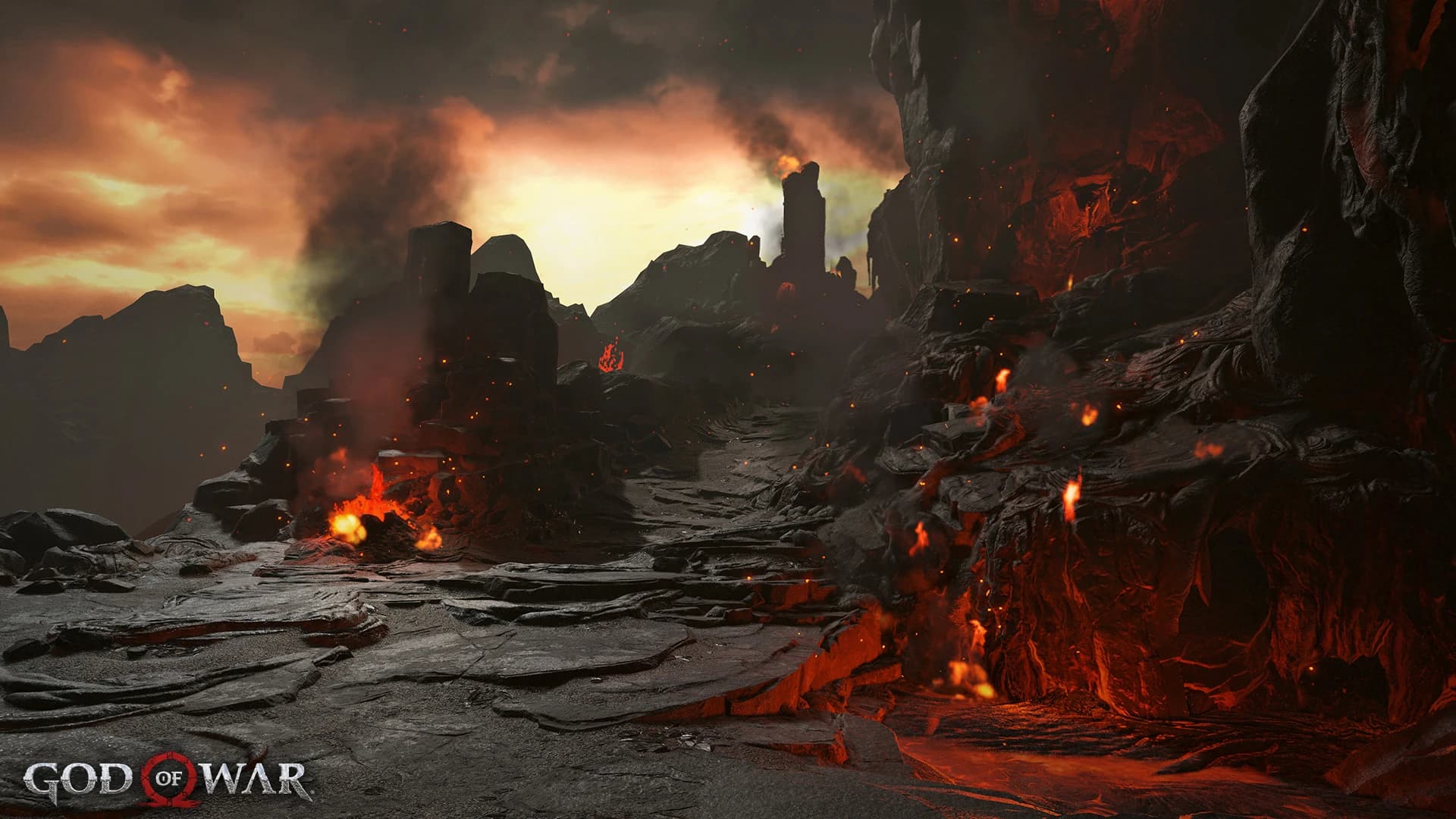
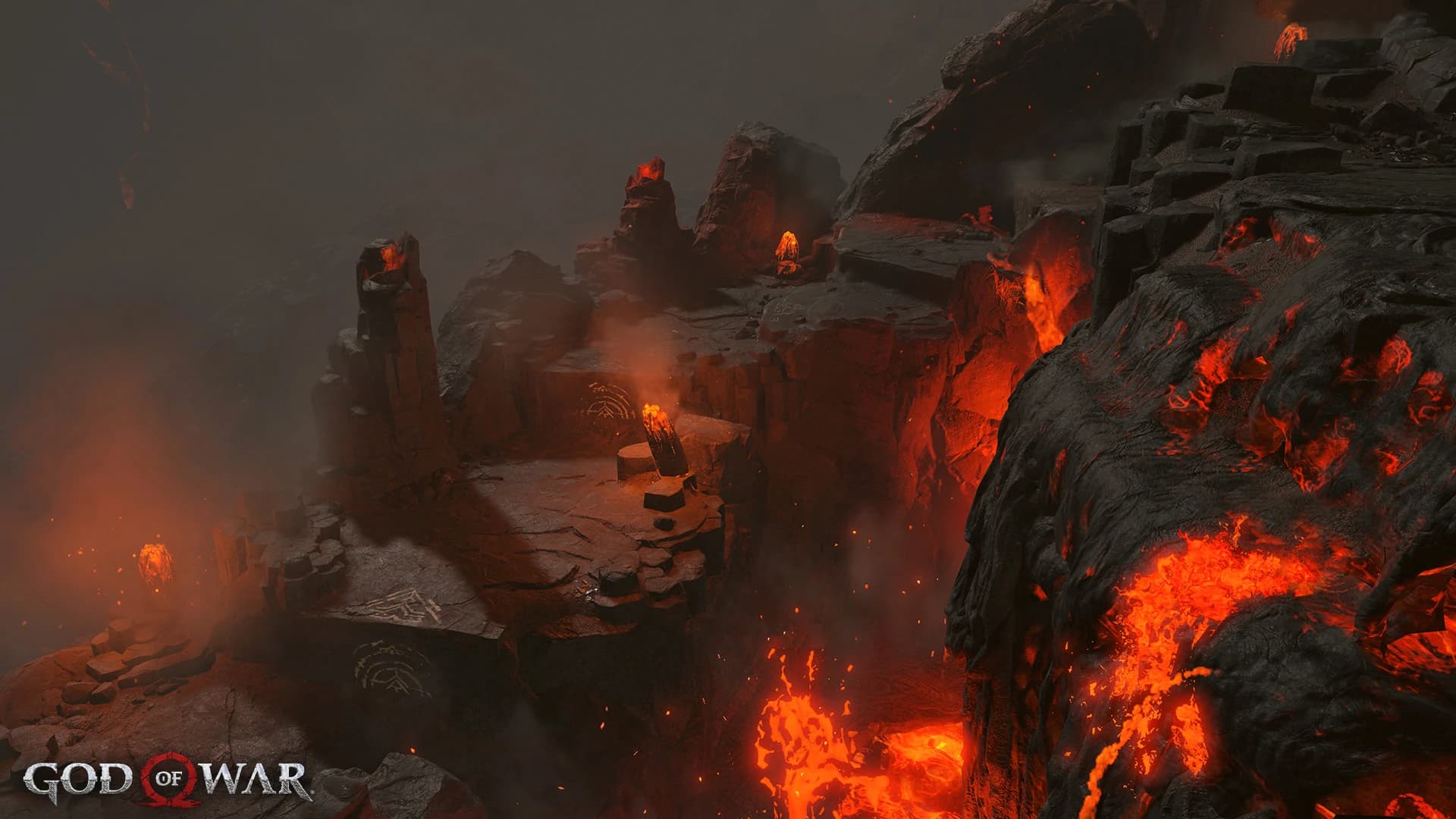
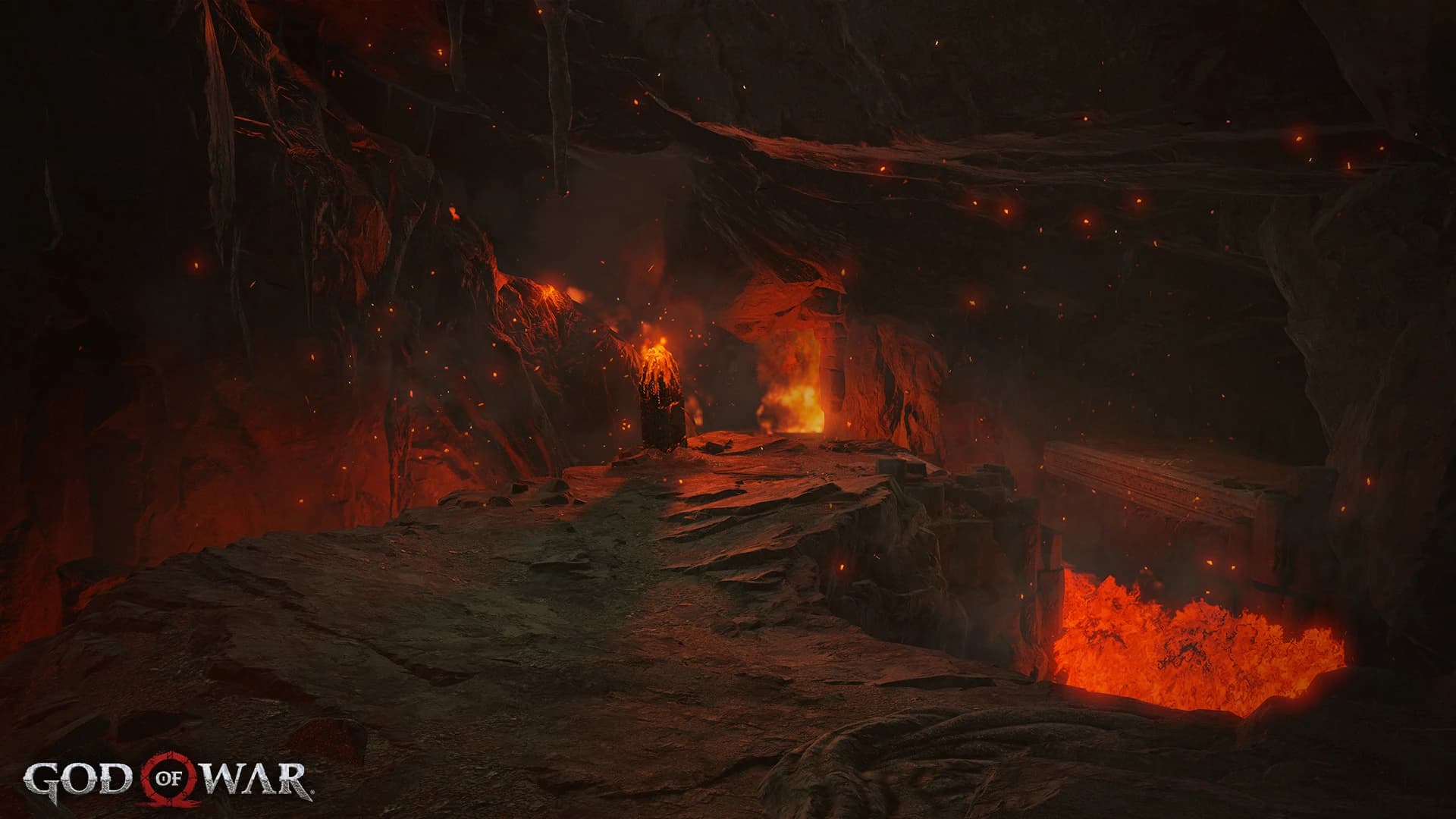
Images via God of War Wiki
Sources
- GameGod of War (2018), Santa Monica Studio, 2018
- GameGod of War Ragnarök, Santa Monica Studio, 2022
- BookProse Edda, Snorri Sturluson, around 1220
Spotted a factual error or a primary source we missed? Email a correction. Every flagged claim gets reviewed.
Followed from this entry
Asgard
Asgard was the realm of the Aesir gods, perched in the crown of Yggdrasil and ruled by Odin from the hall of Gladsheim. Behind the great wall of Hrimthur it stood as a fortress against the prophesied doom of Ragnarok, until Kratos breached it and the realm fell.
Niflheim: the fog that hid Tyr's prison
Ivaldi's curse turned the mist of Niflheim into a deadly fog around his workshop. Kratos and Freya later found the true Tyr imprisoned there.
Yggdrasil: the yew that holds the realms
The World Tree grew out of the Lake of Nine and its branches held the Nine Realms. It was said to have no beginning, and it shook when Asgard fell.
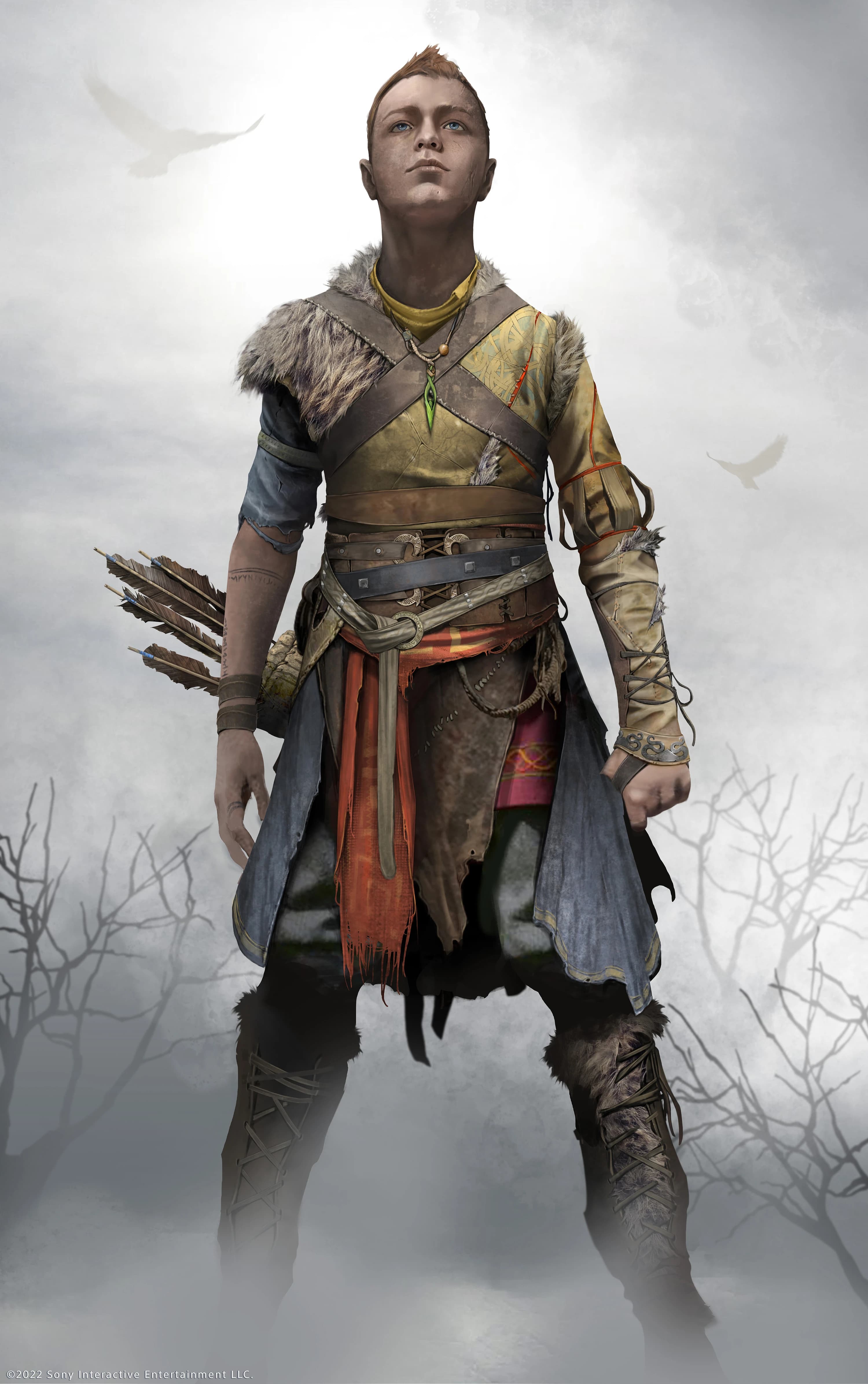
Atreus (Loki): Kratos's Son and the Truth of His Name
Atreus was the son of Kratos and the Jotunn Faye, born in Midgard and given the hidden name Loki. Across two great journeys he grew from a sickly boy into the prophesied champion of the Giants, the god of mischief whose fate was bound to Ragnarok.
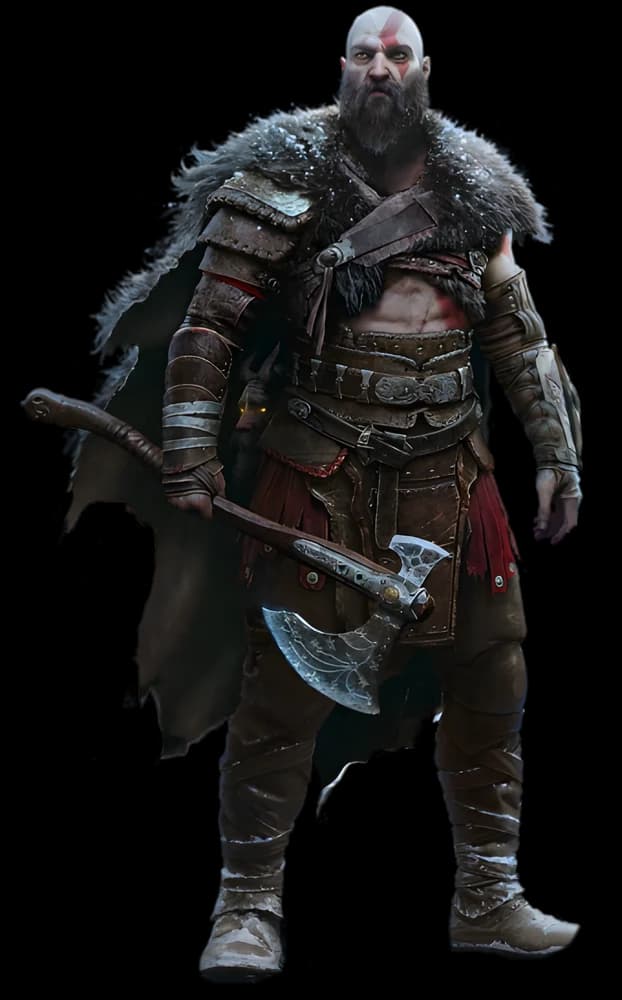
Kratos
Kratos was the demigod son of Zeus who rose from a Spartan general to the Greek God of War, destroyed the pantheon of Olympus in a quest for vengeance, and then began again in the Norse realms as a father seeking to leave his bloody past behind.
Mimir
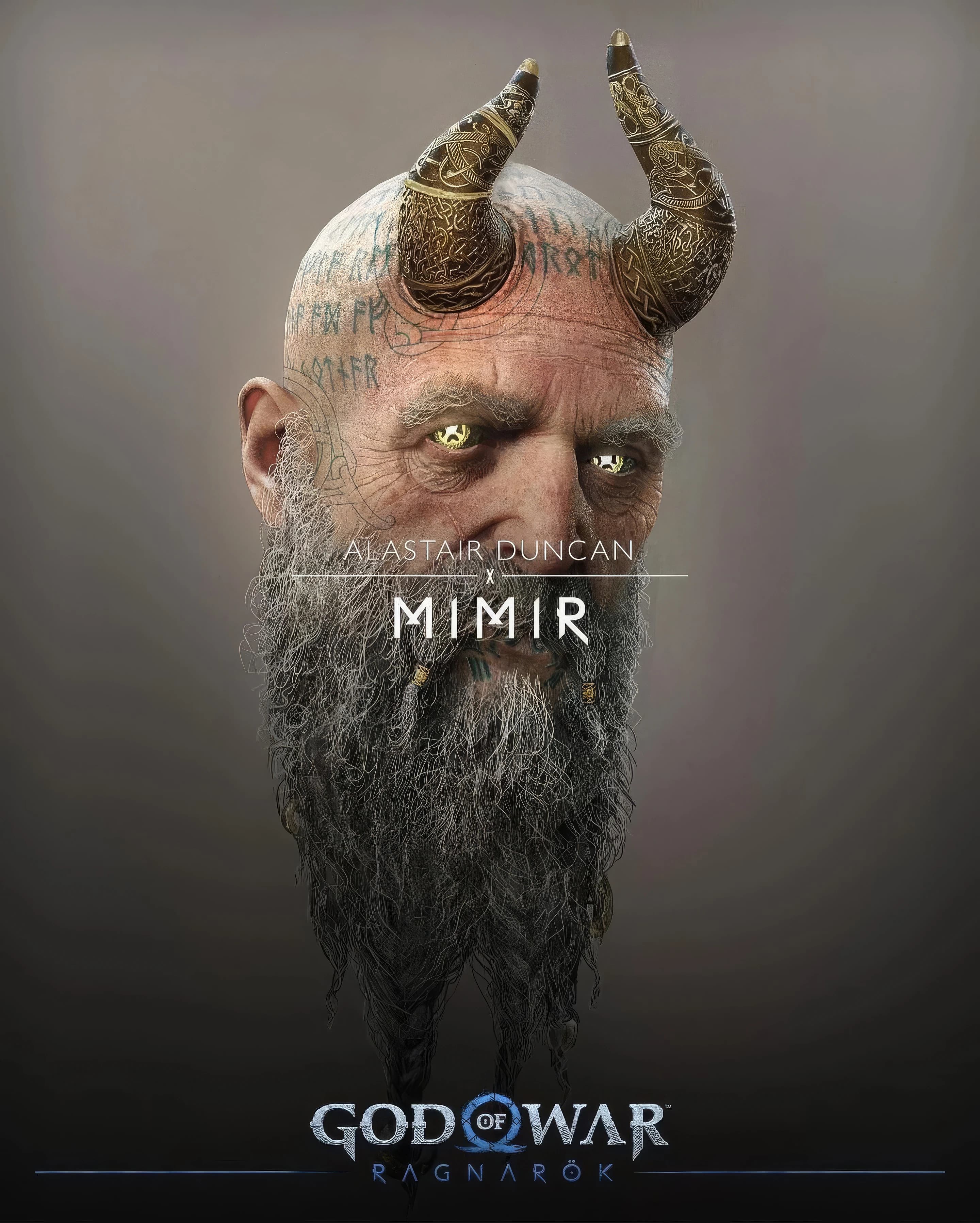
Mimir was a Celtic fae who rose to become Odin's advisor and the ambassador of the Aesir before the All-Father imprisoned him for over a century. Freed and reanimated as a disembodied head by Kratos and Atreus, he became their guide, conscience, and friend across the Nine Realms.
Mentioned in26 entries
Alberich Hollow: tunnel road of the Bay of Bounty
Alberich Hollow was a tunnel region in the north of Svartalfheim's Bay of Bounty, entered from the great wooden walkway above Dragon Beach. Its abandoned dwarven works held half of the seed that opened the road to Muspelheim, a rift into Yggdrasil, and the lair of the dreadful Grim Ormstunga.
Angrboda: the last giantess of Ironwood
Angrboda grew up almost alone in Ironwood, painting the prophecy of Ragnarok. She gave Atreus the soul marbles of the lost Giants and made him their keeper.
Asgard
Asgard was the realm of the Aesir gods, perched in the crown of Yggdrasil and ruled by Odin from the hall of Gladsheim. Behind the great wall of Hrimthur it stood as a fortress against the prophesied doom of Ragnarok, until Kratos breached it and the realm fell.
Fimbulwinter: the three-year winter
Fimbulwinter was the three-year winter that began with Baldur's death and ended with Ragnarok. Being magical, it weakened curses across the Nine Realms.
Gna
Gna was the Vanir goddess of swift travel and Freya's former handmaiden, who pledged herself to Odin and rose to become the final Queen of the Valkyries. Loyal to Asgard until death, she fell at last to Freya's blade in Muspelheim.
God of War Ragnarök Ending Explained: the Full Story and What It Means
The whole plot of God of War Ragnarök in order, then the ending explained. Odin is destroyed, Thor and Freyr die, Asgard falls, Kratos survives the prophecy, and Atreus leaves to find the last of the giants.
Gondul
Gondul was one of the nine Valkyries cursed by Odin into a corrupting physical form. Imprisoned in Muspelheim and reckoned among the mightiest of her sisters, she was freed by Kratos and Atreus and later restored as a Shield Maiden.
Jotnar: the giants Odin nearly wiped out
The Jotnar were the oldest race of the Norse cosmos, gifted with precognition. Odin envied that gift, forged Mjolnir, and set Thor to exterminate them.
Marbles: the soul stones of the Jötnar
The Marbles, also called Spiritual Stones, were magical vessels crafted by the Jötnar to hold the souls of the last Giants of Jötunheim. Each bore a Jötunn name in Nordic runes, and they could carry a traveler across the realms to wherever a matching stone lay. Angrboda guarded them until destiny required her to hand the bag to Atreus, the chosen one the Giants called Loki.
Niflheim: the fog that hid Tyr's prison
Ivaldi's curse turned the mist of Niflheim into a deadly fog around his workshop. Kratos and Freya later found the true Tyr imprisoned there.
Norse Gods: the pantheon of the Nine Realms
The Norse Gods were the pantheon that ruled over Scandinavia, the lands known in their own cosmos as the Nine Realms of Yggdrasil. Divided into the warlike Aesir of Asgard and the nature-bound Vanir of Vanaheim, they counted among the most powerful races of the realms and were held to be the protectors of Midgard and humanity.
Norse Mythology: the North Germanic myths behind God of War's Nine Worlds
Norse mythology is the body of North Germanic myth the God of War saga draws its Norse era from, built around Nine Worlds flanking the sacred tree Yggdrasil and a cosmos made from the flesh of Ymir.
+ 14 more
Get new articles in your inbox
No spam. New lore drops, canon conflicts, and deep dives only when they’re worth reading.
Some links on Lore Fortress are affiliate links. If you buy through them we earn a small commission at no extra cost to you.