 Lore Fortress
Why Do Volus Wear Suits? Ammonia and Pressure
Volus wear pressure suits because they evolved on Irune, a heavy, high-pressure world with an ammonia-based biochemistry. Ordinary air poisons them and low pressure tears their bodies open. Here is what the suit does, and what happens when it fails.
Volus wear suits because the air the rest of the galaxy breathes would kill them. Their home planet, Irune, has a dense, high-pressure atmosphere and an ammonia-based biochemistry, so ordinary nitrogen-oxygen air poisons a volus, and at the low pressure humans enjoy, a volus's flesh splits open. (Mass Effect codex)
Why do volus wear suits?#
It comes down to where they evolved. Irune is a greenhouse world with a heavy, high-pressure atmosphere, and its whole ecology runs on ammonia, not the carbon-based chemistry that suits humans. The volus body is built for those conditions, and the codex is blunt about what happens when you take one away from them: nitrogen-oxygen mixes are poison, and the lower pressures most species live in make volus flesh split. (Mass Effect codex)
So the suit does two jobs at once. It holds in the atmosphere a volus can breathe, and it holds in the pressure that keeps the body intact. The breathers they wear are part of that same system. Volus wear the full rig whenever they're dealing with other species in person, which, for the ones who trade off Irune, is most of the time. (Mass Effect codex)
My read is that this is why the volus feel so much like guests on the Citadel, even after more than two thousand years with an embassy there. A volus never gets to stand on that station in its own skin.
What is a volus suit like?#
Clumsy is the word Irune's own planet entry in Mass Effect 3 uses. Most volus stay home and do their business over the extranet. The ones who want to make a fortune in Citadel space put on the suit and go. (Mass Effect 3)
Sealed rooms aren't a practical alternative either. Building a properly sealed volus environment inside another race's housing is illegal on most worlds, and where it's allowed the cost is prohibitive. The risks the codex names include explosive blowout and contamination, which tells you how much pressure that room would be holding back. (Mass Effect codex)
Combat suits are a step up again. Volus auxiliaries who serve with the Turian Hierarchy fight in specially sealed armour and lean on advanced power armour and equipment to offset their weaknesses. Volus finally became playable in Mass Effect 3 multiplayer, with four classes in the Retaliation DLC. That started as a developer joke, a crated volus dropped into the multiplayer lobby, and positive feedback turned it into a real feature. (Mass Effect 3; Mass Effect codex)
Can volus survive without a suit?#
Away from Irune, no. The codex says a volus can't live unprotected in the kind of air carbon-based species like humans breathe, and the two failure modes are poisoning and the body splitting under low pressure. (Mass Effect codex)
Home is a different matter. The sources never show an unsuited volus anywhere, so there's no scene to point to. The planet entry does say most volus stay on Irune and only the adventurous ones suit up, which suggests that on their own world, under their own sky, the suit isn't needed. That's an inference, though, and not something a game spells out. (Mass Effect 3)
The suit also has a limit that Annihilation makes grim. On the ark Keelah Si'yah, the Fortinbras Plague reached some of the volus aboard even though they never took their suits off in cryosleep. Those suits existed to keep a volus sealed in, and filtering out disease was never part of the brief. Infected volus swelled inside the suit until the pressure balance gave way and they burst. Fortinbras also used the volus childhood disease Yoqtan as its base, and the immunity volus gain as children didn't help. (Mass Effect: Andromeda: Annihilation)
What is the volus homeworld Irune like?#
Irune is the second planet of the Aru system in the Aethon Cluster. Its gravity is 1.5 times Earth's, a day lasts 36.2 Earth hours, and its capital is Lenos. Population estimates from before the Reaper invasion put it at 8.8 billion. (Mass Effect 3)
The air works both ways. Irune's ammonia air will poison anything that isn't volus, and a Citadel travel advisory tells visitors to wear pressure suits whenever they leave an environmentally controlled area. Humans on Irune are in exactly the position volus are on the Citadel. (Mass Effect 3)
Because so few planets match those conditions, volus colonisation has been slow. Irune has some odd life of its own, too: the kympna lobe, a toothed, meat-eating silver plant, can apparently cope with non-volus environments well enough to go into mixed flower arrangements. (Mass Effect 3)
Irune also has no institution of war. Volus cities sit on trade routes rather than defensible ground, which left them exposed when Reaper husks landed during the invasion of 2186. (Mass Effect 3)
Why the suit matters to the volus story#
The suit explains a lot about how the volus fit into the galaxy. A species that is poor at fighting, slow to colonise and unable to share housing with its neighbours ends up doing what the volus did: they built the Unified Banking Act, made the credit the galaxy's currency, and took client status under the turians for protection. They've also never been offered a Council seat, partly because they can't supply the fleets and disaster aid that Council races are expected to provide. (Mass Effect codex)
Some of that is politics, and some of it is just pressure, in the literal sense. A people who need a sealed suit to cross a room on someone else's station were always going to win their influence at the bargaining table. For their wider history, see the full volus entry, and for the other suited species in the galaxy, the quarians.
Frequently asked questions
- Why do volus wear suits?
- Because the volus come from Irune, a planet with strong gravity, dense air and an ammonia-based ecology. Nitrogen-oxygen air poisons them, and the thin atmospheres most species live in make their flesh split open. The suit keeps the right gas mix around them at the right pressure.
- Can volus survive without their suit?
- Not off their homeworld or a sealed environment built for them. The codex says they cannot live unprotected in air meant for humans and similar carbon-based species. No volus is ever seen out of the suit.
- What is the volus homeworld?
- Irune, the second planet of the Aru system in the Aethon Cluster. Its gravity is 1.5 times Earth's and its ammonia atmosphere is toxic to other species. Before the Reaper invasion it held around 8.8 billion people, with Lenos as the capital.
- What does a volus look like under the suit?
- Nobody outside BioWare knows. The games never show it. Catherynne M. Valente asked BioWare while writing Mass Effect: Andromeda: Annihilation but kept the answer out of the novel in case a later game reveals it.
- Do volus suits protect against disease?
- No. In Mass Effect: Andromeda: Annihilation the Fortinbras Plague infects volus on the ark Keelah Si'yah despite their suits, because the suits were made to hold the volus in, with no thought for keeping germs out.
Sources
- GameMass Effect, BioWare, 2007; codex entries on the volus
- GameMass Effect 3, BioWare, 2012; Irune planet entry and the Retaliation multiplayer DLC
- BookMass Effect: Andromeda: Annihilation, Catherynne M. Valente, Titan Books, 2018
Spotted a factual error or a primary source we missed? Email a correction. Every flagged claim gets reviewed.
Followed from this entry
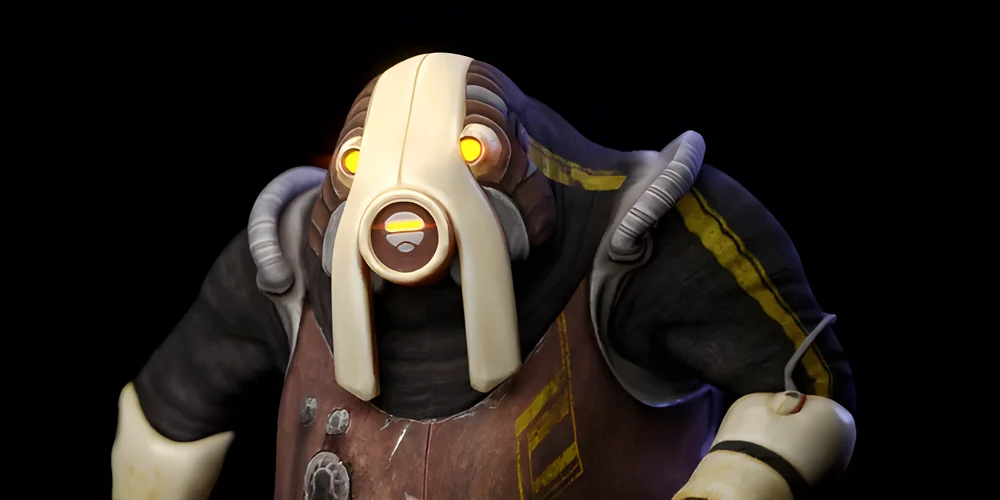
Volus
The volus were a suited, ammonia-breathing species from the high-pressure world of Irune, a Citadel associate race and client of the Turian Hierarchy. Masters of trade and finance, they authored the galaxy's banking standards yet were never granted a seat on the Council.
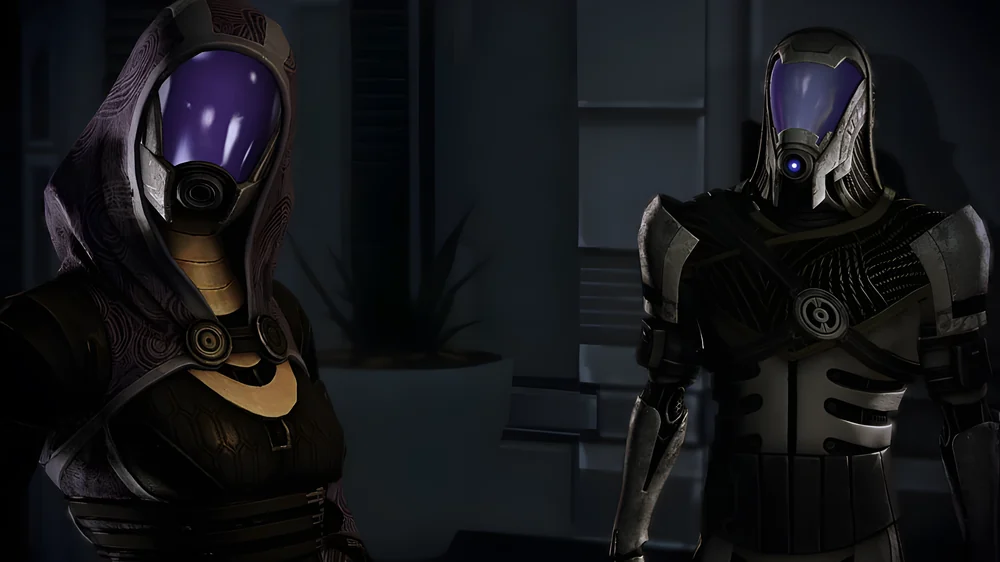
Quarian
The quarians were a nomadic, technologically gifted species exiled from their homeworld Rannoch after their created servants, the geth, gained sentience and drove them out. For generations they wandered the galaxy aboard the Migrant Fleet, a vast flotilla of salvaged ships.
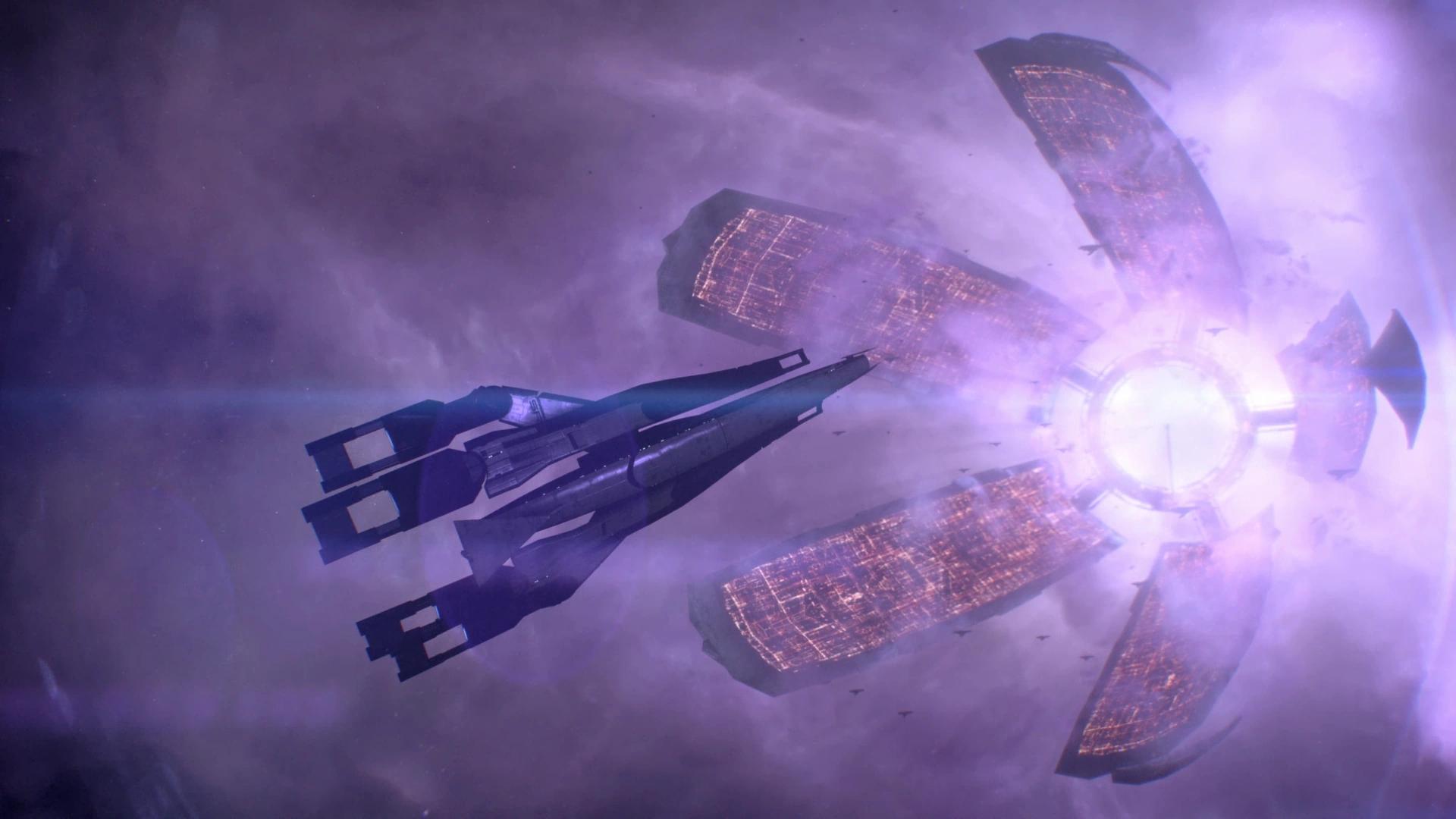
Citadel
The Citadel was a colossal deep-space station in the Serpent Nebula that served as the political and cultural heart of Citadel space and the seat of the Council. Long believed to be a Prothean relic, it was in truth a Reaper construction and a dormant trap at the center of galactic civilization.
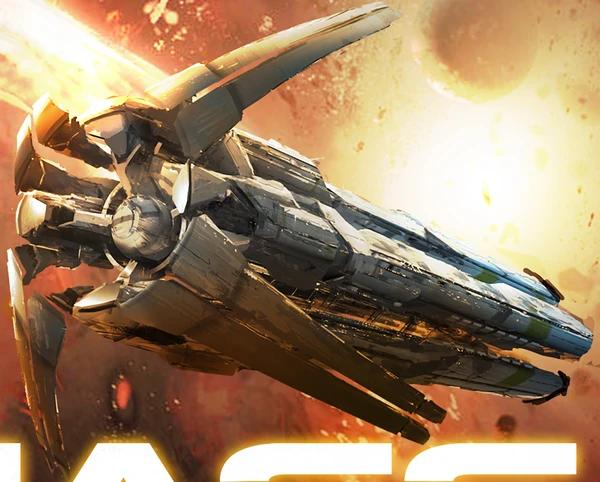
Keelah Si'yah
The Keelah Si'yah was an Andromeda Initiative ark, a quarian vessel uniquely engineered to carry six different species across the 600-year void between galaxies. Bearing some twenty thousand colonists in cryosleep, it survived a catastrophic plague during its long voyage toward a new home in the Heleus Cluster.
Turian Hierarchy
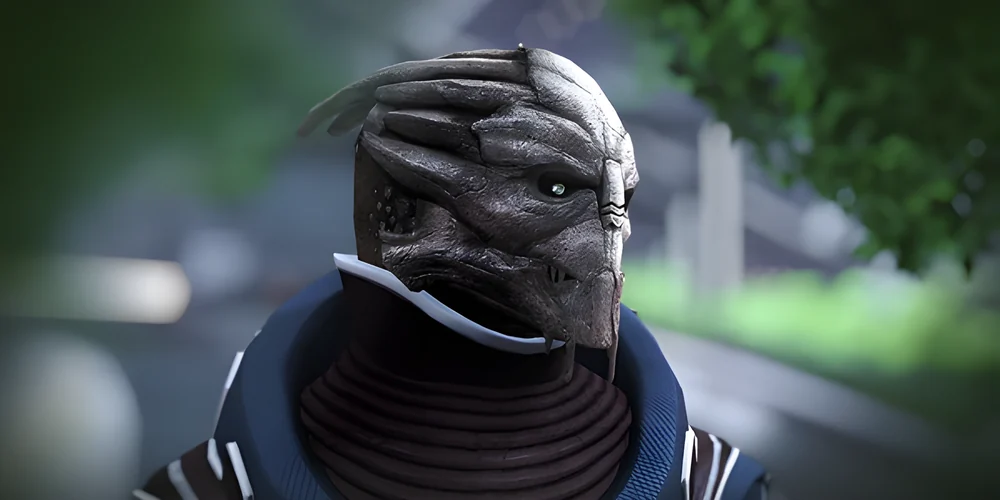
The Turian Hierarchy was the government of the turian people, a regimented meritocracy built around military and public service. It earned a Citadel Council seat for its role in the Krogan Rebellions and contributed the largest share of the Citadel Fleet.
Mentioned in1 entry
Get new articles in your inbox
No spam. New lore drops, canon conflicts, and deep dives only when they’re worth reading.
Some links on Lore Fortress are affiliate links. If you buy through them we earn a small commission at no extra cost to you.