Dar-es-Balat: the no-chamber holding Leto II's own account of his reign
Dar-es-Balat was the site on Rakis where the God-Emperor Leto Atreides II sealed a no-chamber containing his record of a rule that lasted millennia. Hadi Benotto excavated it, the Rakian Priesthood suppressed the reports, and the Bene Gesserit Archives obtained copies regardless.
Dar-es-Balat was a site on Arrakis, by then called Rakis, where the God-Emperor Leto Atreides II built a no-chamber to hold his own account of his millennia-long reign. A city grew there later, with the Rakian Priesthood keeping a presence in it and a senior priest named Albertus. (God Emperor of Dune; Heretics of Dune)
What was found at Dar-es-Balat?#
The find was a no-chamber, invisible to prescience and to most other forms of search, and inside it the God-Emperor's personal record of a reign measured in thousands of years. (God Emperor of Dune)
Leto II built the chamber himself and chose what went into it. That is the part worth holding on to. The account recovered at Dar-es-Balat is the God-Emperor speaking for himself, without a priesthood between him and the reader, and it surfaced in an age that had spent centuries deciding what he had meant. (God Emperor of Dune)
Why were the excavation reports suppressed?#
Hadi Benotto ran the excavation, and the Rakian Priesthood ordered the resulting reports suppressed, so the material that would have reached the wider Imperium never did. (God Emperor of Dune)
The suppression did not hold. Copies reached the Bene Gesserit Archives, where the Sisterhood kept them alongside everything else it had quietly collected across the centuries. A city was later built at the site, and the priesthood that had tried to bury the reports maintained its own establishment there, with Albertus as its senior priest. (God Emperor of Dune; Heretics of Dune)
The name#
Dar-es-Balat is not correct Arabic. Written properly it would be Dar el-Balat, and the form used across God Emperor of Dune, Heretics of Dune and Chapterhouse: Dune may be modelled on the real place name Dar es Salaam, where the article el- or al- assimilates to the consonant that follows it, leaving both words carrying an s. (God Emperor of Dune; Heretics of Dune; Chapterhouse: Dune)
Sources
- BookGod Emperor of Dune, Frank Herbert, G. P. Putnam's Sons, 1981
- BookHeretics of Dune, Frank Herbert, G. P. Putnam's Sons, 1984
- BookChapterhouse: Dune, Frank Herbert, G. P. Putnam's Sons, 1985
Spotted a factual error or a primary source we missed? Email a correction. Every flagged claim gets reviewed.
Followed from this entry
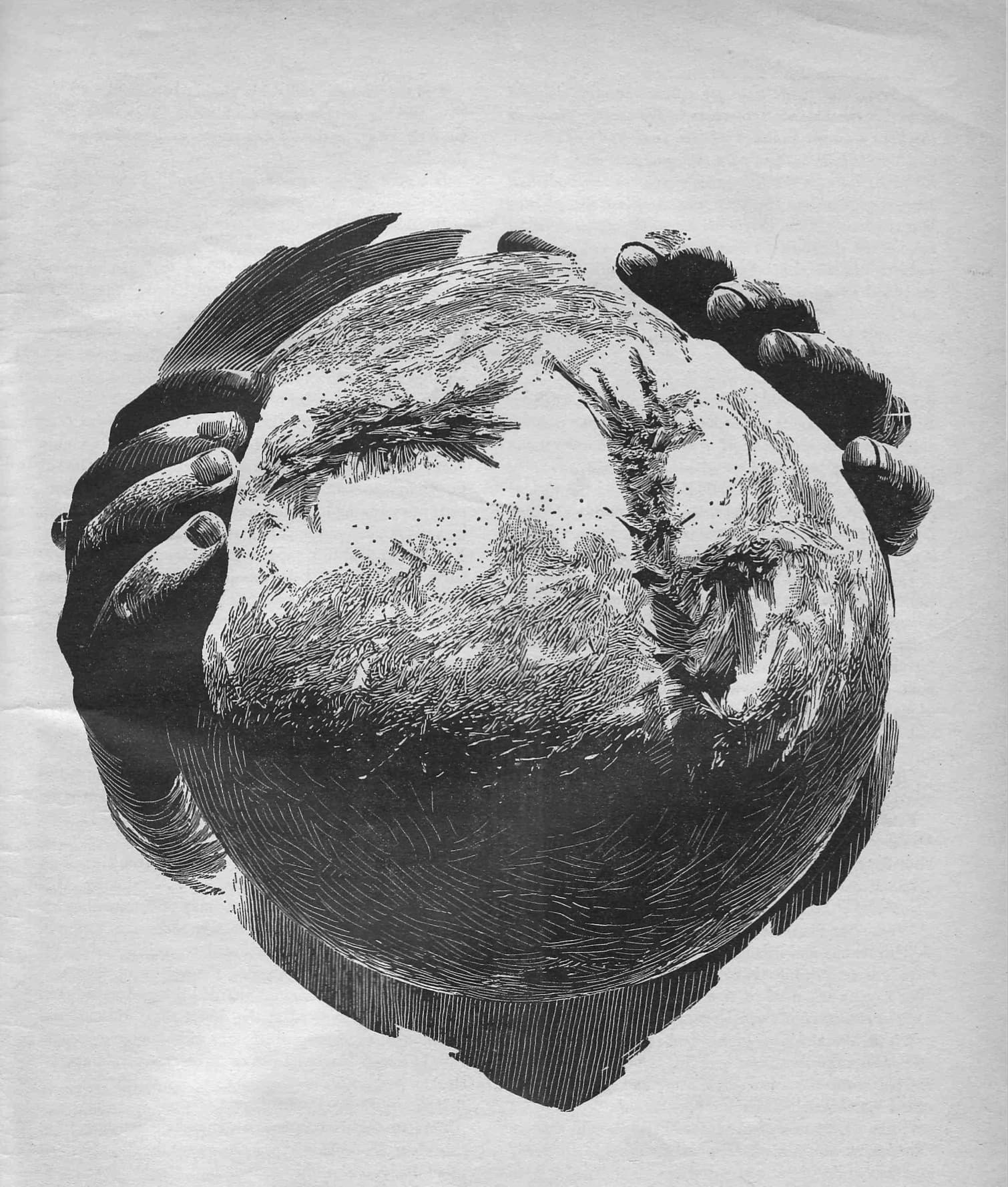
Arrakis
Arrakis, known as Dune and later as Rakis, was a harsh desert world in the Canopus system and the only natural source of the spice melange. Home to the Fremen and the sandworms, it became the seat of the Atreides empire and the center of the known universe.
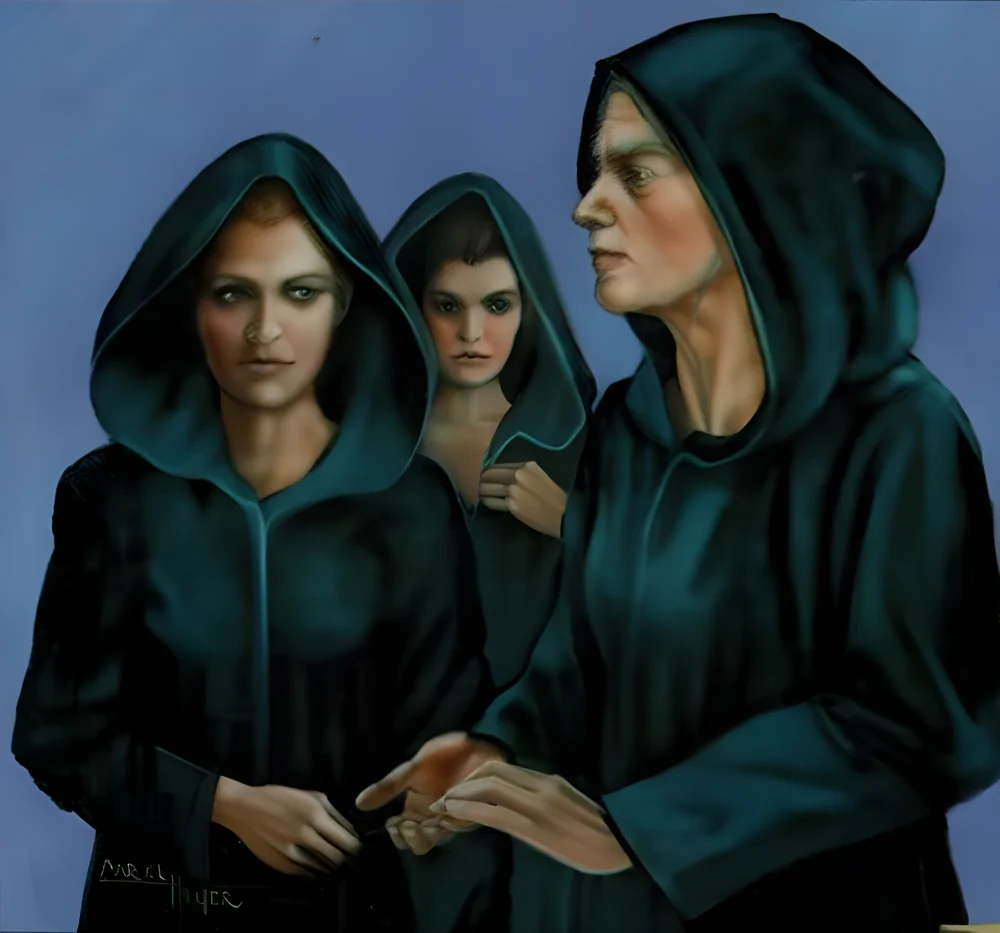
Bene Gesserit
The Bene Gesserit were an ancient order of women who wielded power from the shadows of the Imperium through a millennia-long breeding program, mastery of body and mind, and the religious engineering of the Missionaria Protectiva. Their goal was the Kwisatz Haderach, and through him the guidance of humanity.
Leto Atreides II
Leto Atreides II was the third and final ruler of the Atreides Empire and its first and only God Emperor. The pre-born son of Paul Muad'Dib, he bonded with a colony of sandtrout to gain near-immortality and ruled mankind for thirty five hundred years to set humanity upon the Golden Path.
Elsewhere in this wiki
The Sareer: the last desert on Arrakis and the ground of Leto II's Citadel
The Sareer was the only desert left on Arrakis under Leto Atreides II, 1,500 by 500 kilometres of sand walled with the material of a demolished mountain. It held his Citadel, was guarded by the D-wolves of the Forbidden Forest, and was pulled apart in the Famine Times after his death.
Corrinth City: the capital of Kaitain and the seat of the Corrino Empire
Corrinth City was the chief city of Kaitain and the administrative centre of the Corrino Imperium. Hassik Corrino III taxed his subjects almost to bankruptcy to build it, and Fremen troops of the Jihad sacked it after the ascension of House Atreides.
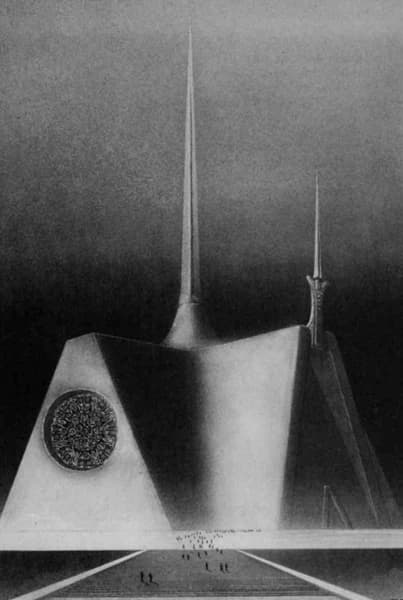
Alia's Temple: the fane of St. Alia of the Knife
Alia's Temple, also called Alia's Fane, was the colossal temple in Arrakeen dedicated to the worship of St. Alia of the Knife. Raised beside Paul's Keep as one of the wonders of the universe, it drew pilgrims from across the Imperium, hid dungeons beneath its maze of corridors, and became the stage for the fall of the Regent Alia Atreides.
Mentioned in2 entries
Dune Timeline: from the thinking machines to the end of Kralizec
A dated chronology of the Dune universe, from the first age of space travel and the Butlerian Jihad to Paul Atreides, the God Emperor, the Scattering and the last war with the machines. Events run oldest first, era by era, and every entry says which book it comes from.
God Emperor of Dune Explained: Plot Summary and Ending
The full story of Frank Herbert's fourth Dune novel, from Siona's raid on the Citadel to Leto II's fall from the bridge over the Idaho River, and what the ending means for the Golden Path.
Get new articles in your inbox
No spam. New lore drops, canon conflicts, and deep dives only when they’re worth reading.
Some links on Lore Fortress are affiliate links. If you buy through them we earn a small commission at no extra cost to you.