 Lore Fortress
Why Is Spice Only Found on Arrakis? The Sandworm Cycle
Spice comes from the sandworm's life cycle, and for thousands of years Arrakis was the only planet where that cycle ran. Here's how sandtrout, the pre-spice mass and the spice blow make melange, whether worms make it, and how Frank Herbert's later books break the monopoly.
Spice is only found on Arrakis because it's a by-product of the sandworm's life cycle, and for thousands of years Arrakis was the only planet where that cycle ran. Sandtrout lock up underground water, their excretions grow into a pre-spice mass, and a spice blow hurls it to the surface, where heat and air finish it as melange. (Dune; Dune Wiki)
That monopoly holds for the whole of Frank Herbert's Dune. It doesn't hold for his last books, where the Bene Tleilax learn to synthesize spice and the Bene Gesserit get worms breeding on their own world. (Heretics of Dune; Chapterhouse: Dune)
Why is spice only on Arrakis?#
The Dune Wiki's Melange entry puts it plainly: spice was produced on Arrakis and nowhere else from its discovery, several thousand years before the rise of House Atreides, because the conditions that create it existed only there. The dictionary extract that opens a chapter of Children of Dune says the same thing in-universe, placing melange in the deepest desert sands of the planet. (Dune Wiki, Melange; Children of Dune)
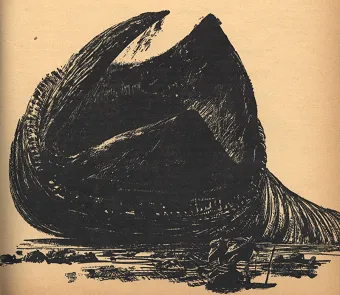
What makes those conditions is the worm. A sandworm can't survive water. Even a little sets off a runaway reaction in its metabolism that kills it, and Dune's appendix on the ecology of the planet says the Fremen had long known how to drown a small worm. That's why the cycle belongs to a desert world. (Dune, Appendix I; Dune Wiki, Sandworm)
And Arrakis wasn't always that planet. Through the memories of his ancestors, Leto II realizes the sandtrout aren't native. Ages ago the world was wet and green, until sandtrout arrived, multiplied and trapped its water deep underground. He tells Ghanima as much in Children of Dune, and the wiki adds that salt beds that look like old seabeds back him up. (Children of Dune; Dune Wiki, Sandtrout)
My read: the usual question has the cause backwards. Arrakis didn't happen to suit the spice. The sandtrout dried the planet out until it suited them, and the spice came with them. Any world they took over could, in principle, become another Arrakis, which is exactly what happens at the end of the series.
Where does spice come from, and how is it made?#
Here's the cycle in order, as the Dune Wiki assembles it from Frank Herbert's books:
- Sandtrout converge on a pocket of water deep in the sand and wall it off.
- Their fungal excretions mix with the water to form a pre-spice mass.
- Once the mass has absorbed enough water and organic matter, a carbon dioxide bubble forms at its centre.
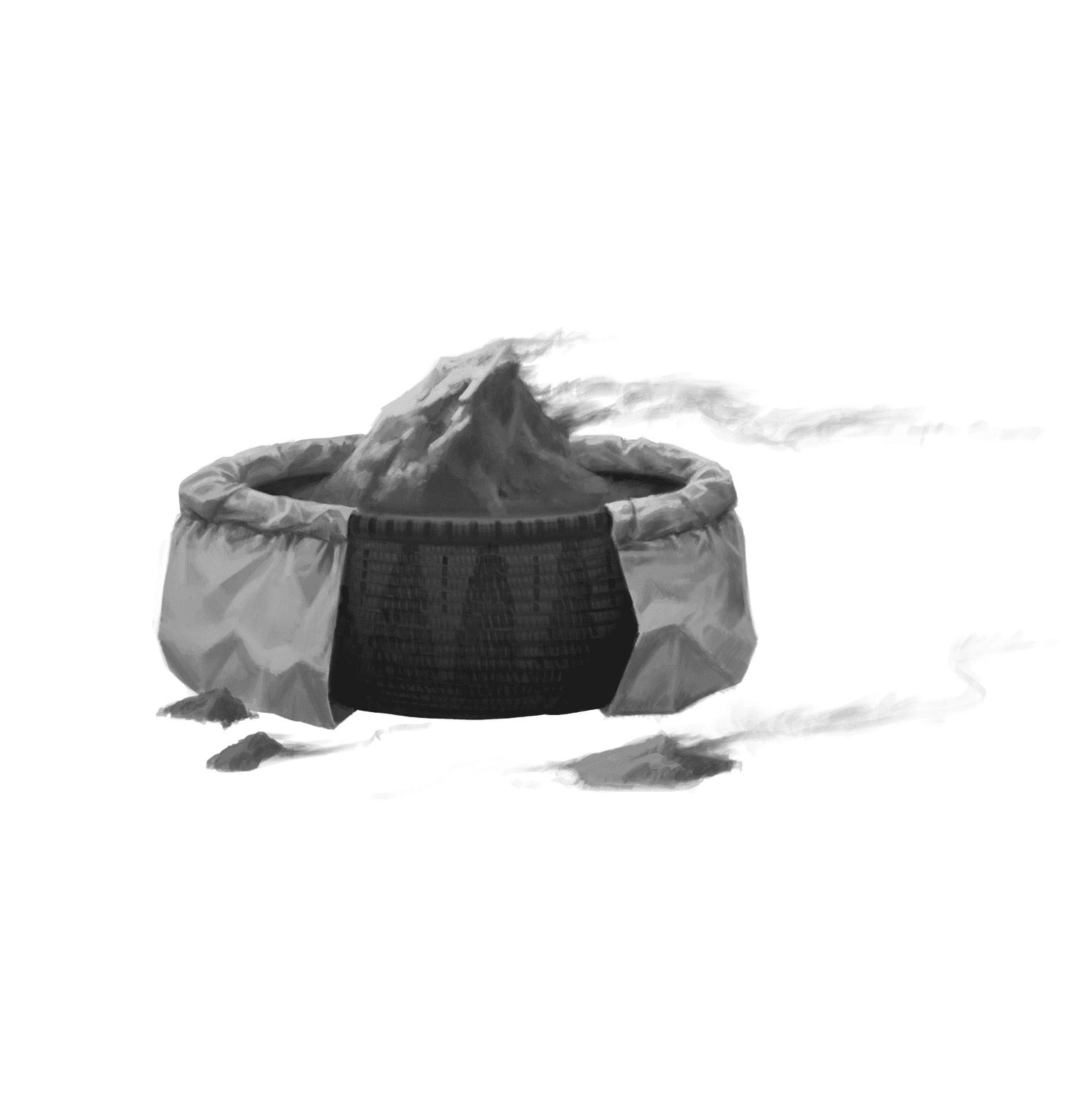
- The bubble pushes upward and bursts through the surface in a spice blow.
- Exposed to the heat and air of Arrakis, the material becomes melange.
- Sandtrout that survive clump together into a young worm, which takes many years to reach full size.
- When a worm dies, it breaks back down into sandtrout, and the cycle starts again.
(Dune Wiki, Melange, Sandtrout, Sandworm and Spice blow)
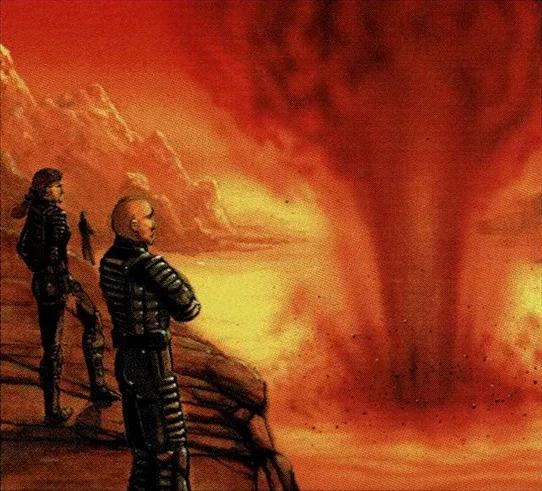
Dune itself shows the blow from the ground. In Chapter 30, Liet-Kynes, left to die in the desert, is lifted by the bubble and pulled down into the dust whirlpool that follows. Every Fremen, the same chapter says, can tell the sound of a blow from a worm. (Dune, Chapter 30)
Do sandworms make spice?#
Sort of, at one remove. The sandtrout, which are the larval form of the worm, produce the pre-spice mass. The adult sandworm doesn't. It's drawn to spice blows, as Heretics of Dune shows when a blow under Sheeana's village brings worms that eat what's left, and it reeks of melange, with a cinnamon smell coming out of its mouth. (Heretics of Dune, Chapter 5; Dune Wiki, Sandworm and Spice blow)
The wiki's production note is the fun part. Herbert modelled the worms on dragons that guard a hoard, like the one in Beowulf, and they attack anyone harvesting spice as if they were protecting it. Children of Dune calls them "the dragons on the floor of the desert." Yet the spice is just their waste and they don't care about it at all. (Dune Wiki, Sandworm; Children of Dune)
Was spice ever found or made anywhere else?#
Yes, later in the saga. Here's how the monopoly comes apart across Frank Herbert's last three books. (God Emperor of Dune; Heretics of Dune; Chapterhouse: Dune)
Under Leto II, the God Emperor, Arrakis is terraformed green. With the cycle broken, natural production stopped and the worms were reduced to the sandtrout living on his body. Leto had hidden huge stores of spice in advance, so for a time he was the only supply in the universe. He also toughened his sandtrout so they could one day survive on other worlds. (God Emperor of Dune; Dune Wiki, Melange and Sandtrout)
When Leto died, his body broke back down into sandtrout and the desert returned. The wiki says worms then thrived again for roughly 1,500 years, and that some small worms were shipped out on colony vessels in the Scattering, with doubtful success. (Dune Wiki, Sandworm)
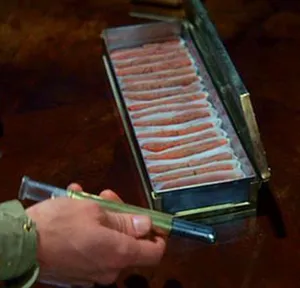
About 1,500 years after Leto's death, the Bene Tleilax finally synthesized melange and set themselves up as spice merchants. That's a nice irony, given that Dr. Yueh remarks in Dune that the spice can never be truly synthesized. (Dune; Dune Wiki, Melange)
Then the Honored Matres destroy all life on Arrakis, worms included, as far as anyone knows. Before that, the Bene Gesserit had taken a worm to Chapterhouse. Its sandtrout start turning that green world into desert, and in Chapter 30 of Chapterhouse: Dune the news arrives that a spice blow has happened there. The cycle has a second home. (Chapterhouse: Dune; Dune Wiki, Sandworm and Spice blow)
Canon Notes#
Where to go next#
The substance itself, with its effects and value, is on the melange page linked at the top. The Spacing Guild page explains why the whole Imperium needed this one planet's output.
Frequently asked questions
- Why is spice only on Arrakis?
- Because melange is a by-product of the sandworm's life cycle, and for thousands of years Arrakis was the only world where that cycle ran. The worms need a dry planet, since water kills them, and the Dune Wiki says the conditions that make melange were unique to Arrakis.
- Where does spice come from in Dune?
- From deep under the desert. Sandtrout, the larval stage of the sandworm, seal off underground water, and their excretions mixed with that water grow into a pre-spice mass. A spice blow throws the mass onto the surface, where the heat and air of Arrakis turn it into melange.
- How is spice made in Dune?
- A pre-spice mass takes up water and organic matter from sandtrout until a carbon dioxide bubble forms at its centre. The bubble heaves upward and bursts through the sand in a spice blow, and the raw material becomes melange once it's exposed to the sun and air.
- Do sandworms make spice?
- Indirectly. The larval form, the sandtrout, makes the pre-spice mass. Adult worms smell of melange and are drawn to spice blows, but the Dune Wiki says the spice is waste matter that holds no interest for them.
- Can spice be made synthetically in Dune?
- Eventually. The Dune Wiki says the Bene Tleilax managed it about 1,500 years after the death of Leto II and became spice merchants. By Chapterhouse: Dune, the Bene Gesserit also have sandworms and a spice blow on their own planet.
Gallery
Images via Dune Wiki
Sources
- BookDune, Frank Herbert, Chilton Books, 1965; including Appendix I, The Ecology of Dune, and the Terminology of the Imperium
- BookChildren of Dune, Frank Herbert, G. P. Putnam's Sons, 1976
- BookGod Emperor of Dune, Frank Herbert, G. P. Putnam's Sons, 1981
- BookHeretics of Dune, Frank Herbert, G. P. Putnam's Sons, 1984
- BookChapterhouse: Dune, Frank Herbert, G. P. Putnam's Sons, 1985
- WikiDune Wiki, Melange, Sandtrout, Sandworm and Spice blow entries, dune.fandom.com, CC BY-SA
Spotted a factual error or a primary source we missed? Email a correction. Every flagged claim gets reviewed.
Followed from this entry
Spice blow: the explosion that turns sand into melange
A spice blow was the violent final stage of the melange cycle on Arrakis, in which a carbon dioxide bubble built up inside a pre-spice mass and heaved the whole deposit to the surface in an eruption of dust and raw spice. Every Fremen knew the sound of one, every sandworm was drawn to it, and Liet-Kynes died inside one.
Melange
Melange, commonly called simply the spice, was a naturally produced awareness spectrum narcotic found only on Arrakis. It was the foundation of commerce, longevity, and interstellar travel across the Imperium, the single resource capable of creating or destroying an empire.
The Scattering
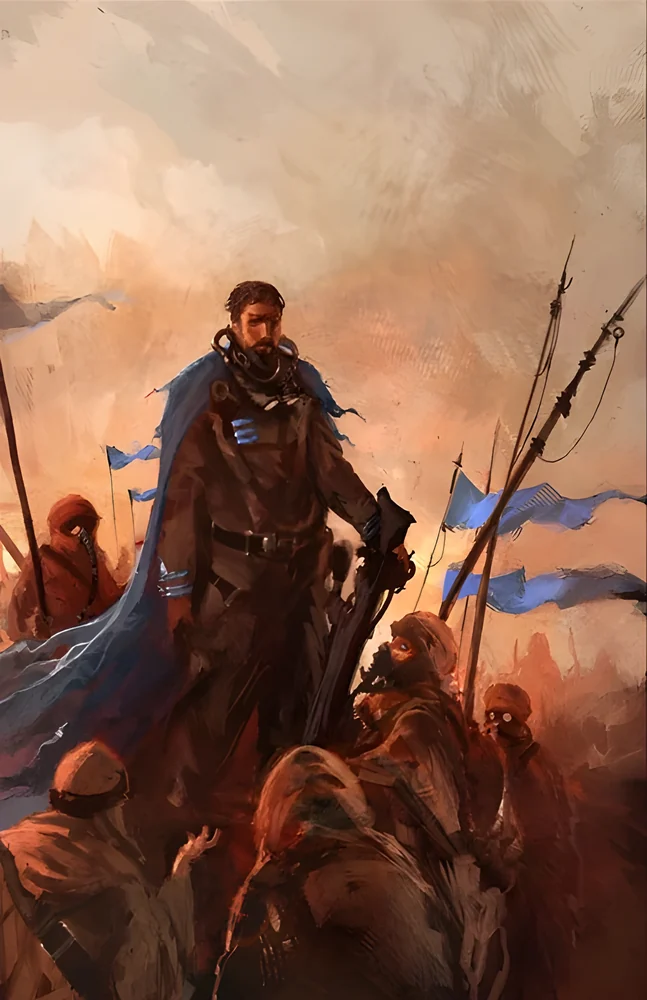
The Scattering was the great dispersal of humanity into uncharted space that followed the death of the God Emperor Leto II. Driven by famine and the collapse of his empire, countless humans fled the Old Imperium forever, fulfilling the design of the Golden Path.
Arrakis
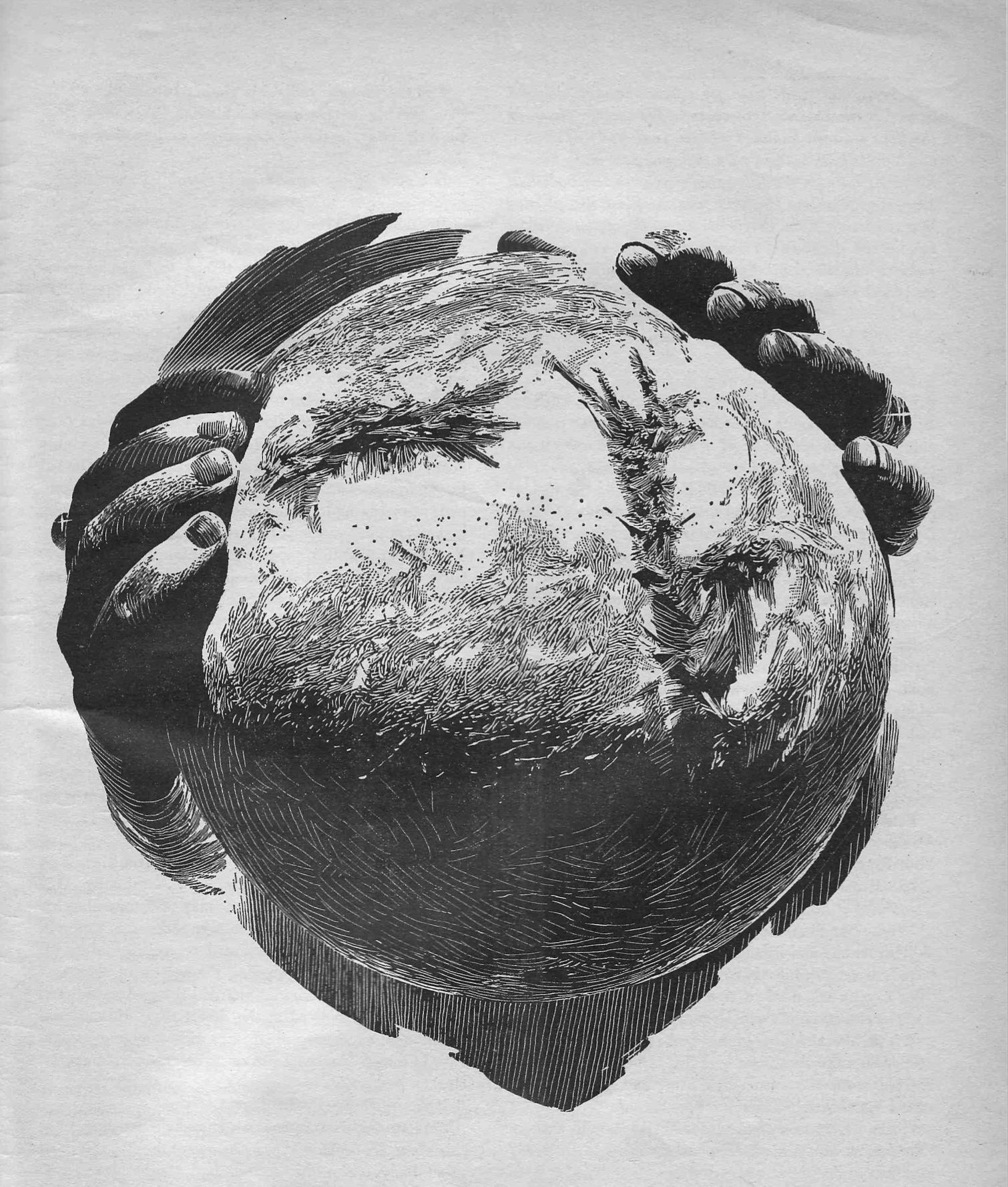
Arrakis, known as Dune and later as Rakis, was a harsh desert world in the Canopus system and the only natural source of the spice melange. Home to the Fremen and the sandworms, it became the seat of the Atreides empire and the center of the known universe.
Bene Tleilax: gholas, Face Dancers, tanks
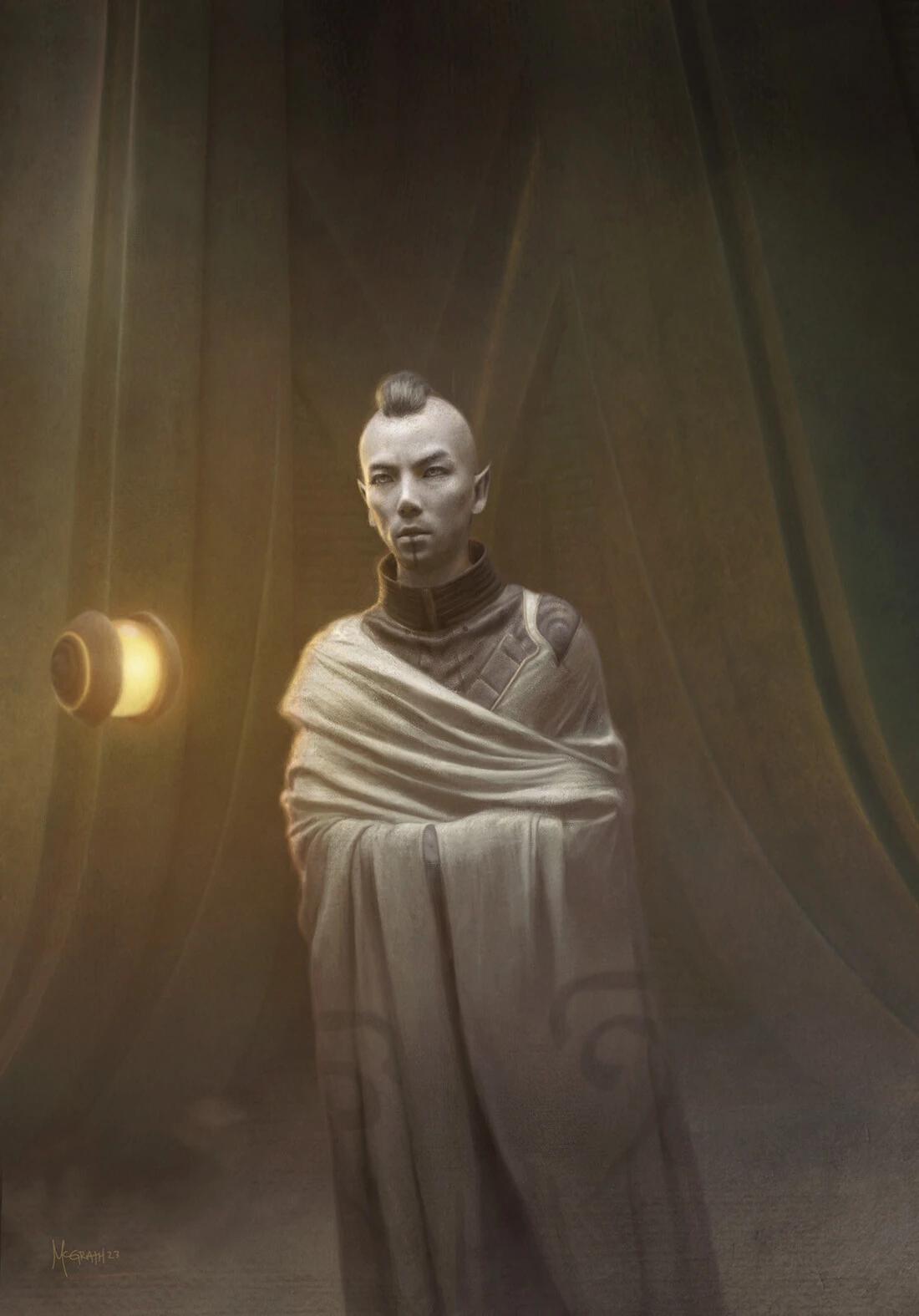
Reviled across the Imperium and needed by every part of it. The Tleilaxu axolotl tanks produced gholas, Face Dancers and Twisted Mentats to order.
Chapterhouse
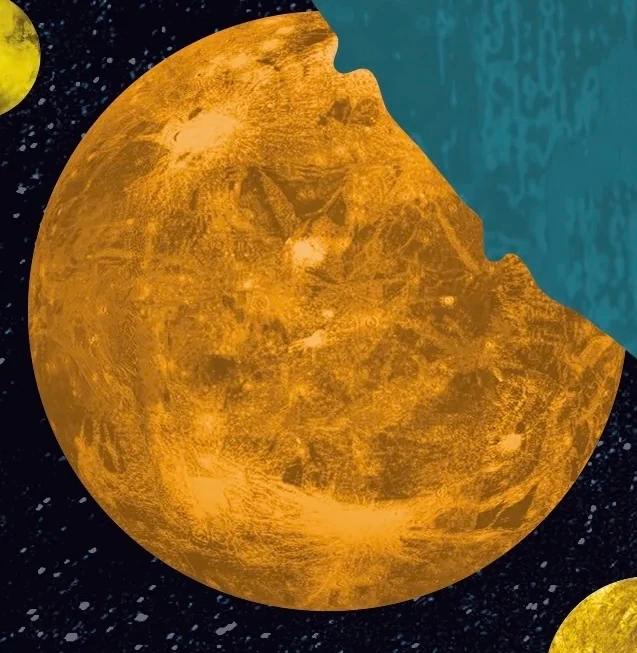
Chapterhouse was the Bene Gesserit term for the planet that served as the Sisterhood's home base. In its final form it was a hidden, deliberately unsettled world shielded from prescient eyes and, in the end, remade into desert to shelter the last sandworm.
Mentioned in1 entry
Get new articles in your inbox
No spam. New lore drops, canon conflicts, and deep dives only when they’re worth reading.
Some links on Lore Fortress are affiliate links. If you buy through them we earn a small commission at no extra cost to you.