Entertainment: Culture and amusement across the galaxy
The films, books, games, music, and sport of a galactic civilization
The peoples of the Milky Way produced a vast and varied culture of films, plays, books, magazines, music, sports, and games for their own amusement. From an all-elcor staging of Hamlet to the hanar action hero Blasto and the beloved romance Fleet and Flotilla, entertainment crossed species lines and revealed how each race saw itself and its neighbors.
The peoples of the Citadel and the wider Milky Way devised an enormous range of entertainment for their own consumption: films, plays, books, magazines, musical acts, sports, and games of every kind. Popular culture was thoroughly cross-species, with humans, asari, turians, elcor, hanar, quarians, and krogan all producing their own works while eagerly consuming one another's. The result was a body of culture that not only amused but revealed how each race understood itself and its neighbors. (Mass Effect; Mass Effect 2; Mass Effect 3)
Theatre and the elcor stage#
Live theatre flourished, and one of its most celebrated achievements was a production of Shakespeare's Hamlet directed by Francis Kitt and performed entirely by an elcor cast. The elcor actors used their native body language and pheromones to convey the play's emotion, signals obvious to other elcor but lost on non-elcor audiences, who instead attended to the dialogue. Kitt framed this as a feature rather than a limitation, wishing to let viewers judge Hamlet "by his deeds and not his emotions." The work entered planning in 2183 after hundreds of elcor were auditioned, and by 2185 it had become an award-winning hit running over fourteen hours, later abridged for home viewing. (Mass Effect 2; Mass Effect 3: Citadel)
Kitt followed this with plans for a Macbeth featuring a krogan in the title role, arguing the krogan brought "a raw brutality to the stage that emphasizes the ruthless actions of his character," and even adding a non-canon pyjak character played by a live animal. Separately, an elcor doctor named Yorrik, who had auditioned for the Hamlet production, wrote his own all-elcor Macbeth estimated at some sixteen hours in length, previewing portions of it to a small audience aboard the ark Keelah Si'yah before his death left the play unfinished. (Mass Effect 3: Citadel; Mass Effect: Annihilation)
Cinema and the rise of Blasto#
The galaxy's film industry turned out both prestige work and crowd-pleasing spectacle. Among the acknowledged masterpieces was Starless, a gothic horror filmed in part on the airless world of Faringor, whose grim, dim surface and preserving vacuum kept its sets intact for tourists long after production. At the popular end stood Blasto, a fictional hanar action hero billed as the galaxy's first hanar Spectre, who anchored a long-running series of films. Beginning with the exploitation picture Blasto: the Jellyfish Stings, the franchise produced numerous sequels, including wartime hits during the Reaper War and entries supposedly still being produced centuries later for settlers in the Andromeda galaxy. (Mass Effect; Mass Effect 2; Mass Effect 3; Mass Effect: Andromeda)
Other films engaged directly with recent galactic history. Citadel, presented by Eridani films, dramatized Commander Shepard's role in the Eden Prime War, with scenes that varied depending on whether Shepard had saved the Council during the final battle against Sovereign. Perhaps the most beloved cross-species work, however, was Fleet and Flotilla, an award-winning vid about a romance between the turian Bellicus and the quarian Shalei. Noted for its positive portrayal of turian-quarian relationships, it spawned a soundtrack, relationship simulators, and a musical adaptation, and held special meaning for turian and quarian viewers. (Mass Effect 2; Mass Effect 2: Lair of the Shadow Broker; Mass Effect 3: Citadel)
The printed word and the press#
Galactic print culture was equally broad. Classic Earth poets such as Walt Whitman, Rumi, and Alfred Tennyson remained continuously in print across the centuries, sitting alongside the verse of contemporary writers like the reclusive asari poet Techllis Bel. Military-historical fiction was popular, with novels such as Revelation and Ascension dramatizing humanity's expansion into the galaxy after the discovery of the Prothean relay in the Sol system, and the cult organization at the heart of those stories. (Mass Effect 2; Mass Effect 3)
The periodical press ranged from sensational to scandalous. Fornax, launched in 2167 and billed as "the galaxy's finest xenophilia," became the first human magazine to offer full five-sensory stimulation, running specialty editions for individual species. Publications such as Justicar Heroes recounted, and frequently exaggerated, the exploits of asari justicars, while polemical e-books and conspiracy titles accused the Council and its institutions of concealing inconvenient truths. Together these works formed a vigorous, opinionated print culture spanning every species. (Mass Effect 2)
Music, sport, and games#
Music had its own following, such as the sensory band Expel 10 that played on Omega. Sport crossed species lines too: kailat ring-ball, a zero-gravity favourite of the Terminus Systems, was scored when a ring flashed a colour only some species could see. Combat simulation was hugely popular, with venues such as the Armax Arsenal Arena on the Citadel projecting fully immersive holographic battles for paying crowds. (Mass Effect 2; Mass Effect 3: Citadel; Mass Effect: Andromeda)
Games filled the gaps between. Chess survived the trip from Earth, while the asari strategy game Kepesh-Yakshi and the krogan children's game Firebreathing Thresher Maws of Doom reflected their own cultures. Card games such as poker passed the downtime aboard ships, and sprawling virtual worlds like the turian-mythology role-playing game Galaxy of Fantasy boasted billions of players. From the stage to the arena to the omni-tool, entertainment was woven through the everyday life of the galaxy's peoples. (Mass Effect 2; Mass Effect 2: Lair of the Shadow Broker; Mass Effect 3: Citadel; Mass Effect: Andromeda)
Frequently asked questions
- What forms of entertainment existed in the Mass Effect galaxy?
- The denizens of the Milky Way devised countless forms of entertainment, including films, plays, books, magazines, musical acts, sports, and games. These crossed species lines, with humans, asari, turians, elcor, krogan, and others both producing their own works and consuming one another's, making popular culture a shared galactic phenomenon.
- What is the elcor Hamlet?
- The elcor Hamlet was an award-winning stage production of Shakespeare's play directed by Francis Kitt and performed entirely by an elcor cast. The actors conveyed emotion through their native body language and pheromones, which other elcor read instantly but which non-elcor missed, focusing instead on the words. Kitt wanted audiences to judge Hamlet by his deeds rather than his emotions.
- Who is Blasto?
- Blasto was a fictional hanar action hero billed as the galaxy's first hanar Spectre, the star of a long series of exploitation films. The character became a cultural fixture, with sequels stretching from Blasto: the Jellyfish Stings through wartime hits and even installments produced centuries later for settlers in the Andromeda galaxy.
- What is Fleet and Flotilla?
- Fleet and Flotilla was an award-winning entertainment vid celebrated for its sympathetic portrayal of a turian-quarian romance between the turian Bellicus and the quarian Shalei. The film spawned a soundtrack, a musical adaptation, and relationship simulators, and held particular appeal for turian and quarian audiences.
- What sports were played across the galaxy?
- Galactic sport included cross-species games such as the zero-gravity Terminus favorite kailat ring-ball. Combat simulators such as the Armax Arsenal Arena on the Citadel were also a hugely popular spectator draw.
Sources
- GameMass Effect, BioWare, 2007
- GameMass Effect 2, BioWare, 2010
- GameMass Effect 2: Lair of the Shadow Broker, BioWare, 2010
- GameMass Effect 3, BioWare, 2012
- GameMass Effect 3: Citadel, BioWare, 2013
- GameMass Effect: Andromeda, BioWare, 2017
- BookMass Effect: Annihilation, Catherynne M. Valente, 2018
Spotted a factual error or a primary source we missed? Email a correction. Every flagged claim gets reviewed.
Followed from this entry
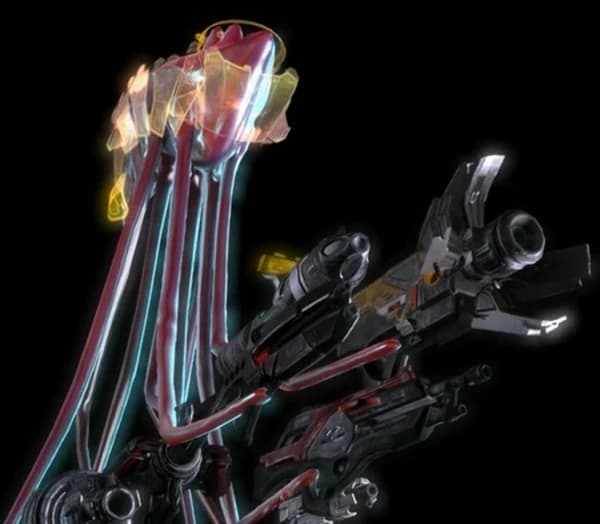
Blasto: The First Hanar Spectre
Blasto was a fictional action hero who starred in a long run of popular films across the galaxy, billed as the Milky Way's first hanar Spectre. A gun-toting jellyfish with a lover in every port, he became a cultural fixture whose movies ran from the 2180s into the era of the Andromeda settlements.
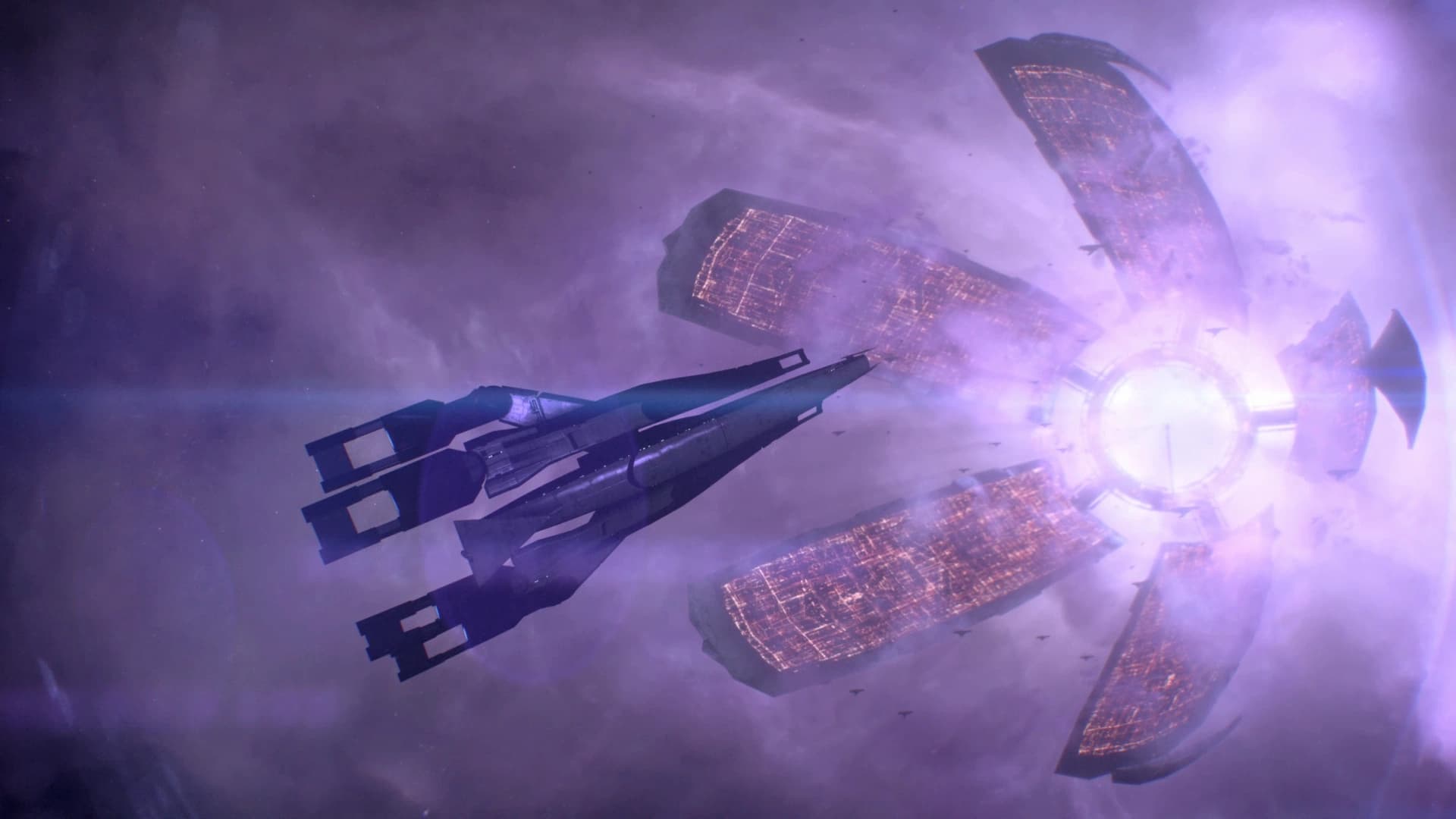
Citadel
The Citadel was a colossal deep-space station in the Serpent Nebula that served as the political and cultural heart of Citadel space and the seat of the Council. Long believed to be a Prothean relic, it was in truth a Reaper construction and a dormant trap at the center of galactic civilization.
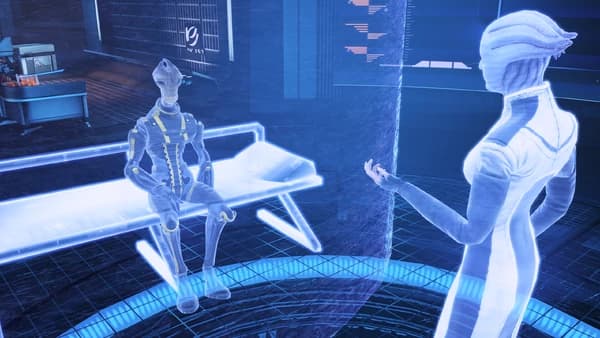
Spectre
Spectres were agents entrusted by the Citadel Council with extraordinary authority, including the power of life and death over the galaxy's people. Operating outside the law to preserve galactic stability, they were drawn from the finest operatives of the Council races and answered to no one but the Council itself.
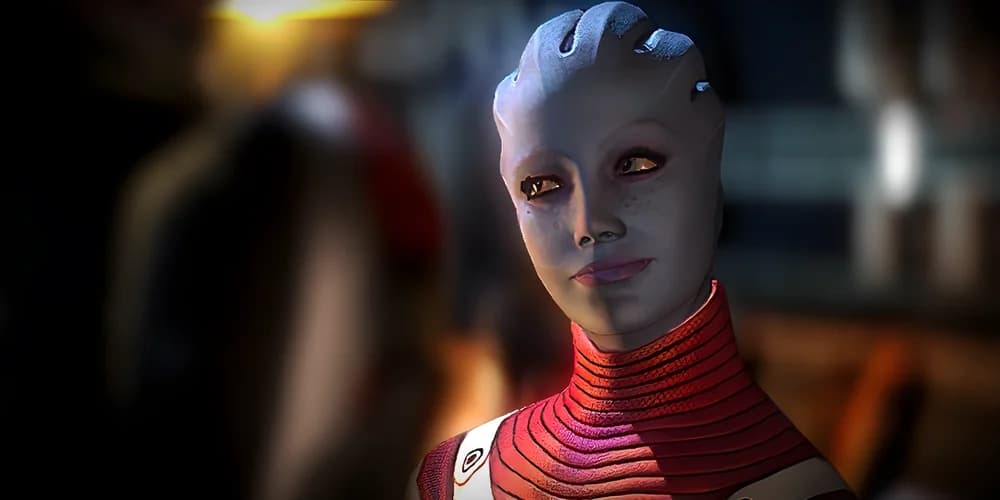
Asari
The asari, native to Thessia, were among the most influential species in the galaxy, renowned for their elegance, biotic talent, and millennium-long lifespans. A mono-gender people able to reproduce with a partner of any species, they founded the Citadel Council and stood at the heart of galactic society for two thousand years.
Commander Shepard
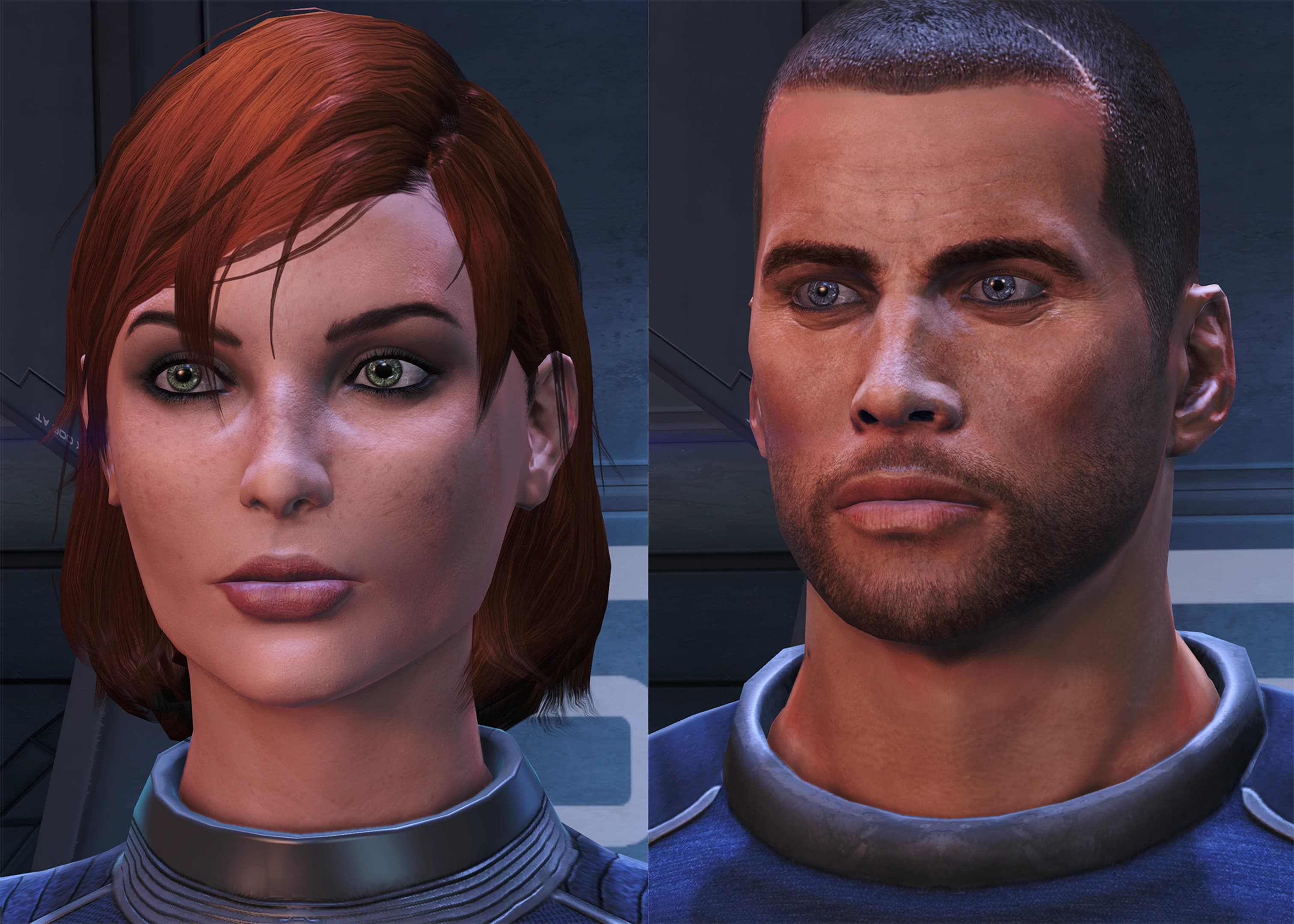
Commander Shepard was a Systems Alliance N7 marine who became the first human Spectre, exposed the rogue agent Saren Arterius, and led the galaxy's resistance against the Reapers. Shepard's gender, history, and many of the choices that shaped the war were never fixed, and the final fate of the cycle turned on the Commander's own decisions.
Eden Prime War
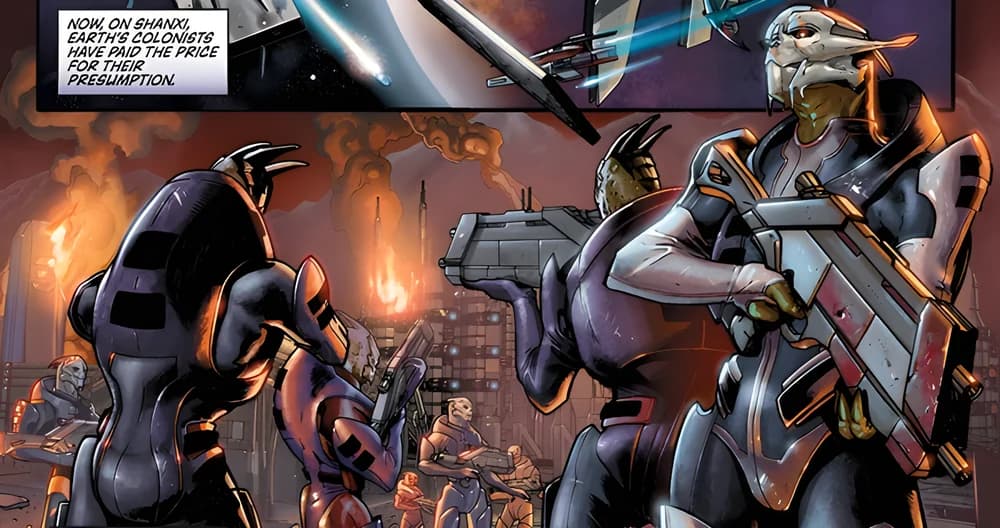
The Eden Prime War was the conflict between the Systems Alliance and the geth that began with a surprise attack on the human colony of Eden Prime in 2183 CE. Secretly directed by the rogue Spectre Saren Arterius and the Reaper Sovereign, the war ranged across the galaxy before culminating in the Battle of the Citadel.
Get new articles in your inbox
No spam. New lore drops, canon conflicts, and deep dives only when they’re worth reading.
Some links on Lore Fortress are affiliate links. If you buy through them we earn a small commission at no extra cost to you.