Assembler's Village
The Workshop Outposts of Po-Metru
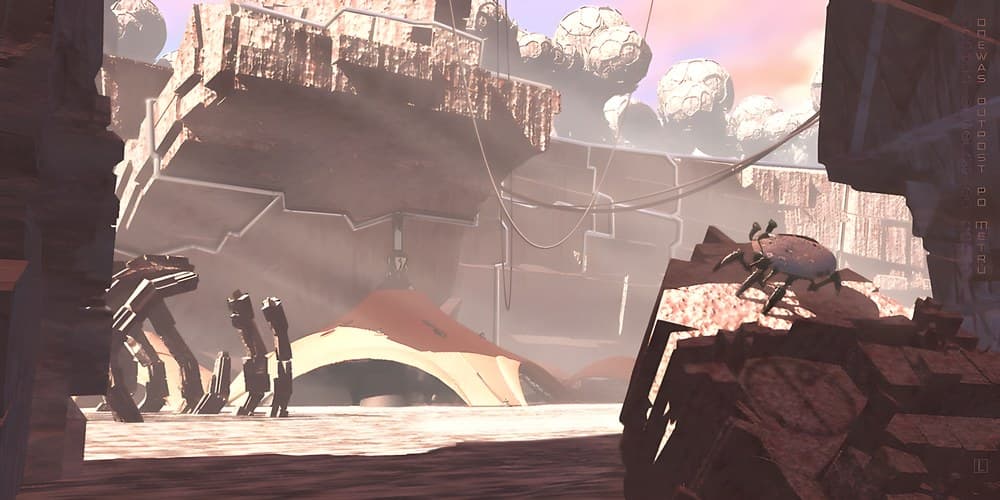
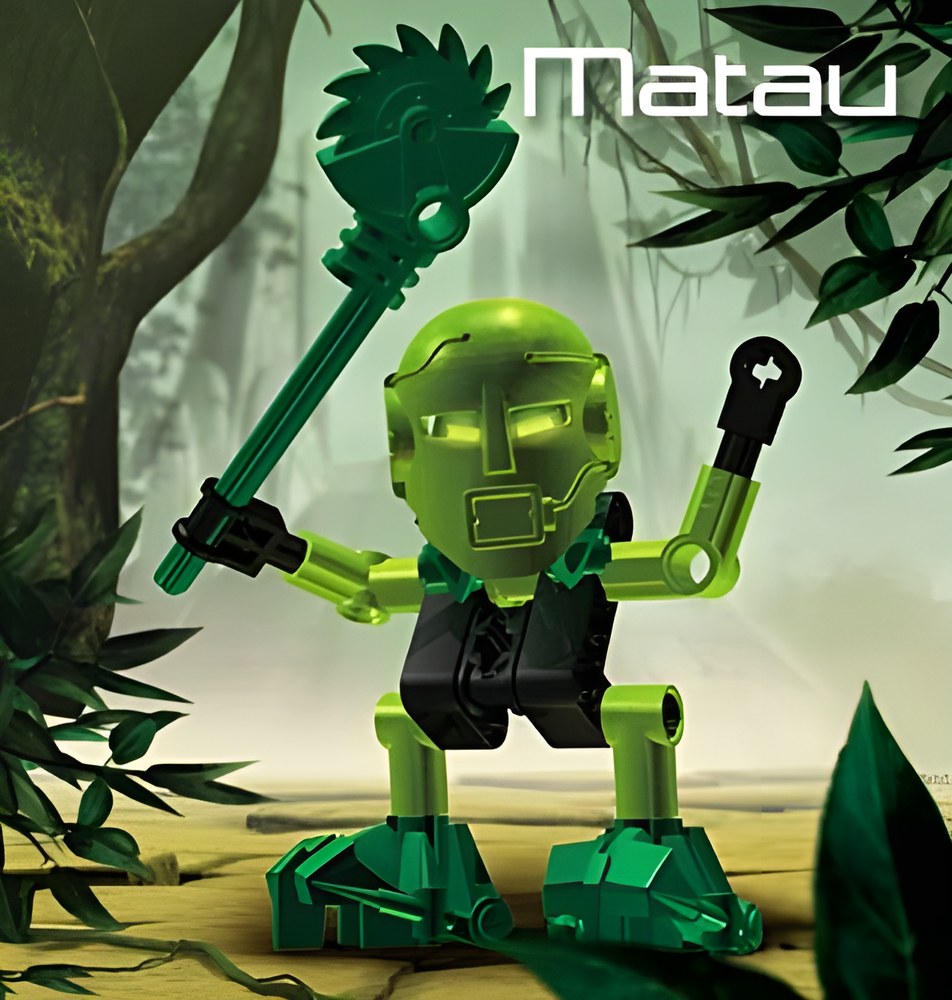
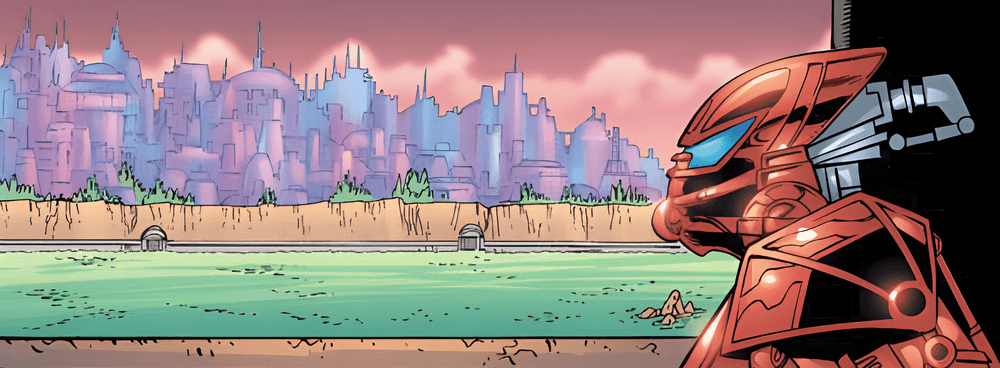
Assembler's Villages were clusters of Po-Matoran workshops in Po-Metru that assembled Vahki enforcers and other Matoran goods from parts shipped across the city.

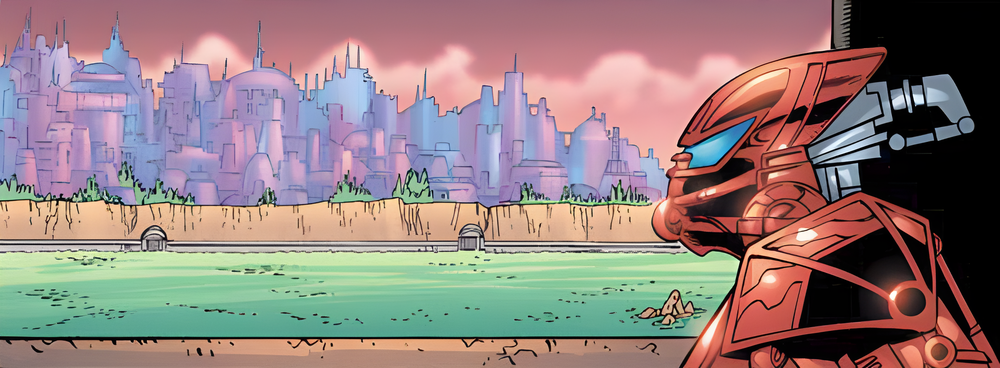
Assembler's Villages were clusters of Po-MatoranPo-MatoranThe Stone-element Matoran of Po-Metru and Po-Koro, carvers and quarry workers, the most athletic of the Matoran types and the population behind the Kohlii and Akilini circuits. workshops and living quarters scattered across the industrial sprawl of Po-MetruPo-MetruMetru Nui's Stone District, home to carvers whose work defined the city and site of an ancient conflict that threatened to divide it.. The settlements served as assembly sites for VahkiVahkiMetru Nui's mechanical law enforcement squads, designed to maintain rigid order but ultimately undermined by chaos beyond their programming. enforcers and other MatoranMatoranThe most abundant species in the Matoran Universe, chosen by Mata Nui to inhabit and maintain his cosmic body. goods, drawing components shipped in via ChuteChute: the Transport Tubes of Metru NuiA Chute was a pipe of liquid protodermis held together by a magnetic field, used across Metru Nui to carry Matoran, cargo, and Rahi. The system was run by the Le-Matoran and ran throughout the city until the Great Cataclysm left it abandoned., UssalUssalSix-legged crustacean Rahi domesticated across Metru Nui and Mata Nui for cargo, mining, and sport. Backbone of Matoran labor. cart, airship, and boat. One such village was destroyed during a KikanaloKikanaloBionicle's most underestimated Rahi: intelligent herd creatures whose stampedes terrified even Dark Hunters on Metru Nui. stampede following a confrontation between the Toa MetruMetruIn the Matoran language a metru was a single district of Metru Nui; the city was divided into six such districts, one for each element, and the term covered both the place and the elemental community that lived in it. and the Dark Hunters NidhikiNidhikiOnce a guardian of Metru Nui, Nidhiki traded his Toa honor for Dark Hunter gold and paid the price. and KrekkaKrekkaA brutish but ineffective Dark Hunter with no powers or masks, Krekka was outmatched from his first moments in Metru Nui., and was not rebuilt.
Origins and Function#
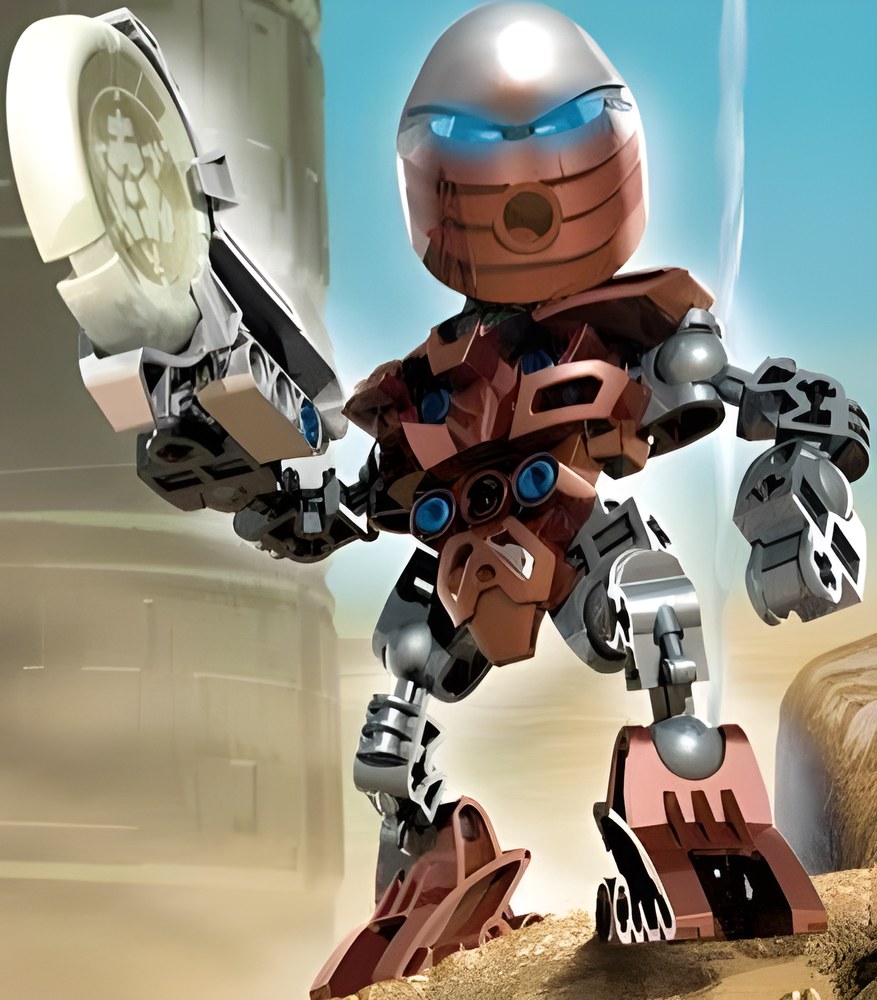
Assembler's Villages were established during Metru NuiMetru NuiThe city beneath Mata Nui functions as the Great Spirit's brain, housing the Matoran whose labor keeps the god alive.'s peak manufacturing era. The settlements housed Po-MatoranPo-MatoranThe Stone-element Matoran of Po-Metru and Po-Koro, carvers and quarry workers, the most athletic of the Matoran types and the population behind the Kohlii and Akilini circuits. crafters whose primary role was assembly: the conversion of raw parts shipped in from other districts into finished goods, including the VahkiVahkiMetru Nui's mechanical law enforcement squads, designed to maintain rigid order but ultimately undermined by chaos beyond their programming. units that patrolled the city. The villages operated as small manufacturing nodes within the broader Po-MetruPo-MetruMetru Nui's Stone District, home to carvers whose work defined the city and site of an ancient conflict that threatened to divide it. industrial network rather than as official districts.
Supply lines into the villages drew on the wider city. Components arrived from the forges of Ta-MetruTa-MetruThe fire district where Ta-Matoran perfected their craft and powered Metru Nui's industry for thousands of years., the sublevels of Onu-MetruOnu-MetruThe deep archive-city that made mining and historical records preservation the beating heart of Metru Nui., and external sources including the foundries of Xia. Chutes carried bulk shipments, while airships and UssalUssalSix-legged crustacean Rahi domesticated across Metru Nui and Mata Nui for cargo, mining, and sport. Backbone of Matoran labor.-pulled carts handled deliveries to the more isolated clusters. The settlements were positioned near rail spurs and canal junctions for ease of resupply, a layout that prioritised logistics over defence.
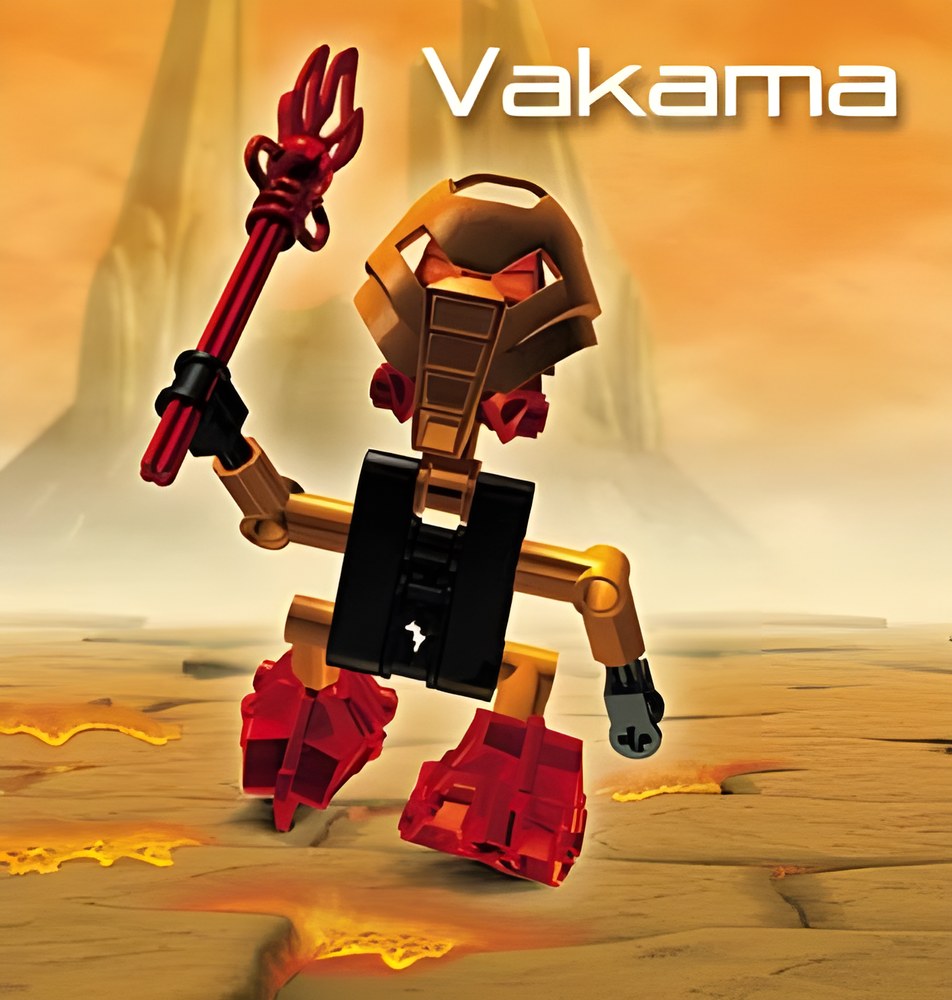
The villages were exposed to attack as a consequence of their placement. They had been threatened on multiple occasions by RahiRahiThe Rahi were the biomechanical wildlife of the Matoran Universe, built largely by the Brotherhood of Makuta, ranging from background fauna to engineered war beasts. including Stone Rats, KinlokaKinlokaSwarming rodent-like Rahi native to Le-Metru, engineered by the Brotherhood of Makuta and known for hurling Weaken Kanoka at close range., and Rock Raptors. The disruption of one village's operations during the events recorded in BIONICLEBIONICLE: Matoran AdventuresA 2002 GBA platformer where you play as one of six Matoran fighting Bohrok across Mata Nui's islands. Adventures 4: Legends of Metru NuiMetru NuiThe city beneath Mata Nui functions as the Great Spirit's brain, housing the Matoran whose labor keeps the god alive. followed a sequence in which VakamaVakamaA Ta-Metru maskmaker transformed into the Toa Metru of Fire, leader of his team through the Visorak war, and Turaga of Ta-Koro for a thousand years. and the other Toa MetruMetruIn the Matoran language a metru was a single district of Metru Nui; the city was divided into six such districts, one for each element, and the term covered both the place and the elemental community that lived in it. passed through an Assembler's Village during normal working hours and found it deserted. The silence preceded the arrival of NidhikiNidhikiOnce a guardian of Metru Nui, Nidhiki traded his Toa honor for Dark Hunter gold and paid the price. and KrekkaKrekkaA brutish but ineffective Dark Hunter with no powers or masks, Krekka was outmatched from his first moments in Metru Nui. and the KikanaloKikanaloBionicle's most underestimated Rahi: intelligent herd creatures whose stampedes terrified even Dark Hunters on Metru Nui. stampede that followed.
Working Life in the Villages#
Conditions in the Assembler's Villages were grueling. Po-MatoranPo-MatoranThe Stone-element Matoran of Po-Metru and Po-Koro, carvers and quarry workers, the most athletic of the Matoran types and the population behind the Kohlii and Akilini circuits. artisans worked long hours in dimly lit workshops surrounded by the noise of machinery and the constant background threat of RahiRahiThe Rahi were the biomechanical wildlife of the Matoran Universe, built largely by the Brotherhood of Makuta, ranging from background fauna to engineered war beasts. attack. The work consisted of assembling VahkiVahkiMetru Nui's mechanical law enforcement squads, designed to maintain rigid order but ultimately undermined by chaos beyond their programming. units and other MatoranMatoranThe most abundant species in the Matoran Universe, chosen by Mata Nui to inhabit and maintain his cosmic body. goods from components shipped in from across the city.
Workshop organisation followed an informal hierarchy. The most experienced carvers and assemblers took on leadership roles, assigning tasks and overseeing quality control. Younger or less skilled Po-MatoranPo-MatoranThe Stone-element Matoran of Po-Metru and Po-Koro, carvers and quarry workers, the most athletic of the Matoran types and the population behind the Kohlii and Akilini circuits. handled sorting, chute logistics, and basic repairs. The structure operated without formal designation, but the pressure to maintain VahkiVahkiMetru Nui's mechanical law enforcement squads, designed to maintain rigid order but ultimately undermined by chaos beyond their programming. production for citywide security required consistent output. During later crises, including the events of the Reign of ShadowsReign of ShadowsThe year Teridax ruled the Matoran Universe from inside Mata Nui's body, and the scattered resistance plots that ran against him until the Great Spirit returned from Bara Magna. period, Po-MatoranPo-MatoranThe Stone-element Matoran of Po-Metru and Po-Koro, carvers and quarry workers, the most athletic of the Matoran types and the population behind the Kohlii and Akilini circuits. artisans such as HafuHafuHafu was a Po-Matoran Carver of Po-Koro, recognized as a Master Carver, who served in the Chronicler's Company and survived the Reign of Shadows. were reassigned under duress by figures including AhkmouAhkmouA Po-Matoran carver of Metru Nui, one of the six Great Disk holders, who collaborated with Makuta Teridax and later imposed false Turaga rule during Teridax's reign., demonstrating that the labour force could be redirected when authorities chose to do so.
The supply chains that sustained the villages were vulnerable. Without regular deliveries of parts from external sources, production halted. The reliance on outside logistics made the Assembler's Villages susceptible not only to RahiRahiThe Rahi were the biomechanical wildlife of the Matoran Universe, built largely by the Brotherhood of Makuta, ranging from background fauna to engineered war beasts. attack but also to sabotage and systemic disruption. The destruction of one village during the KikanaloKikanaloBionicle's most underestimated Rahi: intelligent herd creatures whose stampedes terrified even Dark Hunters on Metru Nui. stampede demonstrated how rapidly a functioning site could become rubble when its protective systems failed.
Threats from RahiRahiThe Rahi were the biomechanical wildlife of the Matoran Universe, built largely by the Brotherhood of Makuta, ranging from background fauna to engineered war beasts.#
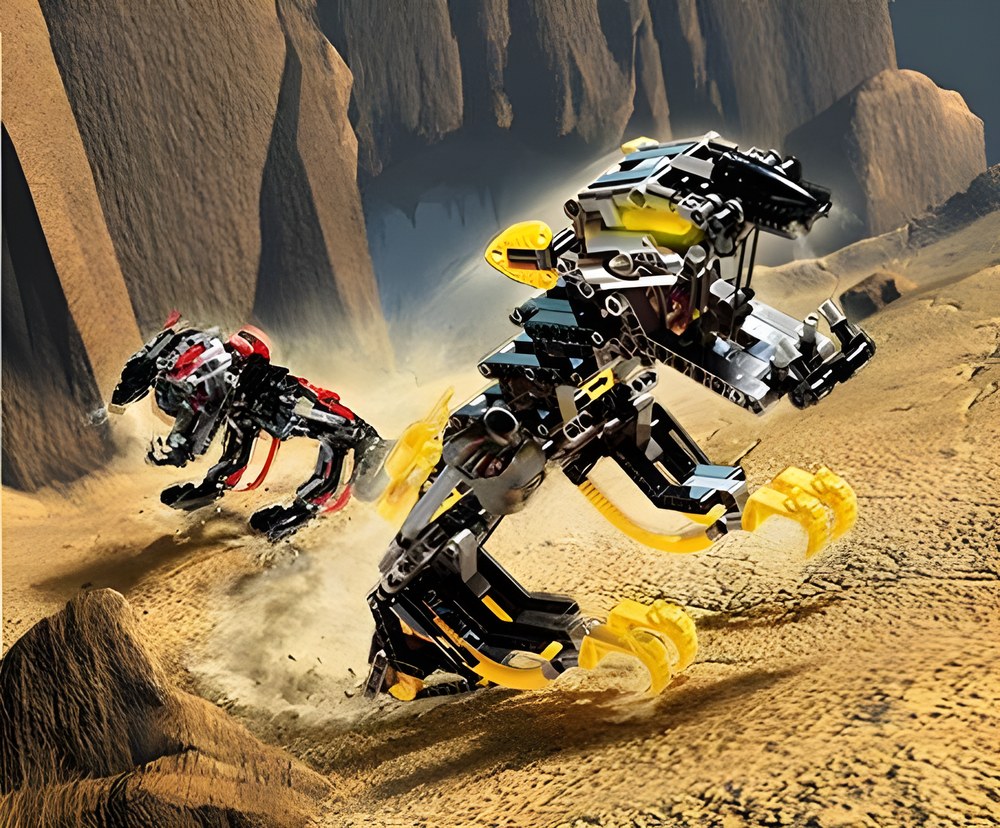
The Assembler's Villages faced sustained threats from local RahiRahiThe Rahi were the biomechanical wildlife of the Matoran Universe, built largely by the Brotherhood of Makuta, ranging from background fauna to engineered war beasts.. Stone Rats scavenged gear and chewed through stockpiles, requiring continuous protective measures. KinlokaKinlokaSwarming rodent-like Rahi native to Le-Metru, engineered by the Brotherhood of Makuta and known for hurling Weaken Kanoka at close range., a rodent species also used by the SkakdiSkakdiA brutish warrior species from Zakaz whose pair-dependent elemental powers and moral void made them one of Bionicle's few irredeemable factions. as triggers on booby-trapped zones, appeared in Po-MetruPo-MetruMetru Nui's Stone District, home to carvers whose work defined the city and site of an ancient conflict that threatened to divide it. and posed both direct nuisance and indirect risk as a possible indicator of reconnaissance by hostile parties. The presence of KinlokaKinlokaSwarming rodent-like Rahi native to Le-Metru, engineered by the Brotherhood of Makuta and known for hurling Weaken Kanoka at close range. in the area coincided with periods of increased Dark Hunter activity in the lower sectors.
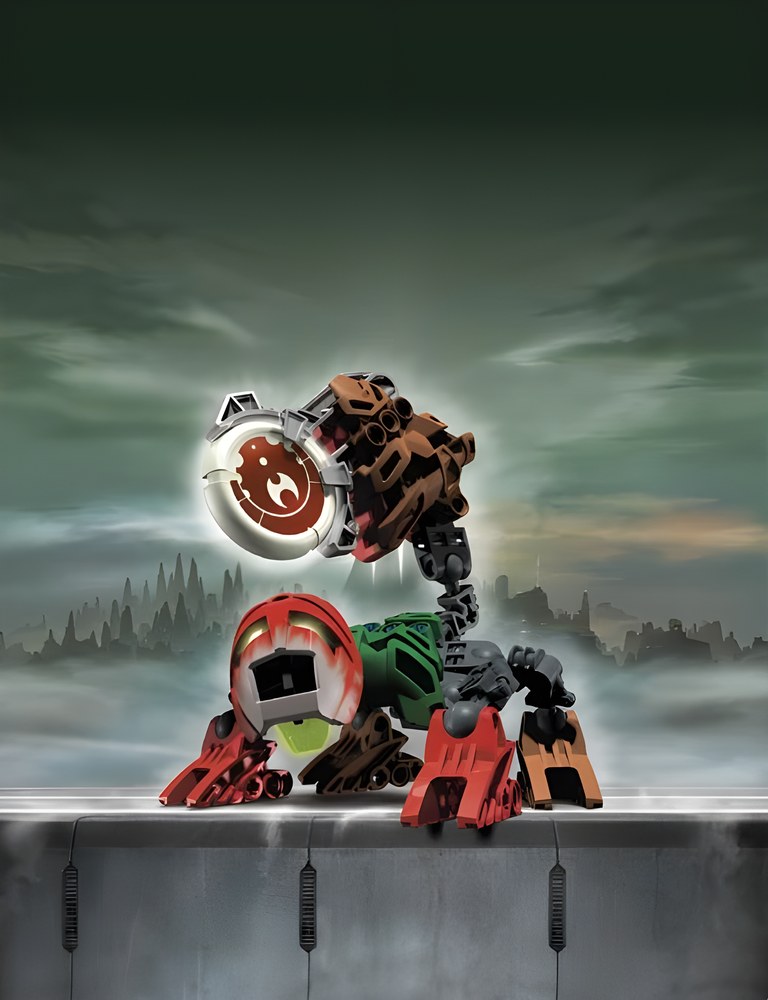
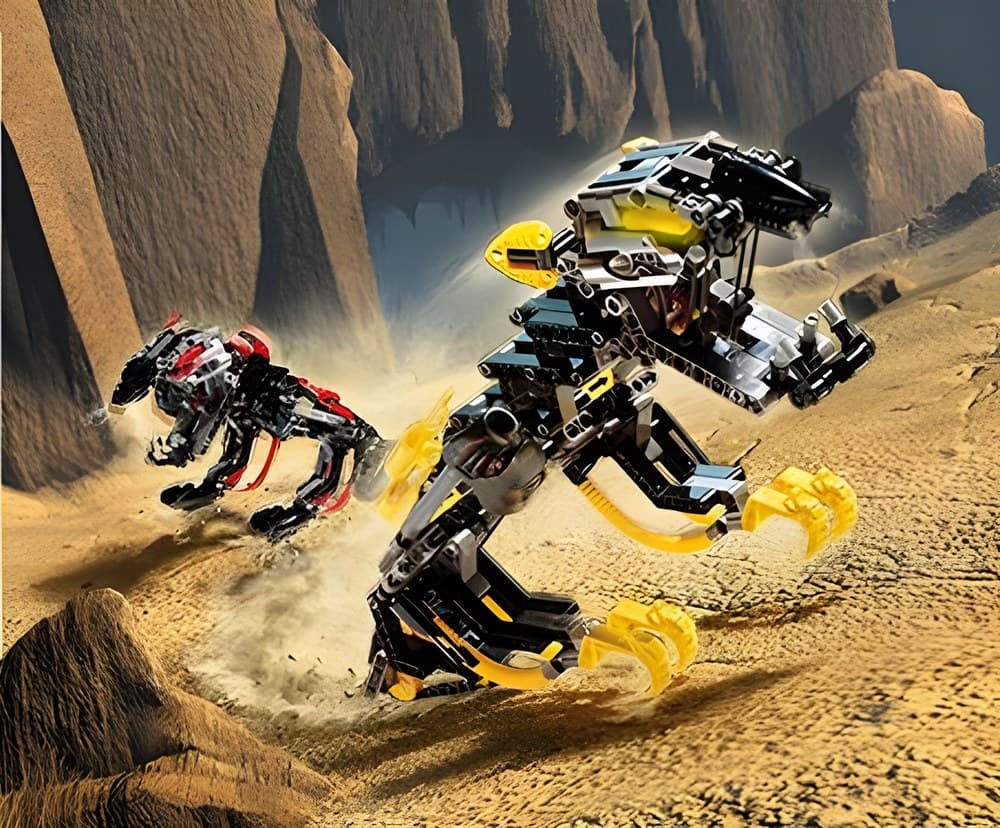
Rock Raptors presented a more substantial threat. Listed in RahiRahiThe Rahi were the biomechanical wildlife of the Matoran Universe, built largely by the Brotherhood of Makuta, ranging from background fauna to engineered war beasts. Beasts alongside Phase Dragons and Razor Whales, they were native to the rocky open zones that surrounded the outlying assembler clusters. The creatures dove from the upper chasms, struck power relays with their wing impacts, and carried off cargo. With VahkiVahkiMetru Nui's mechanical law enforcement squads, designed to maintain rigid order but ultimately undermined by chaos beyond their programming. patrols stretched across Po-MetruPo-MetruMetru Nui's Stone District, home to carvers whose work defined the city and site of an ancient conflict that threatened to divide it.'s broader area, the villages experienced prolonged periods of inadequate coverage.
The cumulative effect of these threats on the Po-MatoranPo-MatoranThe Stone-element Matoran of Po-Metru and Po-Koro, carvers and quarry workers, the most athletic of the Matoran types and the population behind the Kohlii and Akilini circuits. workforce was significant. The assemblers operated without dedicated security details and were required to maintain output under constant background risk. The villages' continued function depended on the Po-MatoranPo-MatoranThe Stone-element Matoran of Po-Metru and Po-Koro, carvers and quarry workers, the most athletic of the Matoran types and the population behind the Kohlii and Akilini circuits.'s ability to defend their workshops with limited tools and on the irregular intervention of VahkiVahkiMetru Nui's mechanical law enforcement squads, designed to maintain rigid order but ultimately undermined by chaos beyond their programming. patrols.
Confrontation with Nidhiki and Krekka#
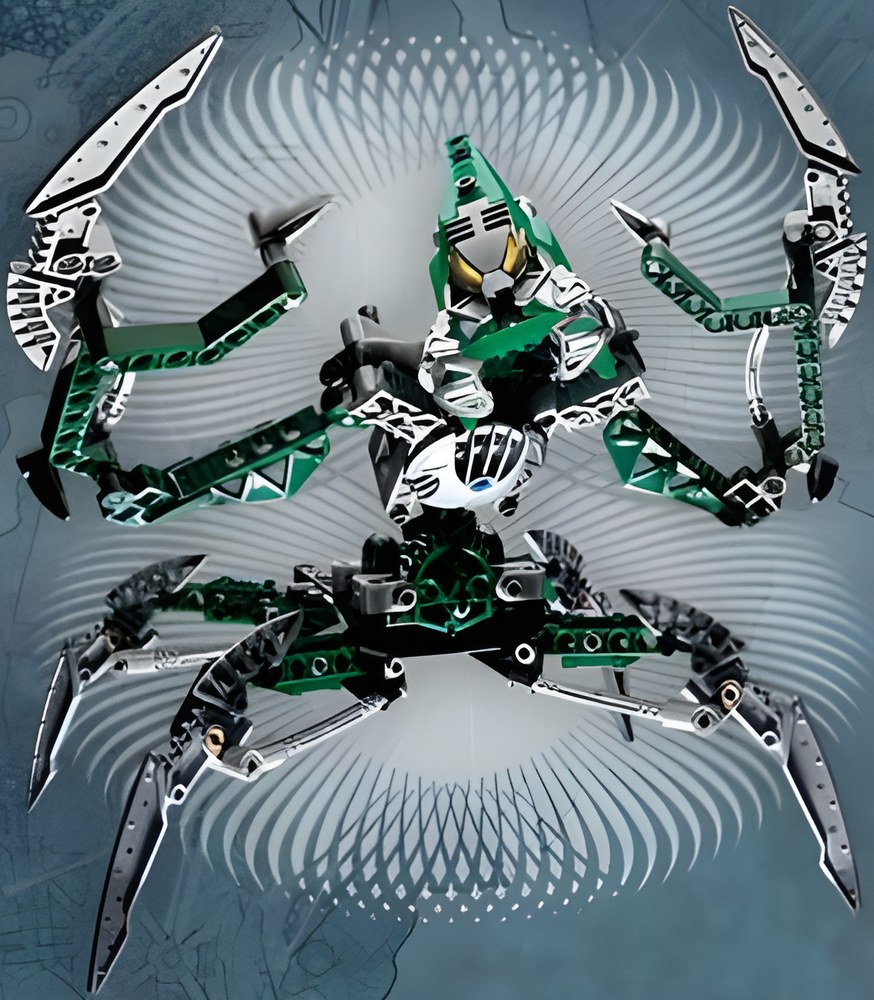
The ToaThe Toa: Heroes of the Matoran UniverseThe Toa were biomechanical guardians sworn to protect the Matoran, bound by a strict code and defined by sacrifice across every age of the universe. MetruMetruIn the Matoran language a metru was a single district of Metru Nui; the city was divided into six such districts, one for each element, and the term covered both the place and the elemental community that lived in it.'s stop at an Assembler's Village in Po-MetruPo-MetruMetru Nui's Stone District, home to carvers whose work defined the city and site of an ancient conflict that threatened to divide it. followed their use of a VahkiVahkiMetru Nui's mechanical law enforcement squads, designed to maintain rigid order but ultimately undermined by chaos beyond their programming. Transport across the district. The ToaThe Toa: Heroes of the Matoran UniverseThe Toa were biomechanical guardians sworn to protect the Matoran, bound by a strict code and defined by sacrifice across every age of the universe. intended to regroup and continue their work on merging Great Disks into a mask. The village was empty when they arrived, despite the time of day falling within normal working hours.
The Dark HuntersThe Dark HuntersA mercenary organization founded on Odina by The Shadowed One and Ancient, contracted across the Matoran Universe for assassination and theft, and ultimately reduced to a battered remnant by the fall of the universe itself. NidhikiNidhikiOnce a guardian of Metru Nui, Nidhiki traded his Toa honor for Dark Hunter gold and paid the price. and KrekkaKrekkaA brutish but ineffective Dark Hunter with no powers or masks, Krekka was outmatched from his first moments in Metru Nui. attacked almost immediately. NidhikiNidhikiOnce a guardian of Metru Nui, Nidhiki traded his Toa honor for Dark Hunter gold and paid the price. was a former Toa turned mercenary, and KrekkaKrekkaA brutish but ineffective Dark Hunter with no powers or masks, Krekka was outmatched from his first moments in Metru Nui. was his physically formidable partner. Their presence at the village confirmed that an external party had identified the Toa's movements and dispatched two of the most dangerous Dark Hunters operating in Metru NuiMetru NuiThe city beneath Mata Nui functions as the Great Spirit's brain, housing the Matoran whose labor keeps the god alive. to intercept them.
The fight spread across the village, damaging workshops and assembly lines. The ToaThe Toa: Heroes of the Matoran UniverseThe Toa were biomechanical guardians sworn to protect the Matoran, bound by a strict code and defined by sacrifice across every age of the universe. were outnumbered and at a tactical disadvantage on uneven ground. The situation changed when a stampede of KikanaloKikanaloBionicle's most underestimated Rahi: intelligent herd creatures whose stampedes terrified even Dark Hunters on Metru Nui. arrived from the surrounding terrain. The herd's approach interrupted the fight: NidhikiNidhikiOnce a guardian of Metru Nui, Nidhiki traded his Toa honor for Dark Hunter gold and paid the price. took cover in a ditch, KrekkaKrekkaA brutish but ineffective Dark Hunter with no powers or masks, Krekka was outmatched from his first moments in Metru Nui. climbed onto a tower, and the Toa sheltered inside a small building.
The Kikanalo Stampede#
The KikanaloKikanaloBionicle's most underestimated Rahi: intelligent herd creatures whose stampedes terrified even Dark Hunters on Metru Nui. trampled the village, reducing significant portions of the site to rubble within minutes. The ToaThe Toa: Heroes of the Matoran UniverseThe Toa were biomechanical guardians sworn to protect the Matoran, bound by a strict code and defined by sacrifice across every age of the universe.'s shelter was overrun moments after they took cover inside it. The herd's passage scattered the combatants and broke the engagement with NidhikiNidhikiOnce a guardian of Metru Nui, Nidhiki traded his Toa honor for Dark Hunter gold and paid the price. and KrekkaKrekkaA brutish but ineffective Dark Hunter with no powers or masks, Krekka was outmatched from his first moments in Metru Nui..
As the Toa fled, NokamaNokamaNokama served as Toa Metru of Water, endured the Hordika mutation, and led Ga-Koro and later Ga-Metru as Turaga through three eras. turned back toward the oncoming KikanaloKikanaloBionicle's most underestimated Rahi: intelligent herd creatures whose stampedes terrified even Dark Hunters on Metru Nui. and confronted the herd directly. Using her newly discovered Mask of Translation, she communicated with the KikanaloKikanaloBionicle's most underestimated Rahi: intelligent herd creatures whose stampedes terrified even Dark Hunters on Metru Nui. and halted the stampede. The herd ceased its attack, but the structures already trampled were beyond recovery.
The village's prior abandonment by the Po-MatoranPo-MatoranThe Stone-element Matoran of Po-Metru and Po-Koro, carvers and quarry workers, the most athletic of the Matoran types and the population behind the Kohlii and Akilini circuits. workforce was consistent with regular KikanaloKikanaloBionicle's most underestimated Rahi: intelligent herd creatures whose stampedes terrified even Dark Hunters on Metru Nui. activity in the area, which would explain why the workshops were empty during normal working hours. Whether NidhikiNidhikiOnce a guardian of Metru Nui, Nidhiki traded his Toa honor for Dark Hunter gold and paid the price. and KrekkaKrekkaA brutish but ineffective Dark Hunter with no powers or masks, Krekka was outmatched from his first moments in Metru Nui. had used the deserted village deliberately or had merely happened upon it is not recorded.
Failure to Rebuild#
Unlike other damaged areas of Metru NuiMetru NuiThe city beneath Mata Nui functions as the Great Spirit's brain, housing the Matoran whose labor keeps the god alive., the Assembler's Village destroyed during the Toa MetruMetruIn the Matoran language a metru was a single district of Metru Nui; the city was divided into six such districts, one for each element, and the term covered both the place and the elemental community that lived in it.'s confrontation with the Dark Hunters was not restored. No surviving record mentions reconstruction efforts at the site. Given the village's importance to the production of VahkiVahkiMetru Nui's mechanical law enforcement squads, designed to maintain rigid order but ultimately undermined by chaos beyond their programming. and other essential goods, the absence of any restoration is notable.
The reasons for the decision are not directly recorded. The risk of further RahiRahiThe Rahi were the biomechanical wildlife of the Matoran Universe, built largely by the Brotherhood of Makuta, ranging from background fauna to engineered war beasts. attacks in the area may have been judged too high. The leadership of Metru NuiMetru NuiThe city beneath Mata Nui functions as the Great Spirit's brain, housing the Matoran whose labor keeps the god alive. under TuragaTuragaFormer Toa who fulfilled their destiny and transformed into leaders. Turaga wield Noble Kanohi masks and weakened elemental powers, guiding their communities. DumeDumeDume is a Turaga of Fire and the former ruler of Metru Nui, distinguished by his red and black coloring and the Noble Kanohi Kiril, the Mask of Regeneration. As a member of the Turaga of Metru Nui, he wields a Staff of Office and commands a weakened mastery of Fire. He later resides on the reformed Spherus Magna., or the VahkiVahkiMetru Nui's mechanical law enforcement squads, designed to maintain rigid order but ultimately undermined by chaos beyond their programming. oversight teams, may have concluded that the isolated crafting outposts were no longer worth maintaining. No survivor accounts of the destruction survived in the records, and the MatoranMatoranThe most abundant species in the Matoran Universe, chosen by Mata Nui to inhabit and maintain his cosmic body. population was relocated from Metru NuiMetru NuiThe city beneath Mata Nui functions as the Great Spirit's brain, housing the Matoran whose labor keeps the god alive. shortly afterward, making any local recovery moot.
Terminology and Records#
The term "Assembler's Village" appears in surviving records both as a generic descriptor and as the designation of specific sites. The Adventures account refers to the location as "an Assembler's Village", implying that multiple such sites existed. The Encyclopedia and the Encyclopedia Updated each list "Assembler's Village" as a standalone entry, treating the term as a recognisable category.
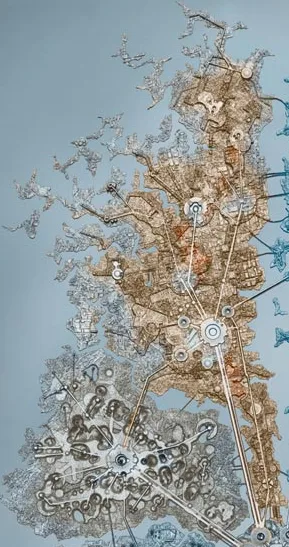
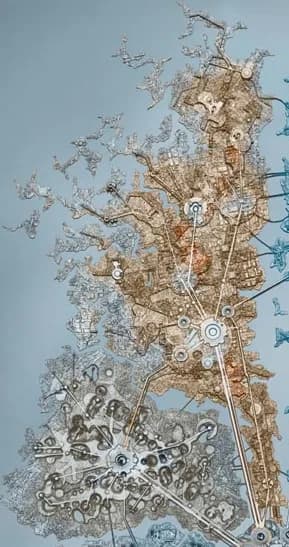
The evidence suggests that "Assembler's Village" served primarily as a general descriptor for clusters of workshops scattered across Po-MetruPo-MetruMetru Nui's Stone District, home to carvers whose work defined the city and site of an ancient conflict that threatened to divide it. rather than as the name of any single settlement. The lowercase usage in some sources supports this reading. The map of Metru NuiMetru NuiThe city beneath Mata Nui functions as the Great Spirit's brain, housing the Matoran whose labor keeps the god alive. does not mark any location by the name, which is consistent with the villages operating as informal manufacturing nodes rather than chartered districts.
The lack of survivor accounts, official records of recovery, or TuragaTuragaFormer Toa who fulfilled their destiny and transformed into leaders. Turaga wield Noble Kanohi masks and weakened elemental powers, guiding their communities. DumeDumeDume is a Turaga of Fire and the former ruler of Metru Nui, distinguished by his red and black coloring and the Noble Kanohi Kiril, the Mask of Regeneration. As a member of the Turaga of Metru Nui, he wields a Staff of Office and commands a weakened mastery of Fire. He later resides on the reformed Spherus Magna.'s response to the destruction leaves significant gaps in the historical record. The later serials covering Metru NuiMetru NuiThe city beneath Mata Nui functions as the Great Spirit's brain, housing the Matoran whose labor keeps the god alive.'s reconstruction, including Destiny WarThe Destiny WarThe open conflict between the Order of Mata Nui and the Brotherhood of Makuta that ended fifty thousand years of operational secrecy and broke the Brotherhood's last assault on Metru Nui. and Time Slip, address other districts but do not return to the assembler clusters.
Place Within Metru NuiMetru NuiThe city beneath Mata Nui functions as the Great Spirit's brain, housing the Matoran whose labor keeps the god alive.#
The Assembler's Villages were essential components of Metru NuiMetru NuiThe city beneath Mata Nui functions as the Great Spirit's brain, housing the Matoran whose labor keeps the god alive.'s manufacturing capacity. The Po-MatoranPo-MatoranThe Stone-element Matoran of Po-Metru and Po-Koro, carvers and quarry workers, the most athletic of the Matoran types and the population behind the Kohlii and Akilini circuits. employed within them assembled the VahkiVahkiMetru Nui's mechanical law enforcement squads, designed to maintain rigid order but ultimately undermined by chaos beyond their programming. units that maintained civic order, along with a wide range of additional goods. The settlements operated at the edge of the Po-MetruPo-MetruMetru Nui's Stone District, home to carvers whose work defined the city and site of an ancient conflict that threatened to divide it. infrastructure, supplied by the city's transit networks but exposed to the threats of the surrounding terrain.
The destruction of one village during the Toa MetruMetruIn the Matoran language a metru was a single district of Metru Nui; the city was divided into six such districts, one for each element, and the term covered both the place and the elemental community that lived in it.'s confrontation with the Dark Hunters reflected the structural fragility of the system. The villages depended on continuous supply, regular VahkiVahkiMetru Nui's mechanical law enforcement squads, designed to maintain rigid order but ultimately undermined by chaos beyond their programming. patrols, and the stability of the city's broader logistics. When those conditions failed, the workshops could be lost rapidly and without the possibility of reconstruction. The Assembler's Villages remained one of the less documented aspects of Po-MetruPo-MetruMetru Nui's Stone District, home to carvers whose work defined the city and site of an ancient conflict that threatened to divide it.'s industrial geography, despite their direct role in sustaining the systems on which Metru NuiMetru NuiThe city beneath Mata Nui functions as the Great Spirit's brain, housing the Matoran whose labor keeps the god alive. depended.
Frequently asked questions
- What were Assembler's Villages in BIONICLE?
- Assembler's Villages were clusters of Po-Matoran workshops and living quarters scattered across the industrial sprawl of Po-Metru. They served as assembly sites for Vahki enforcers and other Matoran goods, drawing components shipped in via Chute, Ussal cart, airship, and boat.
- What did the Po-Matoran do in the Assembler's Villages?
- The Po-Matoran crafters converted raw parts shipped in from other districts into finished goods, including the Vahki units that patrolled the city. The most experienced carvers and assemblers took on informal leadership roles, while younger or less skilled Po-Matoran handled sorting, chute logistics, and basic repairs.
- What threats did the Assembler's Villages face?
- The villages faced sustained threats from local Rahi, including Stone Rats that scavenged gear, Kinloka, and Rock Raptors that dove from the upper chasms and carried off cargo. Their placement near rail spurs and canal junctions prioritised logistics over defence, leaving them exposed to attack.
- How was an Assembler's Village destroyed?
- The Toa Metru stopped at an Assembler's Village and found it deserted during normal working hours, after which the Dark Hunters Nidhiki and Krekka attacked them. A Kikanalo stampede then arrived and trampled the village, reducing significant portions of the site to rubble within minutes.
- Why was the destroyed Assembler's Village not rebuilt?
- Unlike other damaged areas of Metru Nui, the destroyed village was not restored, and no surviving record mentions reconstruction efforts. The Matoran population was relocated from Metru Nui shortly afterward, making any local recovery moot, and later serials covering the city's reconstruction do not return to the assembler clusters.
Sources
- BookBIONICLE Adventures 4: Legends of Metru Nui โ Primary source via BS01 wiki entry
- BookBIONICLE: Encyclopedia Updated โ Primary source via BS01 wiki entry
- BookBIONICLE: Encyclopedia โ Primary source via BS01 wiki entry
- VideoBIONICLE 2: Legends of Metru Nui โ Primary source via BS01 wiki entry
- WikiAssembler's Village โ BS01 character/subject entry
Spotted a factual error or a primary source we missed? Email a correction. Every flagged claim gets reviewed.
Related entries
Metru
In the Matoran language a metru was a single district of Metru Nui; the city was divided into six such districts, one for each element, and the term covered both the place and the elemental community that lived in it.
Ta-Metru
The fire district where Ta-Matoran perfected their craft and powered Metru Nui's industry for thousands of years.
Onu-Metru
The deep archive-city that made mining and historical records preservation the beating heart of Metru Nui.
Metru Nui
The city beneath Mata Nui functions as the Great Spirit's brain, housing the Matoran whose labor keeps the god alive.
Po-Metru
Metru Nui's Stone District, home to carvers whose work defined the city and site of an ancient conflict that threatened to divide it.
Chute: the Transport Tubes of Metru Nui
A Chute was a pipe of liquid protodermis held together by a magnetic field, used across Metru Nui to carry Matoran, cargo, and Rahi. The system was run by the Le-Matoran and ran throughout the city until the Great Cataclysm left it abandoned.
Mentioned in5 entries
Archives Mole
Small, harmless burrowing Rahi engineered by the Makuta, originally native to Po-Metru and forced into the shadowy recesses of the Onu-Metru Archives, where their cooperative behaviour built living ladders and bridges through the lower levels.
Legends of Metru Nui
The chronicle of how Toa Mangai Lhikan passed his power to six Matoran, how Metru Nui fell to Teridax, and how Toa Vakama forged the Kanohi Vahi.
Legends of Metru Nui
Lhikan's capture by Nidhiki and Krekka, the awakening of the six Toa Metru, the discovery that Turaga Dume had been replaced by Teridax, the Coliseum betrayal, and the duel above the Silver Sea that ended with the city sealed and the Matoran asleep.
The Vahki Transport
The multi-legged cargo vehicle built by the Vahki of Metru Nui and used by the Toa Metru to escape the city across the Silver Sea after the Great Cataclysm.
Ussal Crab
Ussal crabs were the riding and cargo Rahi of the Onu-Matoran, used as transport in Onu-Metru and as the mainstay of the Onu-Koro Ussalry.
Get new articles in your inbox
No spam. New lore drops, canon conflicts, and deep dives only when theyโre worth reading.
Some links on Lore Fortress are affiliate links. If you buy through them we earn a small commission at no extra cost to you.