Ko-Suva
The Ice Shrine of Kopaka
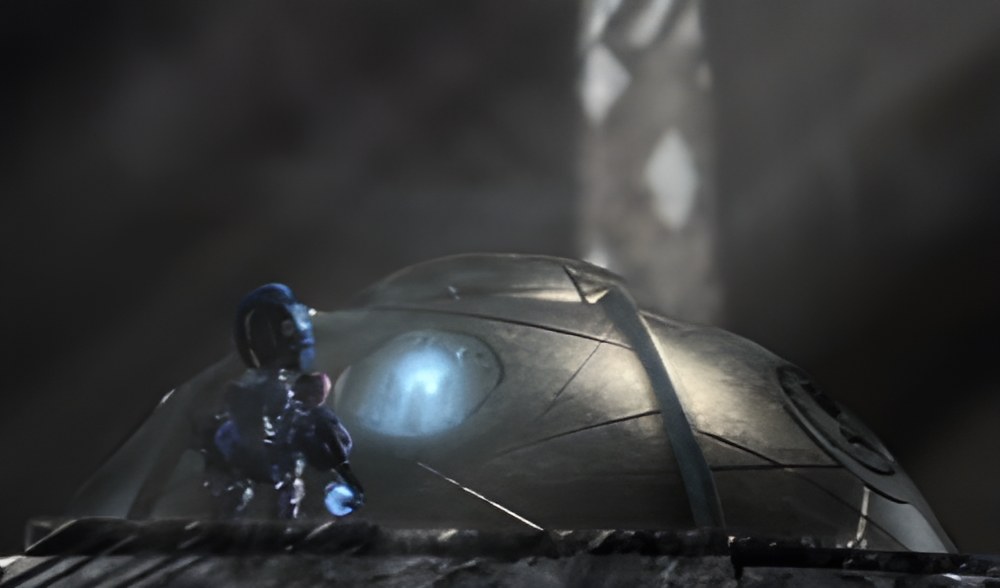
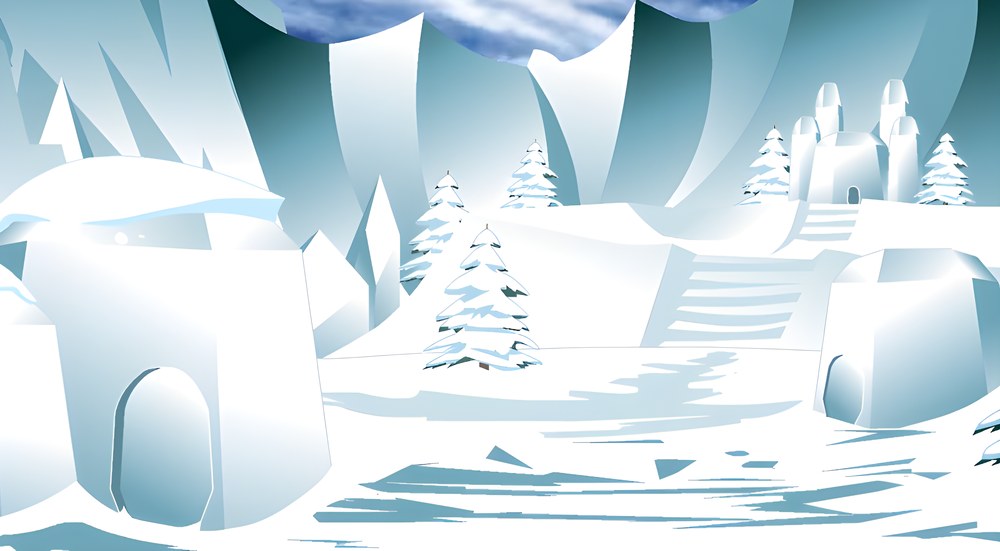
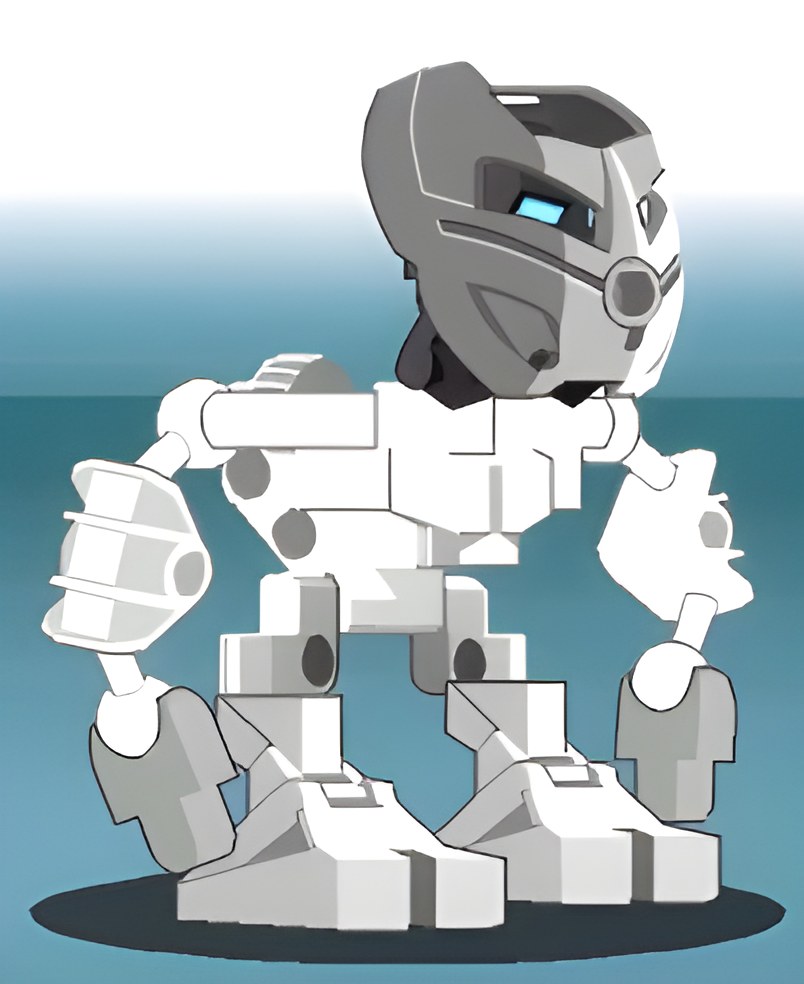
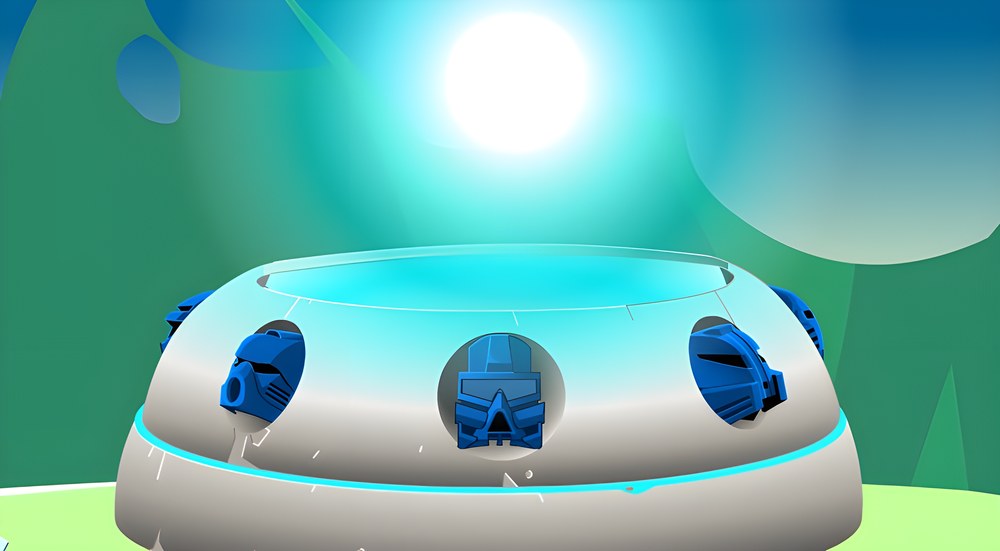
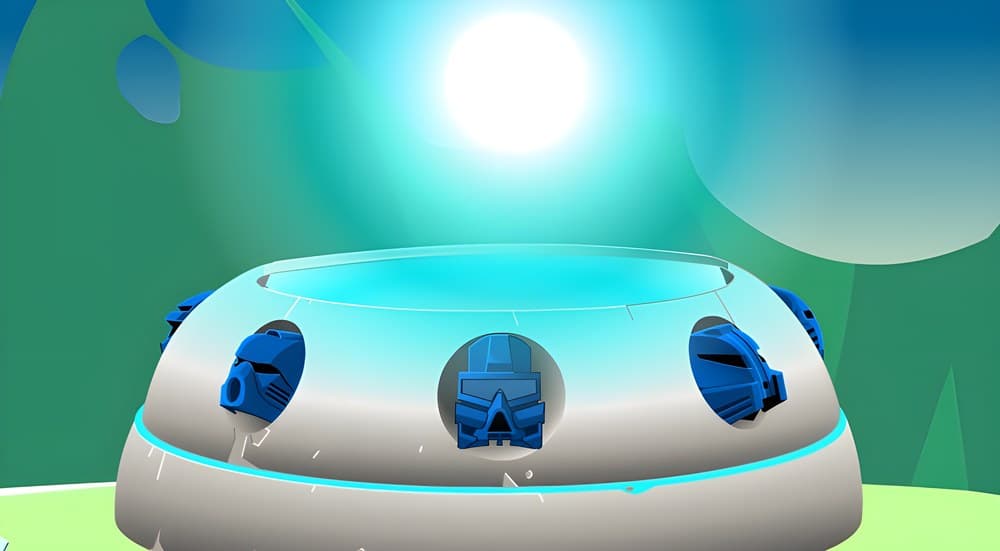
Kopaka's shrine in Ko-Koro, the ice village's repository of his Kanohi and the Nuva Symbol that anchored his connection to the element of Ice.
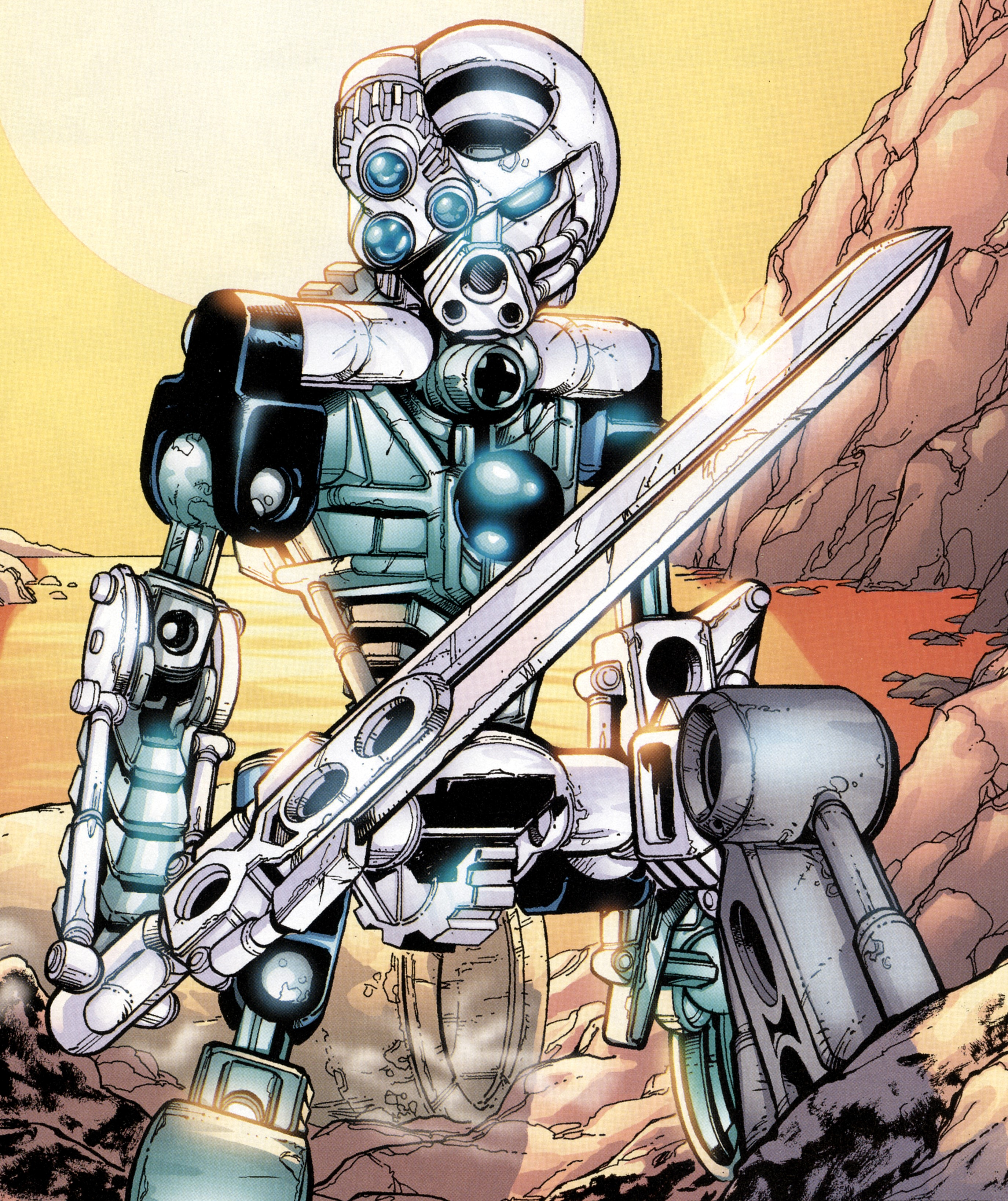
The Ko-SuvaSuvaSuva were the sacred shrines of Matoran civilisation, holding Toa Stones, Kanohi, and Nuva symbols across Mata Nui, Metru Nui, and beyond. was KopakaKopakaKopaka was the Toa Nuva of Ice, deputy commander of the Toa Mata, and one of the six warriors crafted on Artakha to defend the Matoran Universe.'s SuvaSuvaSuva were the sacred shrines of Matoran civilisation, holding Toa Stones, Kanohi, and Nuva symbols across Mata Nui, Metru Nui, and beyond. in Ko-KoroKo-KoroKo-Koro is a location in Ko-Wahi, home to the Ko-Matoran and associated with both Nuju and Kopaka. Its exact size is unknown., the ice-village shrine that held his KanohiKanohi Faxon, the Mask of KindredThe Kanohi Faxon, or Mask of Kindred, allowed its wearer to mimic the powers of Rahi within the surrounding environment. Worn most prominently by Toa Mahri Hahli and by the Toa of Air Lesovikk during his time in the Pit. and, after the Toa NuvaToa NuvaThe form the Toa Mata took after stepping into the Energized Protodermis beneath the Bahrag, with new masks, new tools, and the elemental scale to fight Karda Nui. transformation, his Nuva SymbolNuva SymbolThe six carved emblems in which the Toa Nuva stored their elemental power after sealing the Bahrag, and which the Bohrok-Kal stole one by one.. It was one of the six village SuvaSuvaSuva were the sacred shrines of Matoran civilisation, holding Toa Stones, Kanohi, and Nuva symbols across Mata Nui, Metru Nui, and beyond. on Mata NuiMata Nui (Location)An island created by accident on the Great Spirit's face, home to the Matoran for a thousand years., one for each member of the Toa MataWho are the Toa Mata?Six warriors built to order by Artakha, stored in canisters, dropped into the ocean. This is the origin story of Bionicle's heroes and why their first week of work was entirely amnesiac., and it served the same general functions as its sister shrines in Ga-KoroGa-SuvaGali's shrine in Ga-Koro, the floating village's repository of her Kanohi and the Nuva Symbol whose light broke the Pahrak siege., Po-KoroPo-SuvaPohatu's shrine in Po-Koro, repository of his collected Kanohi and the Nuva Symbol the Bohrok-Kal stole from it., and the other villages: a repository for the masks the ToaWho are the Toa Mata?Six warriors built to order by Artakha, stored in canisters, dropped into the ocean. This is the origin story of Bionicle's heroes and why their first week of work was entirely amnesiac. it served had recovered, a psychic anchor that allowed him to draw on his element from anywhere on the island, and after the Toa NuvaToa NuvaThe form the Toa Mata took after stepping into the Energized Protodermis beneath the Bahrag, with new masks, new tools, and the elemental scale to fight Karda Nui. transformation the housing for his Nuva SymbolNuva SymbolThe six carved emblems in which the Toa Nuva stored their elemental power after sealing the Bahrag, and which the Bohrok-Kal stole one by one..
Role and design#
The Ko-SuvaSuvaSuva were the sacred shrines of Matoran civilisation, holding Toa Stones, Kanohi, and Nuva symbols across Mata Nui, Metru Nui, and beyond. was one of the six village SuvaSuvaSuva were the sacred shrines of Matoran civilisation, holding Toa Stones, Kanohi, and Nuva symbols across Mata Nui, Metru Nui, and beyond. of Mata NuiMata Nui (Location)An island created by accident on the Great Spirit's face, home to the Matoran for a thousand years., one for each member of the Toa MataWho are the Toa Mata?Six warriors built to order by Artakha, stored in canisters, dropped into the ocean. This is the origin story of Bionicle's heroes and why their first week of work was entirely amnesiac.. Each SuvaSuvaSuva were the sacred shrines of Matoran civilisation, holding Toa Stones, Kanohi, and Nuva symbols across Mata Nui, Metru Nui, and beyond. on the island served as both KanohiKanohi Faxon, the Mask of KindredThe Kanohi Faxon, or Mask of Kindred, allowed its wearer to mimic the powers of Rahi within the surrounding environment. Worn most prominently by Toa Mahri Hahli and by the Toa of Air Lesovikk during his time in the Pit. repository and psychic anchor. Through the SuvaSuvaSuva were the sacred shrines of Matoran civilisation, holding Toa Stones, Kanohi, and Nuva symbols across Mata Nui, Metru Nui, and beyond., the ToaWho are the Toa Mata?Six warriors built to order by Artakha, stored in canisters, dropped into the ocean. This is the origin story of Bionicle's heroes and why their first week of work was entirely amnesiac. it served could mentally retrieve any of the KanohiKanohi Faxon, the Mask of KindredThe Kanohi Faxon, or Mask of Kindred, allowed its wearer to mimic the powers of Rahi within the surrounding environment. Worn most prominently by Toa Mahri Hahli and by the Toa of Air Lesovikk during his time in the Pit. stored there from anywhere on the island, and could maintain a stabilised connection to the element the SuvaSuvaSuva were the sacred shrines of Matoran civilisation, holding Toa Stones, Kanohi, and Nuva symbols across Mata Nui, Metru Nui, and beyond. was tied to.
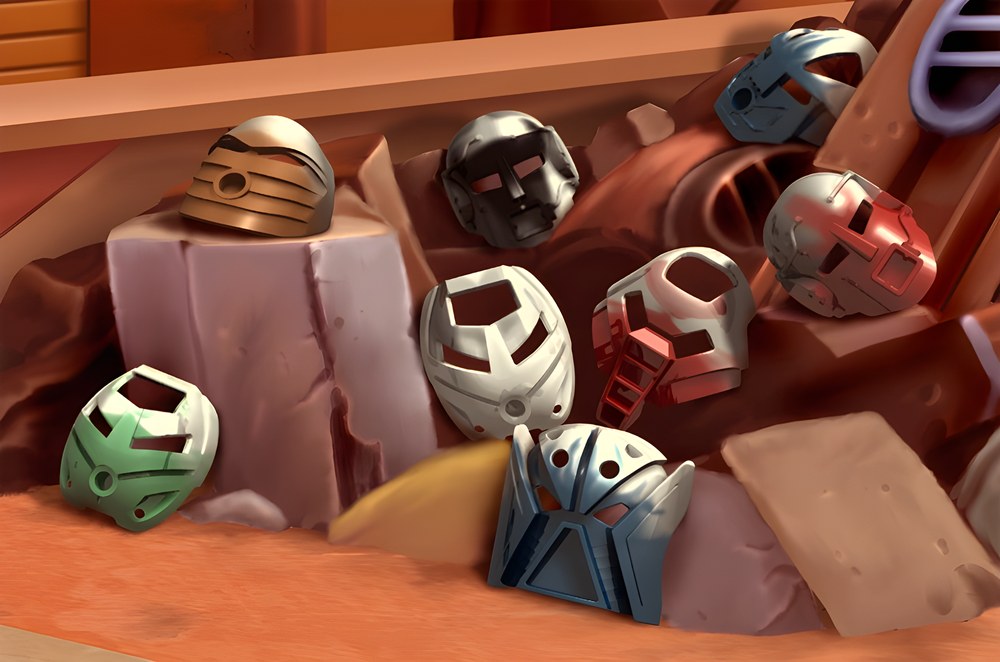
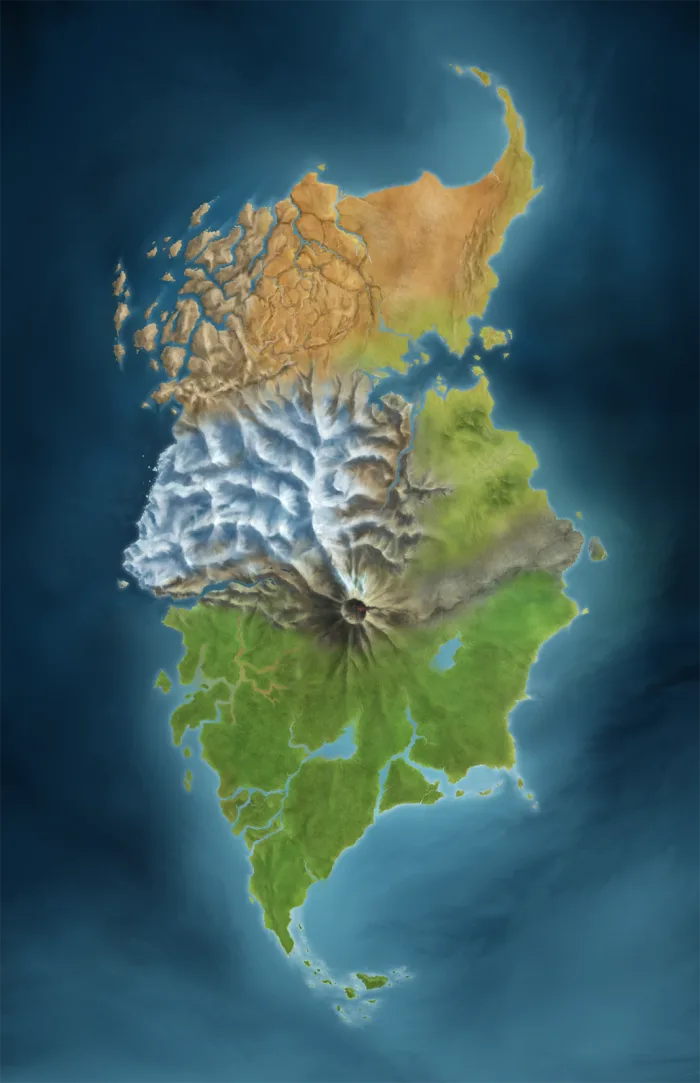
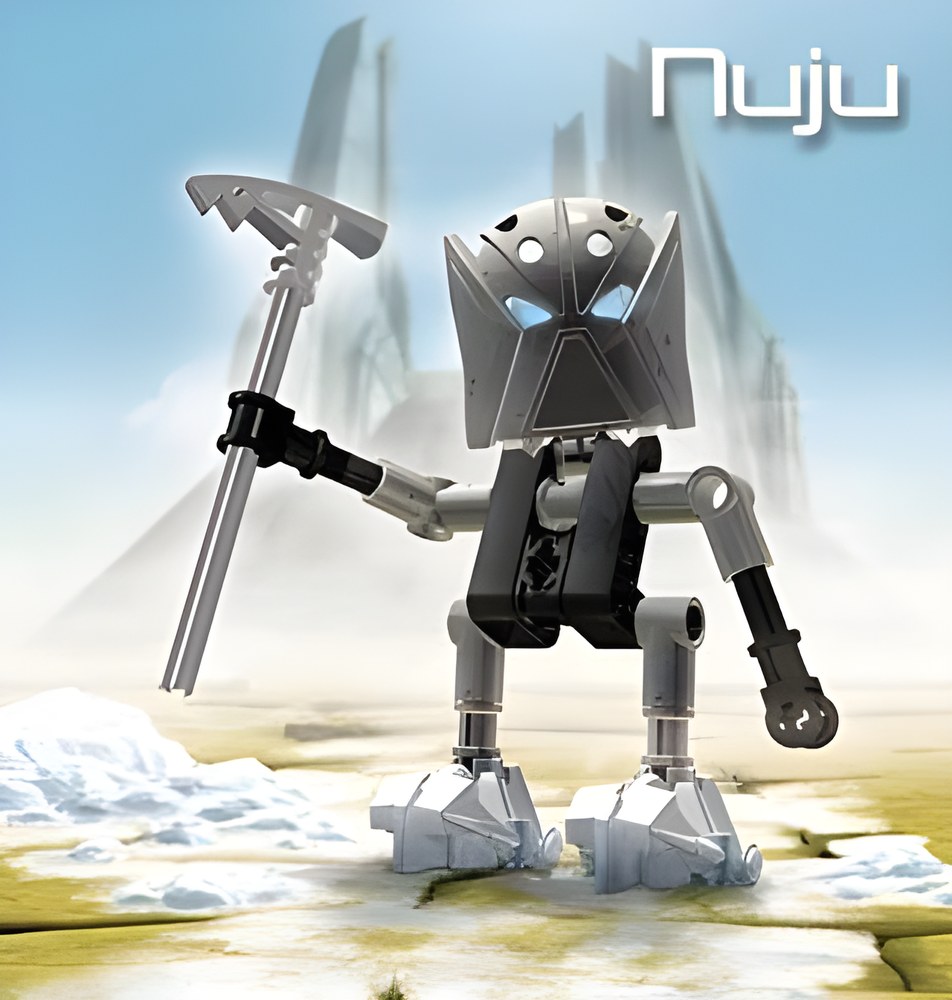
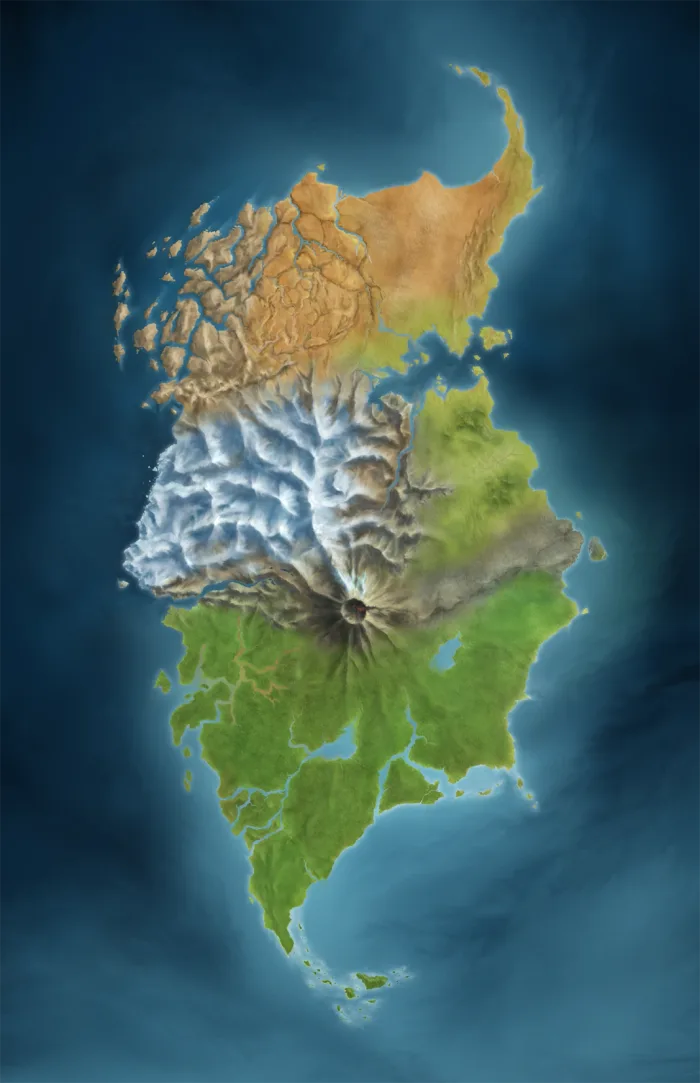
In the Ko-SuvaSuvaSuva were the sacred shrines of Matoran civilisation, holding Toa Stones, Kanohi, and Nuva symbols across Mata Nui, Metru Nui, and beyond.'s case the housed masks were KopakaKopakaKopaka was the Toa Nuva of Ice, deputy commander of the Toa Mata, and one of the six warriors crafted on Artakha to defend the Matoran Universe.'s. They were the KanohiKanohi Faxon, the Mask of KindredThe Kanohi Faxon, or Mask of Kindred, allowed its wearer to mimic the powers of Rahi within the surrounding environment. Worn most prominently by Toa Mahri Hahli and by the Toa of Air Lesovikk during his time in the Pit. he had recovered during the original mask hunt across Ko-WahiKo-WahiKo-Wahi is a region situated directly above Ko-Metru, inhabited by Matoran, Turaga, Toa, and Rahi. It was formerly under the control of Teridax. and the regions adjoining it. After the Toa NuvaToa NuvaThe form the Toa Mata took after stepping into the Energized Protodermis beneath the Bahrag, with new masks, new tools, and the elemental scale to fight Karda Nui. transformation the SuvaSuvaSuva were the sacred shrines of Matoran civilisation, holding Toa Stones, Kanohi, and Nuva symbols across Mata Nui, Metru Nui, and beyond. also held his Kanohi NuvaKanohi NuvaThe most powerful Masks of Power ever created, granting each Toa Nuva fundamentally enhanced abilities., the upgraded masks that took the place of the original KanohiKanohi Faxon, the Mask of KindredThe Kanohi Faxon, or Mask of Kindred, allowed its wearer to mimic the powers of Rahi within the surrounding environment. Worn most prominently by Toa Mahri Hahli and by the Toa of Air Lesovikk during his time in the Pit., and his Nuva SymbolNuva SymbolThe six carved emblems in which the Toa Nuva stored their elemental power after sealing the Bahrag, and which the Bohrok-Kal stole one by one.. The shrine stood within Ko-KoroKo-KoroKo-Koro is a location in Ko-Wahi, home to the Ko-Matoran and associated with both Nuju and Kopaka. Its exact size is unknown. itself, the village built into the high snow-and-ice country of Ko-WahiKo-WahiKo-Wahi is a region situated directly above Ko-Metru, inhabited by Matoran, Turaga, Toa, and Rahi. It was formerly under the control of Teridax. at the north of the island, where Turaga NujuNujuNuju served as a Ko-Metru seer, Toa Metru of Ice, and Turaga of Ko-Koro who spoke only in bird calls translated by Matoro. led the Ko-MatoranKo-Koro GuardThe defensive force of Ko-Koro on Mata Nui, also known as the Sanctum Guard, drawn from Ko-Matoran trained for vigilance in the icy peaks. population that included MatoroMatoroA quiet Ko-Matoran translator who became a Toa Inika and then a Toa Mahri, Matoro gave his life with the Mask of Life to restore Mata Nui. and KopekeKopekeKopeke was a Ko-Matoran ice carver of Ko-Koro who served in the Chronicler's Company at Kini-Nui and was later elected the third Chronicler of the Matoran Universe..
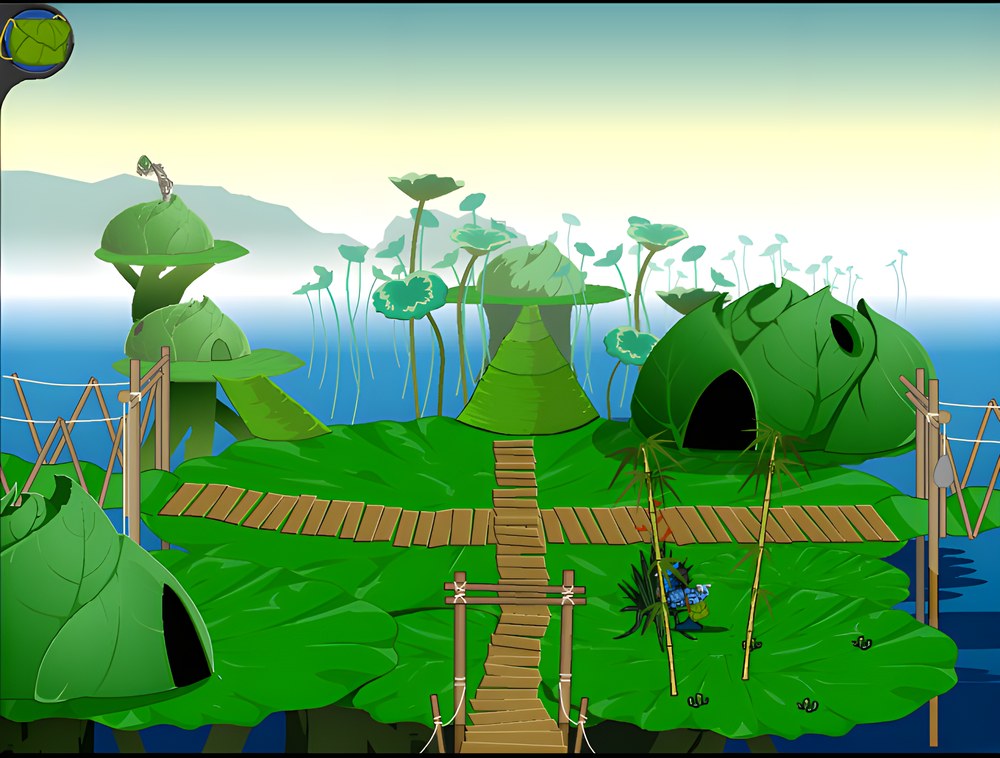
The arrangement made the Ko-SuvaSuvaSuva were the sacred shrines of Matoran civilisation, holding Toa Stones, Kanohi, and Nuva symbols across Mata Nui, Metru Nui, and beyond. accessible to the Ko-MatoranKo-Koro GuardThe defensive force of Ko-Koro on Mata Nui, also known as the Sanctum Guard, drawn from Ko-Matoran trained for vigilance in the icy peaks. population in the same way that the Po-SuvaPo-SuvaPohatu's shrine in Po-Koro, repository of his collected Kanohi and the Nuva Symbol the Bohrok-Kal stole from it. was open to the Po-MatoranPo-MatoranThe Stone-element Matoran of Po-Metru and Po-Koro, carvers and quarry workers, the most athletic of the Matoran types and the population behind the Kohlii and Akilini circuits. inside their stone enclave, and the Ga-SuvaGa-SuvaGali's shrine in Ga-Koro, the floating village's repository of her Kanohi and the Nuva Symbol whose light broke the Pahrak siege. sat among the lily-pads of Ga-KoroGa-SuvaGali's shrine in Ga-Koro, the floating village's repository of her Kanohi and the Nuva Symbol whose light broke the Pahrak siege.: a public ceremonial fixture of the village rather than a hidden chamber. The cumulative store of KanohiKanohi Faxon, the Mask of KindredThe Kanohi Faxon, or Mask of Kindred, allowed its wearer to mimic the powers of Rahi within the surrounding environment. Worn most prominently by Toa Mahri Hahli and by the Toa of Air Lesovikk during his time in the Pit. inside it gave a visible measure of KopakaKopakaKopaka was the Toa Nuva of Ice, deputy commander of the Toa Mata, and one of the six warriors crafted on Artakha to defend the Matoran Universe.'s progress in the mask hunt as it advanced, just as the parallel collections did in the other villages.
The Nuva Symbol and the elemental link#
The Ko-SuvaSuvaSuva were the sacred shrines of Matoran civilisation, holding Toa Stones, Kanohi, and Nuva symbols across Mata Nui, Metru Nui, and beyond. acquired its Nuva SymbolNuva SymbolThe six carved emblems in which the Toa Nuva stored their elemental power after sealing the Bahrag, and which the Bohrok-Kal stole one by one. at the moment of KopakaKopakaKopaka was the Toa Nuva of Ice, deputy commander of the Toa Mata, and one of the six warriors crafted on Artakha to defend the Matoran Universe.'s transformation into a Toa NuvaToa NuvaThe form the Toa Mata took after stepping into the Energized Protodermis beneath the Bahrag, with new masks, new tools, and the elemental scale to fight Karda Nui.. After the six Toa MataWho are the Toa Mata?Six warriors built to order by Artakha, stored in canisters, dropped into the ocean. This is the origin story of Bionicle's heroes and why their first week of work was entirely amnesiac. sealed the BahragBahragCahdok and Gahdok were the twin queens of the Bohrok, sealed in a Protodermis cage by the Toa Mata and later released to finish their cleansing of Mata Nui. in their cage of ProtodermisProtodermisThe engineered substance building the Matoran Universe, protodermis exists in countless refined states from mundane metal to diamond-hard crystal to the destruction-or-transformation force of energized form. and were themselves transformed by Energized ProtodermisEnergized ProtodermisA sentient substance that could remake or annihilate any being that touched it. One of the Matoran Universe's most lethal hazards. into the Toa NuvaToa NuvaThe form the Toa Mata took after stepping into the Energized Protodermis beneath the Bahrag, with new masks, new tools, and the elemental scale to fight Karda Nui., each new Toa NuvaToa NuvaThe form the Toa Mata took after stepping into the Energized Protodermis beneath the Bahrag, with new masks, new tools, and the elemental scale to fight Karda Nui. received a carved Nuva SymbolNuva SymbolThe six carved emblems in which the Toa Nuva stored their elemental power after sealing the Bahrag, and which the Bohrok-Kal stole one by one. tied to his or her element. KopakaKopakaKopaka was the Toa Nuva of Ice, deputy commander of the Toa Mata, and one of the six warriors crafted on Artakha to defend the Matoran Universe.'s Symbol teleported immediately to the Ko-SuvaSuvaSuva were the sacred shrines of Matoran civilisation, holding Toa Stones, Kanohi, and Nuva symbols across Mata Nui, Metru Nui, and beyond., where it joined his collected KanohiKanohi Faxon, the Mask of KindredThe Kanohi Faxon, or Mask of Kindred, allowed its wearer to mimic the powers of Rahi within the surrounding environment. Worn most prominently by Toa Mahri Hahli and by the Toa of Air Lesovikk during his time in the Pit. and Kanohi NuvaKanohi NuvaThe most powerful Masks of Power ever created, granting each Toa Nuva fundamentally enhanced abilities..
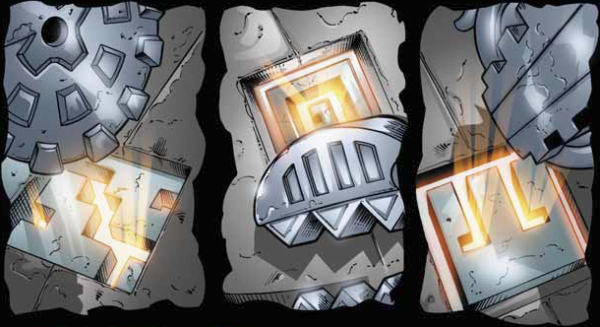
The Symbols were the outer six pieces of a seven-part device that maintained the seal on the BahragBahragCahdok and Gahdok were the twin queens of the Bohrok, sealed in a Protodermis cage by the Toa Mata and later released to finish their cleansing of Mata Nui.'s chamber. The seventh piece, the central element of the lock, lay deep underground. The arrangement carried a hidden flaw. Removing a Nuva SymbolNuva SymbolThe six carved emblems in which the Toa Nuva stored their elemental power after sealing the Bahrag, and which the Bohrok-Kal stole one by one. from its SuvaSuvaSuva were the sacred shrines of Matoran civilisation, holding Toa Stones, Kanohi, and Nuva symbols across Mata Nui, Metru Nui, and beyond. cut the linked Toa NuvaToa NuvaThe form the Toa Mata took after stepping into the Energized Protodermis beneath the Bahrag, with new masks, new tools, and the elemental scale to fight Karda Nui.'s connection to her or his element entirely. The flaw became the design pretext for the Bohrok-KalBohrok-Kal Kaita ZaA theoretical fusion of Tahnok-Kal, Pahrak-Kal, and Nuhvok-Kal, capable of fusion in principle but never assembled during the Bohrok-Kal campaign. campaign, in which the six elite BohrokBohrokHive-minded mechanical creatures designed to reshape worlds, the Bohrok represent a threat the Toa Mata never expected. crossed the island SuvaSuvaSuva were the sacred shrines of Matoran civilisation, holding Toa Stones, Kanohi, and Nuva symbols across Mata Nui, Metru Nui, and beyond. by SuvaSuvaSuva were the sacred shrines of Matoran civilisation, holding Toa Stones, Kanohi, and Nuva symbols across Mata Nui, Metru Nui, and beyond. to lift the Symbols and so de-power the Toa NuvaToa NuvaThe form the Toa Mata took after stepping into the Energized Protodermis beneath the Bahrag, with new masks, new tools, and the elemental scale to fight Karda Nui. on the way to a planned breach of the BahragBahragCahdok and Gahdok were the twin queens of the Bohrok, sealed in a Protodermis cage by the Toa Mata and later released to finish their cleansing of Mata Nui.'s seal.
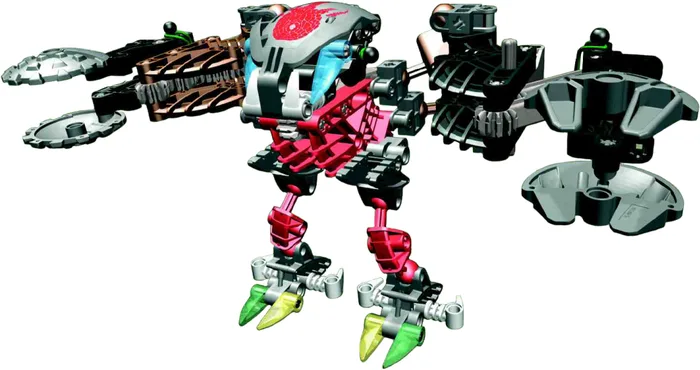
In KopakaKopakaKopaka was the Toa Nuva of Ice, deputy commander of the Toa Mata, and one of the six warriors crafted on Artakha to defend the Matoran Universe.'s case the raid on the Ko-SuvaSuvaSuva were the sacred shrines of Matoran civilisation, holding Toa Stones, Kanohi, and Nuva symbols across Mata Nui, Metru Nui, and beyond. was carried out by Kohrak-KalKohrak-KalThe Bohrok-Kal of Sonics, disintegrated by the very element it wielded., the ice-elemental member of the Bohrok-KalBohrok-Kal Kaita ZaA theoretical fusion of Tahnok-Kal, Pahrak-Kal, and Nuhvok-Kal, capable of fusion in principle but never assembled during the Bohrok-Kal campaign. squad and the counterpart to KopakaKopakaKopaka was the Toa Nuva of Ice, deputy commander of the Toa Mata, and one of the six warriors crafted on Artakha to defend the Matoran Universe.'s own element. With the Nuva SymbolNuva SymbolThe six carved emblems in which the Toa Nuva stored their elemental power after sealing the Bahrag, and which the Bohrok-Kal stole one by one. lifted from the shrine, KopakaKopakaKopaka was the Toa Nuva of Ice, deputy commander of the Toa Mata, and one of the six warriors crafted on Artakha to defend the Matoran Universe. lost the use of his ice element entirely, and remained without it until the Toa NuvaToa NuvaThe form the Toa Mata took after stepping into the Energized Protodermis beneath the Bahrag, with new masks, new tools, and the elemental scale to fight Karda Nui. reasserted mental control over the Symbols at the BahragBahragCahdok and Gahdok were the twin queens of the Bohrok, sealed in a Protodermis cage by the Toa Mata and later released to finish their cleansing of Mata Nui. chamber during the final confrontation with the Bohrok-KalBohrok-Kal Kaita ZaA theoretical fusion of Tahnok-Kal, Pahrak-Kal, and Nuhvok-Kal, capable of fusion in principle but never assembled during the Bohrok-Kal campaign.. The Symbol was then recovered, returned to the Ko-SuvaSuvaSuva were the sacred shrines of Matoran civilisation, holding Toa Stones, Kanohi, and Nuva symbols across Mata Nui, Metru Nui, and beyond., and eventually passed into the keeping of the TuragaNujuNuju served as a Ko-Metru seer, Toa Metru of Ice, and Turaga of Ko-Koro who spoke only in bird calls translated by Matoro. along with the rest of the six Symbols.
Place in the ritual life of Ko-KoroKoroThe Koros were the six elemental villages established by the Toa Metru on Mata Nui after the Great Rescue, each tied to one element and one Turaga.#
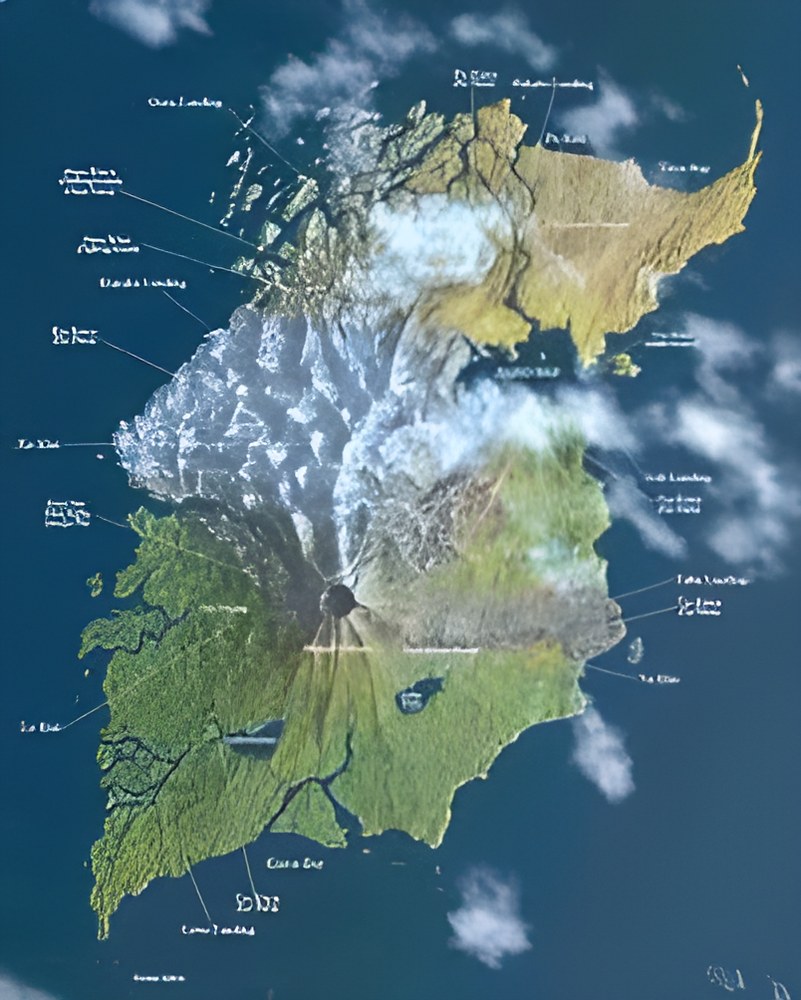
The Ko-SuvaSuvaSuva were the sacred shrines of Matoran civilisation, holding Toa Stones, Kanohi, and Nuva symbols across Mata Nui, Metru Nui, and beyond. functioned in Ko-KoroKo-KoroKo-Koro is a location in Ko-Wahi, home to the Ko-Matoran and associated with both Nuju and Kopaka. Its exact size is unknown. as the standing institutional point of contact between Toa KopakaKopakaKopaka was the Toa Nuva of Ice, deputy commander of the Toa Mata, and one of the six warriors crafted on Artakha to defend the Matoran Universe. and the Ko-MatoranKo-Koro GuardThe defensive force of Ko-Koro on Mata Nui, also known as the Sanctum Guard, drawn from Ko-Matoran trained for vigilance in the icy peaks. population in the same way that the Po-SuvaPo-SuvaPohatu's shrine in Po-Koro, repository of his collected Kanohi and the Nuva Symbol the Bohrok-Kal stole from it. did for PohatuPohatuPohatu was the Toa Mata and Toa Nuva of Stone, guardian of Po-Wahi, whose speed and steady humour anchored the team through every era of the Matoran Universe. in Po-KoroPo-KoroPo-Koro was the Po-Matoran village in Po-Wahi, led by Turaga Onewa and guarded by Toa Pohatu, reached through a single statue-lined road called the Path of Prophecies. and the Ga-SuvaGa-SuvaGali's shrine in Ga-Koro, the floating village's repository of her Kanohi and the Nuva Symbol whose light broke the Pahrak siege. did for Gali in Ga-KoroGa-SuvaGali's shrine in Ga-Koro, the floating village's repository of her Kanohi and the Nuva Symbol whose light broke the Pahrak siege.. KanohiKanohi Faxon, the Mask of KindredThe Kanohi Faxon, or Mask of Kindred, allowed its wearer to mimic the powers of Rahi within the surrounding environment. Worn most prominently by Toa Mahri Hahli and by the Toa of Air Lesovikk during his time in the Pit. deposited there were retrievable from anywhere on the island, which meant that the SuvaSuvaSuva were the sacred shrines of Matoran civilisation, holding Toa Stones, Kanohi, and Nuva symbols across Mata Nui, Metru Nui, and beyond. effectively kept KopakaKopakaKopaka was the Toa Nuva of Ice, deputy commander of the Toa Mata, and one of the six warriors crafted on Artakha to defend the Matoran Universe. present in the village in a functional sense at all times, even when he was operating elsewhere.
The shrine's character matched the culture of Ko-KoroKo-KoroKo-Koro is a location in Ko-Wahi, home to the Ko-Matoran and associated with both Nuju and Kopaka. Its exact size is unknown.. The ice village was the most reserved and contemplative of the six Mata NuiMata Nui (Location)An island created by accident on the Great Spirit's face, home to the Matoran for a thousand years. settlements, with its population given over to long observation of the stars from the high Knowledge Towers analogue on the surface and to the recording of prophecy under NujuNujuNuju served as a Ko-Metru seer, Toa Metru of Ice, and Turaga of Ko-Koro who spoke only in bird calls translated by Matoro.. The Ko-SuvaSuvaSuva were the sacred shrines of Matoran civilisation, holding Toa Stones, Kanohi, and Nuva symbols across Mata Nui, Metru Nui, and beyond., as the village's link to its ToaWho are the Toa Mata?Six warriors built to order by Artakha, stored in canisters, dropped into the ocean. This is the origin story of Bionicle's heroes and why their first week of work was entirely amnesiac., was treated with the same restraint, an institution that the Ko-MatoranKo-Koro GuardThe defensive force of Ko-Koro on Mata Nui, also known as the Sanctum Guard, drawn from Ko-Matoran trained for vigilance in the icy peaks. maintained without ceremony rather than one that drew the kind of public gathering more typical of the louder villages.
Set lineage and source record#
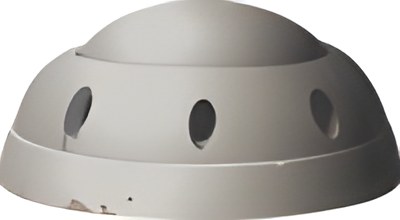
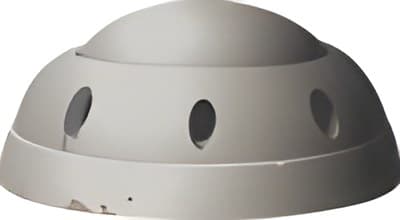
The canister lid of the original Toa KopakaKopakaKopaka was the Toa Nuva of Ice, deputy commander of the Toa Mata, and one of the six warriors crafted on Artakha to defend the Matoran Universe. set represented the Ko-SuvaSuvaSuva were the sacred shrines of Matoran civilisation, holding Toa Stones, Kanohi, and Nuva symbols across Mata Nui, Metru Nui, and beyond.. The lid carried a small head shape at its peak. That head was a piece of toy construction, intended to hold the Golden KanohiKanohi Faxon, the Mask of KindredThe Kanohi Faxon, or Mask of Kindred, allowed its wearer to mimic the powers of Rahi within the surrounding environment. Worn most prominently by Toa Mahri Hahli and by the Toa of Air Lesovikk during his time in the Pit. that the Toa MataWho are the Toa Mata?Six warriors built to order by Artakha, stored in canisters, dropped into the ocean. This is the origin story of Bionicle's heroes and why their first week of work was entirely amnesiac. sets included as a final component, and was not part of the in-universe Ko-SuvaSuvaSuva were the sacred shrines of Matoran civilisation, holding Toa Stones, Kanohi, and Nuva symbols across Mata Nui, Metru Nui, and beyond.. The shrine in the chronicled sources had no comparable feature.
Appearances of the Ko-SuvaSuvaSuva were the sacred shrines of Matoran civilisation, holding Toa Stones, Kanohi, and Nuva symbols across Mata Nui, Metru Nui, and beyond. in chronicled sources included the original Mata NuiMata Nui (Location)An island created by accident on the Great Spirit's face, home to the Matoran for a thousand years. Online Game, in which it had its first canonical appearance, Comic 9: Divided We Fall, Mata NuiMata Nui (Location)An island created by accident on the Great Spirit's face, home to the Matoran for a thousand years. Online Game II: The Final Chronicle, the BIONICLE EncyclopediaTakua's Quest for the Toa StonesAn alternate-continuity record of Takua the Chronicler crossing Mata Nui to recover the six Toa Stones before the arrival of the Toa Mata., and the BIONICLEBIONICLE: Matoran AdventuresA 2002 GBA platformer where you play as one of six Matoran fighting Bohrok across Mata Nui's islands. Encyclopedia Updated. Those sources fixed the Ko-SuvaSuvaSuva were the sacred shrines of Matoran civilisation, holding Toa Stones, Kanohi, and Nuva symbols across Mata Nui, Metru Nui, and beyond.'s location in Ko-KoroKoroThe Koros were the six elemental villages established by the Toa Metru on Mata Nui after the Great Rescue, each tied to one element and one Turaga., its function as KopakaKopakaKopaka was the Toa Nuva of Ice, deputy commander of the Toa Mata, and one of the six warriors crafted on Artakha to defend the Matoran Universe.'s shrine, and its role through the Bohrok-KalBohrok-Kal Kaita ZaA theoretical fusion of Tahnok-Kal, Pahrak-Kal, and Nuhvok-Kal, capable of fusion in principle but never assembled during the Bohrok-Kal campaign. crisis.
End of the Ko-SuvaSuvaSuva were the sacred shrines of Matoran civilisation, holding Toa Stones, Kanohi, and Nuva symbols across Mata Nui, Metru Nui, and beyond.#
After the MatoranThe Matoran CouncilThe governing body of the sunken city of Mahri Nui, a rotating council of Matoran leaders who met monthly in the Council Chamber of the Mahri Nui Fortress to plan the city's future, distribute the gifts from above, and decide the response to the Barraki incursion. returned to Metru NuiMetru NuiThe city beneath Mata Nui functions as the Great Spirit's brain, housing the Matoran whose labor keeps the god alive., Ko-KoroKo-KoroKo-Koro is a location in Ko-Wahi, home to the Ko-Matoran and associated with both Nuju and Kopaka. Its exact size is unknown. was abandoned along with the rest of the surface villages. The Ko-SuvaSuvaSuva were the sacred shrines of Matoran civilisation, holding Toa Stones, Kanohi, and Nuva symbols across Mata Nui, Metru Nui, and beyond. remained where it had always stood within the ice village. The dedicated Ko-SuvaSuvaSuva were the sacred shrines of Matoran civilisation, holding Toa Stones, Kanohi, and Nuva symbols across Mata Nui, Metru Nui, and beyond. entry records its destruction by the BohrokThe Bohrok SwarmsThe six-tribe Matoran Universe cleanup force awakened to strip the island of Mata Nui back to bare rock for the Great Spirit's reawakening. swarms after the Toa NuvaToa NuvaThe form the Toa Mata took after stepping into the Energized Protodermis beneath the Bahrag, with new masks, new tools, and the elemental scale to fight Karda Nui. deliberately reawakened them to clear the surface of Mata NuiMata Nui (Location)An island created by accident on the Great Spirit's face, home to the Matoran for a thousand years. in preparation for the awakening of the Great SpiritMata NuiBuilt by the Great Beings to restore Spherus Magna, Mata Nui sustained an entire civilisation inside his body, was deposed by Teridax, and reclaimed his purpose as a mortal on Bara Magna.. The swarms swept through the abandoned Ko-KoroKo-KoroKo-Koro is a location in Ko-Wahi, home to the Ko-Matoran and associated with both Nuju and Kopaka. Its exact size is unknown. along with every other settlement on the island, and the Ko-SuvaSuvaSuva were the sacred shrines of Matoran civilisation, holding Toa Stones, Kanohi, and Nuva symbols across Mata Nui, Metru Nui, and beyond. was destroyed in that second sweep alongside the rest of the village's ice architecture.
The consolidated SuvaSuvaSuva were the sacred shrines of Matoran civilisation, holding Toa Stones, Kanohi, and Nuva symbols across Mata Nui, Metru Nui, and beyond. entry records a different fate, listing the Ko-SuvaSuvaSuva were the sacred shrines of Matoran civilisation, holding Toa Stones, Kanohi, and Nuva symbols across Mata Nui, Metru Nui, and beyond. as having been moved to Metru NuiMetru NuiThe city beneath Mata Nui functions as the Great Spirit's brain, housing the Matoran whose labor keeps the god alive. together with the Ga-SuvaGa-SuvaGali's shrine in Ga-Koro, the floating village's repository of her Kanohi and the Nuva Symbol whose light broke the Pahrak siege., Po-SuvaPo-SuvaPohatu's shrine in Po-Koro, repository of his collected Kanohi and the Nuva Symbol the Bohrok-Kal stole from it., Le-SuvaSuvaSuva were the sacred shrines of Matoran civilisation, holding Toa Stones, Kanohi, and Nuva symbols across Mata Nui, Metru Nui, and beyond., and Onu-SuvaSuvaSuva were the sacred shrines of Matoran civilisation, holding Toa Stones, Kanohi, and Nuva symbols across Mata Nui, Metru Nui, and beyond.. The two readings are not reconcilable from the surviving record and represent a genuine inconsistency in the BIONICLEBIONICLE: Matoran AdventuresA 2002 GBA platformer where you play as one of six Matoran fighting Bohrok across Mata Nui's islands. source canon, paralleling the same inconsistency that affects the other five island SuvaSuvaSuva were the sacred shrines of Matoran civilisation, holding Toa Stones, Kanohi, and Nuva symbols across Mata Nui, Metru Nui, and beyond.. Both readings agree that the Nuva SymbolNuva SymbolThe six carved emblems in which the Toa Nuva stored their elemental power after sealing the Bahrag, and which the Bohrok-Kal stole one by one. itself was preserved with the rest of the Symbols by the TuragaNujuNuju served as a Ko-Metru seer, Toa Metru of Ice, and Turaga of Ko-Koro who spoke only in bird calls translated by Matoro. and travelled with the MatoranThe Matoran CouncilThe governing body of the sunken city of Mahri Nui, a rotating council of Matoran leaders who met monthly in the Council Chamber of the Mahri Nui Fortress to plan the city's future, distribute the gifts from above, and decide the response to the Barraki incursion. through Metru NuiMetru NuiThe city beneath Mata Nui functions as the Great Spirit's brain, housing the Matoran whose labor keeps the god alive. and on to Spherus MagnaThe Great CataclysmThe day Makuta Teridax put the Great Spirit to sleep, the Great Spirit Robot fell from the sky, Metru Nui flooded, and Voya Nui tore loose from the Southern Continent.. The physical Ko-SuvaSuvaSuva were the sacred shrines of Matoran civilisation, holding Toa Stones, Kanohi, and Nuva symbols across Mata Nui, Metru Nui, and beyond., in either reading, did not outlast the surface of Mata NuiMata Nui (Location)An island created by accident on the Great Spirit's face, home to the Matoran for a thousand years..
Frequently asked questions
- What was the Ko-Suva in BIONICLE?
- The Ko-Suva was Kopaka's Suva in Ko-Koro, the ice-village shrine that held his Kanohi and, after the Toa Nuva transformation, his Nuva Symbol. It was one of the six village Suva on Mata Nui, one for each member of the Toa Mata.
- What did the Ko-Suva do for Kopaka?
- The Ko-Suva served as both a Kanohi repository and a psychic anchor, so that Kopaka could mentally retrieve any of the masks stored there from anywhere on the island and maintain a stabilized connection to his element. It held the Kanohi he recovered during the mask hunt and, after his transformation, his Kanohi Nuva and Nuva Symbol.
- How did the Bohrok-Kal attack the Ko-Suva?
- Removing a Nuva Symbol from its Suva cut the linked Toa Nuva's connection to their element entirely, which became the pretext for the Bohrok-Kal campaign. The raid on the Ko-Suva was carried out by Kohrak-Kal, and with the Nuva Symbol lifted Kopaka lost the use of his ice element until the Toa Nuva reasserted mental control over the Symbols at the Bahrag chamber.
- What happened to the Ko-Suva?
- The dedicated Ko-Suva entry records its destruction by the Bohrok swarms after the Toa Nuva deliberately reawakened them to clear the surface of Mata Nui. The consolidated Suva entry records a different fate, listing the Ko-Suva as having been moved to Metru Nui, and the two readings are not reconcilable from the surviving record.
- Where did the Ko-Suva first appear in BIONICLE media?
- The Ko-Suva had its first canonical appearance in the original Mata Nui Online Game. It also appeared in Comic 9: Divided We Fall, Mata Nui Online Game II: The Final Chronicle, the BIONICLE Encyclopedia, and the BIONICLE Encyclopedia Updated.
Sources
- WikiKo-Suva โ BS01 character/subject entry
- WikiSuva โ Consolidated BS01 entry on the six Toa Mata Suva
- BookBIONICLE: Encyclopedia โ Primary source via BS01 wiki entry
- BookBIONICLE: Encyclopedia Updated โ Primary source via BS01 wiki entry
- GameMata Nui Online Game โ Primary source via BS01 wiki entry (first appearance)
- GameMata Nui Online Game II: The Final Chronicle โ Primary source via BS01 wiki entry
Spotted a factual error or a primary source we missed? Email a correction. Every flagged claim gets reviewed.
Related entries
Ga-Suva
Gali's shrine in Ga-Koro, the floating village's repository of her Kanohi and the Nuva Symbol whose light broke the Pahrak siege.
Po-Suva
Pohatu's shrine in Po-Koro, repository of his collected Kanohi and the Nuva Symbol the Bohrok-Kal stole from it.
Po-Koro
Po-Koro was the Po-Matoran village in Po-Wahi, led by Turaga Onewa and guarded by Toa Pohatu, reached through a single statue-lined road called the Path of Prophecies.
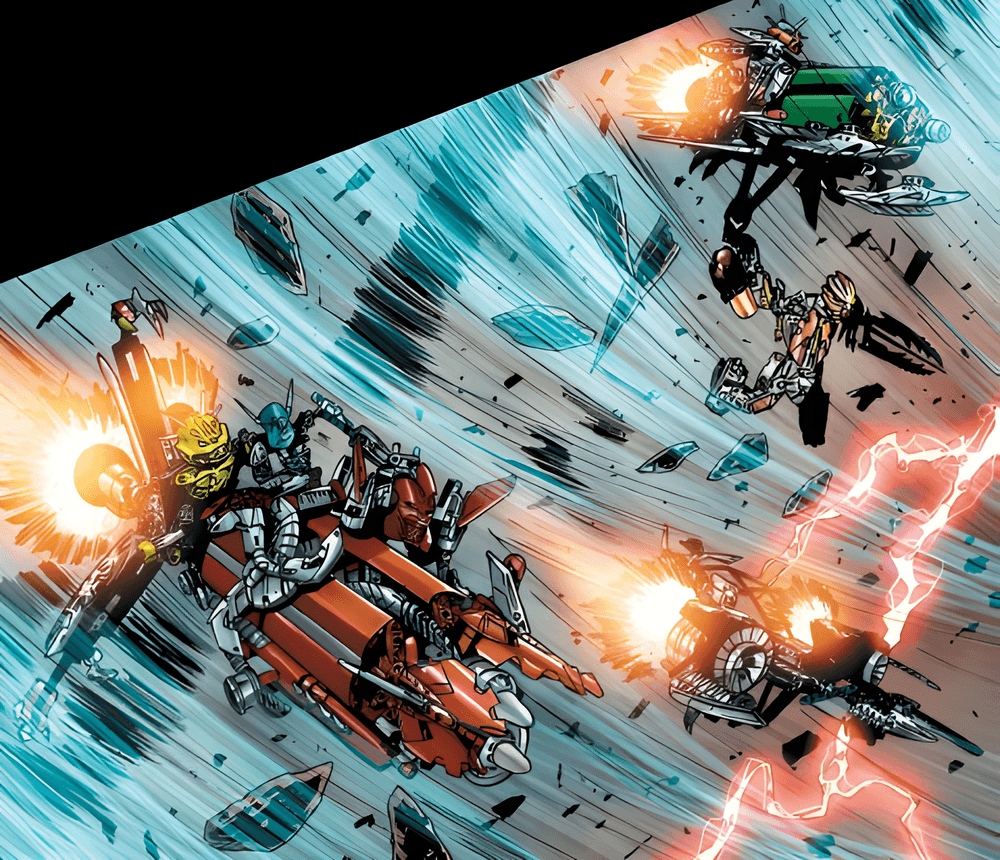
The Bohrok Swarms
The six-tribe Matoran Universe cleanup force awakened to strip the island of Mata Nui back to bare rock for the Great Spirit's reawakening.
Toa Nuva
The form the Toa Mata took after stepping into the Energized Protodermis beneath the Bahrag, with new masks, new tools, and the elemental scale to fight Karda Nui.
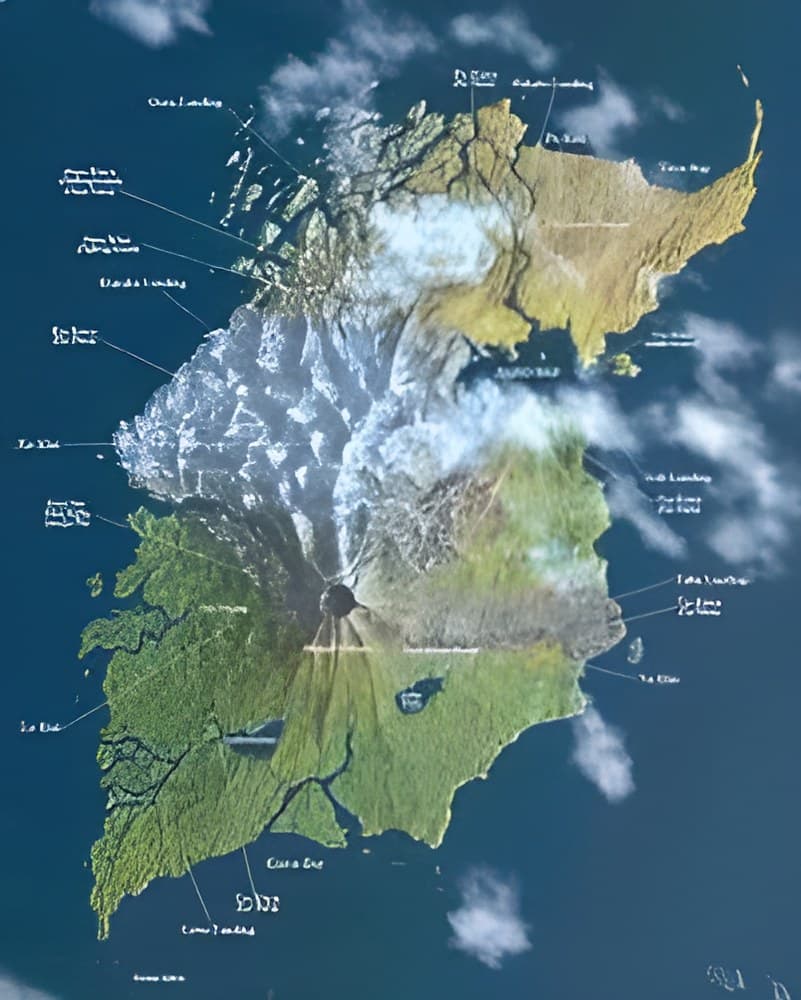
Ko-Koro Guard
The defensive force of Ko-Koro on Mata Nui, also known as the Sanctum Guard, drawn from Ko-Matoran trained for vigilance in the icy peaks.
Mentioned in1 entry
Get new articles in your inbox
No spam. New lore drops, canon conflicts, and deep dives only when theyโre worth reading.
Some links on Lore Fortress are affiliate links. If you buy through them we earn a small commission at no extra cost to you.