Shai-Hulud: what the Fremen name for the sandworm actually means
Shai-Hulud was the Fremen word for the sandworm of Arrakis, and a sacred one. Said in a certain tone, it named the earth deity of Fremen hearth superstition, and it translates as Old Man of the Desert, Old Father Eternity and Grandfather of the Desert.
Shai-Hulud was the Fremen term for the sandworm of Arrakis. Like a good deal of Fremen vocabulary it did more work than a name for an animal. The Terminology of the Imperium printed with Dune says that when the name is spoken in a certain tone, or written with capitals, it means the earth deity of Fremen hearth superstition. (Dune; Dune (appendix))
What does Shai-Hulud mean?#
The three recorded translations are Old Man of the Desert, Old Father Eternity and Grandfather of the Desert, and each of them reaches for size, age or power rather than for biology. (Dune (appendix))
Herbert never explains the name's origin, but it's usually traced to the Arabic Shayʾ-Khulud, Thing of Eternity. The Terminology of the Imperium in Dune lists the English versions without settling on one, which is the correct treatment for a word that was never meant to be pinned down. (Dune (appendix))
Is Shai-Hulud a god?#
To the Fremen, yes. The same word named the animal and, said with the right weight, the deity, and in Dune the Fremen treat the worm's coming as the will of God. (Dune; Dune (appendix))
That collapses a distinction most religions keep open. A Fremen who saw a worm crossing open sand was not being reminded of God at one remove. He was looking at it. The consequence shows up in how the word was used: never casually, always with awe, fear or respect, and always in the knowledge that the thing being named could arrive. (Dune)
The voice in the Oral History#
God Emperor of Dune quotes a line from the Fremen oral history spoken in the character of the worm itself. In it the sand blows on one side and on the other, a rich man waits over there, and the worm waits here. (God Emperor of Dune)
Read it as theology and it is patience without end. Read it as a description of the desert and it is the same thing, because the sand and the waiting are all there is on either side of the line. The Fremen did not separate the two readings, which is the point of the word. (God Emperor of Dune)
Sources
- BookDune, Frank Herbert, Chilton Books, 1965
- BookDune (appendix), Frank Herbert, 1965; the appendices and Terminology of the Imperium printed with Dune
- BookGod Emperor of Dune, Frank Herbert, G. P. Putnam's Sons, 1981
Spotted a factual error or a primary source we missed? Email a correction. Every flagged claim gets reviewed.
Followed from this entry
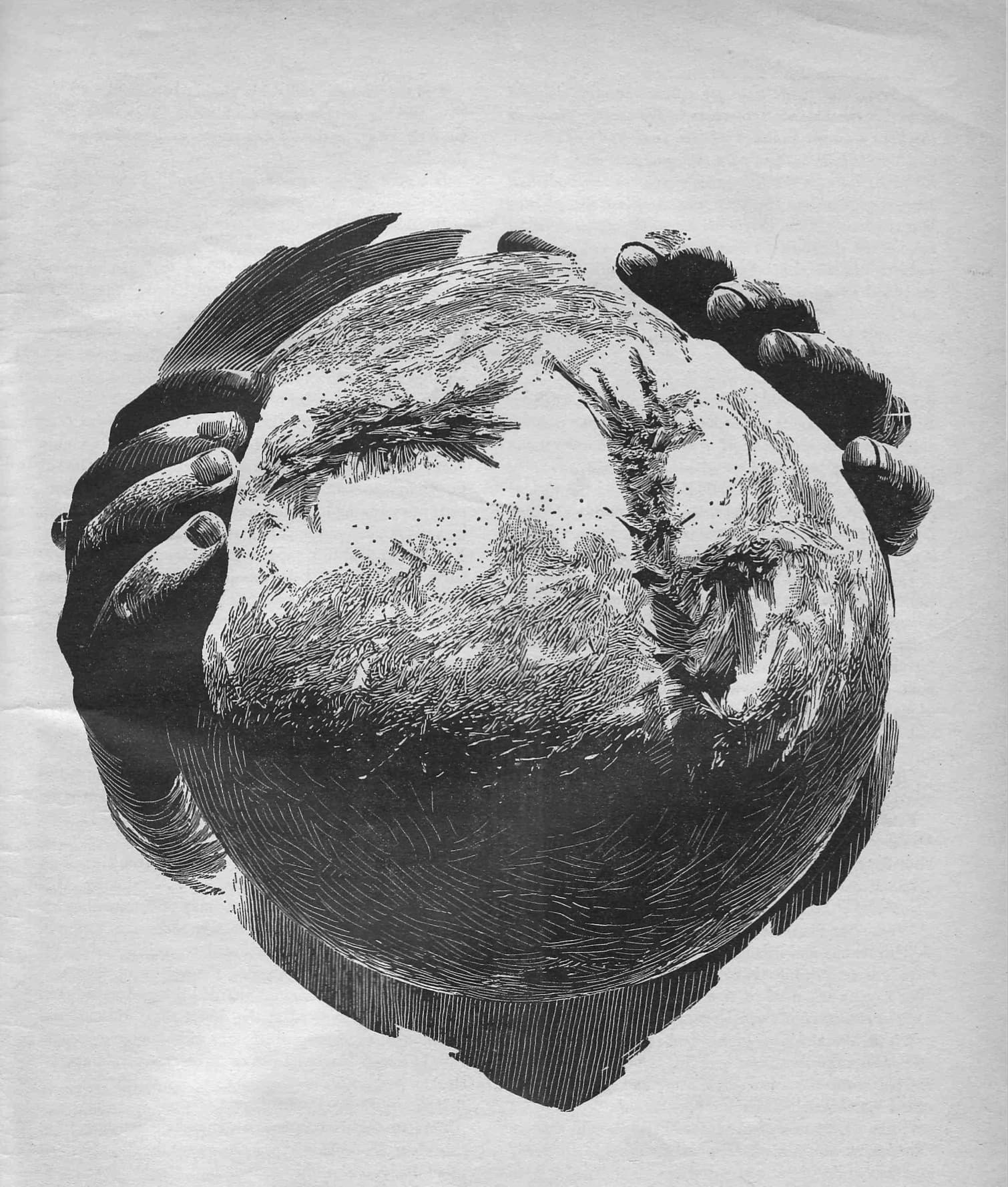
Arrakis
Arrakis, known as Dune and later as Rakis, was a harsh desert world in the Canopus system and the only natural source of the spice melange. Home to the Fremen and the sandworms, it became the seat of the Atreides empire and the center of the known universe.
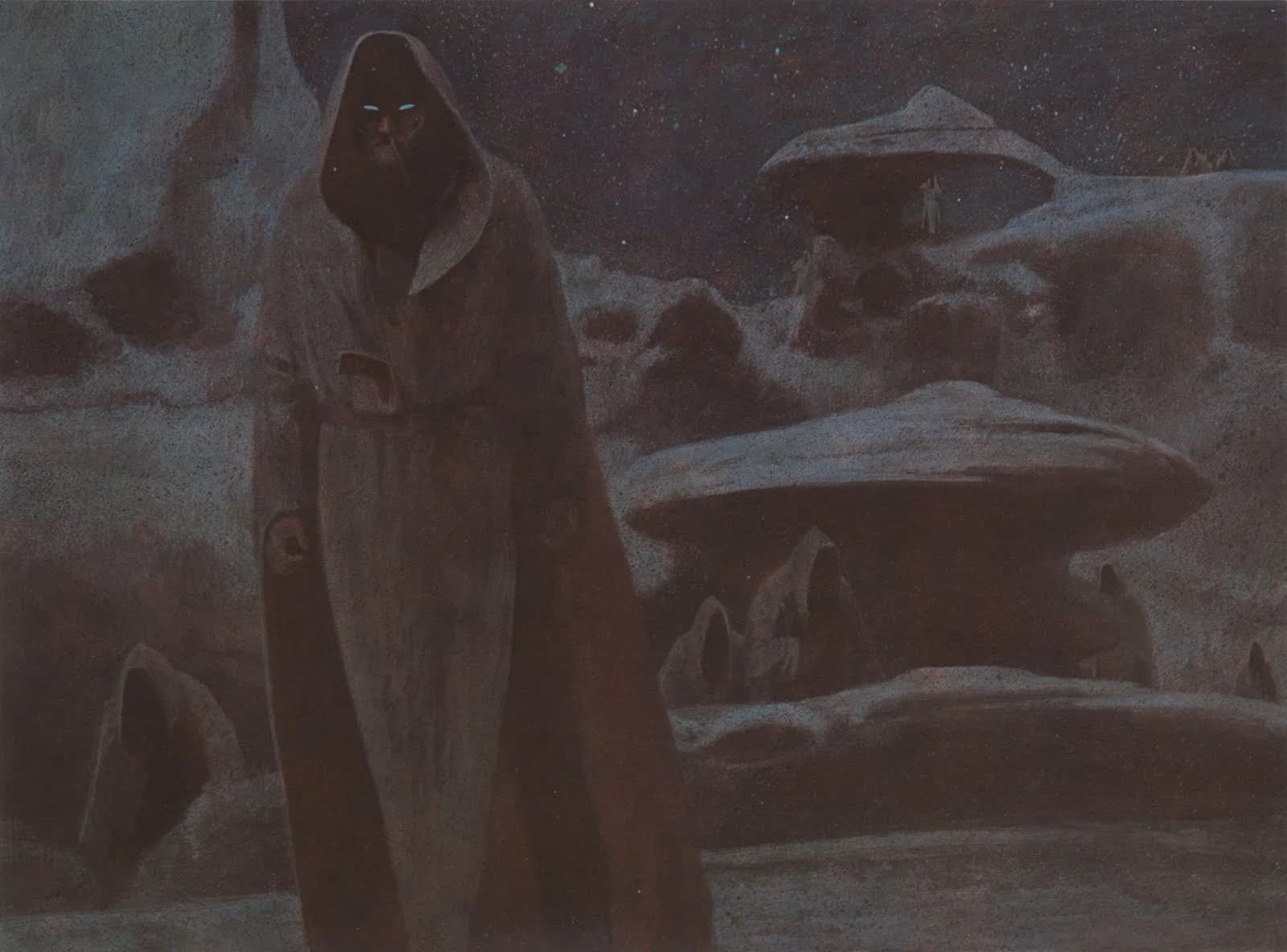
Fremen
The Fremen were a culture of humans descended from the Zensunni Wanderers who made the desert planet Arrakis their home. Hardened by water scarcity and generations of persecution, they became the finest fighters in the Known Universe and the foot soldiers of Paul Atreides and his jihad.
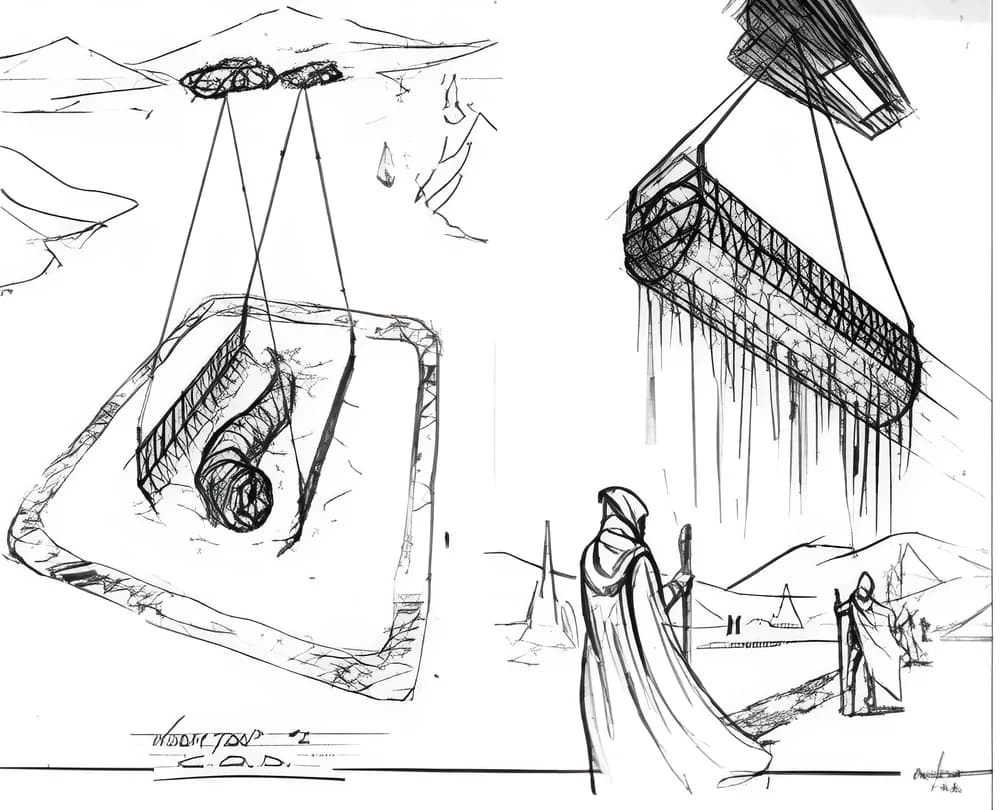
Sandworm
The sandworm was the colossal autotrophic animal of the deserts of Arrakis, honored by the Fremen as Shai-Hulud and feared across the Imperium. As the central organism in the lifecycle that produced the spice melange, it shaped the economy, religion, and history of the known universe.
Also in Fremen
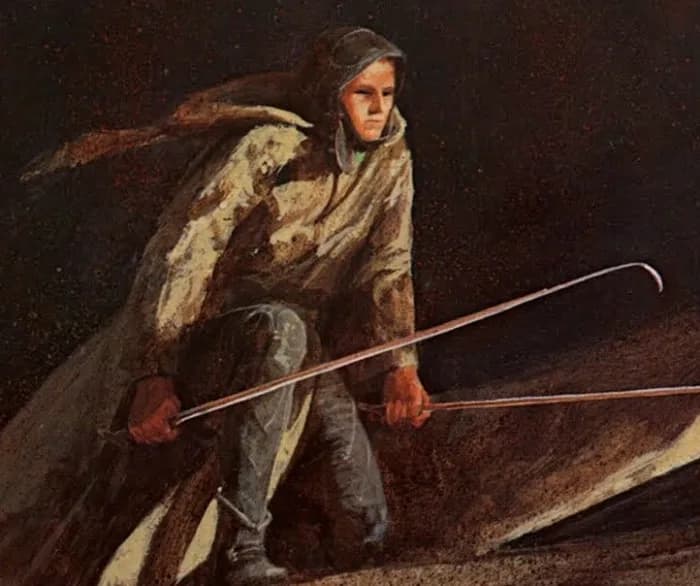
Lisan al-Gaib: Meaning of the Fremen Prophecy in Dune
Lisan al-Gaib means "the Voice from the Outer World", the off-world prophet of Fremen legend. The Bene Gesserit planted the prophecy on Arrakis centuries before Paul Atreides arrived, and Paul and Jessica used it to survive among the Fremen.

Eyes of Ibad: the blue-within-blue mark of melange addiction
The Eyes of Ibad were the blue-within-blue eyes produced by a diet high in melange, in which the whites and irises alike turned a deep blue. Universal among the Fremen of Arrakis and seen in spice addicts everywhere, the mark told any observer at a glance how deeply its bearer depended on the spice.
Worm Riding and Maker Hooks: the Fremen Art of the Sandrider
Worm riding was the Fremen art of summoning, capturing, and riding the giant sandworms of Arrakis. Practiced with thumper and maker hooks, it turned the most feared creature of the desert into transport, weapon, and sacrament, and even Paul Atreides could not be truly accepted among the Fremen until he had ridden.
Mentioned in3 entries
Dune Messiah Explained: Plot Summary and Ending
The full plot of Frank Herbert's Dune Messiah in order, from the conspirators' meeting to Paul's walk into the desert, with the ending explained: why Paul leaves, what happens to Alia and the twins, and how Children of Dune picks it up.
How Does Paul Atreides Die? Paul's Fate in Dune Messiah and Children of Dune
Paul doesn't die at the end of Dune Messiah, whatever the Fremen think. He is blinded, walks into the desert, survives, and comes back years later as the Preacher, who is killed on the temple steps in Children of Dune.
Why Did Paul Atreides Blind Himself?
Paul didn't blind himself. Conspirators blinded him with a stone burner in Dune Messiah, in a trap he saw coming and walked into anyway. What he did choose was to walk into the desert afterwards, as Fremen law asks of the blind.
Get new articles in your inbox
No spam. New lore drops, canon conflicts, and deep dives only when they’re worth reading.
Some links on Lore Fortress are affiliate links. If you buy through them we earn a small commission at no extra cost to you.