Prophecy of Loki
The Mural of Fate
The Prophecy of Loki was the giants' carved mural foretelling Atreus' role in Ragnarok and the fall of Asgard. It predicted Kratos and Atreus' travels with uncanny accuracy, including Kratos' death, a fate he ultimately averted by choosing to change.
The Prophecy of Loki was a mural carved by the Jotnar that depicted the role of Atreus, known to the giants as Loki, in Ragnarok and the destruction of Asgard. It foretold the travels of Kratos and his son with uncanny accuracy, right up to the moment of Kratos' death at the hands of Thor. That ending was the one part of the prophecy that did not come to pass, averted when Kratos changed himself during the battle for Asgard. (God of War (2018); God of War Ragnarök)
What the mural depicted#
The prophecy was set down in two sections. The first depicted Loki and his father on their quest to fulfill Faye's final wish, spreading her ashes from the highest peak in all the realms to reunite her with her kin in Jotunheim. It showed their meetings with Freya, Mimir, and Jormungandr, their fights against Baldur and Thor's sons, and Faye's dispute with the giants over a matter that remained unknown to Kratos and Loki until long after. (God of War (2018); God of War Ragnarök)
The second section depicted Loki's role in Ragnarok during Fimbulwinter: his meeting with Angrboda and the giant souls he was given, his fight with Heimdall, his father's death at the hands of Thor, and his final submission to Odin's wishes as Asgard was destroyed by Surtr. The last image showed Loki traveling on alone with three wolves at his side. (God of War Ragnarök)
Hidden from Odin#
Like many Jotnar visions, the prophecy was carved into murals, but to conceal it from Odin the giants hid it well. One mural was concealed by magic in a chamber inside Jotunheim's highest peak, and another was hidden within Ironwood, a sanctuary outsiders believed to be only a metaphorical paradise with no fixed location. (God of War (2018); God of War Ragnarök)
After Odin learned that the seeress Groa had glimpsed Asgard's destruction and his own downfall, he killed her and plundered her library, gaining a partial knowledge of Ragnarok but missing key details. Believing the giants held the rest, he tricked both them and Tyr into arranging a meeting under the pretense of peace. He managed a glimpse of the hidden mural depicting Loki and Kratos before the giants realized his deceit and banished him forever. In retaliation he ordered Thor to slaughter every giant in Midgard, sparing only those who sealed themselves in Jotunheim with Tyr's help. Out of love for her husband and son, Faye later defied her own people and destroyed the second section hidden in the mountain, hoping to free her family to forge their own path. (God of War (2018); God of War Ragnarök)
The revelation at the peak#
Upon reaching the highest peak with his father, Atreus inadvertently broke the concealment spell, revealing the hidden mural that depicted their whole trek together. They saw with shock that the giants had predicted everything, and that Faye herself had been a giant, the last one Baldur had been sent to find, never knowing she was already dead. As Atreus left the chamber, Kratos glimpsed what remained of the second image: Atreus cradling his lifeless body. (God of War (2018))
After spreading Faye's ashes, Atreus revealed that the giants had named him Loki on the mural, the name Faye had originally intended for him at birth. Kratos in turn told his son where the name Atreus came from, a Spartan warrior whose bravery and humanity were unlike any he had ever known. (God of War (2018))
Atreus and the second mural#
Throughout the years of Fimbulwinter, Kratos trained Atreus relentlessly, hoping the boy could survive on his own when the foretold day came. After an argument over Ragnarok and Loki's identity, Atreus unknowingly transported himself to Ironwood, where Angrboda showed him the surviving second section of the prophecy. Horrified to see his father's death and Odin seemingly taking him under his wing, Atreus lost control of his anger and lashed out at the mural before Angrboda calmed him. He stubbornly denied that the mural was accurate, though she insisted that accepting it would help him bear it. (God of War Ragnarök)
Determined to prevent his father's death, Atreus accepted Odin's invitation to Asgard, where Odin showed him the Rift and the Mask he believed could open it. Atreus began working to complete the Mask, believing it might let him prevent Ragnarok and so save his father. Meanwhile Kratos sought the Norns, who revealed his fate but mocked him, saying it was avoidable in principle yet certain in practice because he and his allies were too predictable to escape it. (God of War Ragnarök)
Averting fate#
The prophecy held true through every step until the battle for Asgard. Kratos killed Heimdall as foretold, Atreus completed the Mask, and Ragnarok began. But during the final battle, when Atreus witnessed defenseless Midgardian refugees caught in the crossfire and weakly echoed Kratos' own words that wars are won by those willing to sacrifice everything, Kratos was struck by horror at what he had become. He told his son never to sacrifice his compassion for the living, admitting he had been wrong to counsel him to close his heart, for Faye's true wish had been the opposite. (God of War Ragnarök)
Choosing to fight for justice rather than vengeance, Kratos refused the killing blow against Thor and survived the battle. The giants and the Norns had foreseen everything but this, a man changing his own nature. After the war Kratos found a shrine panel that showed him not dying in his son's arms but worshipped as a beloved god across the realms, with faint outlines of the old death scene still visible behind it. (God of War Ragnarök)
Frequently asked questions
- What is the Prophecy of Loki in God of War?
- The Prophecy of Loki was a mural carved by the Jotnar that depicted the role of Atreus, known to the giants as Loki, in Ragnarok and the destruction of Asgard. It foretold the travels of Kratos and his son with uncanny accuracy, right up to the moment of Kratos' death at the hands of Thor.
- What did the two sections of the mural depict?
- The first section showed Loki and his father spreading Faye's ashes from the highest peak, their meetings with Freya, Mimir, and Jormungandr, and their fights against Baldur and Thor's sons. The second showed Loki's role during Fimbulwinter, his meeting with Angrboda, his fight with Heimdall, his father's death at Thor's hands, and Asgard's destruction by Surtr.
- Why did Faye destroy part of the prophecy?
- Out of love for her husband and son, Faye defied her own people and destroyed the second section hidden in Jotunheim's highest peak. She hoped to free her family to forge their own path rather than be bound by the foretold fate.
- How did Atreus react to seeing the prophecy?
- Atreus saw the surviving second section in Ironwood, shown to him by Angrboda, and was horrified by his father's foretold death and by Odin seemingly taking him under his wing. He lashed out at the mural and stubbornly denied it was accurate, though Angrboda insisted that accepting it would help him bear it.
- How was the prophecy of Kratos' death averted?
- The prophecy held true until the battle for Asgard, when Kratos was struck by horror at what he had become and chose to fight for justice rather than vengeance. He refused the killing blow against Thor and survived, a change the giants and the Norns had never foreseen. A later shrine panel shows him instead as a beloved god, with the old death scene faintly visible behind it.
Sources
- GameGod of War (2018), Santa Monica Studio, 2018
- GameGod of War Ragnarök, Santa Monica Studio, 2022
Spotted a factual error or a primary source we missed? Email a correction. Every flagged claim gets reviewed.
Followed from this entry
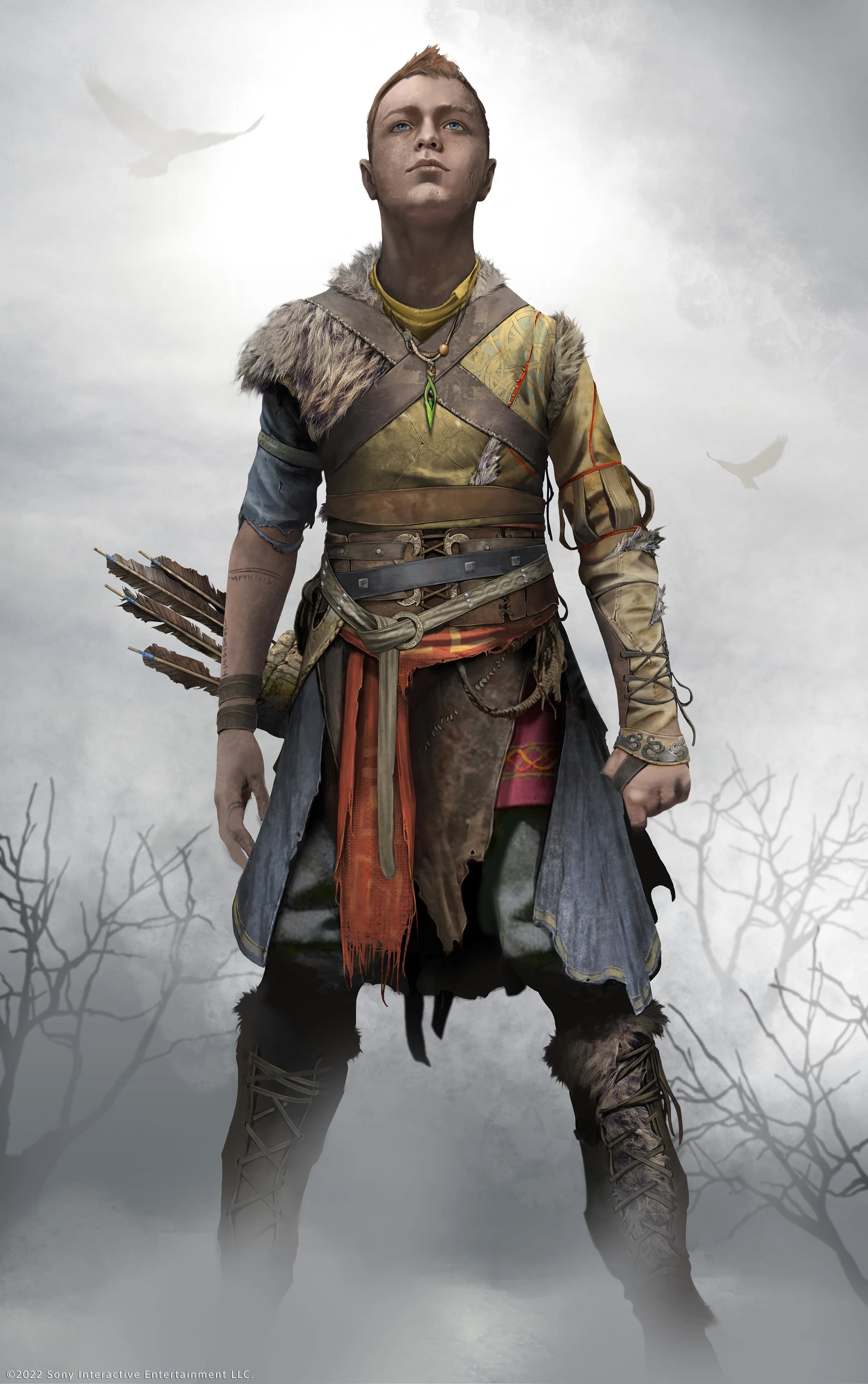
Why Is Atreus Called Loki? The Name Explained
Atreus is called Loki because that was the name his mother Faye wanted for him, and the name the giants gave him in their prophecy. Here is how God of War reveals it, why Kratos called him Atreus instead, and what the name means for Ragnarök.
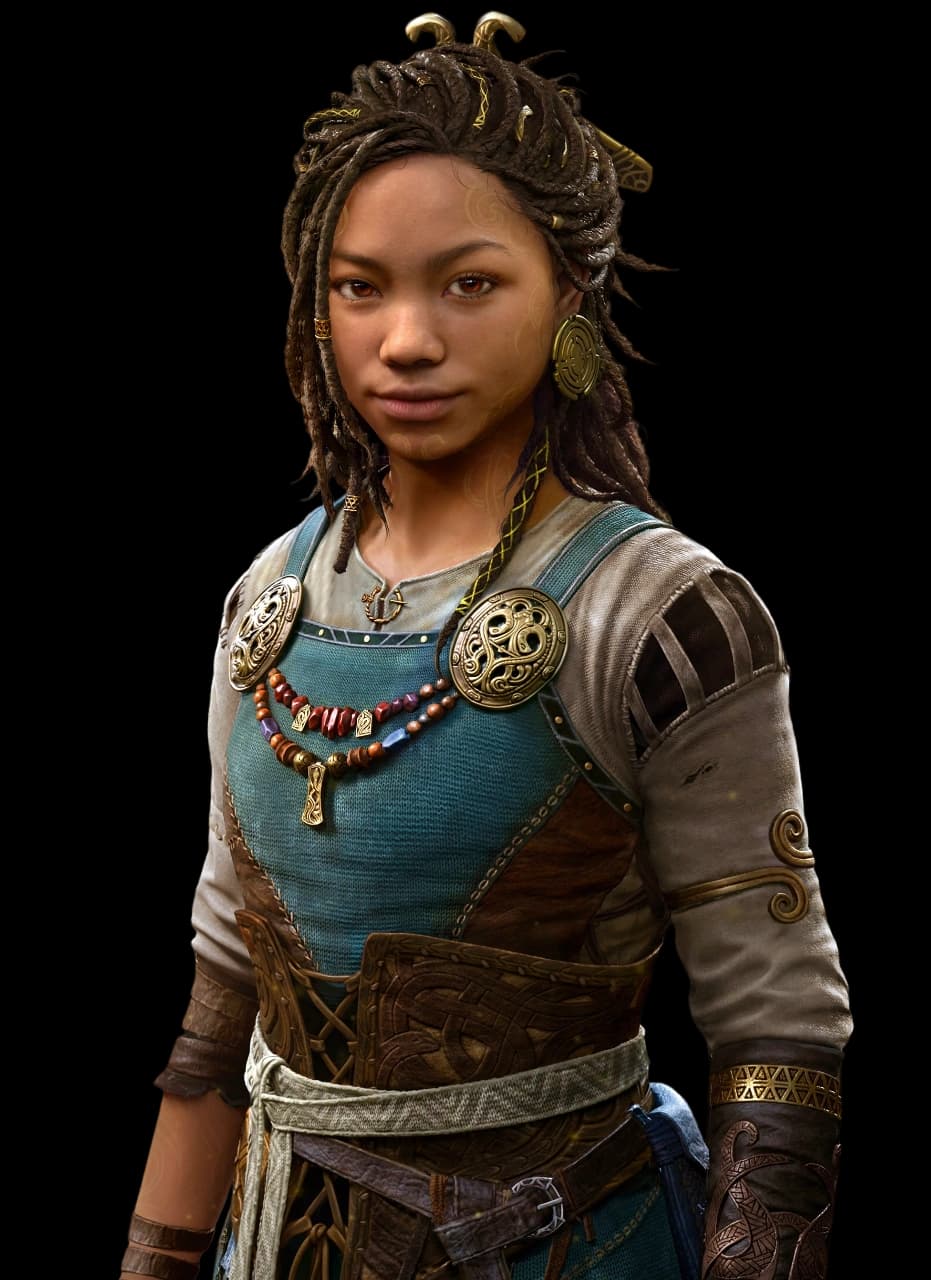
Angrboda: the last giantess of Ironwood
Angrboda grew up almost alone in Ironwood, painting the prophecy of Ragnarok. She gave Atreus the soul marbles of the lost Giants and made him their keeper.
Asgard
Asgard was the realm of the Aesir gods, perched in the crown of Yggdrasil and ruled by Odin from the hall of Gladsheim. Behind the great wall of Hrimthur it stood as a fortress against the prophesied doom of Ragnarok, until Kratos breached it and the realm fell.
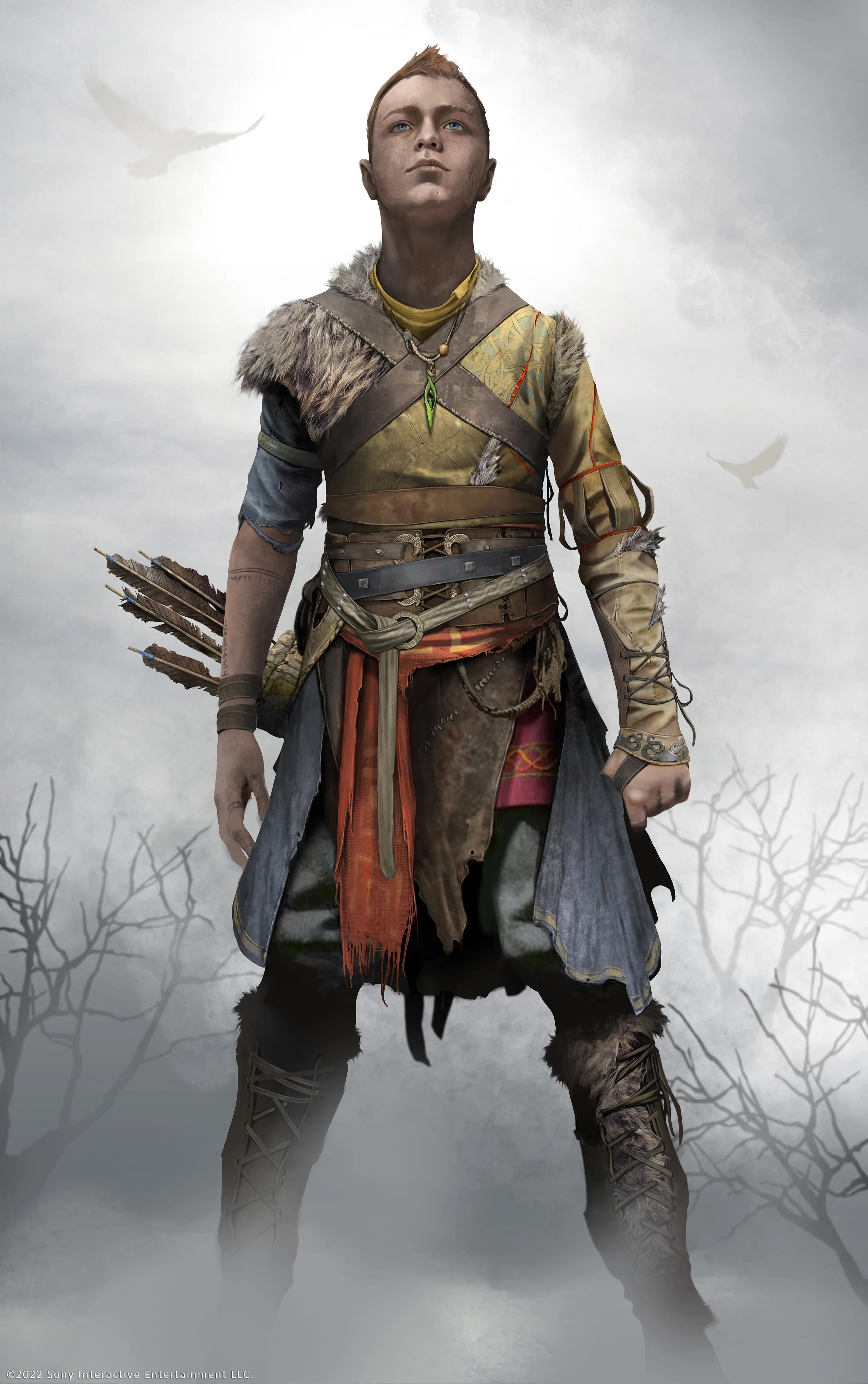
Atreus (Loki): Kratos's Son and the Truth of His Name
Atreus was the son of Kratos and the Jotunn Faye, born in Midgard and given the hidden name Loki. Across two great journeys he grew from a sickly boy into the prophesied champion of the Giants, the god of mischief whose fate was bound to Ragnarok.
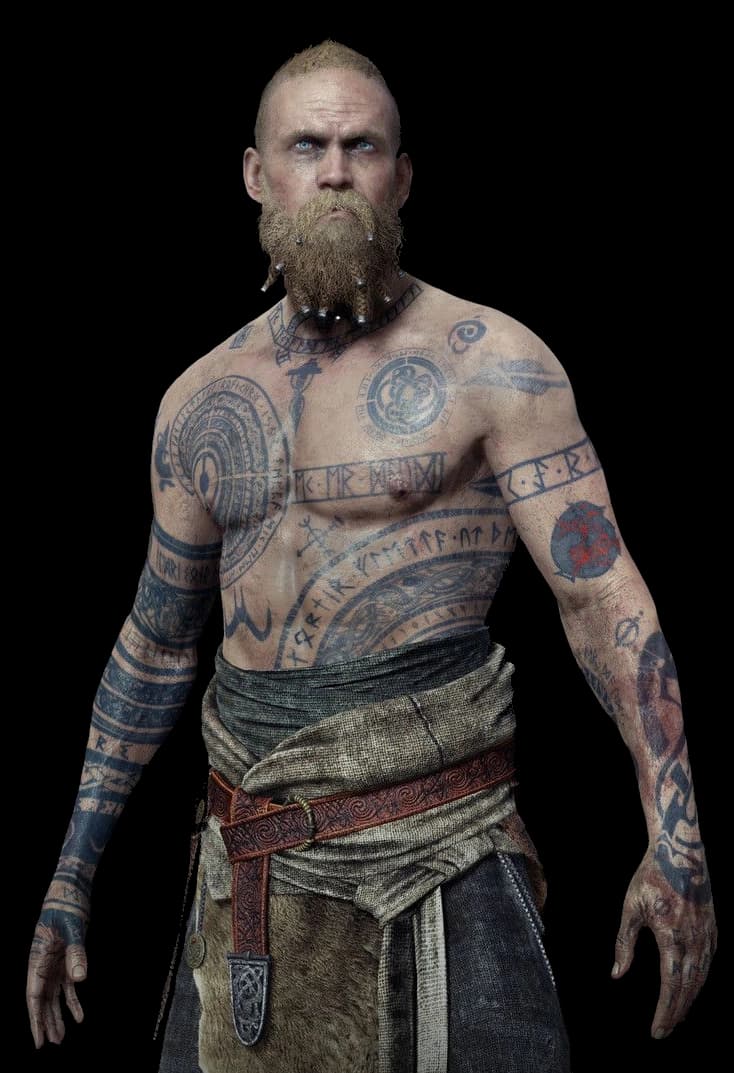
Baldur: the god who could feel nothing
Freya's spell made Baldur invulnerable but stripped every sensation from him, and a century of numbness drove him mad. Kratos killed him beside Thamur's corpse.
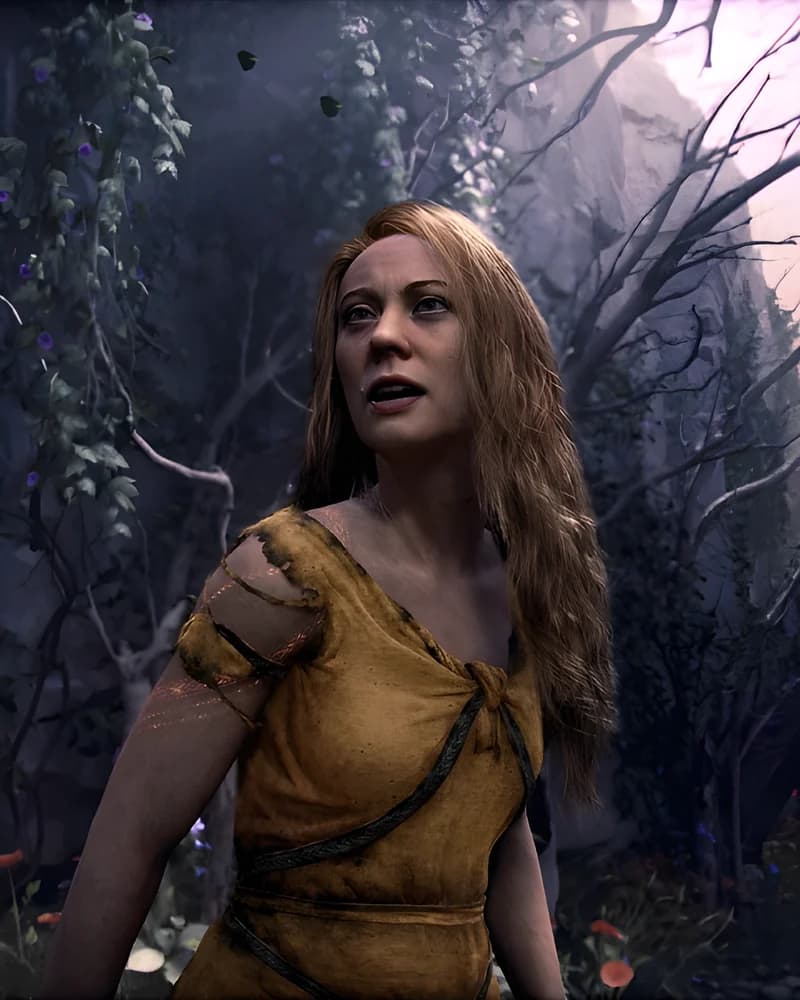
Faye: Laufey the Just, mother of Atreus
Faye was the Jotunn Laufey, wife of Kratos and mother of Atreus. Her foresight showed her own death, so she planned the route her ashes would take.
Mentioned in1 entry
Get new articles in your inbox
No spam. New lore drops, canon conflicts, and deep dives only when they’re worth reading.
Some links on Lore Fortress are affiliate links. If you buy through them we earn a small commission at no extra cost to you.