Fjorgyn: the giant earth goddess Odin truly loved
Fjorgyn was a Jotunn goddess of the earth, one of Odin's wives and the mother of Thor. She died under circumstances that remained a mystery, and her loss left the All-Father broken for ages and cast a long shadow over Asgard.
Fjorgyn was a Jotunn and a goddess, the personification of the earth and its trees, born in Jotunheim yet bound in loyalty to Asgard. She became one of the wives of Odin and by him the mother of Thor, the God of Thunder, making her the grandmother of Magni, Modi, and Thrud. By the age in which Kratos and Atreus walked the Norse realms she was long dead, remembered chiefly through the words of Mimir, who named her one of Odin's great loves and admitted that the cause of her death was murky at best. (God of War (2018); God of War Ragnarök)
The earth goddess of Jotunheim#
Fjorgyn was a Giantess of Jotunheim and a goddess in her own right, the goddess of the earth and trees. The lore marker that records her funeral rites names her Fjorgyn of the Jotnar, and Mimir speaks of her as a Giantess when he explains Thor's parentage. (God of War Ragnarök)
In Norse myth the earth goddess goes by Jord, with Fjorgyn and Hlodyn treated as other names for her, and she is Thor's mother by Odin. Snorri also names Meili as a second son of Odin, though the games never mention him. (Prose Edda)
One of Odin's great loves#
Odin's contempt for the Jotnar reached back to his youth, when he and his brothers drew first blood against the Giants by slaying Ymir. Yet the same god proved capable of loving a Giantess. Mimir put the paradox plainly to Atreus: Odin hates the Giants, and they him, but Thor's own mother was the Giantess Fjorgyn, "one of Odin's great loves." (God of War (2018); God of War Ragnarök)
Their union produced Thor, half Giant by his mother's blood, the son who would carry Mjolnir and become the mightiest defender of the Aesir. Through Thor, Fjorgyn's line continued into a third generation: Magni, Modi, and Thrud, the last of whom picks up her father's hammer at the end of Ragnarök. Thor's marriage to Sif made the goddess a daughter-in-law Fjorgyn never lived to know. (God of War (2018); God of War Ragnarök)
A death without answers#
Fjorgyn died long before the events of the games. No clear account of how survived. When Atreus pressed the question, Mimir would say only that the causes were "murky at best," and though he had spent ages watching the All-Father's crimes up close, he wasn't sure he could lay this death at Odin's feet, because Odin was never the same after losing her. (God of War Ragnarök)
What little testimony endured came from a lore marker recording her funeral rites. It says that for her beauty she was seduced, for her love she was betrayed, and for her gift of life her life was claimed, and that she would be carried to the summit and across the bridge, "where nevermore the Thunder may find her." Read together, the lines hint that she died giving life to the God of Thunder and that her body was taken beyond her son's reach, though the games never spell it out. (God of War Ragnarök)
The shadow she left behind#
Mimir came to believe that Fjorgyn's death left Odin heartbroken and lonely for a long time, and that what the All-Father wanted beneath his bluster was someone to replace her. That longing, in Mimir's telling, was part of what moved him to end the Aesir-Vanir War through marriage to Freya of the Vanir. For a while Odin felt love again, but it did not last. His hunger for knowledge and his obsession with the Jotnar consumed the second marriage as surely as death had ended the first. (God of War (2018); God of War Ragnarök)
The son she left behind inherited his father's hatred. Raised under an All-Father who treated him harshly, Thor became the most feared killer of Giants the realms had known, carrying out a slaughter across Midgard that brought his mother's people to the edge of extinction, despite the Jotunn blood in his own veins. Through Odin's grief and Thor's violence, the Giantess who loved the enemy of her race left her mark on the ruin of the Nine Realms. (God of War (2018); God of War Ragnarök)
Sources
- GameGod of War (2018), Santa Monica Studio, 2018
- GameGod of War Ragnarök, Santa Monica Studio, 2022
- BookProse Edda, Snorri Sturluson, around 1220
Spotted a factual error or a primary source we missed? Email a correction. Every flagged claim gets reviewed.
Followed from this entry

Freya
Freya was the Vanir goddess of love, war, and magic who married Odin to end the Aesir-Vanir War and was cursed to remain in Midgard. Once the Witch of the Woods, she aided Kratos and Atreus, swore vengeance after the death of her son Baldur, and at last turned her wrath on Odin himself.
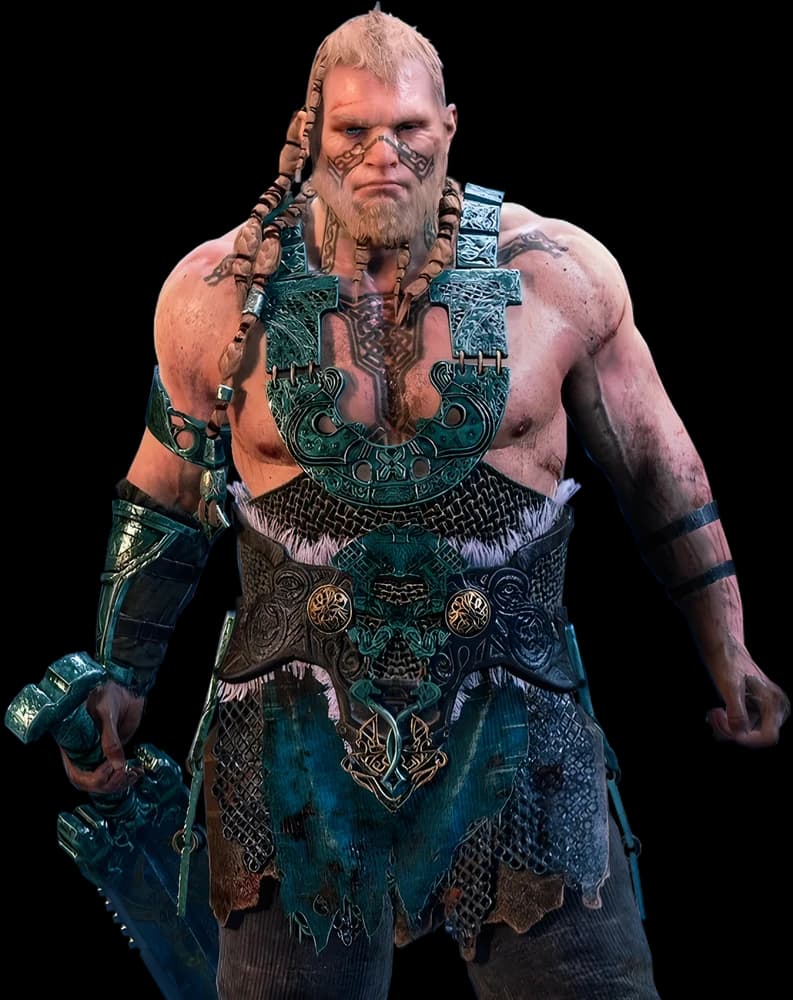
Magni: Thor's eldest son, killed by Kratos
Magni was Thor's firstborn and Odin's favoured grandson. He hunted Kratos and Atreus with Baldur, and Kratos buried an axe in his skull at Thamur's corpse.
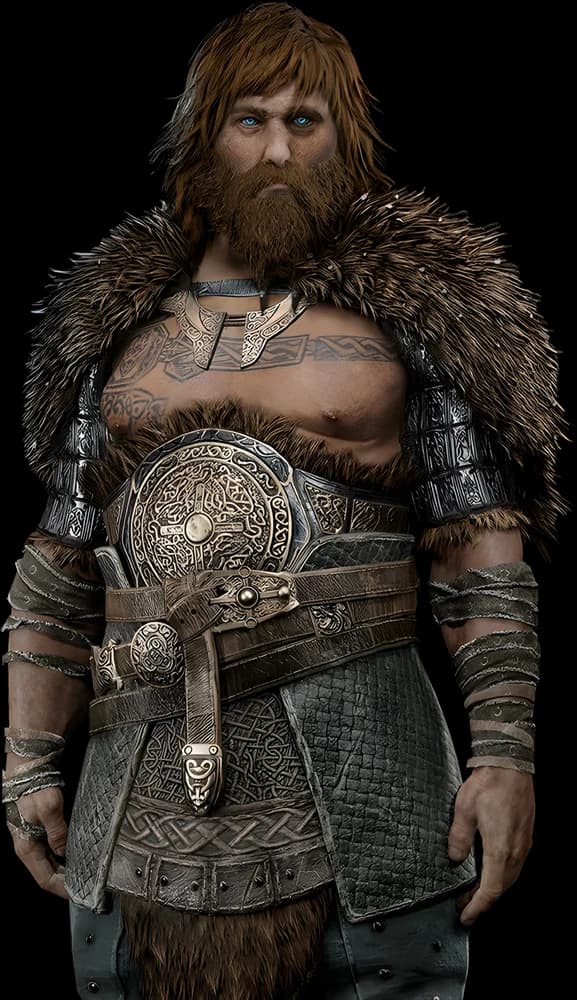
Modi: Thor's second son, killed by Atreus
Modi lived in the shadow of his brother Magni. After Magni died, Thor beat him nearly to death for cowardice, and Atreus stabbed him in the neck.
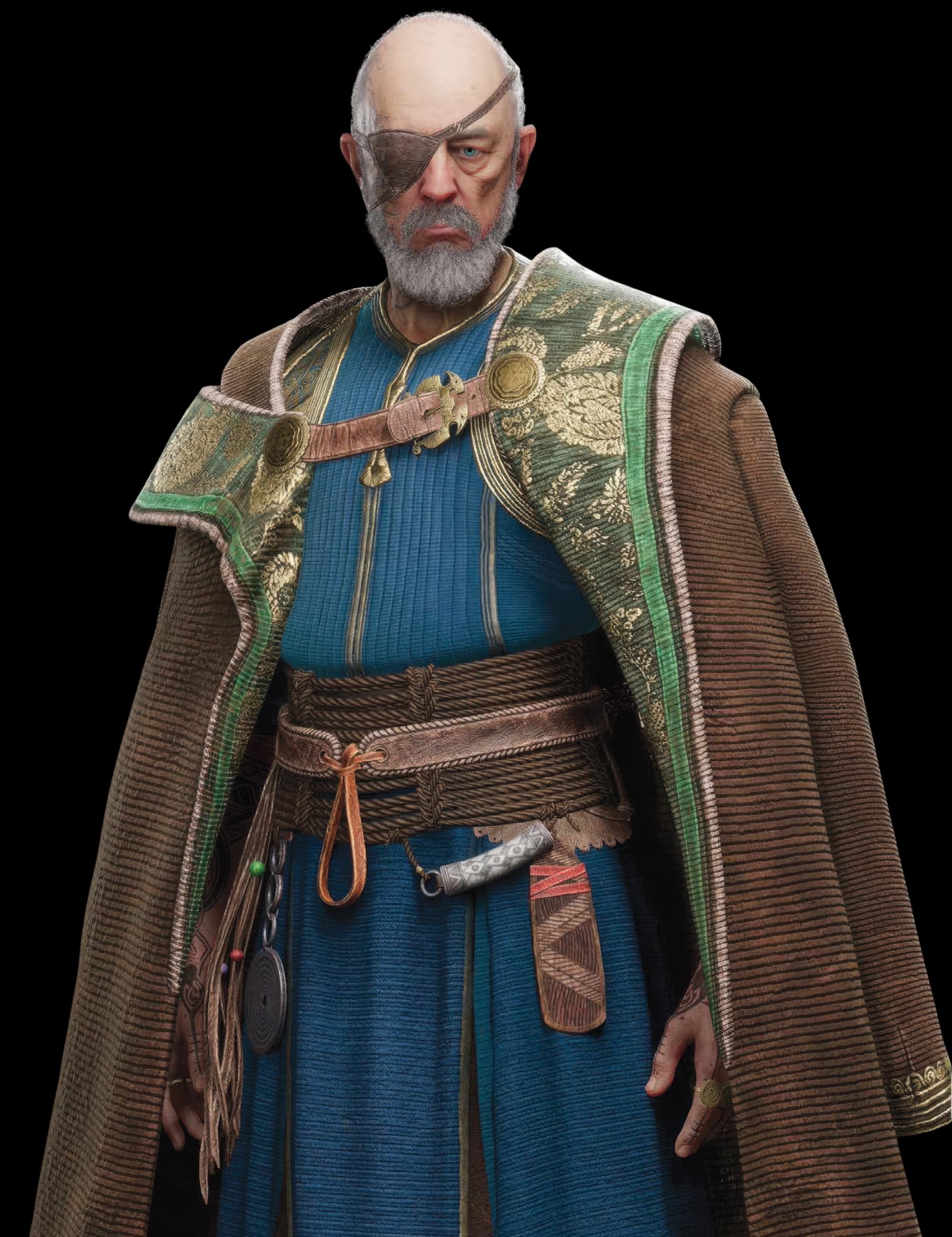
Odin
Odin was the King of the Aesir and ruler of the Nine Realms, the All-Father who slew the first giant Ymir to found Asgard. Obsessed with knowledge and terrified of his own prophesied death, he waged war across the realms and orchestrated the events that brought Ragnarok to his doorstep.
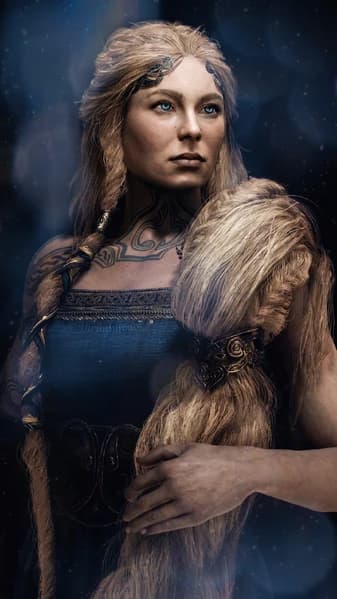
Sif
Sif was the Aesir goddess of wheat, earth, harvest, and family, the second wife of Thor and mother of Thrud. Grief for her dead sons turned her against Odin, and she survived Ragnarok to become the new leader of the Aesir.
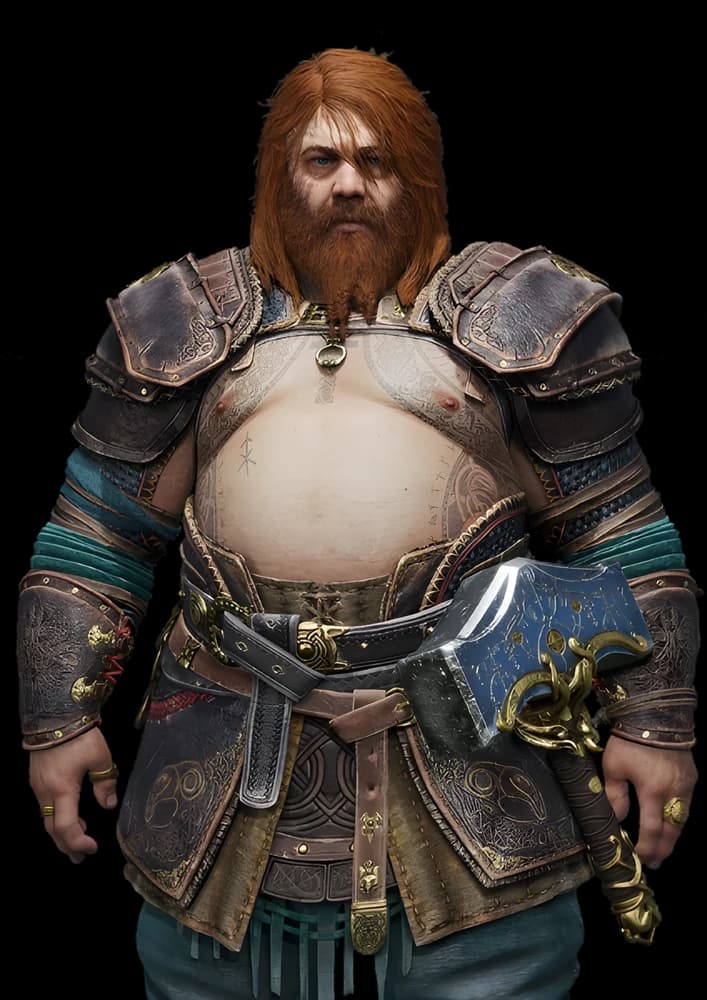
Thor: Odin's enforcer, killed by Odin
Odin ordered Thor to wipe out the giants of Midgard with Mjolnir. When Thor finally refused to fight, his father ran him through with Gungnir.
Mentioned in1 entry
Get new articles in your inbox
No spam. New lore drops, canon conflicts, and deep dives only when they’re worth reading.
Some links on Lore Fortress are affiliate links. If you buy through them we earn a small commission at no extra cost to you.