Sif
the Aesir goddess of the harvest
Sif was the Aesir goddess of wheat, earth, harvest, and family, the second wife of Thor and mother of Thrud. Grief for her dead sons turned her against Odin, and she survived Ragnarok to become the new leader of the Aesir.
Sif was the Aesir goddess of wheat, earth, harvest, and family, the second wife of Thor and the daughter-in-law of Odin. Mother of Thrud and Modi and stepmother of Magni, she served the All-Father as his diplomat until grief for her dead sons turned her against him, and she survived Ragnarok to lead the Aesir into a new age. (God of War Ragnarök)
A daughter of Asgard#
Sif was one of the Aesir of Asgard. In the old myths she was best known for her golden hair, the most prominent mark of her beauty. As an adult she married the thunder god Thor, and with him she had two children, Modi and later Thrud. She also raised Thor's son Magni, born of another, as her own, and counted both boys among her own children. (God of War Ragnarök; Prose Edda)
In her later years Sif served Odin as his diplomat, managing relations with the mortals of New Midgard who had been resettled within Asgard. She was, in those days, much like her husband, given to drink and revelry, and she followed Odin's harsh manner of parenting, berating and disciplining her children to forge them into the kind of strong servants the All-Father valued. (God of War Ragnarök)
Grief and the turn against Odin#
Everything changed when Magni and Modi died on a mission set them by Odin. The All-Father showed no grief, deeming them worthless and Asgard better off without them, and Sif's long loyalty curdled into distrust. She came to see that Odin had thrown her sons at his problems and cared nothing for what became of them, and her distrust deepened into open contempt. (God of War Ragnarök)
Her bitterness sharpened further when Odin invited Atreus into Asgard and lodged him in the very room that had belonged to Modi, whom Atreus had killed. Sif held open contempt for the boy, and she feared above all that her surviving daughter Thrud would be the next of her family to die. She gave up drink and took up a gentler manner with Thrud, even forbidding her to fight or become a Valkyrie, unwilling to let her serve under Odin. She pressed Thor to do the same, to guard his own family and stand up to his father, and though he gave up drinking he could not bring himself to defy Odin. (God of War Ragnarök)
When Kratos killed Heimdall, Sif seized on the death to argue against Odin's protection of Atreus, since the All-Father had sworn no more Aesir blood would be spilled. She tried to have Atreus punished, and when Odin ordered her to stand down she confronted him over his broken promise and his neglect of his own kin. Odin dismissed her, and Sif turned to Thor, telling him that the All-Father no longer protected them and that he had thrown Magni and Modi away. Her words helped convince Thor that Atreus was the true threat. (God of War Ragnarök)
Ragnarok and after#
During Ragnarok, when Thrud confronted Atreus over his plan to bring down Odin and destroy Asgard, Sif appeared with the young Midgardian Skjoldr and told her daughter that Atreus had been right about Odin all along. She said the All-Father would sacrifice anyone to solve his problems, their friends and family among them, and that the only way their family could be whole again was without him. She gave Thrud her blessing to go with Atreus and confront Thor, and the two parted with words of love. (God of War Ragnarök)
Sif survived the breaking of Asgard. With both Odin and Thor dead, she became the new leader of the remaining Aesir and Asgardians. In the aftermath she worked with Hildisvini to bring the survivors into Vanaheim so they might help the Vanir rebuild. When Kratos and Freya later traveled there, they found Sif in Freyr's camp, the first of the Aesir to come to Vanaheim in peace. She thanked Kratos for his help during Ragnarok and gave herself over to the long work of healing the old hatred between Aesir and Vanir, settling at last in Vanaheim. (God of War Ragnarök)
Nature and bearing#
Sif was a loving wife and a caring mother who dearly loved Thor and Thrud and mourned Magni and Modi as if they had been her own blood. Grief changed her from a drunken, dutiful servant of the All-Father into a woman who set her family above all and turned against the god she had once revered, and that change defined the last days of her old life. By her daughter's account, milk curd was Sif's favorite, and Skjoldr often made it for her. (God of War Ragnarök)
Frequently asked questions
- Who is Sif in God of War?
- Sif was the Aesir goddess of wheat, earth, harvest, and family, known for her golden hair. She was the second wife of Thor, the mother of Modi and Thrud, and the stepmother of Magni, and she served Odin as his diplomat in Asgard.
- Why did Sif turn against Odin?
- Sif had long been loyal to Odin, but after he sent her sons Magni and Modi to their deaths and dismissed them as worthless, her loyalty curdled into distrust and contempt. She feared her daughter Thrud would be next and worked to convince Thor of Odin's true nature.
- What happened to Sif after Ragnarok?
- Sif survived Ragnarok and, with Odin and Thor both dead, became the new leader of the remaining Aesir. Working alongside Hildisvini, she led the surviving Aesir and Asgardians to Vanaheim to help rebuild the realm in peace, and ultimately settled there herself.
- Was Sif a good mother?
- Sif was a loving and protective mother. Though she once followed Odin's harsh parenting, after the deaths of Magni and Modi she gave up drinking and adopted a gentler manner with Thrud, even forbidding her to fight rather than see her serve Odin. In the end she gave Thrud her blessing to stand against Thor.
Sources
- GameGod of War Ragnarök, Santa Monica Studio, 2022
- BookProse Edda, Snorri Sturluson, around 1220
Spotted a factual error or a primary source we missed? Email a correction. Every flagged claim gets reviewed.
Followed from this entry

Freya
Freya was the Vanir goddess of love, war, and magic who married Odin to end the Aesir-Vanir War and was cursed to remain in Midgard. Once the Witch of the Woods, she aided Kratos and Atreus, swore vengeance after the death of her son Baldur, and at last turned her wrath on Odin himself.
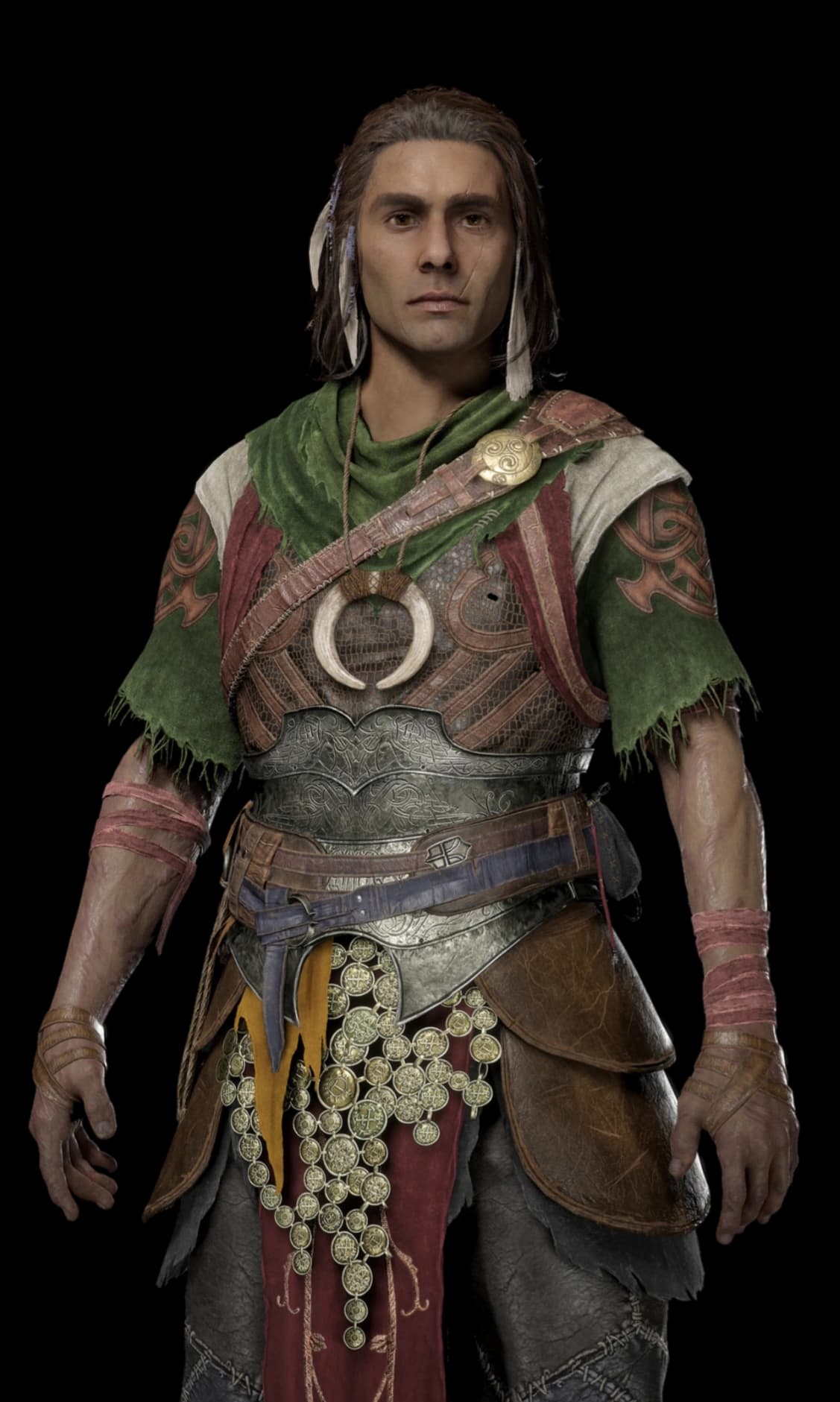
Freyr: Freya's twin, killed at Ragnarok
Freyr led the Vanir resistance against Odin from a camp in Vanaheim. He died holding back the fire giant so that his allies could escape Asgard.
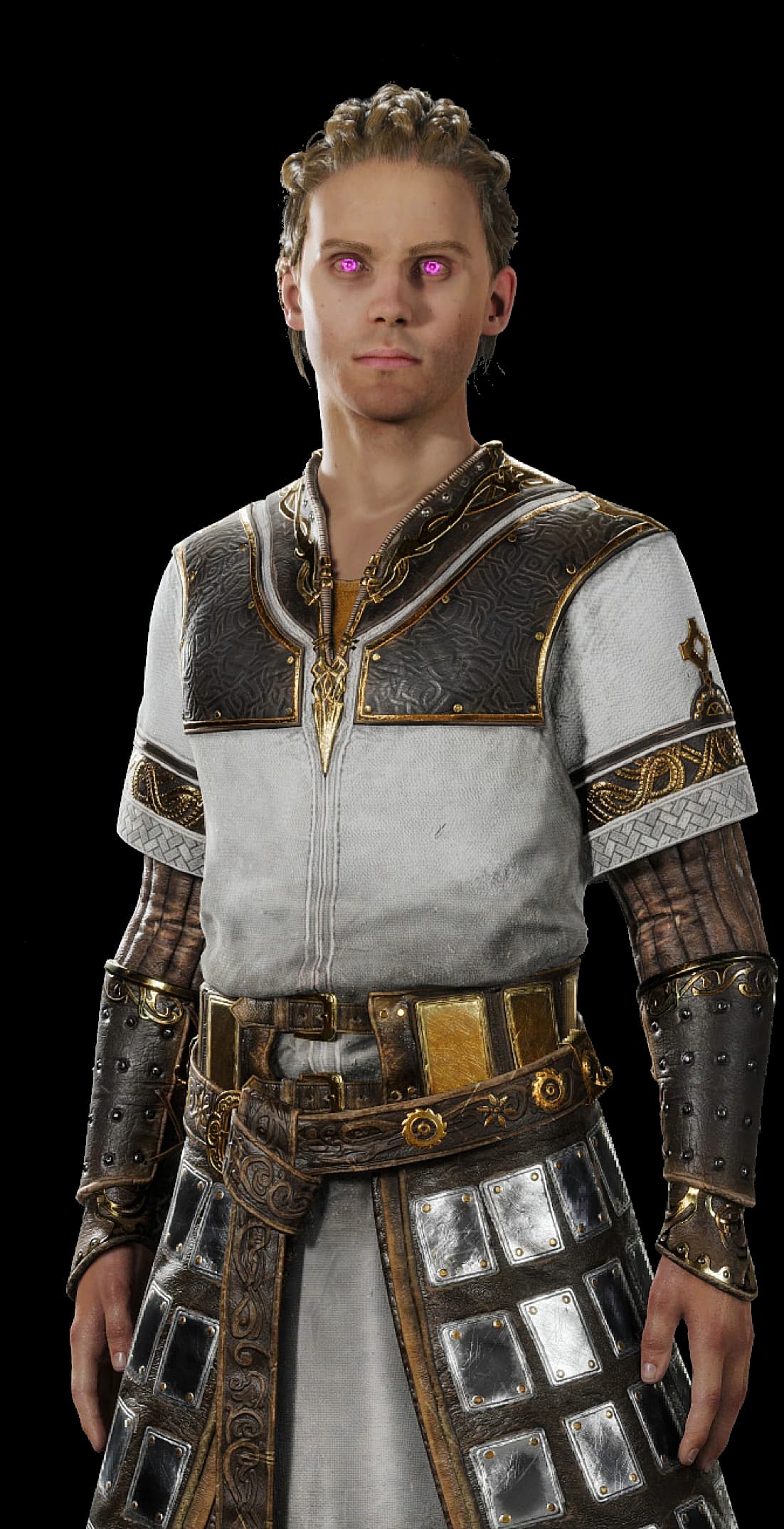
Heimdall: the watchman who saw every attack
Heimdall's foresight let him read minds and dodge any blow, until Brok worked out it could be overwhelmed. The Draupnir Spear got past it, and Kratos killed him.
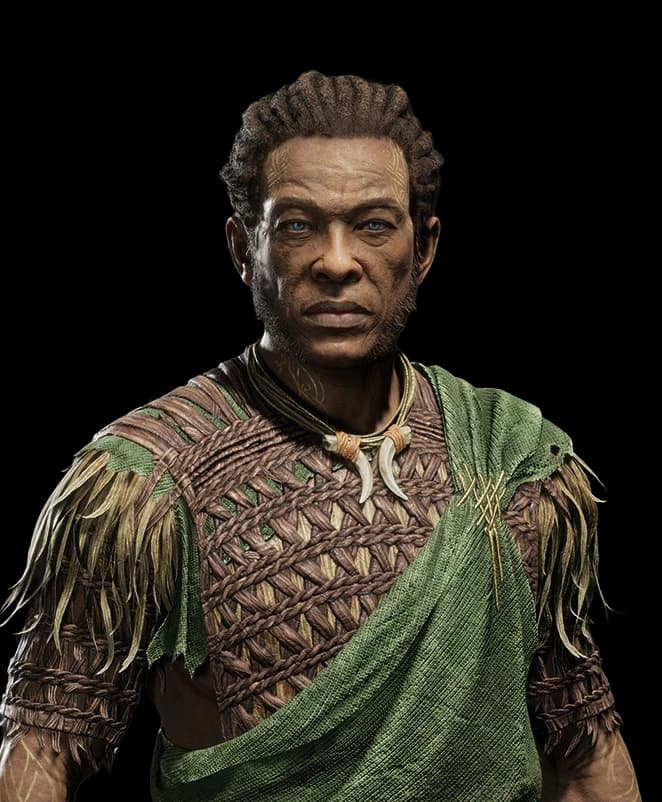
Hildisvini
Hildisvini was a Vanir god, master archer, and advisor to Freya. Exiled to Midgard in the form of a boar, he was first encountered as Freya's wounded companion before later returning to his human shape to join the resistance against Odin.
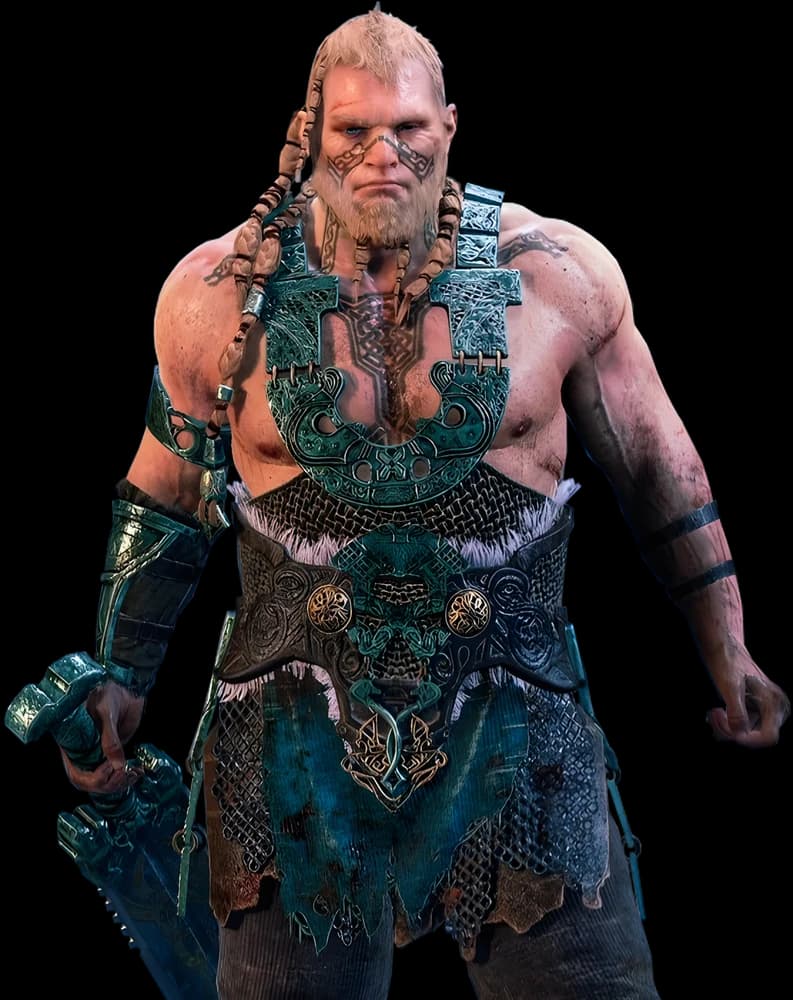
Magni: Thor's eldest son, killed by Kratos
Magni was Thor's firstborn and Odin's favoured grandson. He hunted Kratos and Atreus with Baldur, and Kratos buried an axe in his skull at Thamur's corpse.
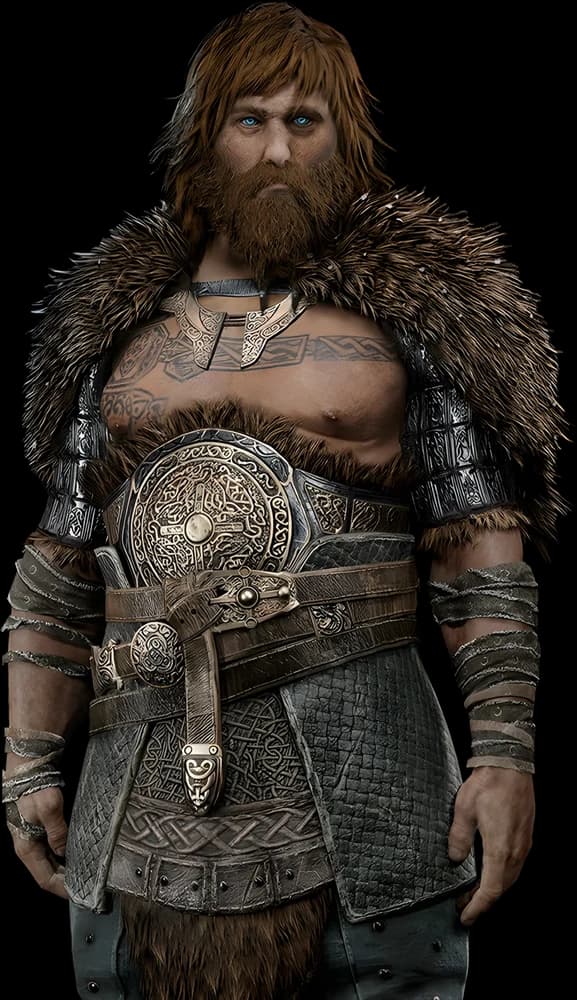
Modi: Thor's second son, killed by Atreus
Modi lived in the shadow of his brother Magni. After Magni died, Thor beat him nearly to death for cowardice, and Atreus stabbed him in the neck.
Mentioned in9 entries
Fjorgyn: the giant earth goddess Odin truly loved
Fjorgyn was a Jotunn goddess of the earth, one of Odin's wives and the mother of Thor. She died under circumstances that remained a mystery, and her loss left the All-Father broken for ages and cast a long shadow over Asgard.
God of War Characters: Every Major Character, Greek and Norse
Every major God of War character in one place, from Kratos and the Olympians of the Greek games to Atreus, Freya, Odin and the Aesir of the Norse saga. Each entry says who they are, what they do in the story and how it ends for them.
Ingrid
Ingrid was a sentient sword forged by the Vanir god Freyr, imbued with its own will and said to be impossible to steal. Lost to Odin, lent to Atreus, and reclaimed by Freyr at Ragnarok, the blade fought on its own in the hand of its rightful bearer.
Magni's Death
The death of Magni, eldest son of Thor, came at the hands of Kratos upon the frozen plain of Thamur's corpse. Though Magni was only a minor Aesir, his fall kindled the lasting hatred of Thor and Sif and set the gods of Asgard against Kratos and Atreus.
Norse Gods: the pantheon of the Nine Realms
The Norse Gods were the pantheon that ruled over Scandinavia, the lands known in their own cosmos as the Nine Realms of Yggdrasil. Divided into the warlike Aesir of Asgard and the nature-bound Vanir of Vanaheim, they counted among the most powerful races of the realms and were held to be the protectors of Midgard and humanity.
Norse Mythology: the North Germanic myths behind God of War's Nine Worlds
Norse mythology is the body of North Germanic myth the God of War saga draws its Norse era from, built around Nine Worlds flanking the sacred tree Yggdrasil and a cosmos made from the flesh of Ymir.
Skjöldr: the farm boy of New Midgard
Skjöldr was a young Midgardian farm boy resettled on the outskirts of Asgard after the Desolation destroyed his homeland. He befriended Atreus at the foot of the great wall, survived being thrown into the battle of Ragnarök as one of Odin's mortal shields, and afterward led the displaced Midgardians as they rebuilt their lives in Midgard.
The God of War TV Series: Cast, Story and What We Know
Prime Video's live-action God of War series has a two-season order, Ronald D. Moore as showrunner and, after a stunt injury forced a recast, Dave Bautista as Kratos. Here is what Amazon, Sony and the trade press have confirmed so far, and what nobody has announced yet.
The Great Lodge
The Great Lodge, also called Odin's Hall, was the seat of the All-Father's power, a vast Viking longhouse at the centre of Gladsheim where Odin lived, studied, and ruled the Nine Realms. It was built above the Rift, the place where Odin slew Ymir, and fell with the rest of Asgard at Ragnarok.
Get new articles in your inbox
No spam. New lore drops, canon conflicts, and deep dives only when they’re worth reading.
Some links on Lore Fortress are affiliate links. If you buy through them we earn a small commission at no extra cost to you.