Nemean Cestus
the lion gauntlets of Hercules
The Nemean Cestus were a pair of great metal gauntlets shaped as snarling lion heads, named for the Nemean Lion that Hercules slew in myth. Kratos tore them from his half-brother in battle and used them to shatter both the demigod and the rare stone called Onyx.
The Nemean Cestus were a pair of great metal gauntlets, each forged in the likeness of a snarling lion's head, that vastly increased the strength of whoever wore them. Their original owner was Hercules, and their name recalls the Nemean Lion he slew in Greek myth as one of his twelve labours. When the demigod turned them against his half-brother Kratos, the Spartan wrested them away and made the gauntlets the instrument of Hercules' own death. (God of War III)
Appearance#
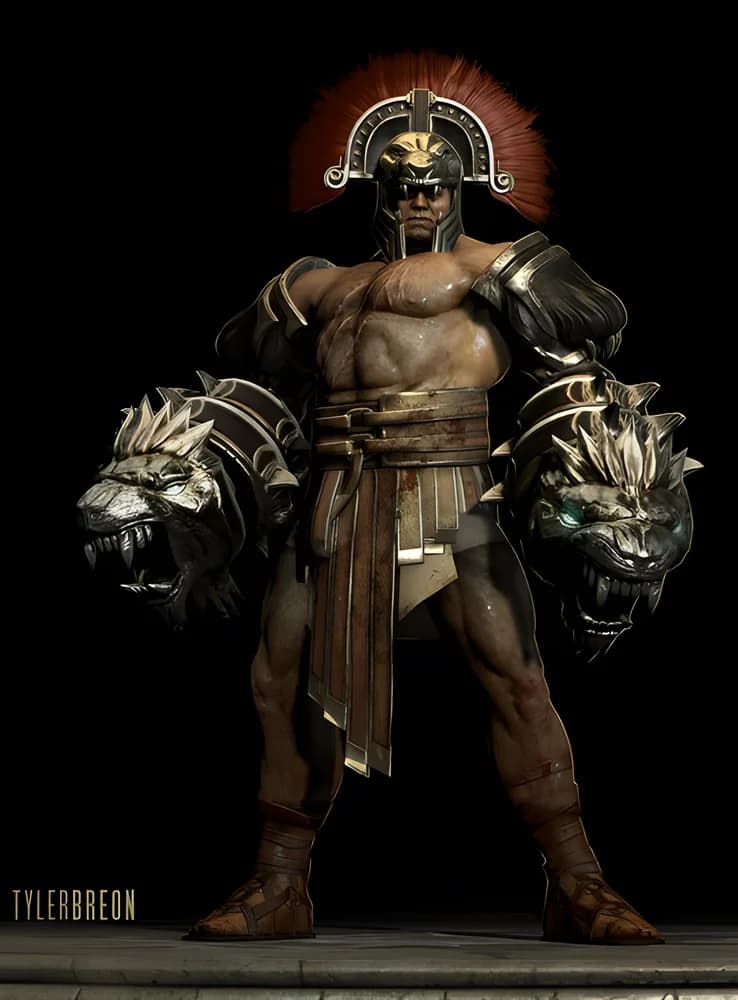
The Nemean Cestus took the form of a roaring lion, silverish gold in colour with black along the sides, and were studded with spikes, some curving back and others forward. Each gauntlet was made of three separate parts: the lion's head, a first ring of spikes, and a second ring of spikes attached to a sleeve into which the wearer fitted his arm. When the gauntlets were used, a pale blue aura often gathered around each individual part. They appeared to adjust to the hands of whoever wore them, fitting Hercules and later Kratos alike though the two were of different stature. (God of War III)
The duel of half-brothers#
The Cestus came into the saga when Hercules, locked in battle with Kratos, donned the gauntlets to face the Spartan. The fight turned against the demigod, and the Cestus were forced from his grip. Taking them up, Kratos used the lion gauntlets to batter his half-brother to death, claiming the weapon for his own as he had claimed others from the foes he overcame. (God of War III)
Power against Onyx#
The Nemean Cestus were among the most formidable weapons Kratos ever wielded. Alone among his arsenal they could destroy Onyx, a hard stone that frequently barred his path in the form of shields, walls and armour. This made them the only weapon capable of slaying Skorpius, whose body was sheathed in the stone, and of breaking through the armour of the Three Judges of the Underworld. The gauntlets carried chains within them that allowed for ranged strikes and for evasive moves much like those of the Claws of Hades, and with every blow the faint roar or growl of a lion could be heard. They served Kratos well against the bronze giant Talos and, once fully mastered, against Zeus, the King of the Gods. In the end, like nearly all of Kratos' weapons save the Blade of Olympus and a few others, the Nemean Cestus were destroyed by the astral form of Zeus. (God of War III)
Frequently asked questions
- What are the Nemean Cestus in God of War?
- The Nemean Cestus were a pair of great metal gauntlets, each forged in the likeness of a snarling lion's head, that vastly increased the strength of whoever wore them. They were silverish gold in colour with black along the sides and studded with curving spikes.
- Where did the Nemean Cestus come from?
- They belonged to Hercules before Kratos took them. God of War III doesn't explain how he got them, but their name and lion shape recall the Nemean Lion he slew in Greek myth as one of his twelve labours.
- How did Kratos get the Nemean Cestus?
- Hercules wore the gauntlets when he engaged Kratos in battle, but the fight turned against the demigod and the Cestus were forced from his grip. Kratos took them up and used them to batter his half-brother to death, claiming the weapon for his own.
- What made the Nemean Cestus so powerful?
- They were among the most formidable weapons Kratos ever wielded, and the only weapon in his arsenal able to destroy Onyx. This made them the only means of slaying the Onyx-clad Skorpius and of breaking the armour of the Three Judges of the Underworld, and they also served against the bronze giant Talos and against Zeus himself.
- What happened to the Nemean Cestus?
- Like nearly all of Kratos' weapons save the Blade of Olympus and a few others, the Nemean Cestus were destroyed by the astral form of Zeus.
Gallery
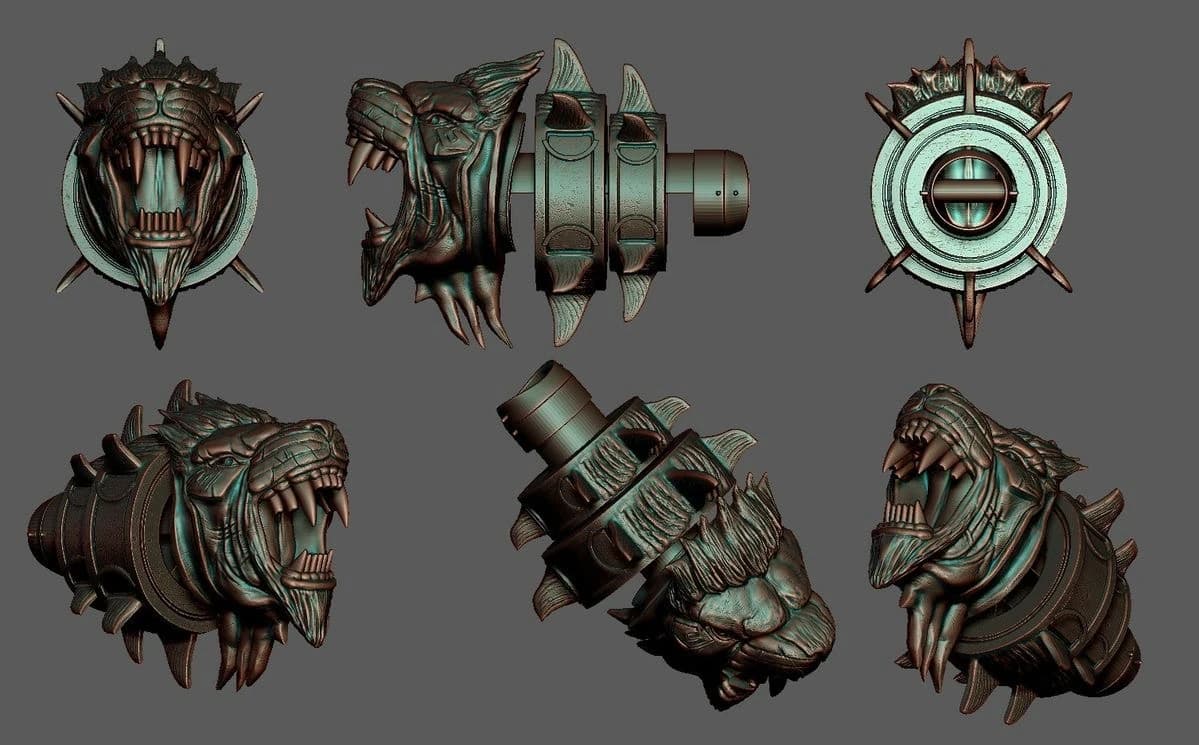
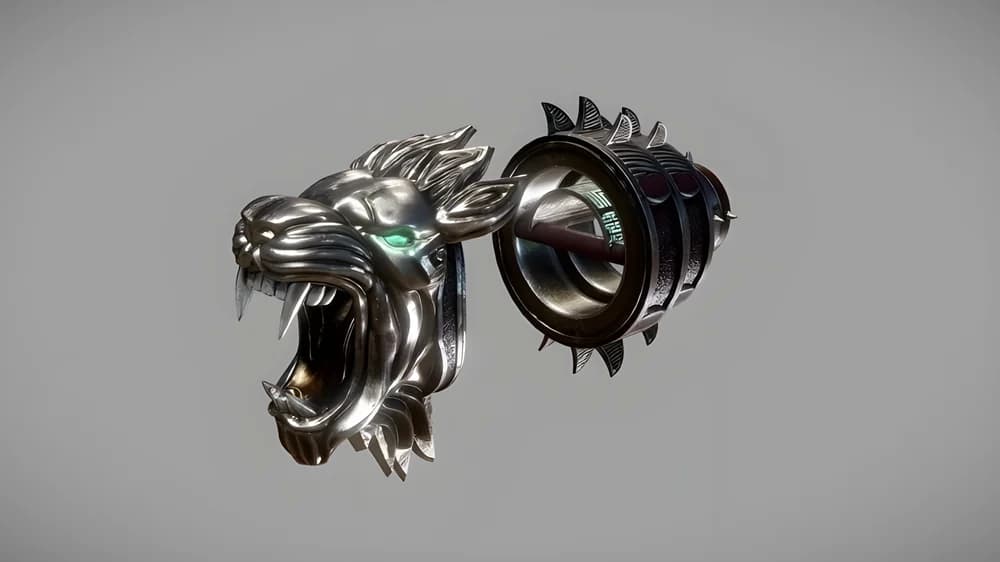
Images via God of War Wiki
Sources
- GameGod of War III, Santa Monica Studio, 2010
Spotted a factual error or a primary source we missed? Email a correction. Every flagged claim gets reviewed.
Followed from this entry
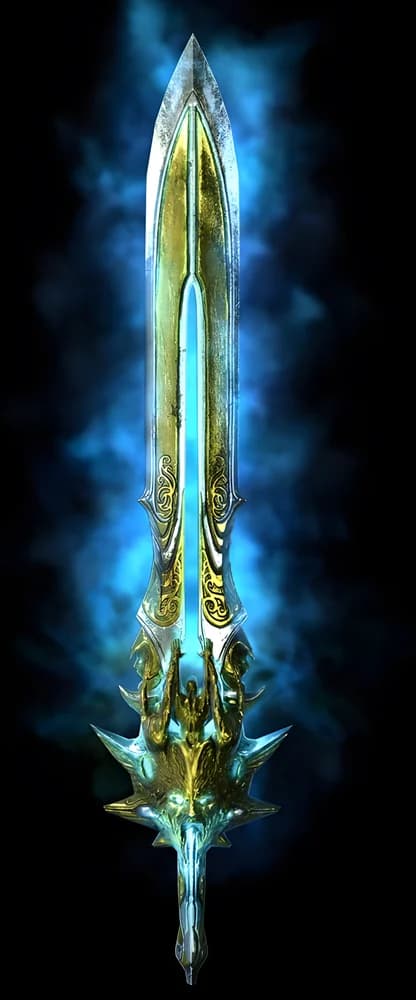
Blade of Olympus: Zeus' god-killing sword
Zeus forged the Blade of Olympus from the heavens and the earth to banish the Titans to Tartarus. It could kill gods and Titans, and it killed Zeus himself.
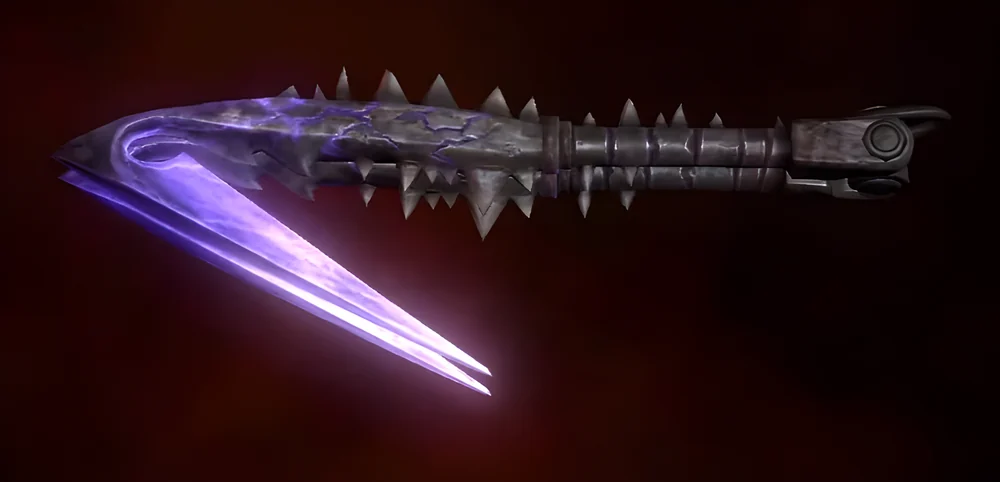
Claws of Hades
The Claws of Hades were chained weapons wielded by Hades, god of the Underworld, who used their magic to tear the souls from his enemies. Kratos stole them in battle, claimed the god's own soul with them, and carried them as a means of ripping and summoning the souls of the dead.

God of War Weapons List: the Name of Every Weapon Kratos Has Used
Kratos has carried two dozen weapons across two lifetimes, from a Spartan spear to a spear built from a ring that copies itself. This list runs through them in the order he got them, Greek era first, then Norse.
Hercules
Hercules was a son of Zeus and the mortal Alcmene, a demigod who had completed twelve labors to atone for killing his family. Consumed by jealousy of his half-brother Kratos, he named the killing of the Ghost of Sparta his unofficial thirteenth labor and died for it in the Forum of Olympus.
Kratos
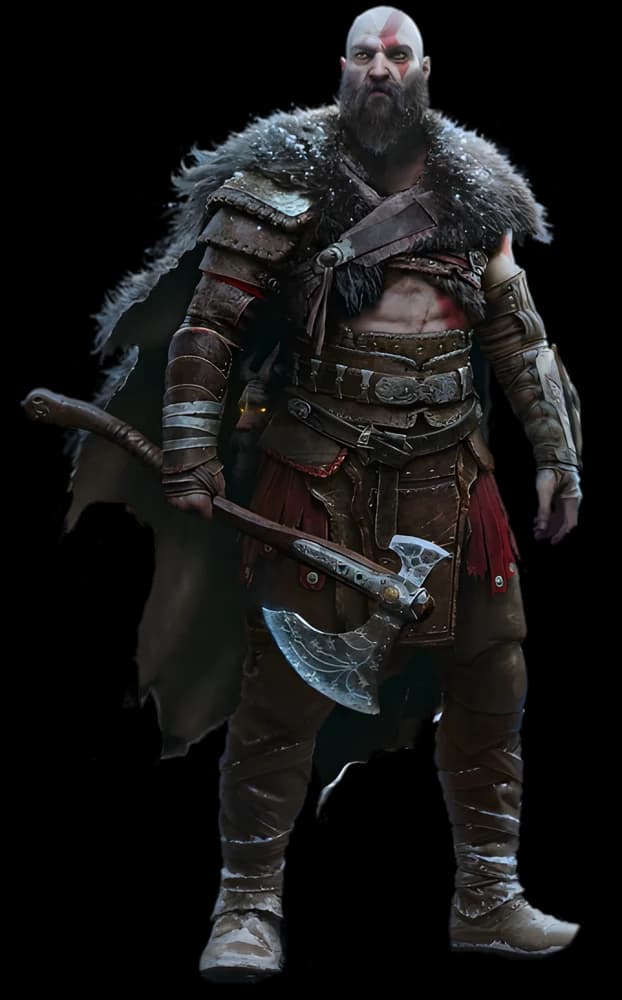
Kratos was the demigod son of Zeus who rose from a Spartan general to the Greek God of War, destroyed the pantheon of Olympus in a quest for vengeance, and then began again in the Norse realms as a father seeking to leave his bloody past behind.
Skorpius
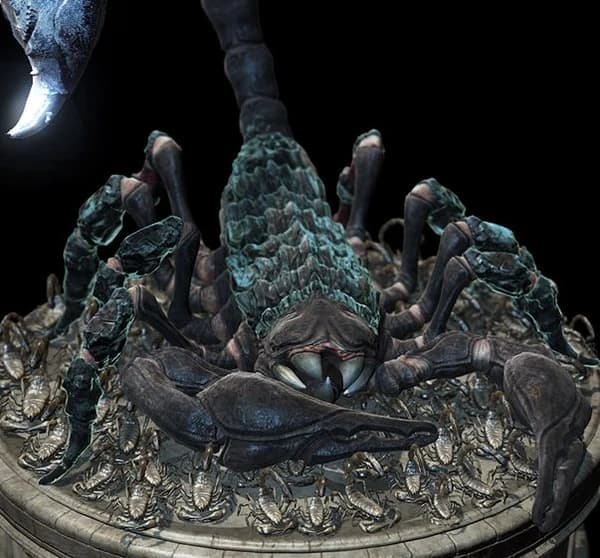
Skorpius was the Queen of the Scorpions, a vast scorpion that dwelt in the Labyrinth deep beneath Mount Olympus. Her exoskeleton was infused with onyx crystals, and Kratos slew her amid the rising cubes of the Labyrinth to claim Boreas' Icestorm.
Mentioned in8 entries
Barbarian Hammer: the weapon of the Barbarian King
The Barbarian Hammer was a massive spiked warhammer wielded by Alrik, king of the Barbarians, with the power to summon Cursed Souls from the Underworld. Kratos took it for his own after crushing Alrik in battle.
God of War III Story and Ending Explained: Plot Summary
The whole story of God of War III in order, from the Titans' climb up Mount Olympus to the death of Zeus. Then the ending in plain terms: why Kratos drove the Blade of Olympus into himself, what Athena wanted, and where that trail of blood leads.
God of War Weapons List: the Name of Every Weapon Kratos Has Used
Kratos has carried two dozen weapons across two lifetimes, from a Spartan spear to a spear built from a ring that copies itself. This list runs through them in the order he got them, Greek era first, then Norse.
Hercules
Hercules was a son of Zeus and the mortal Alcmene, a demigod who had completed twelve labors to atone for killing his family. Consumed by jealousy of his half-brother Kratos, he named the killing of the Ghost of Sparta his unofficial thirteenth labor and died for it in the Forum of Olympus.
Second Titanomachy
The Second Titanomachy was the war Kratos set in motion against the Olympian Gods, when he led the Titans up Mount Olympus to take his vengeance on Zeus. It ended with the death of nearly every god and Titan and the ruin of Greece.
Skorpius
Skorpius was the Queen of the Scorpions, a vast scorpion that dwelt in the Labyrinth deep beneath Mount Olympus. Her exoskeleton was infused with onyx crystals, and Kratos slew her amid the rising cubes of the Labyrinth to claim Boreas' Icestorm.
The Arena
The Arena, also called the Forum, was a small coliseum at the edge of Mount Olympus where the gods watched and joined in battle. Hercules commanded it for his own amusement, and within it Kratos slew his half-brother.
The Labyrinth: the prison Zeus built for Pandora
The Labyrinth was a shifting maze of stone cubes raised inside Mount Olympus by the Athenian craftsman Daedalus at the command of Zeus, built for the sole purpose of holding Pandora away from the Flame of Olympus. Its heart hung from the Chain of Balance and the Three Judges of the dead served as the final latch of its lock.
Get new articles in your inbox
No spam. New lore drops, canon conflicts, and deep dives only when they’re worth reading.
Some links on Lore Fortress are affiliate links. If you buy through them we earn a small commission at no extra cost to you.