Why Did Palpatine Love Maul's Lightsaber?
Because of what it told his own master. Sidious trained Maul as an assassin rather than a Sith Lord, and the brutal, ancient saberstaff advertised exactly that. It made Maul look like a weapon instead of a successor, which kept Plagueis from noticing what his apprentice was really building.
Because of what it told his master. Sidious trained Maul as an assassin rather than a Sith Lord, and the brutal, ancient double-bladed lightsaber advertised exactly that. It made Maul read as a weapon rather than a successor, which kept Darth Plagueis comfortable and stopped him noticing that his own apprentice was already planning his death. (The Phantom Menace; Darth Plagueis)
An apprentice built wrong on purpose#
Maul's training was unconventional from the start. It focused almost exclusively on advanced lightsaber combat, and the results are on the record: an acrobatic, relentlessly drilled fighter who could twirl a saberstaff one-handed and pursue an enemy without ever letting up. (The Phantom Menace; Darth Plagueis)
That should look odd, because Palpatine did not rate lightsabers especially highly. His whole view of power placed the blade well behind mastery of the Force. Building an apprentice around the one thing he considered secondary is not an oversight from a man who did nothing by accident. (Dark Lord: The Rise of Darth Vader)
It was the point. The emphasis was deliberate, and it was about what Maul was for. (Darth Plagueis)
Assassin, not Lord#
Maul was being built as a Sith assassin. Not a Sith Lord, not an heir, not the next link in the chain. (Darth Plagueis)
Understanding why means understanding what the Rule of Two actually demands. Darth Bane's decree holds that only two Sith exist at any time: a master to represent the power of the dark side, and an apprentice to crave it and train under the master until they are ready to fill that role. The mechanism is brutal by design. The apprentice is supposed to kill the master and take their place, which is what forces each generation to be stronger and more cunning than the last. It also means the relationship never contains any trust, because both parties spend it watching each other for weakness. (The Phantom Menace; Darth Bane: Path of Destruction)
Plagueis set the terms himself. A year after Sidious took the infant Maul, Plagueis gave him permission to train the boy, but told him not to share their most treasured secrets: Maul was to be an assassin, not a Sith Lord like the two of them. A real apprentice, someone genuinely trained to become a Sith Lord, would have been a rival in waiting. (Darth Plagueis)
So Sidious kept to the letter of it. He had an apprentice who could never satisfy the spirit of the rule. Maul filled the slot, and he was trained as a tool rather than a candidate. (Darth Plagueis)
Why a saberstaff specifically#
The weapon fitted that story, and it worked on two audiences at once.
The first was the Jedi, who had little experience of a double-bladed lightsaber, and there is good reason for that. The design goes back to the mythical Sith Lord Exar Kun in the Qel-Droma Epics, which puts it firmly in the category of things Jedi had read about rather than fought, and in Legends saberstaffs stayed obscure weapons for centuries. Against a Padawan and his master on Naboo, Maul came close to winning outright. (Gadgets and Gear; Darth Bane: Path of Destruction; The Phantom Menace)
The second audience mattered more. A saberstaff is brutal and it is ancient, and both qualities say the same thing about whoever carries one. This is a warrior, not a master. A weapon of pure destruction wielded by an instrument of pure destruction. (The Phantom Menace; Gadgets and Gear)
That reading is exactly what Sidious wanted circulating. Every time Plagueis looked at Maul, the weapon in his hands reinforced the conclusion that he posed no threat to the grand Sith plan. (Darth Plagueis)
The furnace#
There is a detail from Legends that makes the whole arrangement sharper.
Maul made his own crystals in a compression furnace. Not one crystal, four, because that is what a double-bladed lightsaber needs, and he spent four days in deep meditation, using the Force to control and monitor how they formed. Maul took considerable pride in it. (Darth Maul: Shadow Hunter)
Set that beside how Sidious himself thought about lightsabers. He was fairly disdainful of them, and once told Darth Vader the Sith used them mainly to humiliate the Jedi. (Dark Lord: The Rise of Darth Vader)
That tells you what the exercise was actually for. It was not about giving Maul the best possible weapon. It was about producing something that looked ancient, personal and dangerous, and about keeping a young Zabrak occupied and convinced of his own significance while his master got on with the real work. (Darth Maul: Shadow Hunter; Darth Plagueis)
What Plagueis saw#
Plagueis was obsessed with immortality, and so focused on it that he missed the signs that his faithful apprentice was progressing in a way that should have worried him. (Darth Plagueis)
Maul was one of those signs, disguised as a reassurance. In the novel Plagueis lives through Maul's training and dies the night Palpatine becomes Supreme Chancellor. Sidious presented his master with an apprentice who was visibly a blunt instrument, and Plagueis took that at face value. (Darth Plagueis)
He should have looked harder. The apprentice was never the point. The weapon was a message, and Plagueis read it exactly as intended, right up until Sidious killed him. (Darth Plagueis)
Frequently asked questions
- Why was Maul trained mostly in lightsaber combat?
- Because he was being built as an assassin rather than a successor. In the Legends novel Darth Plagueis, Plagueis only let Sidious train Maul on condition that he be a Sith assassin, not a Sith Lord, and that he not be given their deepest secrets.
- Does that break the Rule of Two?
- Technically no. The Rule of Two requires a master and an apprentice, and Maul filled the apprentice slot. What Sidious avoided was training him the way the rule intends, as someone capable of eventually replacing his master.
- Where does the double-bladed lightsaber come from?
- The design traces back to the mythical Sith Lord Exar Kun in the Qel-Droma Epics, which is what gives it its ancient reputation. In Legends it was a Sith design that stayed obscure for centuries. Maul built his own red-bladed version, and it was damaged when Obi-Wan Kenobi defeated him at the Battle of Naboo.
- Did Maul make his own lightsaber crystals?
- In Legends, yes. He made the four synthetic crystals his saberstaff needed in a compression furnace, meditating for four days to control how they formed.
Sources
- VideoStar Wars: Episode I The Phantom Menace, Lucasfilm, 1999
- BookDarth Plagueis, James Luceno, Del Rey, 2012 (Legends)
- BookDarth Maul: Shadow Hunter, Michael Reaves, Del Rey, 2001 (Legends)
- BookDark Lord: The Rise of Darth Vader, James Luceno, Del Rey, 2005 (Legends)
- BookDarth Bane: Path of Destruction, Drew Karpyshyn, Del Rey, 2006 (Legends)
- BookGadgets and Gear, Star Wars: Age of Rebellion sourcebook, Fantasy Flight Games, 2019
Spotted a factual error or a primary source we missed? Email a correction. Every flagged claim gets reviewed.
Followed from this entry
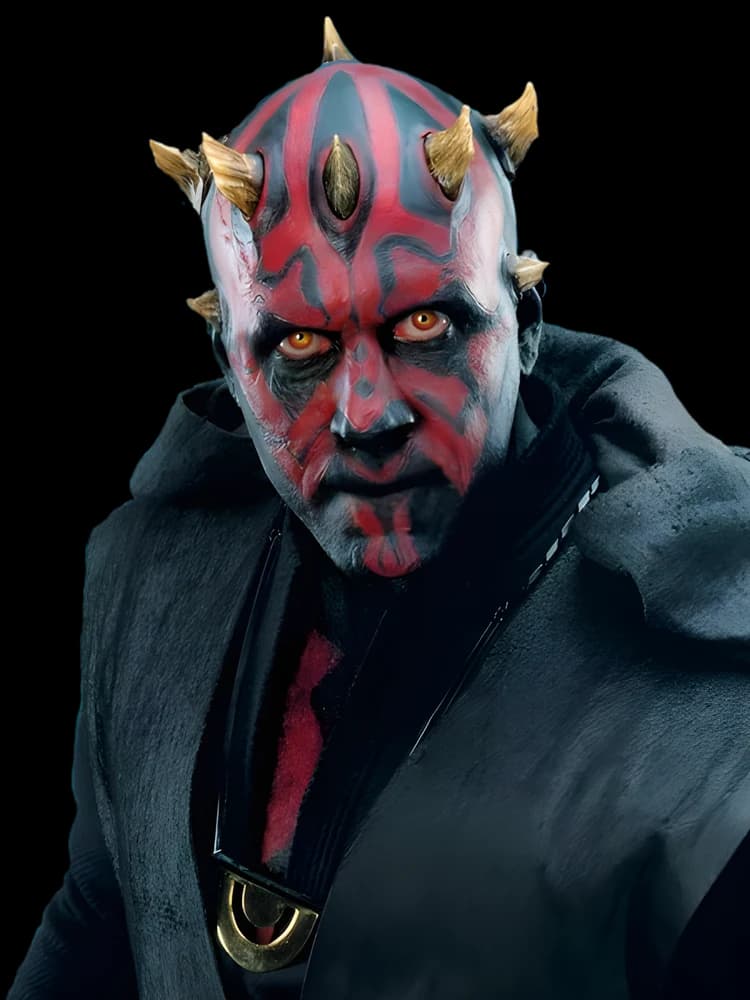
Darth Maul
Maul was a Dathomirian Zabrak trained from childhood as the Sith apprentice of Darth Sidious. Cut down on Naboo and left for dead, he survived and rebuilt himself, becoming a crime lord and a relentless seeker of revenge against the Sith who discarded him and the Jedi he hated.

Palpatine
Sheev Palpatine was the Sith Lord Darth Sidious, who rose through the Galactic Senate to become Supreme Chancellor and then self-proclaimed Emperor. He orchestrated the fall of the Republic and the Jedi Order, ruled the galaxy for decades, and sought to cheat death itself.
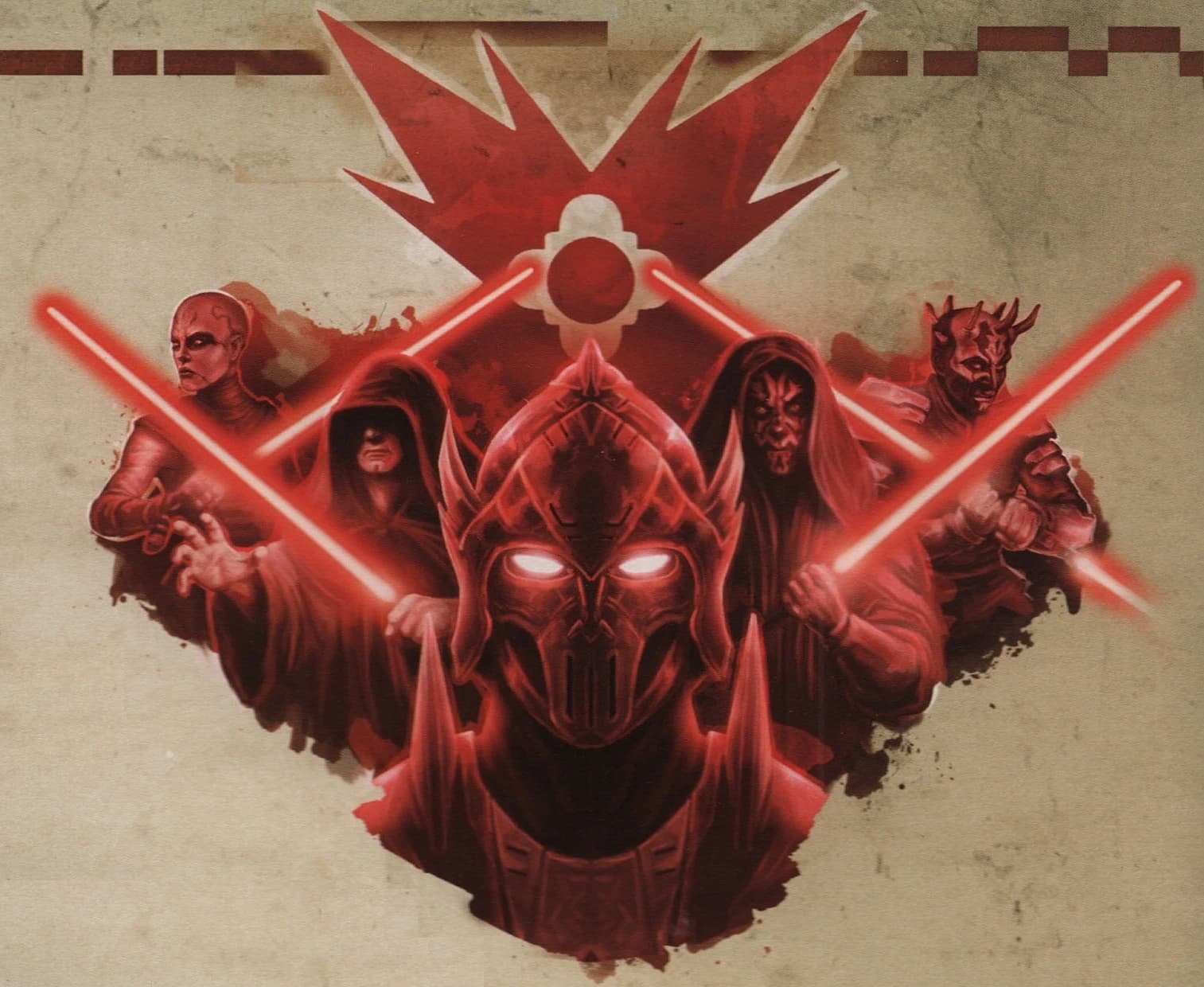
Sith
The Sith were an ancient religious order of Force-wielders devoted to the dark side, driven by hate, anger, and the pursuit of power. Born from a schism in the Jedi Order, they warred with their rivals for millennia, reached the height of their power under Darth Sidious, and were finally destroyed at the hands of Anakin Skywalker and Rey.
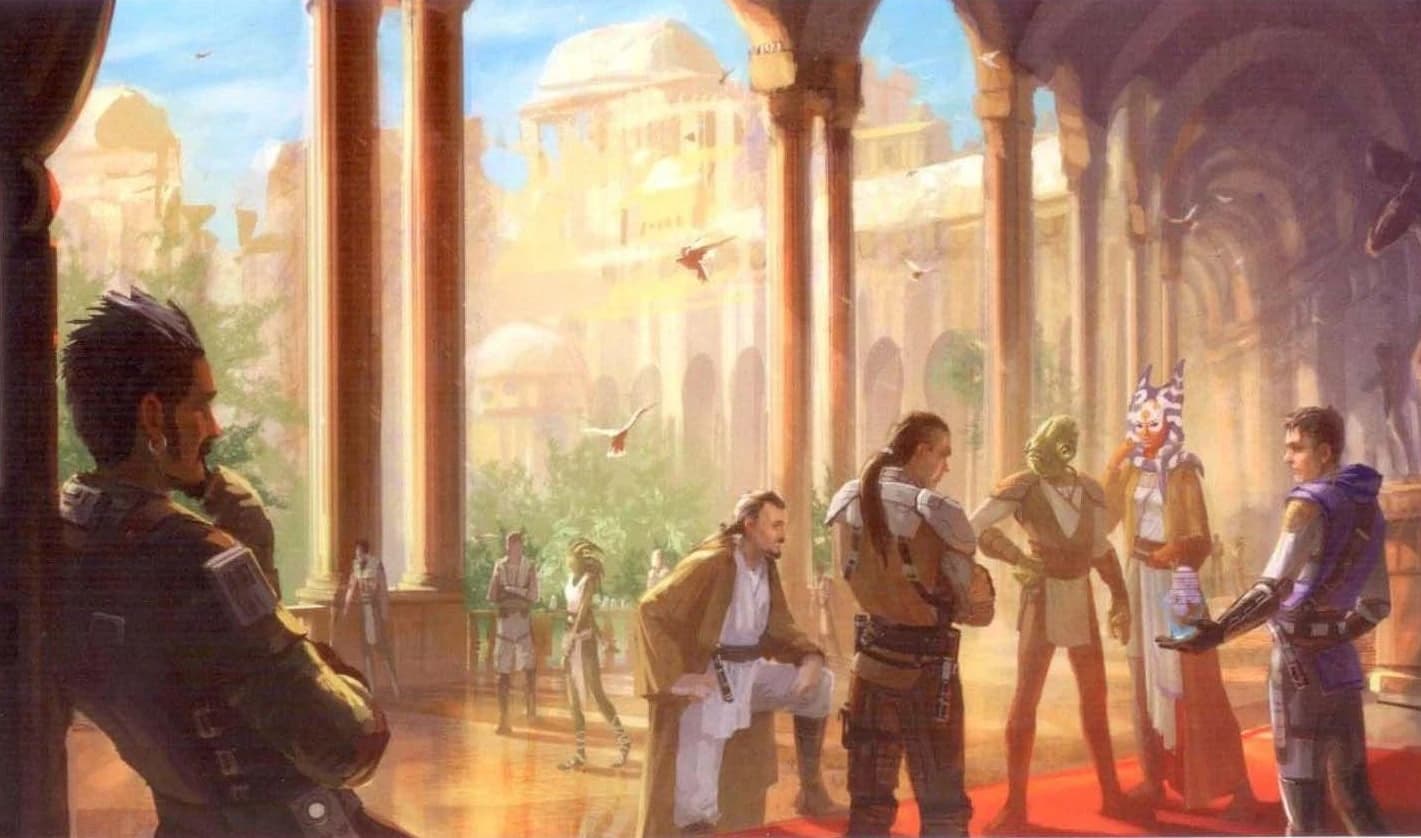
Jedi Order
The Jedi Order was a monastic, nontheistic religious order devoted to the light side of the Force, serving for over a thousand generations as the guardians of peace and justice in the Galactic Republic. Nearly annihilated by Order 66, the Order endured through scattered survivors and was rebuilt, however briefly, by Luke Skywalker.

Naboo
Naboo was a lush, pastoral planet in the Mid Rim shared by two peoples, the human Naboo and the amphibious Gungans. Birthplace of Sheev Palpatine and home of Padme Amidala, it was the site of a Trade Federation invasion that launched Palpatine toward supreme power.

Get new articles in your inbox
No spam. New lore drops, canon conflicts, and deep dives only when they’re worth reading.
Some links on Lore Fortress are affiliate links. If you buy through them we earn a small commission at no extra cost to you.