Windtrap: the water harvester of Arrakis
The windtrap was a facility on Arrakis built to reclaim the faint moisture of the night air and funnel it into great underground catchbasins. It sustained the sietch communities of the Fremen, served the terraforming program of Pardot Kynes, and calmed the water riots that greeted the arrival of House Atreides.
On the desert world of Arrakis, the windtrap was a facility designed to reclaim the moisture carried in the air and funnel it into large catchbasins for later use. Open water was almost unknown on the surface of the planet, and only small amounts of water vapor existed in its atmosphere, so the windtrap became one of the fundamental instruments by which life endured there at all. For the Fremen, whose entire culture rested upon the discipline of water, windtraps belonged to the same family of moisture reclaiming devices as the stillsuit and the stilltent, and no sietch was complete without them. In time the humble windtrap grew into something larger than a survival tool. It became the working engine of the Planetologist Pardot Kynes and his dream of a remade Arrakis, and a promise of new windtraps once quieted riots in the cities of the planet. (Dune; Dune (appendix))
The harvest of the night air#
The air of Arrakis was usually hot and dry, and by day it yielded nothing. At night, however, when the air cooled, some moisture would develop, and the winds of the planet carried that moisture across its surface. The windtrap was built to intercept this nightly traffic. Essentially a large air intake, it captured the moving air so that the moisture within could condense and be extracted. What the open sky surrendered only in traces, the windtrap gathered patiently, night after night, until the traces became a store. (Dune)
The water so reclaimed did not remain at the trap. It was funneled onward into catchbasins, large underground facilities dug for the storage of windtrap water. Within a catchbasin the water could be held effectively indefinitely with little loss, waiting until the tribe drew upon it for survival or for the slow work of terraforming. Water recovered from the deathstills, the devices that reclaimed the moisture of the dead, was incorporated into the same stores, so that the windtraps and the basins together formed a single system of hoarded life. On a world where vast reserves of water lay locked deep within the mountains and within the bodies of countless sandtrout, the windtrap was the one instrument that let men tap the thin wealth of the atmosphere itself. (Dune; Children of Dune)
A fixture of the sietch#
Windtraps were woven into the fabric of Fremen settlement. A sietch normally included windtraps among its essential works, alongside condensers, dew collectors, yalis, sietch schools, stillsuit shops, and the water basins that held the tribe's treasure. Sietch Tabr, the community of the Naib Stilgar, counted its windtrap among its places of note, in company with the great water basin and the deathstill. (Dune)
The desert people had not always possessed this art. The early Fremen learned it from the botanical testing stations, the scientific outposts scattered across Arrakis by the first Imperial prospectors and later abandoned. The stations provided the early Fremen with the knowledge and the equipment to build their own windtraps and secret palmeries, and from that inheritance the practice spread until every hidden community harvested its own air. The windtrap thus stood beside the stillsuit and the stilltent as one of the devices by which the Fremen closed the circle of their water, catching and keeping the humidity that the desert would otherwise have stolen away. (Dune; Dune (appendix))
The instrument of the umma#
The windtrap found its prophet in Pardot Kynes, the Imperial Planetologist sent to study Arrakis. Kynes saw in the patient arithmetic of trapped moisture the beginning of a planet remade, and his preaching of that vision among the Fremen brought him to the edge of death. When the elders sent the fighter Uliet against him with a consecrated knife, Kynes said "Remove yourself" to the man who stood before him, and went on talking about secret windtraps even as Uliet opened the range for his ceremonial blow. Uliet, in a riddling gesture perhaps moved by Kynes' visionary words, walked three paces and deliberately fell on his own knife. From that hour the Fremen hailed Kynes as an umma, a prophet, and his words about hidden windtraps became their labor. (Dune (appendix))
Kynes returned to his Imperial post directing the botanical testing station, bringing Fremen in as its personnel. Under the cover of his official work he stole tools such as cutterays, which his followers used to dig underground catchbasins and hidden windtraps and to collect water in the basins. Men, women, and children went wherever he ordered, and many died in the course of their missions, but the secret harvest grew. Kynes incorporated the windtraps into his terraforming program as one of its foundations, yet he had surmised that the water reclaimed from this system would not be enough on its own, and that a self-sustaining precipitation system would need to exist before Arrakis could truly change. As a result he began a plantation drive across the planet, setting rooted life to hold what the windtraps had gathered. The work outlived him, passing to his son Liet-Kynes, who carried the windtrap and catchbasin network forward as the quiet apparatus of the Fremen dream. (Dune; Dune (appendix))
The Atreides windtraps and the water riots#
The windtrap entered the politics of the Imperium when House Atreides received the fief of Arrakis. When the population of the planet learned of the large increase in population that Duke Leto Atreides I was bringing to Arrakis, water riots broke out, for every new mouth on that world was also a new drain upon its hoarded moisture. The riots stopped only after House Atreides announced that it would be installing new windtraps and condensers to counteract the increase. On Arrakis, the promise of more windtraps was the promise of life itself, and it proved enough to still an angry planet. (Dune)
Sources
- BookDune, Frank Herbert, Chilton Books, 1965
- BookDune (appendix), Frank Herbert, 1965; the appendices and Terminology of the Imperium printed with Dune
- BookChildren of Dune, Frank Herbert, G. P. Putnam's Sons, 1976
Spotted a factual error or a primary source we missed? Email a correction. Every flagged claim gets reviewed.
Followed from this entry
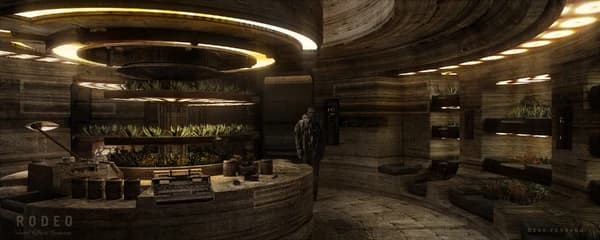
Botanical testing station: the forgotten laboratories of Arrakis
The botanical testing stations were scientific outposts on Arrakis. Pardot Kynes used his station to train Fremen and pass them the tools for hidden windtraps and catchbasins, and an abandoned one is where Duncan Idaho died holding off the Sardaukar in Dune.
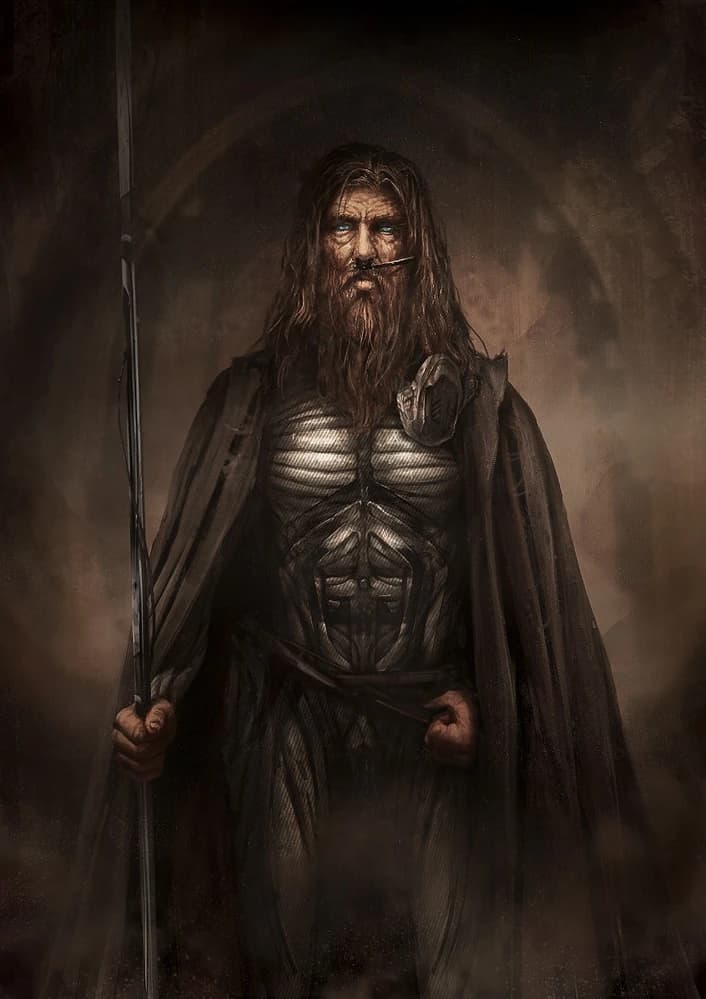
Stillsuit
The stillsuit was a full body garment worn in the open desert of Arrakis to reclaim and recycle the wearer's own moisture. Fremen-made suits were the finest, losing only a thimbleful of water a day and allowing survival in the deep desert for weeks.
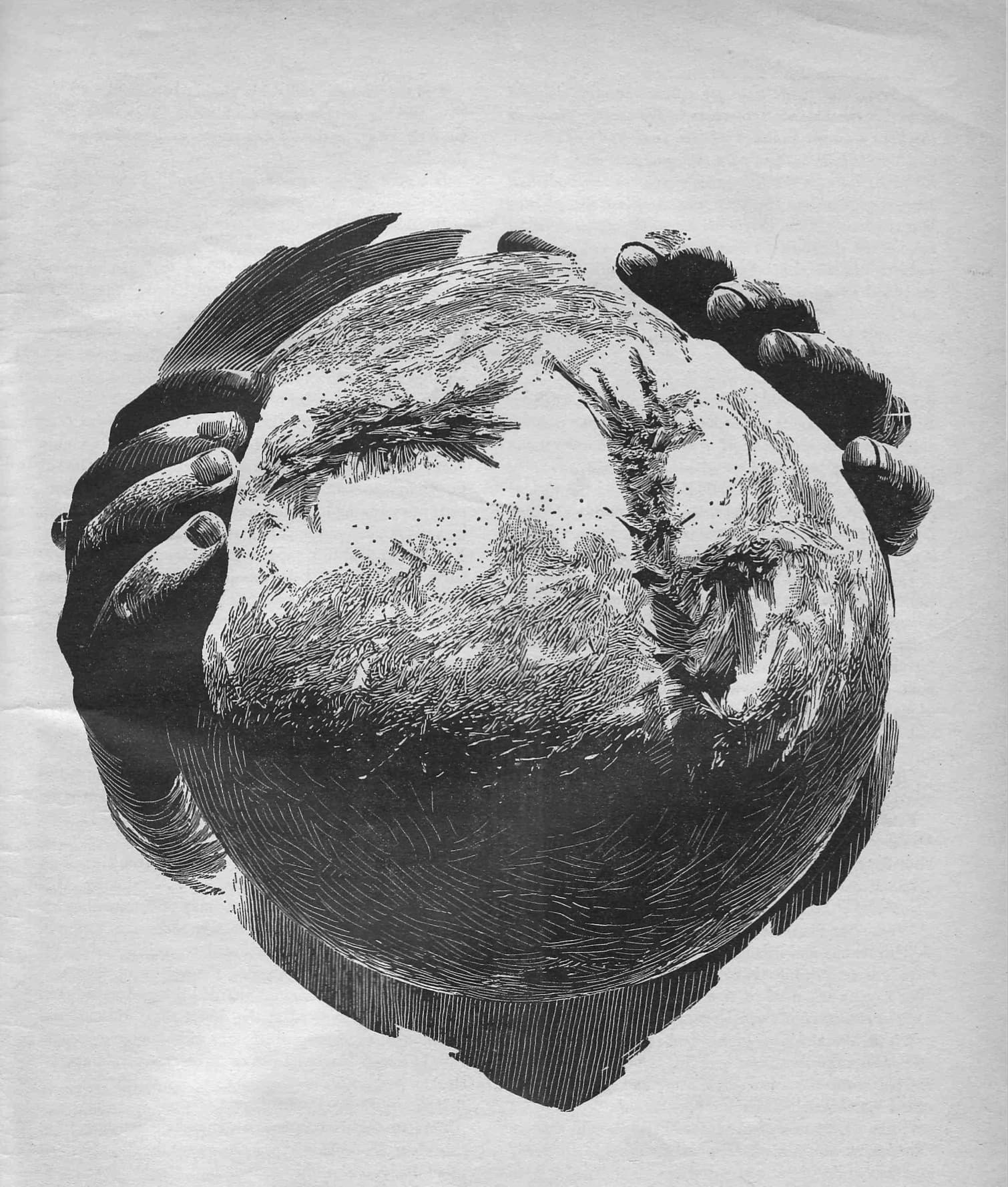
Arrakis
Arrakis, known as Dune and later as Rakis, was a harsh desert world in the Canopus system and the only natural source of the spice melange. Home to the Fremen and the sandworms, it became the seat of the Atreides empire and the center of the known universe.
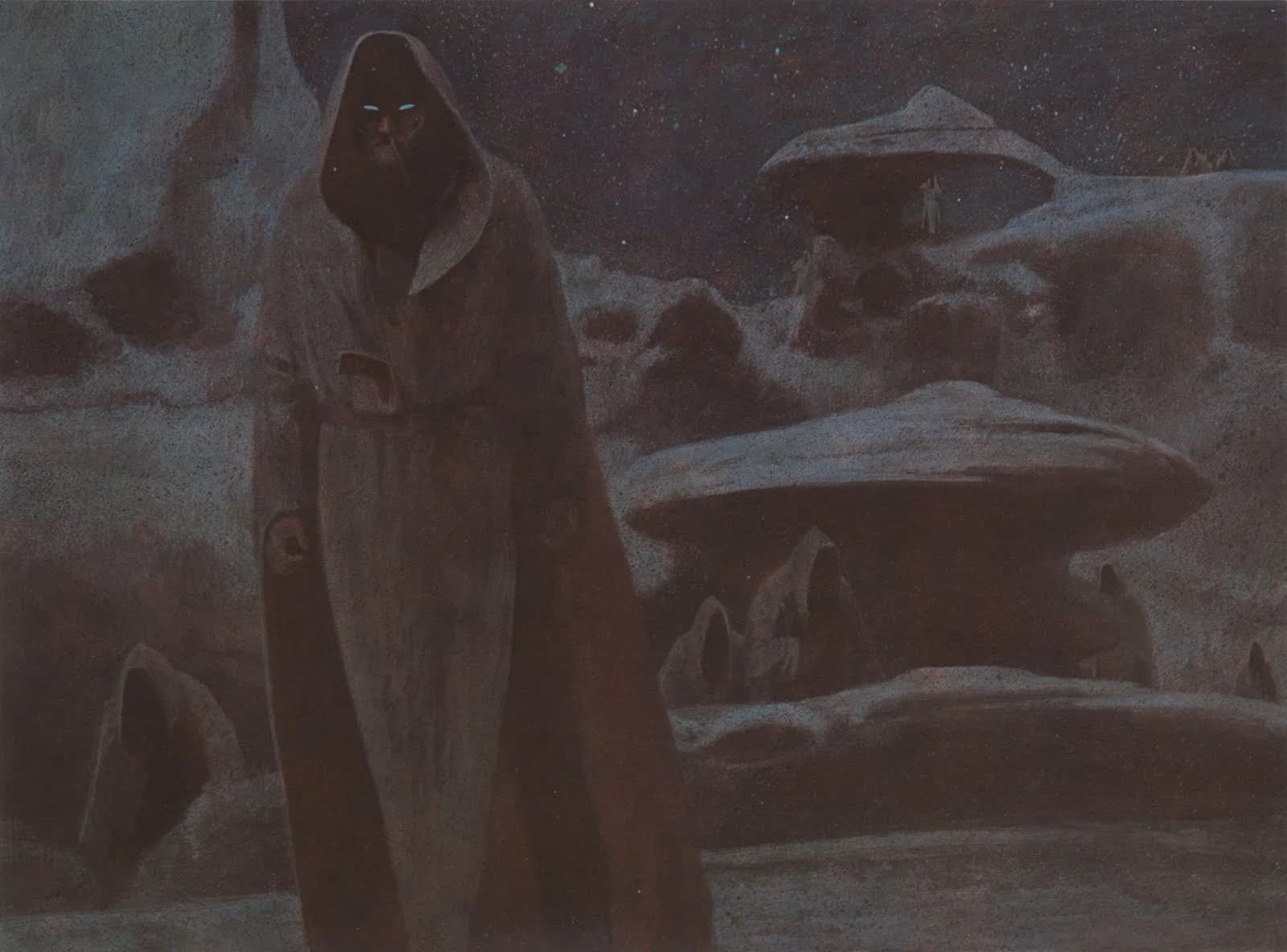
Fremen
The Fremen were a culture of humans descended from the Zensunni Wanderers who made the desert planet Arrakis their home. Hardened by water scarcity and generations of persecution, they became the finest fighters in the Known Universe and the foot soldiers of Paul Atreides and his jihad.
Liet-Kynes
Liet-Kynes was the Imperial planetologist of Arrakis, Judge of the Change, and the secret leader of the Fremen. He carried on his father's dream of greening the desert and died saving Paul and Jessica from the Harkonnens.

Pardot Kynes
Pardot Kynes was the Imperial Planetologist who first studied Arrakis, married into the Fremen, and gave them his dream of greening the desert. His vision of a transformed Dune would be carried on by his son Liet-Kynes.
Mentioned in1 entry
Get new articles in your inbox
No spam. New lore drops, canon conflicts, and deep dives only when they’re worth reading.
Some links on Lore Fortress are affiliate links. If you buy through them we earn a small commission at no extra cost to you.