Imposter Tyr
Odin in the guise of his own son
The Imposter Tyr was Odin disguised as his son, the Aesir God of War. Posing as the long lost Tyr that Kratos and Atreus freed in Svartalfheim, the All-Father infiltrated their circle to learn their plans and uncover the hidden prophecies of the Jotnar, holding the ruse until his temper betrayed him.
The Imposter Tyr, the "Tyr" that Kratos and Atreus freed in Svartalfheim, was in truth Odin in disguise. The All-Father posed as his own son, the Aesir God of War, as a means to infiltrate Kratos' circle of allies and learn their plans. The ruse unexpectedly led him to the secret prophecies the Jotnar had hidden in their shrines, and he held the disguise until a moment of anger, when he killed Brok, forced him to drop it. (God of War Ragnarök)
The prisoner of Svartalfheim#
As Fimbulwinter came to an end, Kratos and Atreus began a quest to find Tyr in the hope of preventing the prophecy of Ragnarok from coming to pass. Mimir told them that, though he had heard Tyr was dead, Odin seemed unusually anxious that he never be found. A secret uncovered in the shrine of Skoll and Hati led the pair to believe Tyr still lived, and with further clues Atreus pinpointed his location: Svartalfheim, home of the dwarves. (God of War Ragnarök)
There they discovered Tyr's prison in the mines and freed him, unaware that the figure they had found was Odin. The All-Father had already been posing as Tyr for a long time. Most of the Aesir and the dwarves of Svartalfheim believed the real Tyr was imprisoned in Asgard, and only a privileged few knew the truth, which let the disguise pass unquestioned. (God of War Ragnarök)
To strengthen the ruse, Odin pretended to be delirious and hallucinating, rambling that Kratos and Atreus were not real. When Kratos cut the noose from around his neck with one of the Blades of Chaos, the disguised Odin recognized the weapon and asked if Kratos meant to kill him, then fearfully backed away when Kratos said he had only come to free him. When Mimir spoke to help him recover his memory, the false Tyr feigned horror at the severed head and accused Kratos of killing him, then fled in pretended delusion with Atreus in pursuit. (God of War Ragnarök)
The ruse among allies#
The false Tyr crashed through a tunnel and was separated from Kratos and Mimir until Kratos regrouped and brought him to his senses, never realizing he was speaking to Odin. After an attack by the Einherjar in retaliation for the rescue, the group returned to Sindri's house. There Sindri offered to build Tyr a bed, but he chose to sleep in the broom closet, claiming it was the comfort of a small space after long imprisonment. In truth it was an opportunity to keep a raven hidden there as a spy, which let him travel to and from Asgard undetected. (God of War Ragnarök)
Throughout his time among them the false Tyr worked to steer the group from war and to sow division. He repeatedly advised Kratos against attacking Asgard, feigning concern for the innocents who would suffer no matter who won. In Alfheim, as the group learned more of the true prophecy, Odin realized that the knowledge he had held of Ragnarok was incomplete, and he hid his distress behind a show of anger over a slain Light Elf. He insisted he could not lead the armies of the other realms against Asgard, holding to a pacifist's stance. (God of War Ragnarök)
His true nature surfaced in small ways. He called Freya by the name Frigg and raised the matter of Baldur's death, working to set her against Kratos. He named Atreus "Champion," driving a wedge between father and son so the boy would be more inclined to seek out Odin in Asgard. He spoke of Atreus one day giving them eyes inside the enemy's inner sanctum. He also disparaged Freyr over the ruin of Alfheim, a view Mimir found strange and pointed out as unfair. (God of War Ragnarök)
The reveal#
After Atreus returned from Niflheim with the completed Mask of Creation, the false Tyr abruptly changed course and declared he would lead the charge against Asgard. He took the mask and claimed there was another way into Asgard that could not be reached from the Mystic Gateway. When Brok demanded he reveal it, Tyr said he must first gather his belongings. (God of War Ragnarök)
Brok had already grown suspicious. The man owned nothing in the house, and he had once referred to Atreus as Loki, a name he had not used before. The dwarf kept pressing over the supposed route, and the constant provoking caused the false Tyr to lose his temper. He stabbed Brok in the chest, critically wounding him. (God of War Ragnarök)
It was here that the disguise fell away and Tyr was revealed to be Odin. The All-Father proclaimed that with Brok's death he was even with the group for the death of Heimdall. He failed to reclaim the Mask of Creation and made his escape, but not before declaring war on the realms. Kratos, Freya, Freyr, and Atreus realized at last that the Tyr who had been among them was an imposter. Mimir could not believe how easily they had been fooled, and understood that the imposter had been traveling continually to and from Asgard by means of a raven hidden in the broom closet, which a single glance inside would have exposed. (God of War Ragnarök)
Personality and the true Tyr#
Because he was Odin in disguise, the false Tyr's manner was what the All-Father imagined Tyr to be: a pacifist and a coward. He presented himself as a shadow of the man he imitated, as though years of imprisonment had drained the warrior's spirit from him, likely because his own fighting style would have given him away at once. His act was so effective, with others granting him space out of pity and respect for the real Tyr, that he moved among them and to and from Asgard undetected. (God of War Ragnarök)
Yet glimpses of Odin emerged from behind the mask. He held high standards of cuisine and was disgusted by Brok's cooking, despite having asked only for plain hardtack. Above all he carried Odin's short temper and superiority, talking down to those around him, and it was that temper that finally broke his cover. Mimir judged the whole impersonation a cruel mockery of everything the real Tyr had aspired to and believed in. (God of War Ragnarök)
After Odin's death and the destruction of Asgard, a fragment of it containing a prison came to rest in Niflheim. Within it Kratos and his allies found the true Tyr, who had been imprisoned for a long time. Though Kratos wondered whether even this Tyr was real, Mimir assured him that with Odin dead the god they had now found was genuine. (God of War Ragnarök)
Frequently asked questions
- Who was the Imposter Tyr in God of War Ragnarok?
- The Imposter Tyr was Odin, the All-Father, disguised as his own son Tyr, the Aesir God of War. The Tyr that Kratos and Atreus freed from a prison in Svartalfheim was not the true god but Odin wearing his likeness, a ruse he used to slip into Kratos' circle of allies and learn what they were planning.
- Why did Odin pose as Tyr?
- Odin posed as Tyr to infiltrate Kratos and Atreus and discover how they intended to defeat him. The deception also led him to the secret prophecies the Jotnar had hidden in their shrines, and he used the false Tyr to steer the group away from war and to plant doubt and discord among them.
- How was the Imposter Tyr exposed?
- Brok grew suspicious because the supposed Tyr owned no possessions and once called Atreus by the name Loki. When Brok kept pressing him over a claimed secret route into Asgard, Odin lost his temper and stabbed Brok in the chest, dropping the disguise and revealing himself before declaring war on the realms.
- What gave away the Imposter Tyr before the reveal?
- He referred to Freya as Frigg and to Atreus as Loki and Champion, advised against war with Asgard at every turn, refused a spear and called it a walking stick, and reacted with Odin's short temper and superiority. He also slipped to and from Asgard using a raven he had hidden in Sindri's broom closet.
- What happened to the real Tyr?
- After Odin's death and the fall of Asgard, a fragment of the realm holding a prison came to rest in Niflheim. Within it Kratos and his allies found the true Tyr, who had been imprisoned all along. Mimir confirmed that with Odin dead the god they had now found was genuine.
Sources
- GameGod of War Ragnarök, Santa Monica Studio, 2022
Spotted a factual error or a primary source we missed? Email a correction. Every flagged claim gets reviewed.
Followed from this entry
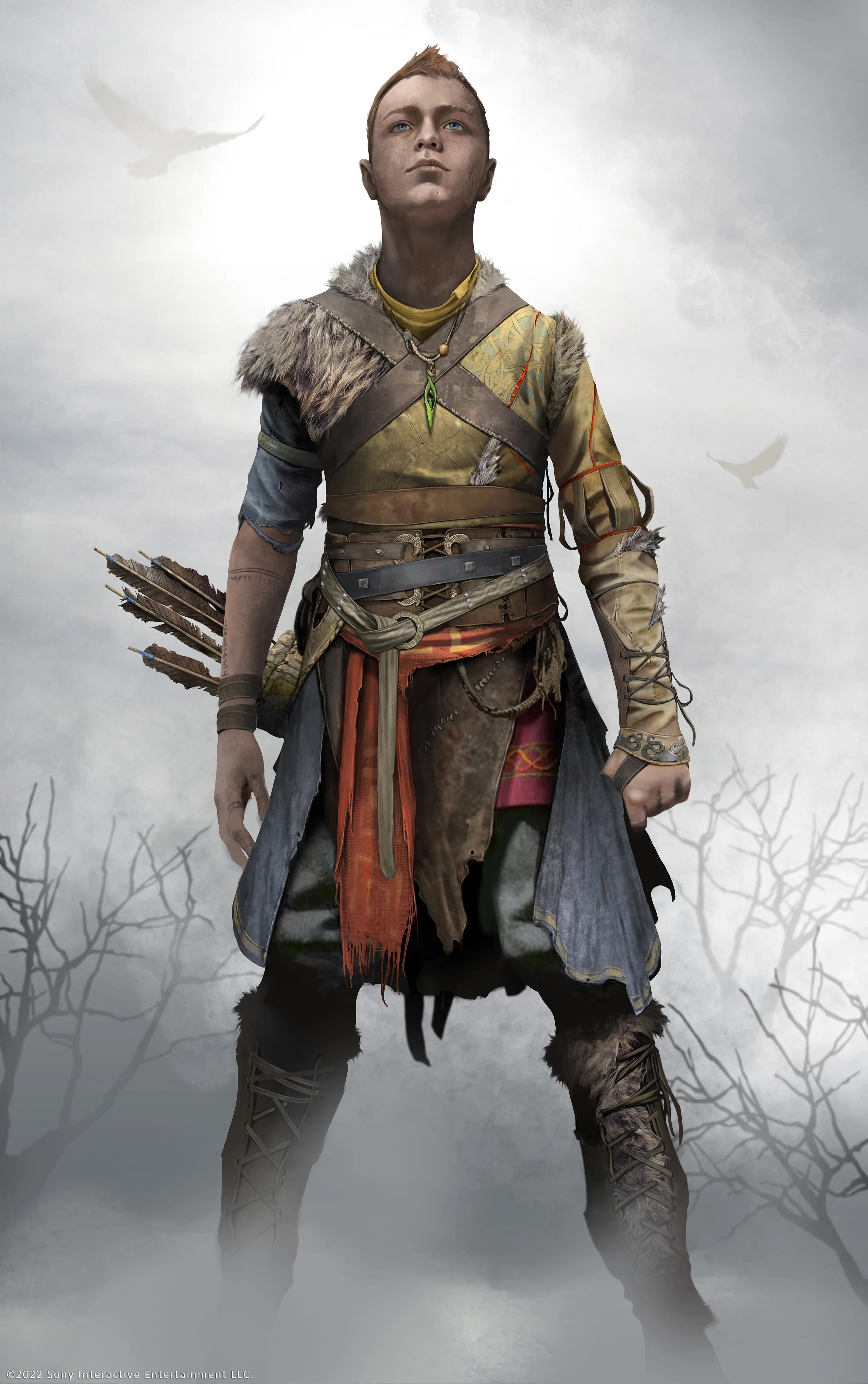
Atreus (Loki): Kratos's Son and the Truth of His Name
Atreus was the son of Kratos and the Jotunn Faye, born in Midgard and given the hidden name Loki. Across two great journeys he grew from a sickly boy into the prophesied champion of the Giants, the god of mischief whose fate was bound to Ragnarok.
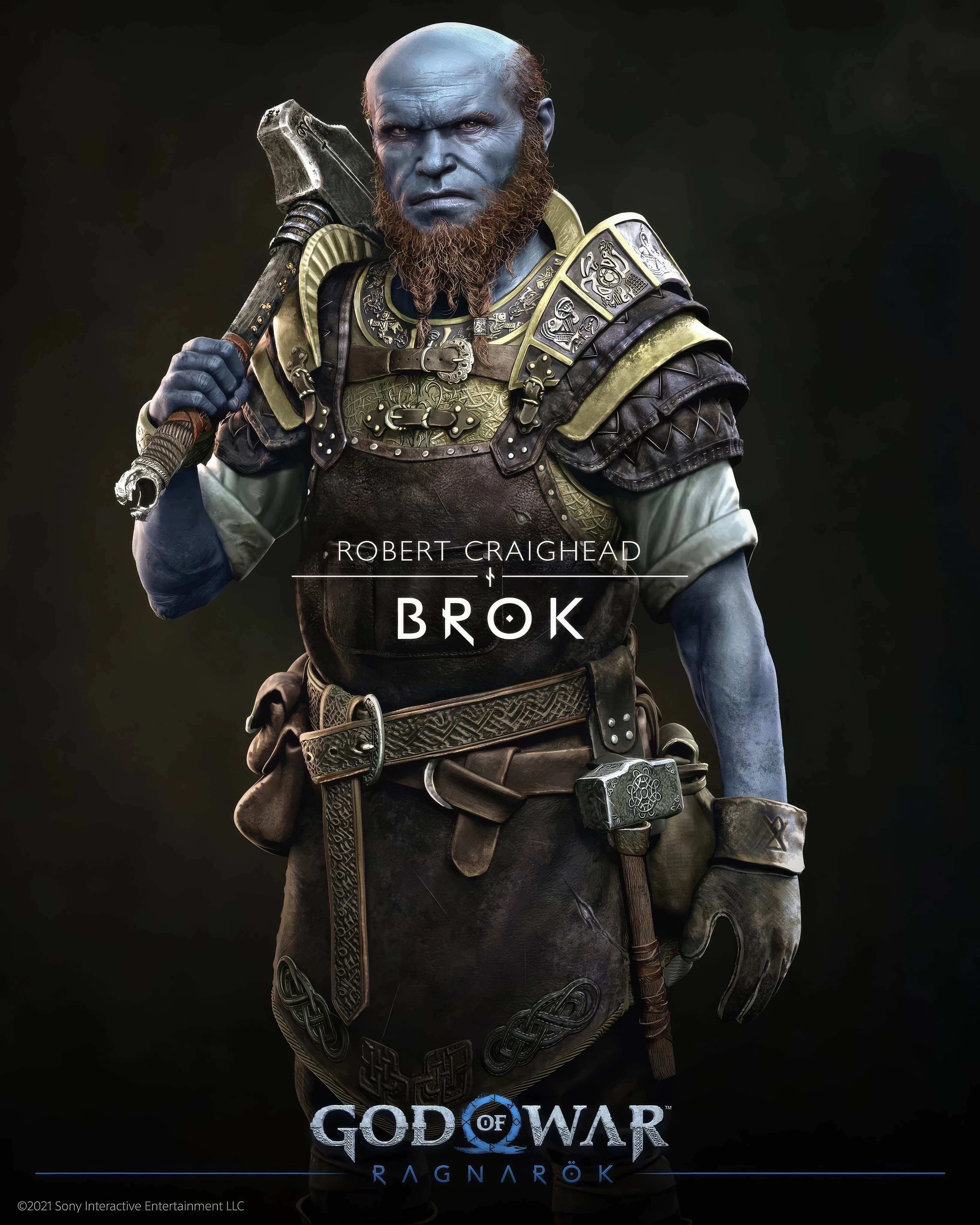
Brok: the Huldra brother Odin murdered
Brok forged Mjolnir and the Leviathan Axe with his brother Sindri. Killed once and revived with an incomplete soul, he was stabbed by Odin disguised as Tyr.
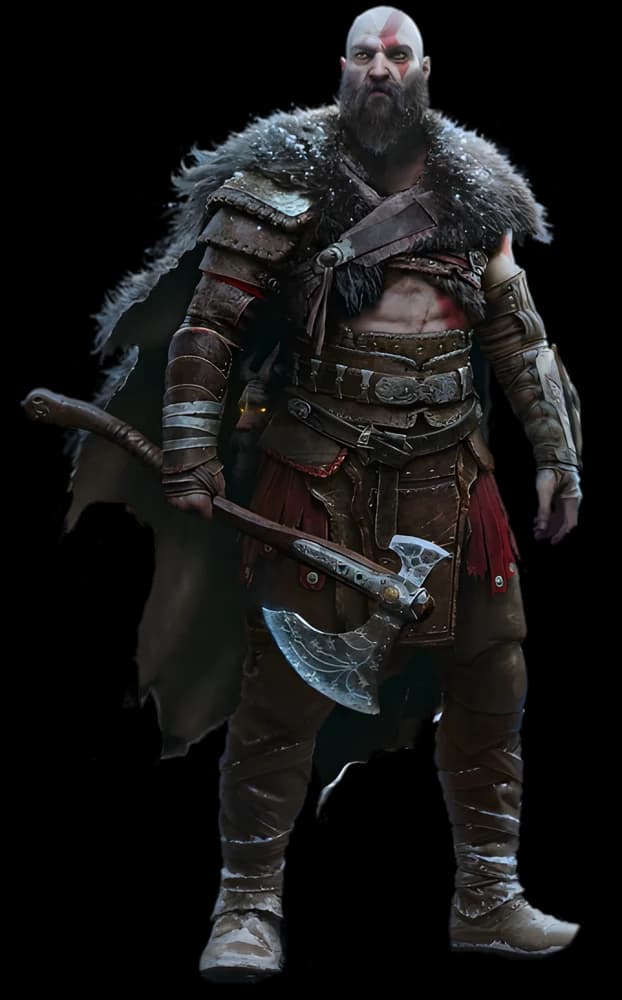
Kratos
Kratos was the demigod son of Zeus who rose from a Spartan general to the Greek God of War, destroyed the pantheon of Olympus in a quest for vengeance, and then began again in the Norse realms as a father seeking to leave his bloody past behind.
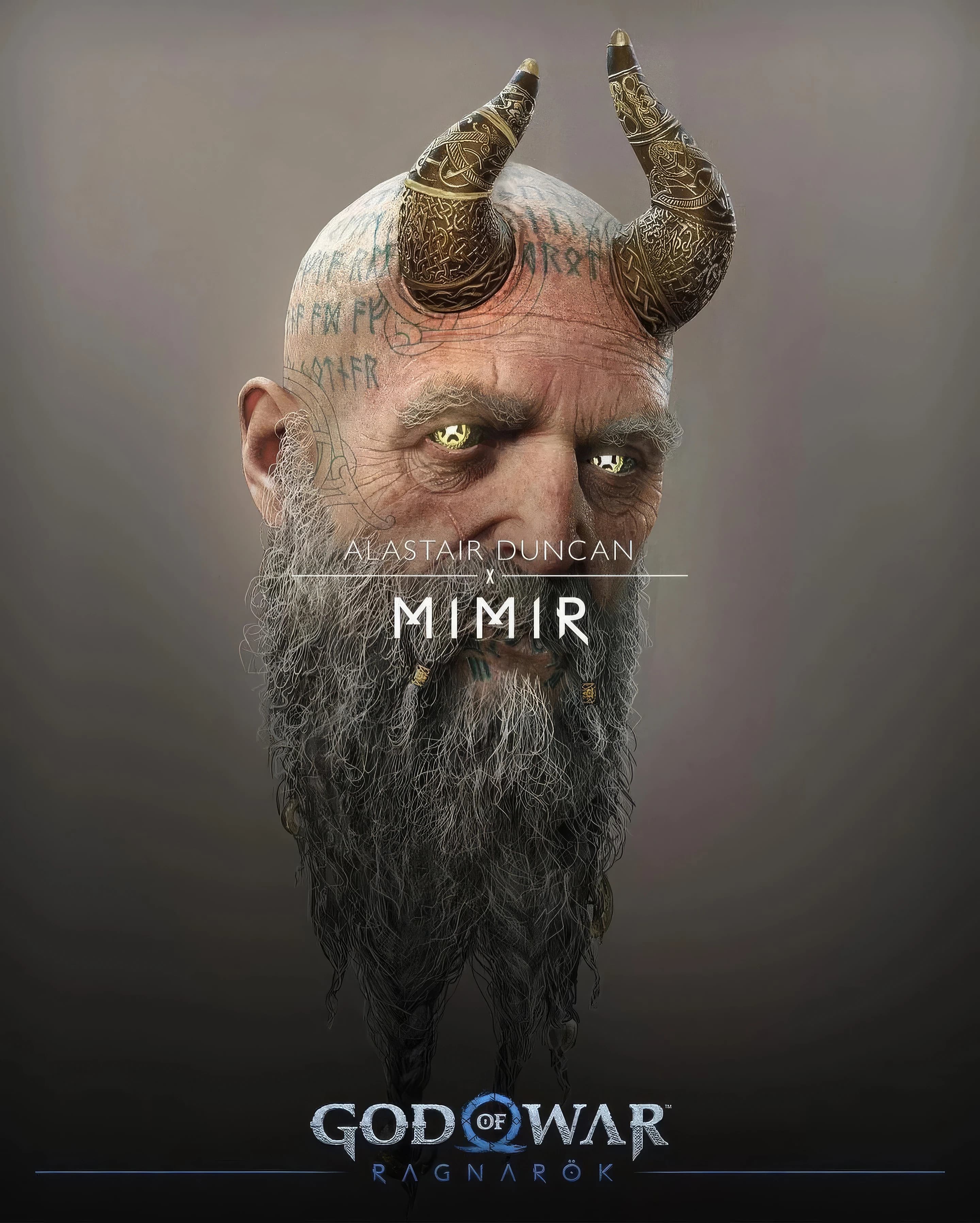
Mimir
Mimir was a Celtic fae who rose to become Odin's advisor and the ambassador of the Aesir before the All-Father imprisoned him for over a century. Freed and reanimated as a disembodied head by Kratos and Atreus, he became their guide, conscience, and friend across the Nine Realms.

Sindri: the dwarf who destroyed Odin's soul
Sindri devised Mjolnir and dived into the Lake of Souls to bring his brother Brok back. After Odin murdered Brok, Sindri destroyed Odin's soul at Ragnarok.
God of War Ragnarök Ending Explained: the Full Story and What It Means
The whole plot of God of War Ragnarök in order, then the ending explained. Odin is destroyed, Thor and Freyr die, Asgard falls, Kratos survives the prophecy, and Atreus leaves to find the last of the giants.
Get new articles in your inbox
No spam. New lore drops, canon conflicts, and deep dives only when they’re worth reading.
Some links on Lore Fortress are affiliate links. If you buy through them we earn a small commission at no extra cost to you.