Kratos' Throne Room: the seat of the God of War
Kratos' Throne Room was the chamber on Mount Olympus from which the God of War watched over every conflict in Greece. First the hall of Ares, it passed to Kratos for the years of his reign, and its throne returned to him long afterward in Valhalla as the symbol of an office he had to decide whether to reclaim.
Kratos' Throne Room was the chamber on Mount Olympus where the God of War reigned, keeping watch over every conflict in the Greek homeland. The hall and its throne belonged first to Ares, son of Zeus and Hera, and so in those days it was known as Ares' Throne Room. When Kratos slew its master and was raised to the vacant godhood by Athena, the chamber passed to the Spartan, and from its throne he reigned as the new God of War until the betrayals of Olympus turned him against the mountain itself. Yet the throne did not end with Greece. Ages later, within Valhalla, it appeared before Kratos once more, no longer a seat of stone on a mountain but a question about what the office of a war god was, and what the man who sat in it might make of it. (God of War (2005); God of War II; God of War Ragnarök: Valhalla)
The chamber of Ares#
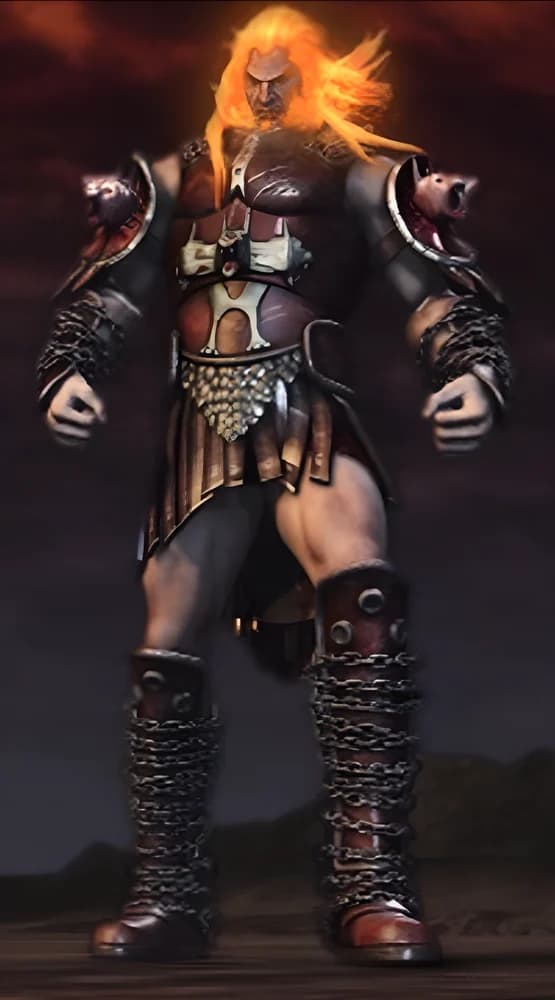
The throne room stood among the high chambers of Mount Olympus, counted alongside the halls of the other gods, Zeus' own throne room among them. It was the appointed seat of the God of War, and whoever held that office reigned from this chamber and watched from it over all the conflicts of the Greek homeland. For long ages that god was Ares, son of Zeus and Hera, and the hall bore his name and his likeness. His tenure ended when the servant he had wronged most grievously rose against him. Kratos of Sparta, the Ghost of Sparta whom Ares had tricked into slaughtering his own family, killed the god of war, and the throne room stood empty of a master. (God of War (2005))
Trophies of a new god#
Athena granted Ares' vacant place to Kratos, and the Spartan took the dead god's chamber for his own. The hall he inherited was hung with reminders of the ordeals he had survived on the road to godhood. A statue of Ares stood at one side of the throne and a statue of Pandora's Guardian at the other, while the head and skin of the Hydra were mounted above and behind the seat. These monuments recalled the most fearsome enemies Kratos had faced in becoming the new God of War, kept before him as a soldier keeps his scars. Braziers burned within the hall, and a stranger account attached itself to the chamber besides: it was said that a hidden room lay within the throne room that held the soul of Ares himself, invisible to every eye but Kratos' own. (God of War (2005))
The throne above Greece#
The throne itself served as Kratos' vantage over all of Greece. From it he directed and observed the wars of his office, and from it he watched the Siege of Rhodes, the campaign in which the armies of Sparta marched on the city of Rhodes. He did not keep vigil alone. The concubines Zora and Lora attended him at the throne, and by the time of the siege the seat had taken on the character of its new master. Its arms had been remade into demonic faces with curling horns, and the skulls of fallen foes decorated it, tokens of a reign that had grown darker with each year. (God of War II)
The chamber changed as its master did. In the course of his reign the throne room was remade more than once. The statues of Ares and Pandora's Guardian and the mounted Hydra were removed in time, and the hall was rebuilt on a far grander scale, refashioned to suit Kratos' own personality. In that later form it held a place where Kratos kept much of his weaponry and the relics and treasures he had gathered in his campaigns, so that the chamber became as much an armory of his conquests as a seat of office. A replica of the throne also stood within the Temple of Ares, an echo of the chamber's first master preserved in his old cult. The throne room's history as a living hall ended with Olympus itself, wrecked in the war Kratos waged against the gods after Zeus betrayed him at Rhodes. (God of War: Ghost of Sparta; God of War II; God of War III)
A seat of monsters#
The throne returned to Kratos long after Greece had fallen, in the Norse lands and in another life. After the death of Odin, Freya proposed a council dedicated to peace, meant to replace the warmongering ways of Odin's reign as the "All-Father", and she asked Kratos to take up the office of God of War in its service. Within Valhalla, where Kratos had gone to master himself, his old Greek throne appeared before him as the emblem of that proposition. He rejected it at first, calling it a "seat of monsters". To Kratos the throne was the perfect symbol of what he had been after he stole the office from Ares, the lowest point of his life as an Olympian, and he wanted nothing of it. (God of War Ragnarök: Valhalla)
Mimir and Tyr counseled him otherwise. The throne, they told him, was a matter of perspective. The seat and the office were only ever as much as the occupant brought to them, and a symbol ought not to be rejected or destroyed but reclaimed and redefined. The throne of the God of War had held a monster once because a monster had sat in it. It did not follow that it could hold nothing else. (God of War Ragnarök: Valhalla)
The throne reclaimed#
At the end of his journey of self-discovery in Valhalla, Kratos came face to face with his younger self, the young god of war seated upon the old throne, and spoke with him. In that meeting he accepted his past rather than fleeing it. When it was done, the Greek throne was gone, and in its place stood an old tattered throne. Upon that seat Kratos sat, accepting Freya's offer and taking up the mantle of God of War of the Norse lands, the office he had once disgraced now redefined by the man who claimed it. (God of War Ragnarök: Valhalla)
Sources
- GameGod of War (2005), Santa Monica Studio, 2005
- GameGod of War II, Santa Monica Studio, 2007
- GameGod of War III, Santa Monica Studio, 2010
- GameGod of War: Ghost of Sparta, Ready at Dawn, 2010
- GameGod of War Ragnarök: Valhalla, Santa Monica Studio, 2023
Spotted a factual error or a primary source we missed? Email a correction. Every flagged claim gets reviewed.
Followed from this entry
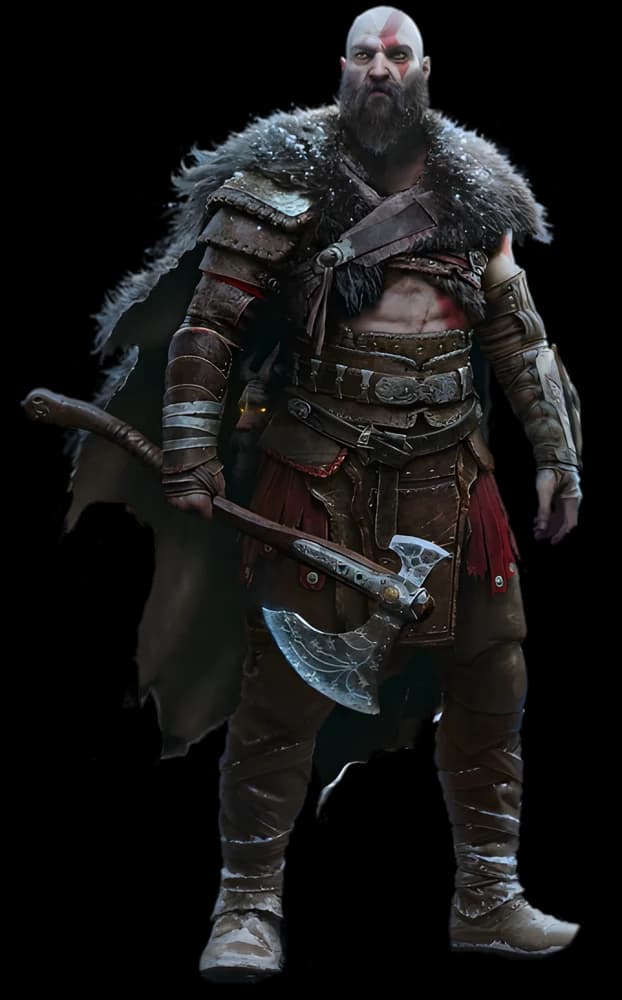
Kratos
Kratos was the demigod son of Zeus who rose from a Spartan general to the Greek God of War, destroyed the pantheon of Olympus in a quest for vengeance, and then began again in the Norse realms as a father seeking to leave his bloody past behind.
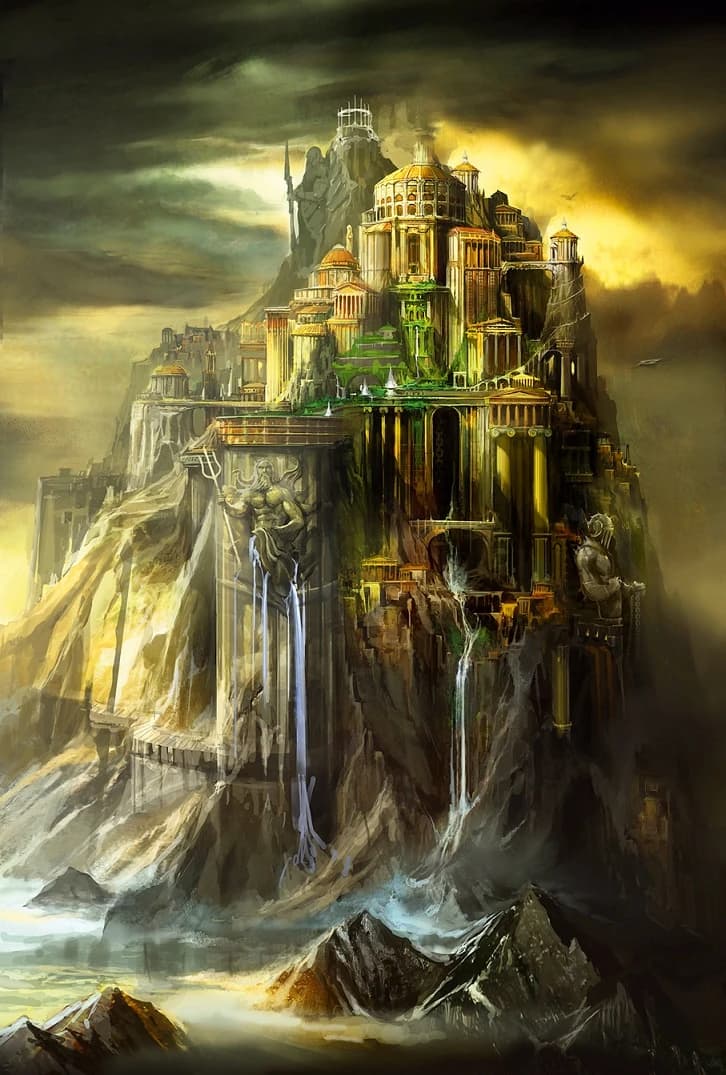
Mount Olympus: Zeus' seat, torn down
The golden mountain became the seat of the gods after the first Titanomachy, and none but a god could set foot on it. Kratos brought the whole thing down.
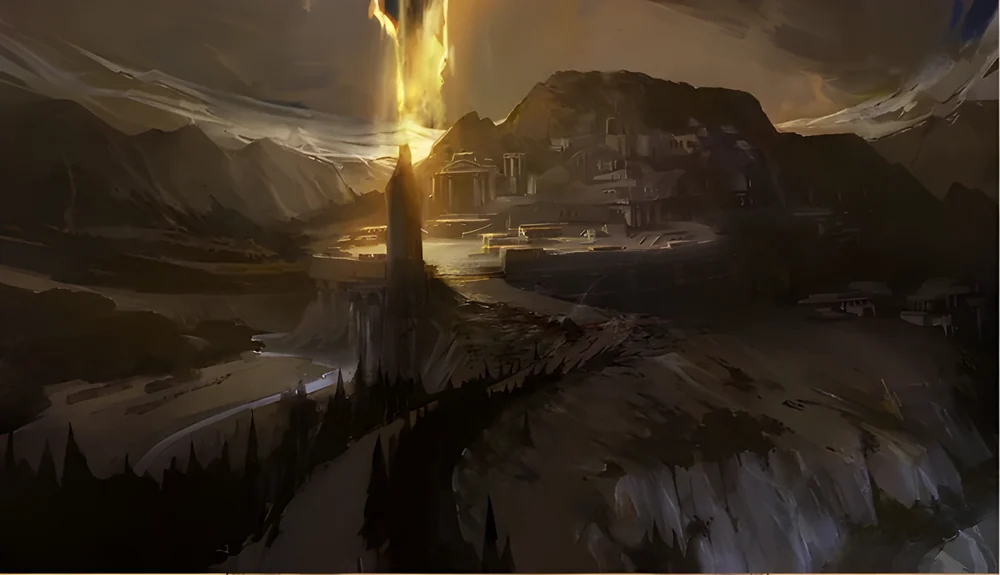
Sparta: Kratos' city, razed by Zeus
Sparta raised Kratos, worshipped Ares, then took Kratos himself as its patron god. Zeus destroyed the city in revenge for the Spartan's defiance.
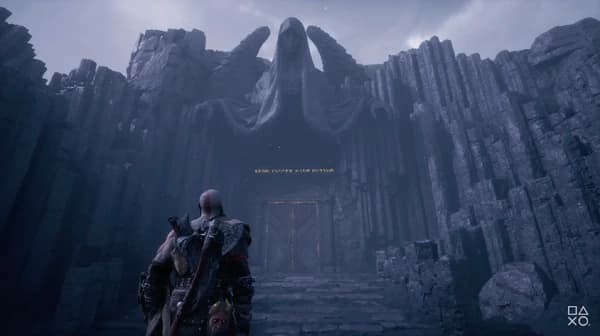
Valhalla: the hall older than Odin himself
Valhalla was the golden hall where the Valkyries brought the honoured dead. It was not Odin's creation but a primordial force that tested every soul.

How Did Kratos Become the God of War?
Kratos became the God of War by killing the last one. After ten years serving Olympus, he used Pandora's Box to grow to a god's size, killed Ares with the Blade of the Gods, and was given his empty throne. Decades later he took the title again in the north.
Ares: the god who made Kratos a killer
Ares tricked Kratos into slaughtering his own wife and daughter to bind him as a weapon. Kratos killed him at Athens and took his place as God of War.
Mentioned in1 entry
Get new articles in your inbox
No spam. New lore drops, canon conflicts, and deep dives only when they’re worth reading.
Some links on Lore Fortress are affiliate links. If you buy through them we earn a small commission at no extra cost to you.