What Was It Like To Be Hit By A Blaster Bolt?
A blaster bolt is a packet of high energy plasma, and it does two things at once. It burns and melts through what it hits, and its concussive force can rupture organs and break bone around the wound. It hurts in ways a bullet does not.
Violent, and strange. A blaster bolt is a packet of high energy plasma, so it does not punch through you like a bullet. It burns and melts through what it hits, and it also carries a concussive punch that can rupture organs and break bone beyond the burn itself. (Star Wars: The Force Awakens: Incredible Cross-Sections; Star Wars Databank: Blasters)
A bolt is not a bullet#
The important thing to fix in your head first is that nothing solid hits you.
A blaster bolt is a contained packet of high energy plasma. There is no lump of metal transferring momentum, no fragmentation, none of the mechanics a slugthrower relies on. (Star Wars: The Force Awakens: Incredible Cross-Sections) That difference is a big part of why the galaxy standardised on blasters in the first place, and we have covered that argument in more detail elsewhere.
The galaxy fields an enormous variety of blasters, from hold-out pistols to heavy repeaters, and the bolts they throw vary in power and profile. What happens to a body on the receiving end is broadly the same in every case. Only the scale changes. (Star Wars Databank: Blasters)
The instant of impact#
The bolt hits the target's body, and the first thing that matters is heat.
Official descriptions have blaster bolts piercing and melting through whatever they strike. That is a burn more than a tear, and the wound it leaves is usually scorched rather than ragged. (Star Wars: The Force Awakens: Incredible Cross-Sections)
That detail changes the whole character of the injury. Somebody shot with a blaster often goes down with a scorched hole rather than in a spreading pool of blood, which is why a hit can look survivable from a distance when it is nothing of the sort. It isn't a rule, mind. Depending on what it strikes, a bolt can cause bleeding instead of burning, or both. (Star Wars Databank: Blasters)
The part you cannot see#
Under the burn, things can be considerably worse.
Blaster bolts can deliver a concussive force on impact, and how much damage it does around the wound depends on how hard and dense the target is. (Star Wars Databank: Blasters)
That shock does not respect the narrow channel the plasma cut. It can rupture organs and break bone, and armour can make it worse rather than better, which is how a shot that appears to have caught someone in a survivable spot ends up killing them. (Star Wars Databank: Blasters)
So the honest answer to what it feels like is that there are two injuries happening at once. There is the burn, which is immediate and specific and dreadful. And there is the impact, which is diffuse and internal and can do most of the actual killing. (Star Wars Databank: Blasters)
Why deflection became a whole discipline#
The Jedi response to this is worth mentioning, because it tells you how seriously the galaxy took blasters.
Form III, Soresu, was developed specifically because blasters had become the dominant weapon and the older lightsaber forms could not answer them. Shii-Cho techniques were built for melee and did not translate. Makashi had nothing suitable at all. Soresu was designed around a blade's ability to deflect bolts and, with enough practice, reflect them back at the shooter, and it is built on tight controlled movement because any wasted motion opens a gap a bolt can slip through. (Knights of Fate)
That is an entire combat philosophy constructed around not being hit by one of these. It puts the injury in perspective. (Knights of Fate)
There is a second half to it that is easy to skip past. Soresu does not only stop bolts, it sends them back. Reflecting a shot at the person who fired it was one of the major breakthroughs in lightsaber combat during the era of blaster supremacy, and it became the main way a Form III fighter damaged anyone. Which means some blaster casualties in the galaxy were shot by themselves, at their own chosen power setting, from whatever range they thought was safe. (Knights of Fate)
Surviving one#
People do survive blaster wounds regularly, and the reason is bacta. (Bloodline)
Bacta is a thick gelatinous substance with near miraculous regenerative properties, made from kavam and alazhi bacteria mixed with ambori fluid. It helps the body regrow tissue including nerves, skin and muscle, and it works on exactly the injuries a blaster produces: burns, concussions, damage to internal organs, broken ribs. (Star Wars: Absolutely Everything You Need to Know; Ultimate Star Wars, New Edition; Bloodline)
It is not a pleasant treatment. Bacta sits somewhere between liquid and slime, and most patients submerged in it feel as though they are being swallowed alive, which is why doctors sedate them first. The drugs and the fluid together tend to produce a drifting, half-meditative state that patients describe as being somewhere else entirely, and a few compare it to being back in the womb. Most stay conscious throughout. Coming out is the worst part, and people generally feel rougher for a few days afterwards than they did going in. (Battlefront: Twilight Company)
Given the alternative, most people take the tank. (Battlefront: Twilight Company)
The short version#
Getting shot by a blaster is not one injury, it is two arriving together. A burn that melts through tissue outright. And a concussive shock that can rupture organs and break bone the burn never touched. (Star Wars: The Force Awakens: Incredible Cross-Sections; Star Wars Databank: Blasters)
The scorched wound is the detail that sticks. A weapon that sears what it hits sounds almost merciful until you work out what the impact may have done underneath. Whoever is looking at you afterwards will see a small scorched hole and think you got lucky. (Star Wars Databank: Blasters)
Frequently asked questions
- Why do blaster wounds not bleed much?
- Many don't, because the bolt burns and melts through what it hits, which often leaves a scorched wound rather than heavy external blood loss. It isn't a rule, though. Depending on what it hits, a bolt can cause bleeding instead of burning, or both.
- Are different blaster bolts more dangerous than others?
- There are various bolt types across different weapons, but the effect on a body is broadly the same. A burn and a concussive shock, scaled up or down by the power behind the shot.
- How do people survive being shot by a blaster?
- Placement and medical care. A limb hit that misses anything vital is survivable, and bacta does the rest, since it regenerates nerves, skin and muscle and can treat internal organ damage and broken ribs.
- Why is internal damage the real problem?
- Because a burn on the surface can hide it. A bolt can deliver a concussive force on impact that ruptures organs and breaks bone around the wound, especially if the target is wearing armour.
Sources
- BookStar Wars: The Force Awakens: Incredible Cross-Sections, Jason Fry, DK, 2015
- WebStar Wars Databank: Blasters, Lucasfilm, StarWars.com
- BookKnights of Fate, Star Wars: Force and Destiny sourcebook, Fantasy Flight Games, 2018
- BookBattlefront: Twilight Company, Alexander Freed, Del Rey, 2015
- BookBloodline, Claudia Gray, Del Rey, 2016
- BookStar Wars: Absolutely Everything You Need to Know, DK, 2017
- BookUltimate Star Wars, New Edition, DK, 2019
Spotted a factual error or a primary source we missed? Email a correction. Every flagged claim gets reviewed.
Followed from this entry
Why Do People In Star Wars Use Blasters Instead Of Guns?
Blasters won on logistics and stopping power. A single small gas canister feeds hundreds of shots, ammunition is cheap and light to carry, and bullets simply were not powerful enough. Even low grade armour that blasters cut through would reliably stop a slug.
Jedi Order
The Jedi Order was a monastic, nontheistic religious order devoted to the light side of the Force, serving for over a thousand generations as the guardians of peace and justice in the Galactic Republic. Nearly annihilated by Order 66, the Order endured through scattered survivors and was rebuilt, however briefly, by Luke Skywalker.
Also in Questions
What Happened to Anakin's Lightsaber?
Obi-Wan took it from Anakin on Mustafar, gave it to Luke on Tatooine, and Luke lost it at Cloud City. It turned up decades later in Maz Kanata's castle, passed to Rey, broke, was mended, and was finally buried on Tatooine. Here is the whole trail, film by film.
Could The US Military Defeat One Imperial Star Destroyer?
If the Star Destroyer were foolish enough to fly into Earth's atmosphere, the US military would probably win. Nuclear missiles could break its shields and blow it apart. The Empire would never fight that way, though. It would sit in orbit and run a Base Delta Zero.
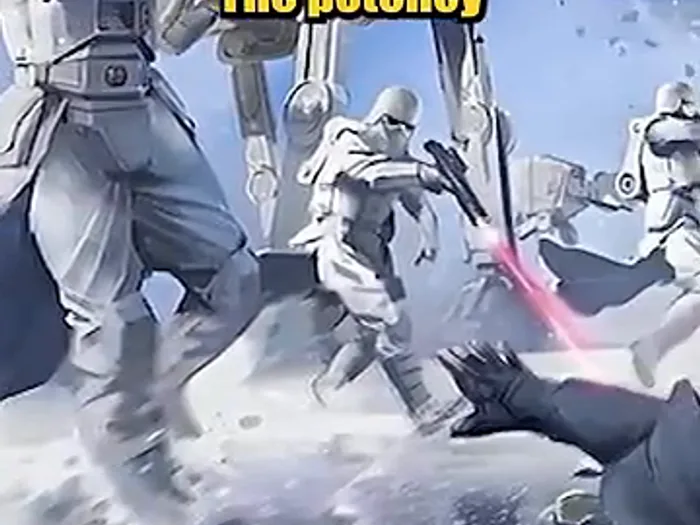
Do Blasters Ever Run Out Of Ammunition?
Yes. Blasters run on compact power packs, and an E-11 gets around a hundred shots from a standard cell or more than five hundred from a plasma cartridge. The reason nobody reloads much is that the packs last, not that they are endless.
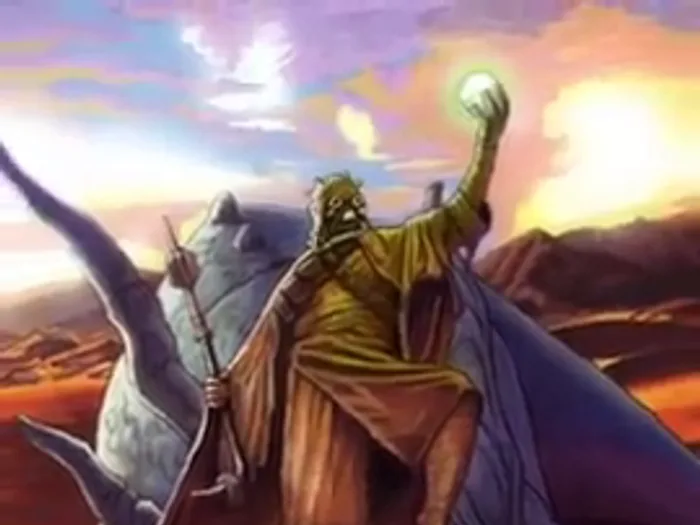
How Could The Pearl From A Krayt Dragon Create The Most Powerful Lightsaber?
Krayt dragons swallow stones to grind their food, and the pearls that come out of their guts are formed from kyber. Drop one into a hilt and it produces an extremely powerful, destructive blade that howls when it ignites. Getting one means killing a krayt dragon first, which is why almost nobody has.
Get new articles in your inbox
No spam. New lore drops, canon conflicts, and deep dives only when they’re worth reading.
Some links on Lore Fortress are affiliate links. If you buy through them we earn a small commission at no extra cost to you.