Hive: apex structure of the Zerg Swarm
The hive was the primary structure of the zerg and the final evolution of the hatchery, unlocking the last stages of the Swarm's development. Shielded by a dense exoskeleton and joined to the Overmind's full pool of knowledge, it gave the being that commanded it the power to loose the full fury of the zerg.
The hive was the primary structure of the zerg and the final form a colony's central organ could take. Every hive began life as a hatchery, the living heart that a drone metamorphosed into wherever the Swarm took root, and every hive still carried out the work it had performed since that first stage: birthing larvae, maintaining the creep, and digesting minerals and vespene gas into nutrients. What set the hive apart was what it unlocked. Its maturation opened the final stages of zerg evolution, and once a hive was present, the being commanding it held the potential to loose the full fury of the Swarm. From the burning of Chau Sara to the fall of the primary hive on Char, the structure sat at the center of nearly every campaign fought against the zerg in the Koprulu sector. (StarCraft; StarCraft II: Wings of Liberty)
The final evolution#
The hive did not appear from nothing. A colony's hatchery matured first into a lair and then into a hive, and through every transformation the structure kept providing the same functions it had offered from the beginning: it birthed the larvae from which all zerg breeds were mutated, it maintained the creep that sustained the colony, and it digested harvested minerals and gas into a form the Swarm could feed on. The difference lay in depth. A hive was protected by a dense exoskeleton and granted full access to the Overmind's pool of knowledge, and its presence unlocked the final stages of zerg evolution, placing the Swarm's most advanced strains within reach of the cerebrate, broodmother, or queen that directed the colony. (StarCraft; StarCraft: Brood War)
The structure was as unknowable as it was productive. The genetic model for a hive was extremely complex, and would have been indecipherable to any terran scientist who tried to unravel it. Nor was the hive passive when threatened. When under attack, hives could harden their hulls with bony protrusions, allowing them to shrug off weaker strikes while the colony's broods rallied to its defense. (StarCraft; StarCraft: Shadow of the Xel'Naga)
Heart of the hive cluster#
The hive gave its name to the zerg colony itself. A hive cluster, sometimes called a hatchery cluster, was the zerg equivalent of a base: a gathering of living structures sustained by creep, serving as the point from which zerg forces mined resources and spawned their broods. Hatcheries and their evolved forms served as the heart of every such cluster, and drones could be used to establish new ones wherever the Swarm chose to spread. To destroy a hive cluster was to cut a zerg infestation off at the root, and for that reason the clusters drew the guns of every army that fought the Swarm. (StarCraft; StarCraft II: Heart of the Swarm; StarCraft: Ghost Academy, Volume 3)
The Char hive#
The Char hive is a cosmetic variant that StarCraft: Remastered added as a pre-purchase reward, so it sits outside the story of the games. Blizzard's description has it glowing with perpetual heat, never fierce enough to burn attackers at close quarters but warm enough for the drones and larvae within to make use of on colder planets. (StarCraft: Remastered)
Clusters under fire in the Great War#
The first great battles against the zerg were battles against their hive clusters. On Chau Sara, General Edmund Duke led Alpha Squadron in the defense of the city of Los Andares, then attacked the main hive cluster on the planet. Under the direction of a Cerberus commander who had superseded the local Confederate officer Collins, and against Collins' own wishes, Alpha Squadron pressed on, defeated the zerg, and destroyed their primary hive clusters, after which the events were sealed and classified by Confederate High Command. The victory only delayed the inevitable, and the zerg took the world before protoss fire incinerated it. (StarCraft)
On Aiur, Aldaris directed Artanis against the zerg hive cluster at Scion. The cluster was destroyed, but in the army's absence the garrison Fenix led at Antioch was attacked by overwhelming force. Later, on Char, protoss forces assaulted the zerg hive clusters directly while Zeratul assassinated a pair of cerebrates, and with the clusters broken the way to the Overmind was laid bare. The pattern held for terran soldiers during the Brood War as well: in the Long Shadow canyons of Asteria, Rho Squadron of the Terran Dominion was sent to clear out a zerg hive cluster, and though the operation succeeded, hidden zerglings emerged and killed the squad's resocialized soldier, Albee. (StarCraft; A War On)
The primary hive of Char#
No hive mattered more than the one at the heart of Char. Ten years after the Guild Wars, the zerg overran the volcanic world and made it their primary hive planet in the Koprulu sector. After defeating three fleets above the planet, Sarah Kerrigan suspected a great and terrible danger to the Swarm and relocated her primary hive cluster to the surface, storing millions of eggs in the acid marsh for future use. (StarCraft; StarCraft: Brood War; StarCraft II: Heart of the Swarm; Koprulu Sector Systems: Char (StarCraft II official site))
That hive became the objective of the invasion of Char during the Second Great War. Crown Prince Valerian Mengsk instigated the assault, and General Horace Warfield planned a frontal attack to deliver the short-ranged Keystone close to the primary hive, a plan Commander Jim Raynor regarded as over-optimistic. The landing cost the terrans dearly, and with zerg strength too great for a direct push, Raynor led a diversionary attack to weaken the defenses. Engineers then moved the Keystone to the base of the primary hive, and the terrans rallied their remaining troops around it with their backs to the lava, holding until the artifact was fully charged. Its release swept the zerg from the immediate area and made Kerrigan human again. With zerg resistance broken, Raynor and Tychus Findlay led a squad into the hive itself and found a helpless Kerrigan inside. There Findlay was forced to reveal his bargain with Emperor Arcturus Mengsk, under which he had to kill Kerrigan to regain his freedom, and Raynor stopped him to save her. (StarCraft II: Wings of Liberty)
Hives of the Swarm reborn#
When Kerrigan rebuilt her Swarm after the raid on Char, hives marked the road of her reconquest. On Astrid III, Abathur discovered a feral zerg hive cluster whose hatcheries were able to morph zerglings with unusual speed. Kerrigan took control of the hive, and Abathur explained that it made use of swarmlings, a strain in which a single egg created three zerglings that could overpower enemies through sheer numbers. The swarmlings quickly overwhelmed the Dominion garrison on the planet. (StarCraft II: Heart of the Swarm)
On Char itself, rival hives decided the leadership of the Swarm. In the acid marsh where Kerrigan had once stored her millions of eggs, Broodmother Zagara set up her hive cluster to gather as many of them as she could. When Kerrigan returned, Izsha located her hive cluster near a birthing pond, and Kerrigan collected eggs while Zagara bred troops and hurled them against Kerrigan's cluster. The defense held, and Kerrigan gathered enough eggs to spawn an army that destroyed Zagara's hive cluster, though she spared the broodmother herself. From the first hive grown on a fringe world to the last cluster burned on Char, the structure remained what it had always been: the point where the Swarm's full strength gathered, and the place its enemies had to reach if they meant to win. (StarCraft II: Heart of the Swarm)
Sources
- GameStarCraft, Blizzard Entertainment, 1998
- GameStarCraft: Brood War, Blizzard Entertainment, 1998
- GameStarCraft: Remastered, Blizzard Entertainment, 2017
- GameStarCraft II: Wings of Liberty, Blizzard Entertainment, 2010
- GameStarCraft II: Heart of the Swarm, Blizzard Entertainment, 2013
- BookStarCraft: Shadow of the Xel'Naga, Gabriel Mesta, 2001
- ComicStarCraft: Ghost Academy, Volume 3, David Gerrold, Tokyopop, 2011
- WebA War On, James Waugh, Blizzard Entertainment short story, 2013
- WebKoprulu Sector Systems: Char (StarCraft II official site), Blizzard Entertainment, 2010
Spotted a factual error or a primary source we missed? Email a correction. Every flagged claim gets reviewed.
Followed from this entry

Hatchery: foundational structure of every zerg colony
The hatchery was the living heart of every zerg colony, spreading creep, birthing larvae, and digesting minerals and vespene gas into nutrients for the Swarm. Grown from a single metamorphosed drone, it could mature into a lair and finally a hive, and the zerg defended it with fanatical zeal.
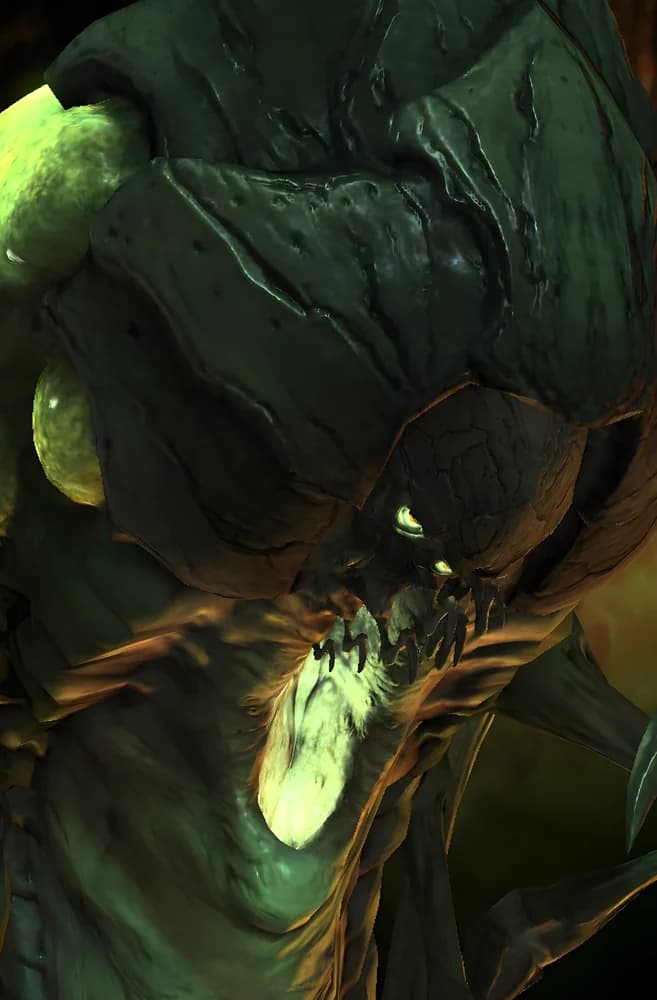
Abathur: the Swarm's living DNA library
Spun from many species by the Overmind, Abathur designed the Queen of Blades. He later betrayed Zagara to restart the wars he thought zerg needed.
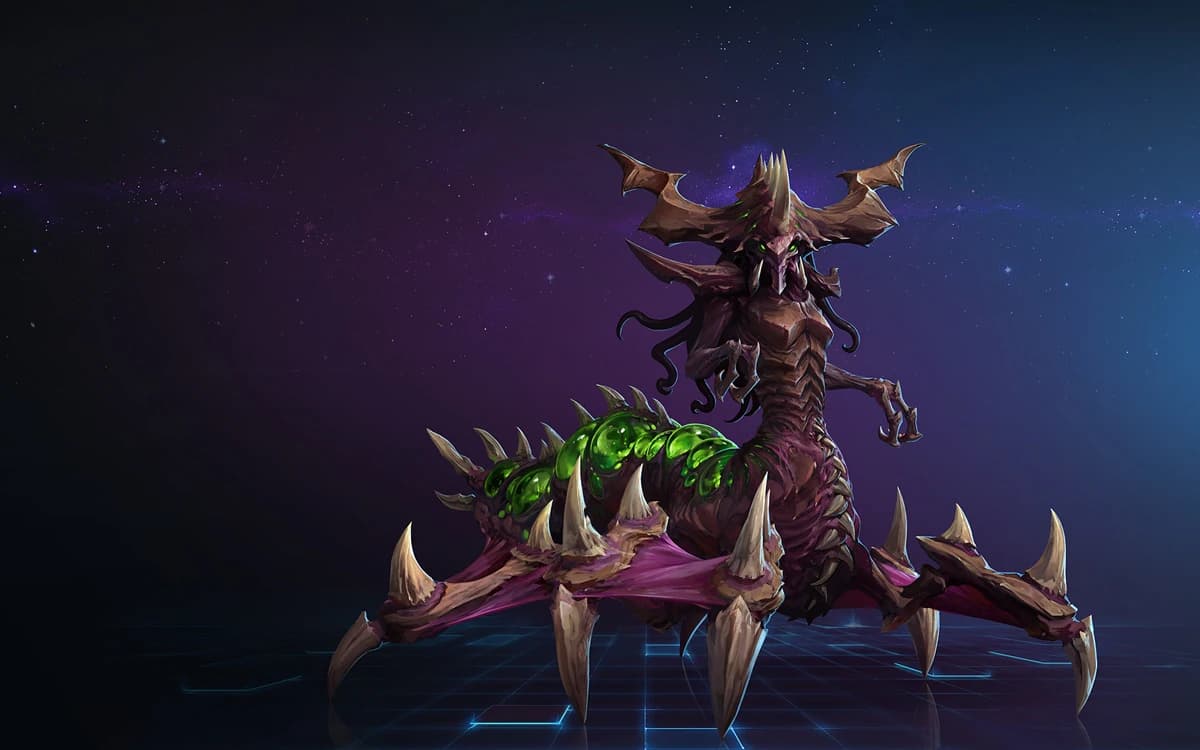
Broodmother
Broodmothers were powerful, intelligent queens created by the Queen of Blades to replace the cerebrates, tasked with guarding and leading the broods of the Zerg Swarm. Independent enough to survive their creator's fall, they fragmented the Swarm when Kerrigan was deinfested and warred among themselves for control.
Cerebrate
Cerebrates were the intermediate commanders of the zerg, created by the Overmind to lead individual broods and oversee the Swarm's evolution. Bound to the Overmind for their reincarnation, they vanished from the Swarm after the Brood War, replaced by Sarah Kerrigan's broodmothers.
Char
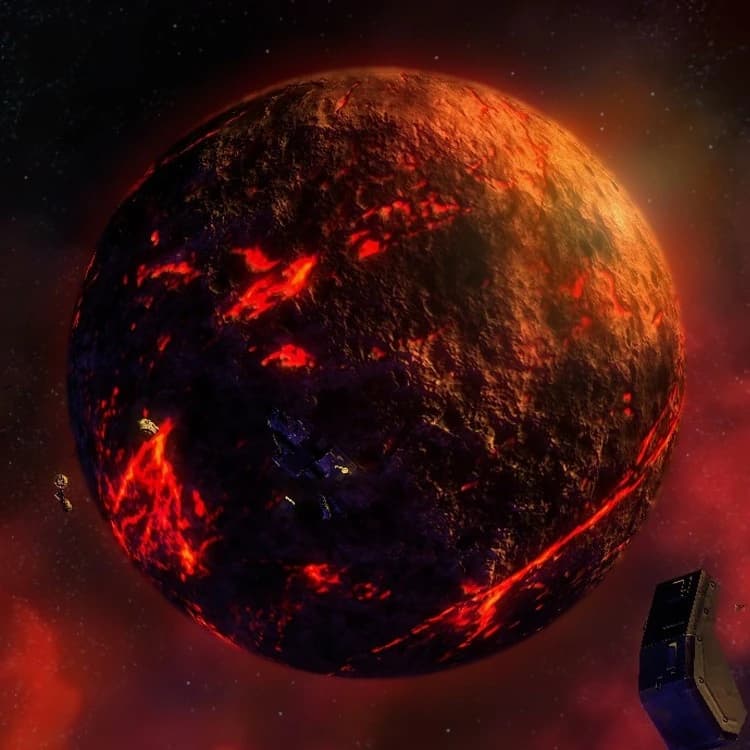
Char was an inhospitable volcanic planet in the Koprulu sector that became the primary hive world of the zerg. It was the site of Sarah Kerrigan's rebirth as the Queen of Blades and, years later, of her restoration to human form.
Creep
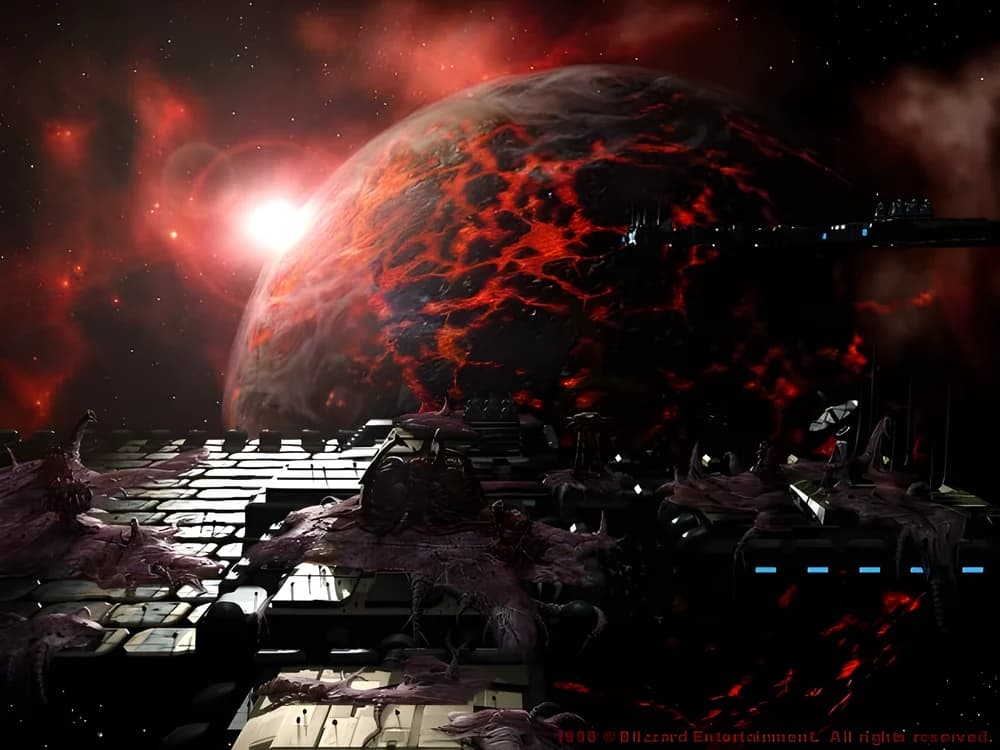
Creep was a living zerg superorganism, a viscous purple substance that nourished zerg structures and strains, bound entire colonies into a single organism, and could consume a whole planet within days if left unchecked.
Mentioned in1 entry
Get new articles in your inbox
No spam. New lore drops, canon conflicts, and deep dives only when they’re worth reading.
Some links on Lore Fortress are affiliate links. If you buy through them we earn a small commission at no extra cost to you.