Aurvangar Wetlands: gateway swamps of Svartalfheim
The Aurvangar Wetlands were the warm, geyser dotted swamps at the southern entrance of Svartalfheim, the main waterway to the Dwarven city of Nidavellir. Abandoned by the Dwarves and infested with Grim and Wretches, they were the first ground Kratos and Atreus walked in the Dwarven domain during their search for Tyr.
The Aurvangar Wetlands were a region of swamp and winding river channels at the southern edge of Svartalfheim, the domain of the Dwarves. Warm, humid, and bathed in sun, the wetlands served as the main way into the domain and the principal route to the iron city of Nidavellir, though by the days of the Fimbulwinter their makers had abandoned them to the Grim and other hostile creatures. It was here that Kratos and Atreus first set foot in the Dwarven domain, carrying the head of Mimir with them, at the outset of their search for the imprisoned god Tyr. (God of War Ragnarök)
Geography of the wetlands#
The Aurvangar Wetlands stretched across the south of Svartalfheim as a long, winding river broken up by sandy beaches, rocky channels, and pools of shallow azure water. The region was everything Midgard was not: warm, moist, and colorful, its air heavy with the heat of the spouting geysers that vented through the stone on every side. The water itself ran shallow enough that no traveler could hope to wade far, and a boat was the only practical means of moving through the channels. (God of War Ragnarök)
These warm and smelly swamps were the main way to reach the Dwarven city of Nidavellir, and the Dwarves had once worked the region hard. Giant wooden wheels, water machines, and ingenious mechanisms stood along the whole length of the river, testimony to the mastery the Dwarves held over their home world. Camps and docks dotted the shores, and riches lay scattered beneath the surface of the water, glittering deposits of slag, rawhide, and hacksilver that the Dwarves had simply left where they lay. (God of War Ragnarök)
By the time of the Fimbulwinter, however, the wetlands stood abandoned. The bog had become infested by Grim and other hostile creatures, and it was not uncommon to find the corpse of a shredded Dwarf here and there upon the shores. The machines their makers built long ago still remained along the road, turning or standing idle with no hands left to tend them. (God of War Ragnarök)
The landing of Kratos and Atreus#
When the path to Svartalfheim was opened once more, after Brok and Sindri modified the Mystic Gateway and crafted seeds of Yggdrasil to replace the useless Bifrost, the quest to find and rescue the Norse God of War led Kratos, Atreus, and Mimir to the Dwarven domain first among the Nine. Before they departed, Sindri advised the pair to make directly for Nidavellir and seek out a Dwarf named Durlin, who might hold precious information. Sindri himself begged off the journey, fearing the moisture of the wetlands outside the city as much as the hostile creatures wandering them. (God of War Ragnarök)
The Spartan and his son came into the domain at the Aurvangar Wetlands, a warm and humid region bathed in sun, full of channels and dotted with geysers. They understood at once that a boat was needed to continue, and as they moved to claim one from the shore they were ambushed by a cohort of Wretches, which they quickly killed. Not far from their landing they noticed a chain running down into the water, the mooring of a Dwarven supply ferry that could not then be used. As they rowed north toward the city, Atreus lost himself in thought, remembering that his mother Faye had once tried to lead a rebellion of the Dwarves against Odin's Aesir in Svartalfheim, a revolt that had failed. (God of War Ragnarök)
The blocked river#
The journey up the channel was not a clear one. Kratos and Atreus soon found their way barred by a great wheel blocking the waterway, forcing them to dock and seek a means of turning it. On the shore they met the first of the burning geysers so characteristic of Svartalfheim, jets of scalding water that closed off the paths ahead, and here the Leviathan Axe proved its worth again, for its frost was able to freeze the columns of boiling water solid and let the travelers climb past. Grims, the nasty creatures that infested the wetlands, fell upon the pair in numbers before they could work the mechanism that turned the wheel and opened the passage. As they pressed on, Atreus and Mimir remarked on how strangely the Fimbulwinter touched the realms, for there was no sign of snow or cold anywhere in Svartalfheim. (God of War Ragnarök)
Two further obstacles blocked the channel before the city. Near one of them the travelers found a message left by Durlin himself, warning of the dangers that lined the whole road to the iron city. While they worked their way past the barriers, Kratos broached the matter of Tyr, noting that his son had been trying to find and recruit the Norse God of War. Atreus grew uneasy and dodged the question, insisting on the warmth of the country instead, and when Mimir pressed him on why he was so keen to find the god, the boy answered evasively that he sought only answers about his own identity as Loki. Neither his father nor Mimir was convinced. The conversation drifted to the geological disturbances of the domain as the boat carried them through a beautiful cavern and out, at last, within sight of Nidavellir. In later days the wetlands remained the southern anchor of the domain's roads, for the ferry running from its docks toward the Sverd Sands was the way back into the Applecore and the mines beyond. (God of War Ragnarök)
Relics of the resistance#
The abandoned shores of Aurvangar kept pieces of Svartalfheim's buried history. Among the machinery where the travelers docked to turn the great wheel lay Hreidmar's Brassard, an artifact of the fallen Dwarven resistance and one of the things left behind by those who fought Odin's rule. Hreidmar was famous for two things: he was one of the great armorers of Svartalfheim, and he fathered dragons, among them Regin, Fafnir, and Otr. His armband lying forgotten in the swamp spoke to how completely the resistance had been broken. (God of War Ragnarök)
The region held other remnants besides. One of the famous poems of Kvasir rested on a table beside a coffin near the water wheels, a verse remembered as "The Sunrise of Nothingness," which Kratos recovered on the passage upriver. A tall stone lore marker on a side shore, standing near an abandoned tent, recorded a warning about the unsafe roads of the region. Drops of the dew of Yggdrasil could be found along the channel walls, two sealed Nornir chests stood among the geysers, and one of Odin's ravens kept its silent watch from a rock formation above the southern docks, spying on all who entered the domain for the All-Father until Kratos found it. Even a remnant of Asgard came to rest in the wetlands before the end. (God of War Ragnarök)
The tear into Helheim#
In the days after Kratos walked the frozen paths of Helheim, a tear into that domain opened in the Aurvangar Wetlands, on a beach along the river just before the great wooden wheel. It was one of several such openings scattered across the realms, and through it the dead came: a towering Hel-Viken and a company of Hel-Shadow archers, spilling the cold of Hel into the warm swamps of the Dwarves. Kratos fought the invaders back and closed the tear, sealing off the incursion and claiming the essence that lingered where the realms had touched. (God of War Ragnarök)
Sources
- GameGod of War Ragnarök, Santa Monica Studio, 2022
Spotted a factual error or a primary source we missed? Email a correction. Every flagged claim gets reviewed.
Followed from this entry
Helheim: the frozen hell even Odin feared
Those who died of age, disease or crime were sent to Helheim, a dark and unyielding cold where no fire burned. Even Odin could not last there long.
Svartalfheim: where Brok and Sindri forged
The richest of the Nine Realms in minerals, and home to the dwarven smiths. Odin sealed the path to it for generations and bent its trade to Asgard.
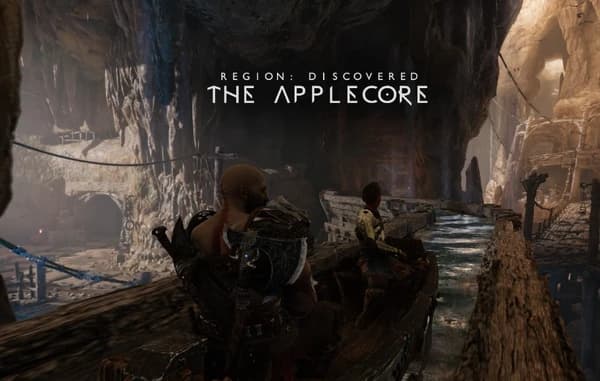
The Applecore
The Applecore was a sprawling, maze-like mining region of Svartalfheim, the realm of the Dwarves. It linked the Jarnsmida Pitmines to the Sverd Sands and the Aurvangar Wetlands, and Kratos and Atreus passed through it in their search for Tyr.
Yggdrasil: the yew that holds the realms
The World Tree grew out of the Lake of Nine and its branches held the Nine Realms. It was said to have no beginning, and it shook when Asgard fell.
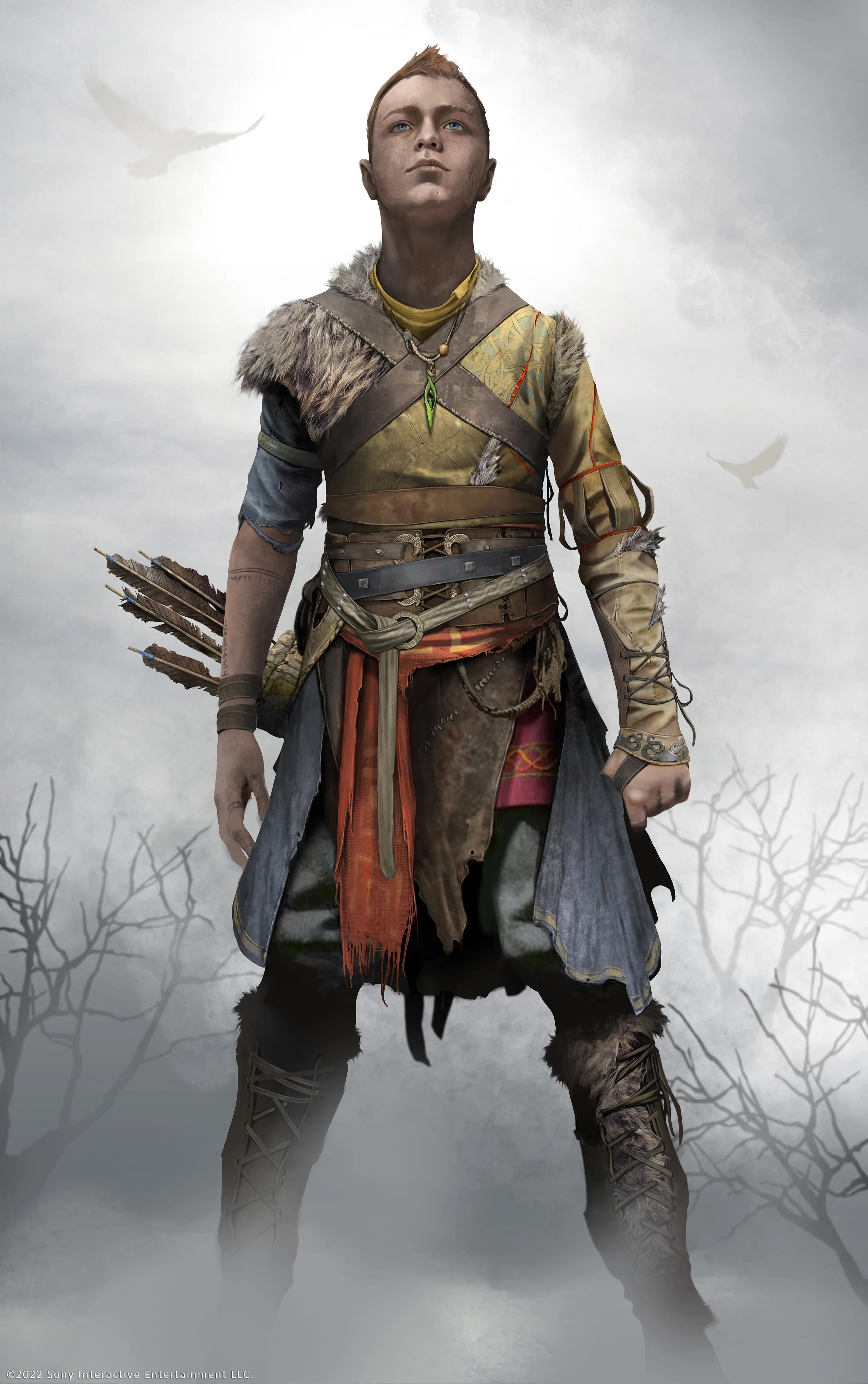
Atreus (Loki): Kratos's Son and the Truth of His Name
Atreus was the son of Kratos and the Jotunn Faye, born in Midgard and given the hidden name Loki. Across two great journeys he grew from a sickly boy into the prophesied champion of the Giants, the god of mischief whose fate was bound to Ragnarok.
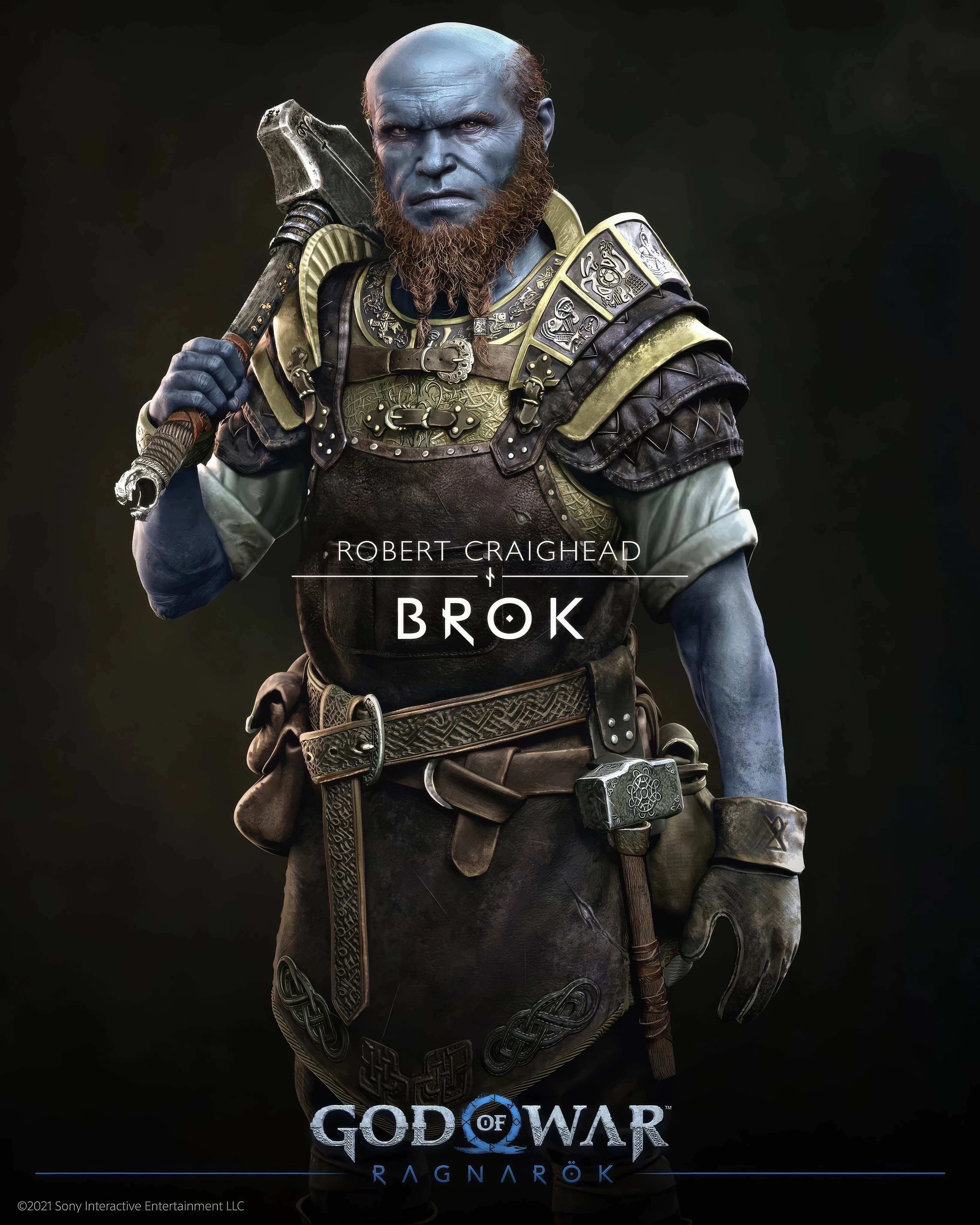
Brok: the Huldra brother Odin murdered
Brok forged Mjolnir and the Leviathan Axe with his brother Sindri. Killed once and revived with an incomplete soul, he was stabbed by Odin disguised as Tyr.
Mentioned in2 entries
Svartalfheim: where Brok and Sindri forged
The richest of the Nine Realms in minerals, and home to the dwarven smiths. Odin sealed the path to it for generations and bent its trade to Asgard.
The Applecore
The Applecore was a sprawling, maze-like mining region of Svartalfheim, the realm of the Dwarves. It linked the Jarnsmida Pitmines to the Sverd Sands and the Aurvangar Wetlands, and Kratos and Atreus passed through it in their search for Tyr.
Get new articles in your inbox
No spam. New lore drops, canon conflicts, and deep dives only when they’re worth reading.
Some links on Lore Fortress are affiliate links. If you buy through them we earn a small commission at no extra cost to you.