Themis: Titaness of Justice and Goddess of Law
Themis was the Titaness of Justice, the embodiment of divine order, law, and custom, a daughter of Gaia who held the oracle at Delphi before Apollo and sided with Zeus in the war against the Titans. In God of War she is only a name and a colossal statue near Delos.
Themis was the Titaness of Justice and the Goddess of Law, a daughter of Gaia and Ouranos and a sister of Mnemosyne. Among all the Titans she embodied divine order, law, and custom. In the old myths she sided with Zeus and his new order rather than with her own kind, became his second wife, and bore him the Seasons and the Fates. God of War never brings her on stage. The games remember her only through a colossal statue raised in her honour near Delos. (Theogony; Prometheus Bound; God of War: Ascension)
The embodiment of divine order#
Themis was one of the twelve Titans born to Gaia and Ouranos, alongside her sister Mnemosyne, and where her sister became the living memory of the world, Themis became its conscience. She was the embodiment of divine order, law, and custom, the power that separated the just from the unjust. What she represented was not the ordinance of mortal kings but natural law itself, the deeper order that even gods were bound to answer. (Theogony)
To this was joined the gift of prophecy. Before Apollo ever held Delphi, the oracle there belonged to Themis, who took it second after Gaia herself, as Apollo's priestess tells it in the opening lines of Aeschylus' Eumenides. (Eumenides)
In the service of Cronos#
The first age ended in violence. Cronos rose against his father Ouranos and overthrew him, and the Titans ruled the world in his place. Hesiod gives Themis no part in the deed, and nothing in the old stories ties her to Cronos's cruelty. (Theogony)
Gaia and Ouranos warned Cronos that he was fated to be overthrown by one of his own children. The warning drove the Titan king to horror rather than wisdom. He devoured his children as they were born, all except the last, for Rhea deceived him with a stone wrapped in swaddling clothes and hid the infant away. That child was Zeus, and when he came of age he forced his father to bring his brothers and sisters back up. (Theogony)
The Great War#
The freed children of Cronos made war upon the Titans from Olympus. In Aeschylus' Prometheus Bound, Themis, whom the play treats as one with Gaia, foretells that the war will be won by cunning rather than by strength. The Titans scorn the advice, and her son Prometheus, taking his mother with him, goes over to the side of Zeus. (Prometheus Bound)
When the fighting ended and the Titans lay defeated, the victors bound their elders in Tartarus. Themis was not among them. She kept her place in the order of the new gods. (Theogony)
Wife of Zeus#
In the age that followed the war, Themis became Zeus's second wife, after Metis. Hesiod names their children: the Seasons, Eunomia, Dike, and Eirene, who watch over the works of mortals, and the Moirai, Clotho, Lachesis, and Atropos, who hand out good and ill to every life. That makes the Sisters of Fate daughters of Themis, though the same poem elsewhere names them children of Night. (Theogony)
The statue at Delos and the last wars#
The mortal world remembered her. In God of War: Ascension, a truly enormous Statue of Themis is said to have been built near the island of Delos by Archimedes, a colossus raised as a monument to justice. (God of War: Ascension)
Themis herself never appears in the games. She plays no part when Kratos reaches back through time and brings the Titans forward to storm Olympus, and when the Spartan later passes through the depths of Tartarus, the Titaness of Justice is nowhere to be seen. (God of War II; God of War III)
Sources
- BookTheogony, Hesiod, around 700 BC
- BookEumenides, Aeschylus, 458 BC
- BookPrometheus Bound, Attributed to Aeschylus, 5th century BC
- GameGod of War II, Santa Monica Studio, 2007
- GameGod of War III, Santa Monica Studio, 2010
- GameGod of War: Ascension, Santa Monica Studio, 2013
Spotted a factual error or a primary source we missed? Email a correction. Every flagged claim gets reviewed.
Followed from this entry
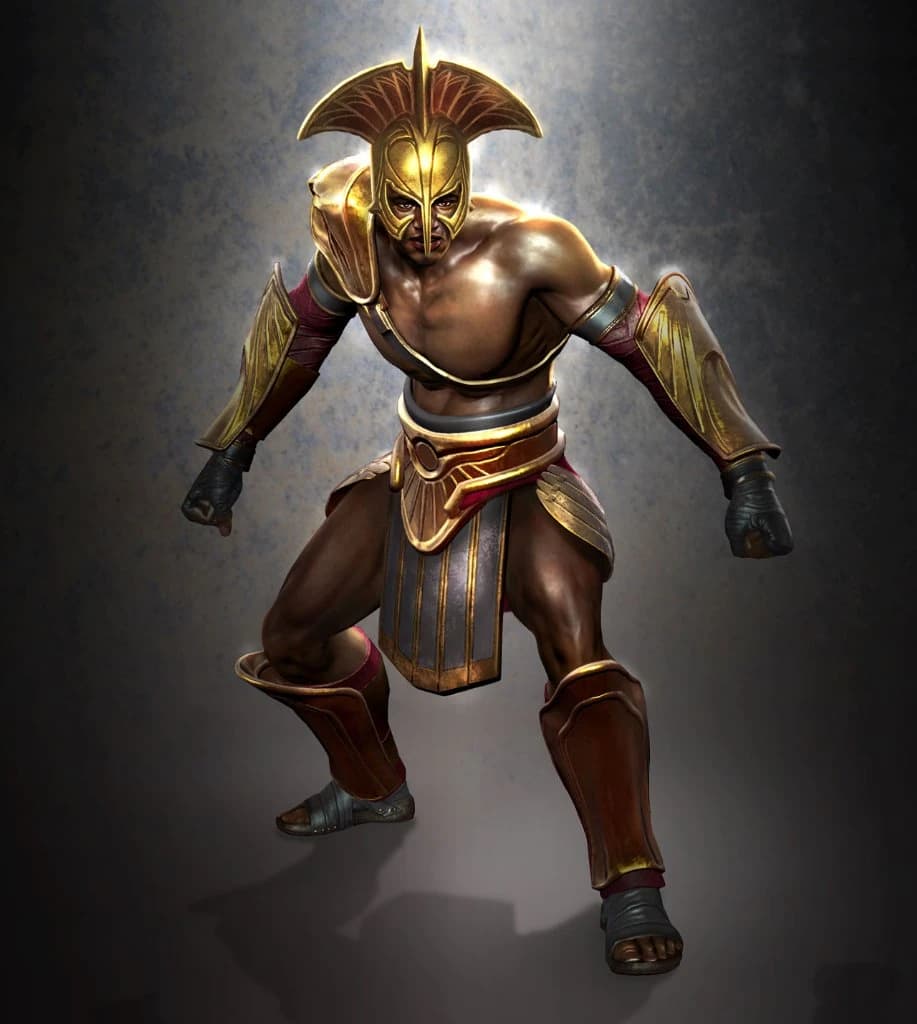
Apollo: the Olympian who escaped Kratos
Apollo never faced Kratos in the flesh. His Flame lit the way to the Tree of Life, his Bow lay in the Underworld, and he survived the slaughter.
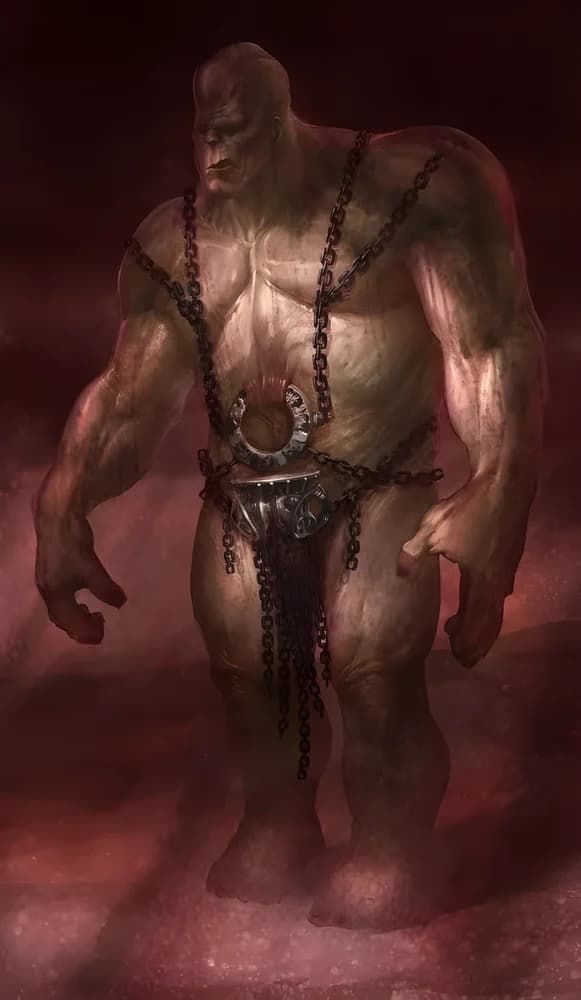
Cronos: the Titan who ate his children
Warned that his own children would depose him, Cronos swallowed each at birth. Rhea hid Zeus, Zeus deposed him anyway, and Kratos finished him.
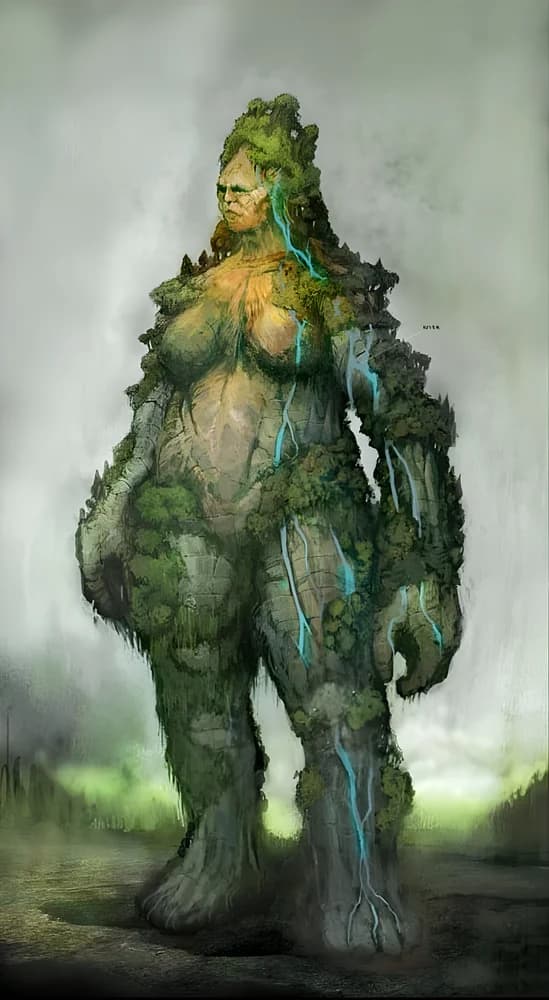
Gaia: Mother Earth, betrayed by Kratos
Gaia bore the Titans, hid the infant Zeus from Cronos, and allied with Kratos against Olympus. He ran the Blade of Olympus through her heart.
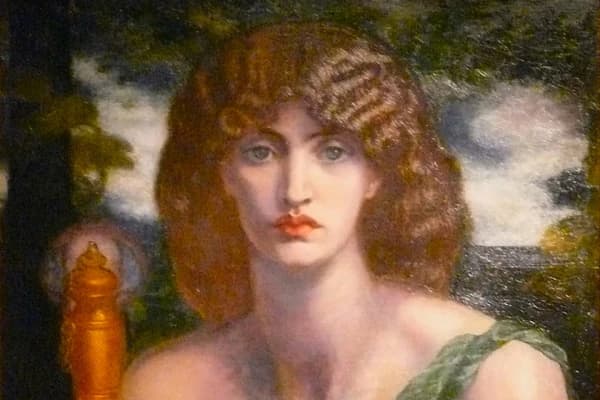
Mnemosyne
Mnemosyne is the Titaness of Memory, a daughter of Gaia and Ouranos and, in Greek myth, the mother of the nine Muses by Zeus. In the novelization of God of War II she is one of the Titans banished to Tartarus, watching beside the River Lethe as Gaia saves the fallen Kratos.
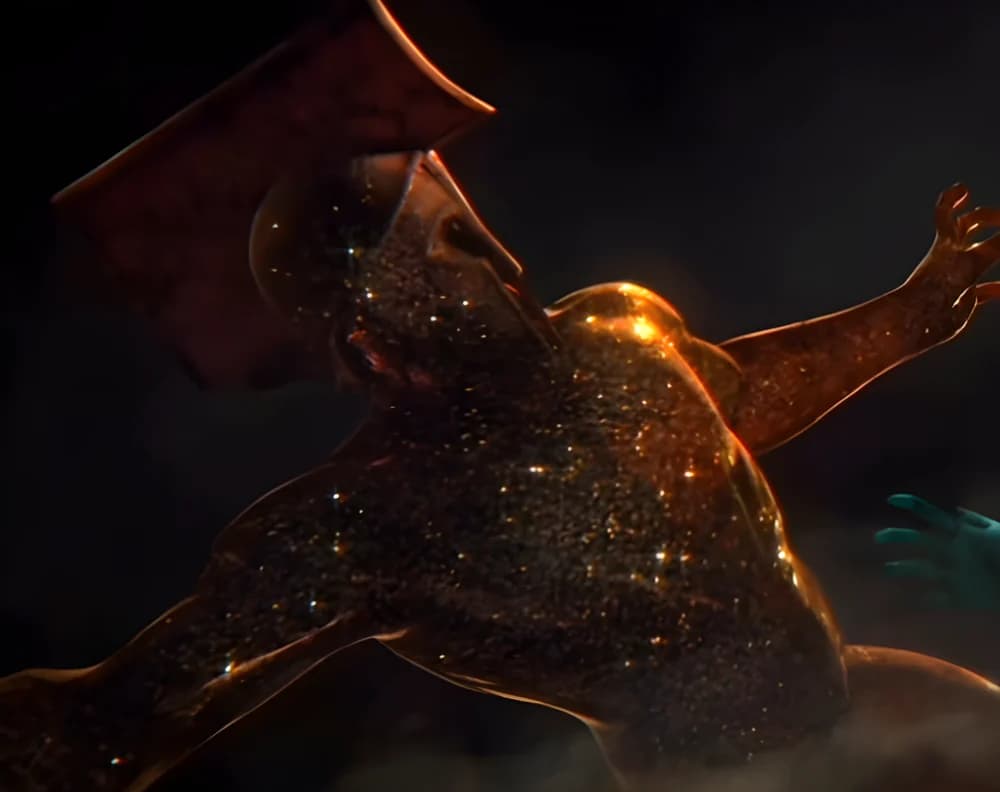
Ouranos: the sky god Cronos castrated
The first ruler of creation fathered the Titans on Gaia and banished his monstrous children. His son Cronos castrated him and took the throne.
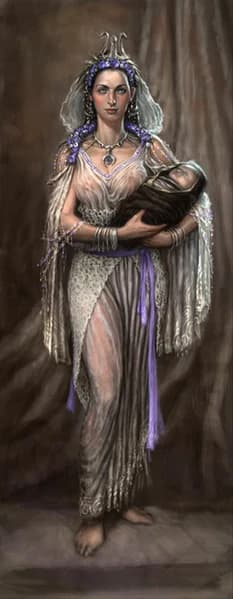
Rhea
Rhea was a Titaness, the wife of Cronos and the mother of the first six Olympian gods. When her husband devoured their children one by one, she hid her sixth child away and gave Cronos a stone in his place, setting in motion the war that would end the reign of the Titans.
Mentioned in1 entry
Get new articles in your inbox
No spam. New lore drops, canon conflicts, and deep dives only when they’re worth reading.
Some links on Lore Fortress are affiliate links. If you buy through them we earn a small commission at no extra cost to you.