Lily Pads of Ga-Koro: The Floating Foundation of a Matoran Village
The giant lily pads that formed the buoyant ground of Ga-Koro on Mata Nui, carrying the village's huts, walkways and kolhii field across the surface of Naho Bay.
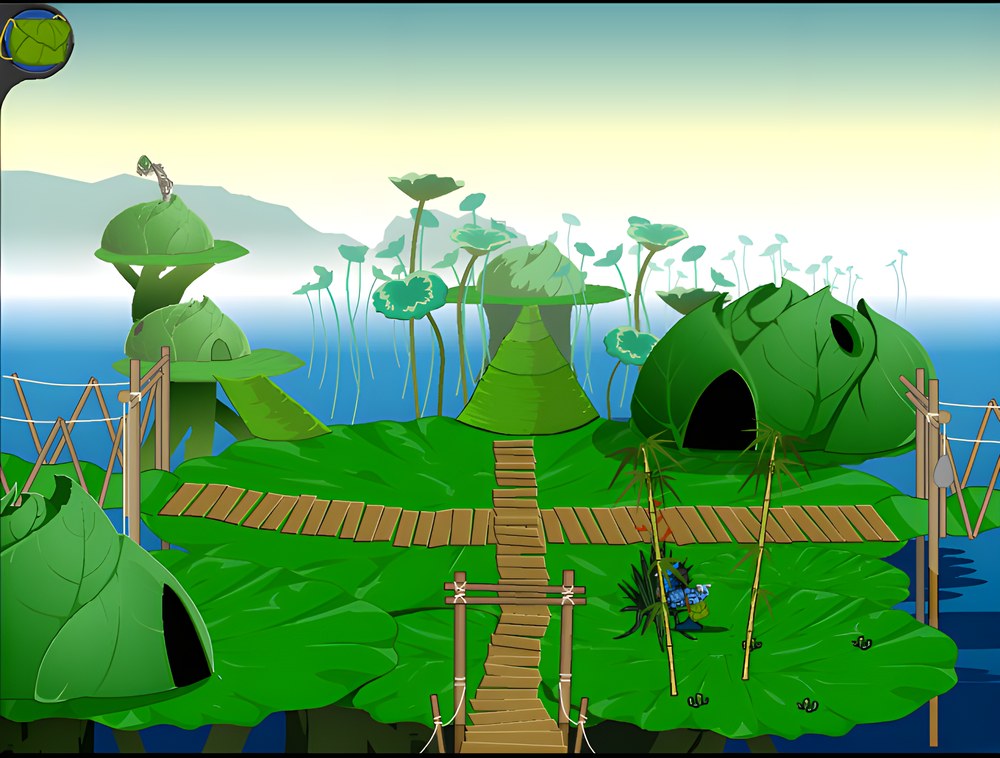
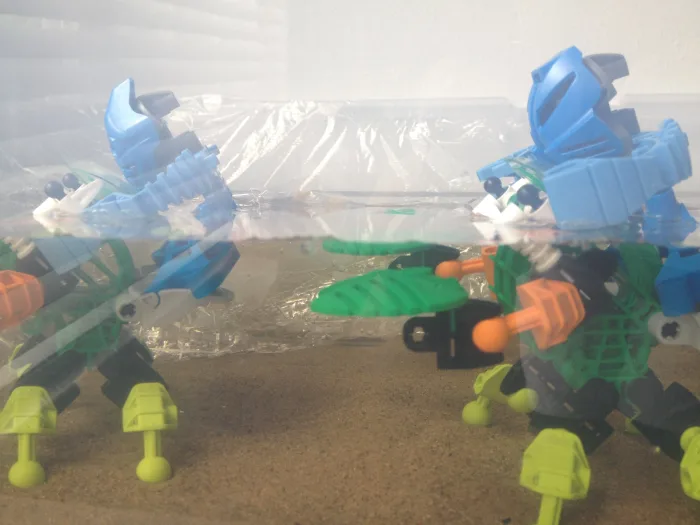
The lily pads of Ga-KoroGa-KoroGa-Koro is a village on the island of Mata Nui, inhabited by the Ga-Matoran and associated with both Nokama and Gali. The settlement was formerly under the power of Teridax. were the huge floating pads that formed the ground of the Ga-MatoranGa-MatoranThe Water-element Matoran of Ga-Metru and Ga-Koro, a female Matoran type, who filled the schools of Metru Nui and crewed the boats of the Mata Nui coast. village off the coast of Naho BayNaho BayThe body of water that made up most of Ga-Wahi, named for a fallen Toa of Water and home to the floating village of Ga-Koro on its surface.. They grew up from the seabed and rested on the surface of the water, large enough to carry huts, gardens and walkways, and the village as a whole was built across a cluster of them rather than on solid land. They kept the village afloat through Rahi attacks, the Bohrok swarms and the rebuilding that followed. (Mata Nui Online Game; Mata Nui Online Game II: The Final Chronicle)
A village on water#
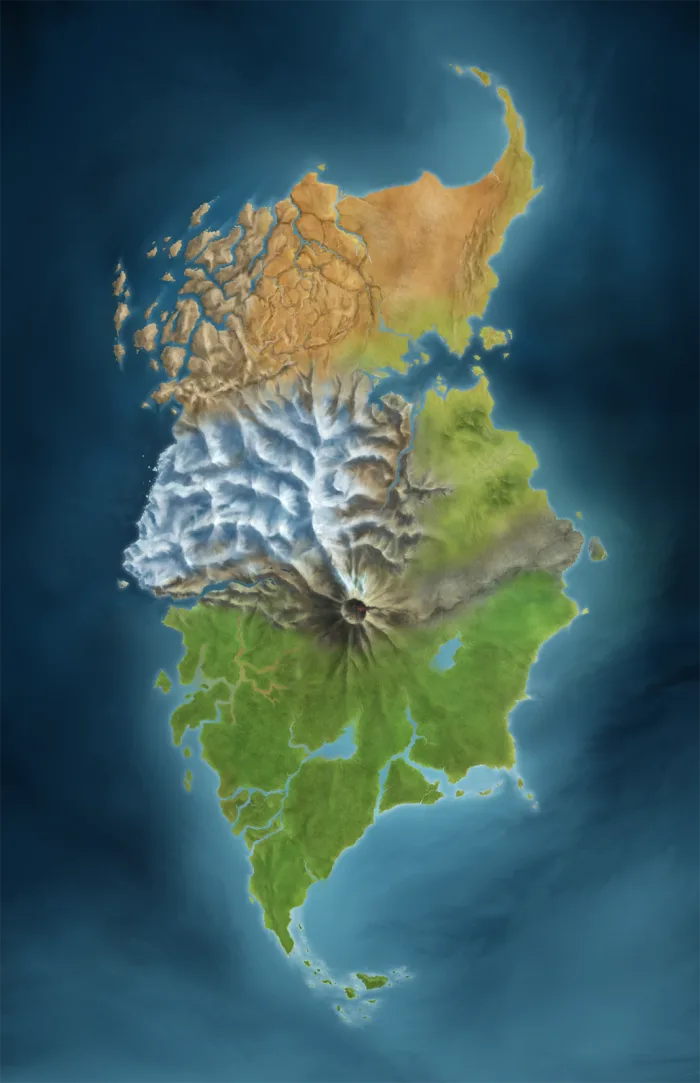
Ga-KoroGa-KoroGa-Koro is a village on the island of Mata Nui, inhabited by the Ga-Matoran and associated with both Nokama and Gali. The settlement was formerly under the power of Teridax. was the village of water on Mata NuiMata Nui (Location)An island created by accident on the Great Spirit's face, home to the Matoran for a thousand years., set just off the shore of Naho BayNaho BayThe body of water that made up most of Ga-Wahi, named for a fallen Toa of Water and home to the floating village of Ga-Koro on its surface. in the northeast of the island, in the region of Ga-WahiGa-WahiGa-Wahi was a region situated to the east on the island of Mata Nui, inhabited by Ga-Matoran and various Rahi. The region once fell under the domain of Teridax, though that connection did not endure. Ga-Wahi no longer existed in later records.. Whirlpools and strong currents surrounded it, which made sea travel around the village dangerous. Its Turaga was NokamaNokamaNokama served as Toa Metru of Water, endured the Hordika mutation, and led Ga-Koro and later Ga-Metru as Turaga through three eras.. Harakeke plants and bamboo grew from the pads themselves, and some Ga-Matoran kept floating harakeke gardens outside their huts. (Mata Nui Online Game; Mata Nui Online Game II: The Final Chronicle)
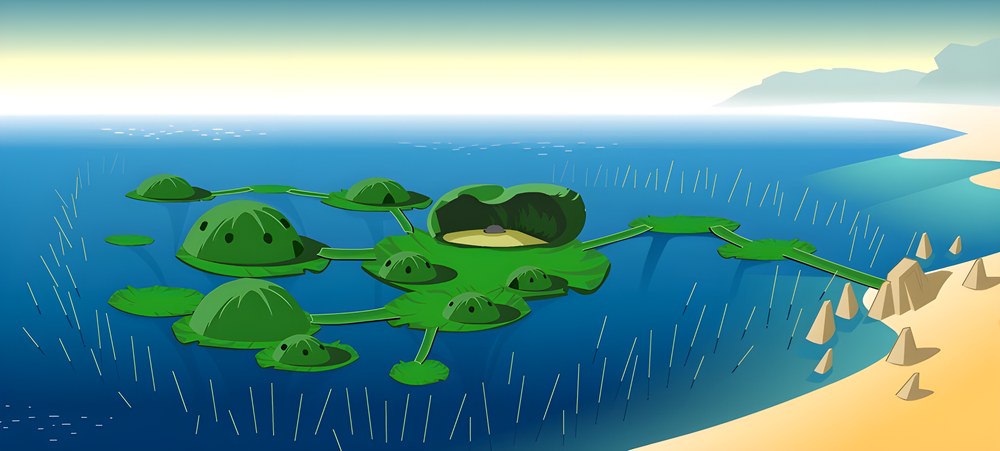
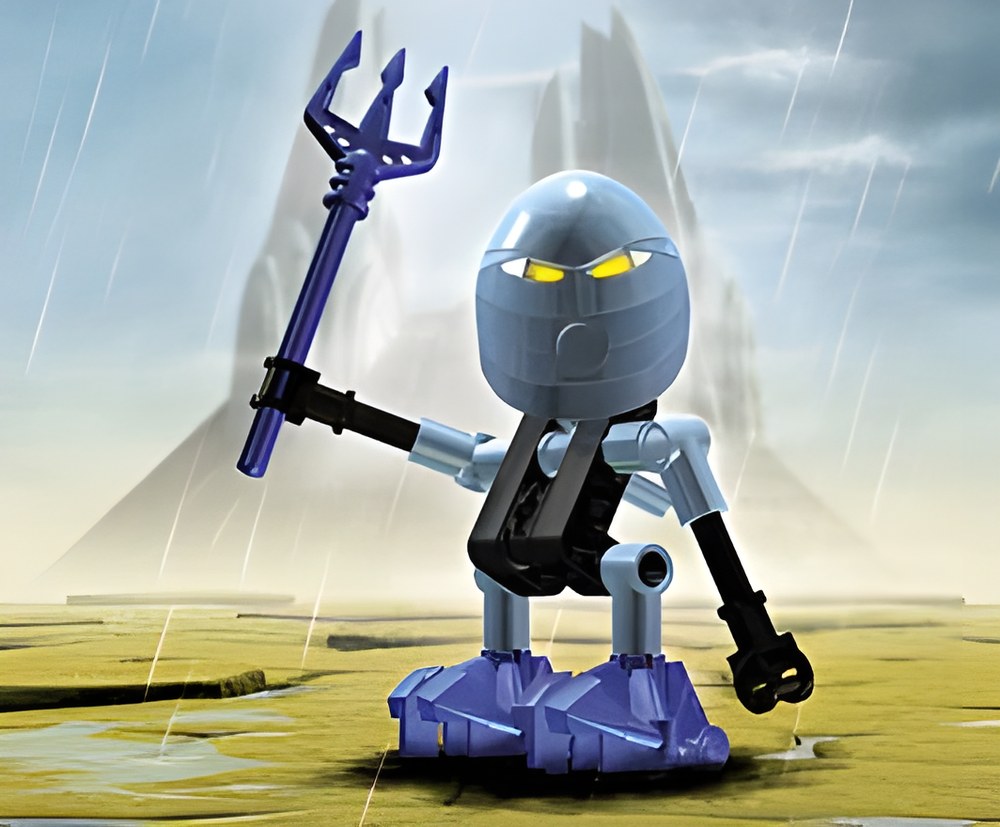
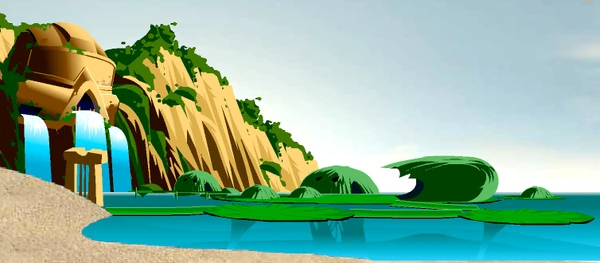
None of the village rested on solid land. Walkways linked the pads to one another, and one ran back to a stone gate on the beach, the village's only fixed link with the mainland of Ga-WahiGa-WahiGa-Wahi was a region situated to the east on the island of Mata Nui, inhabited by Ga-Matoran and various Rahi. The region once fell under the domain of Teridax, though that connection did not endure. Ga-Wahi no longer existed in later records.. (Mata Nui Online Game; Mata Nui Online Game II: The Final Chronicle)
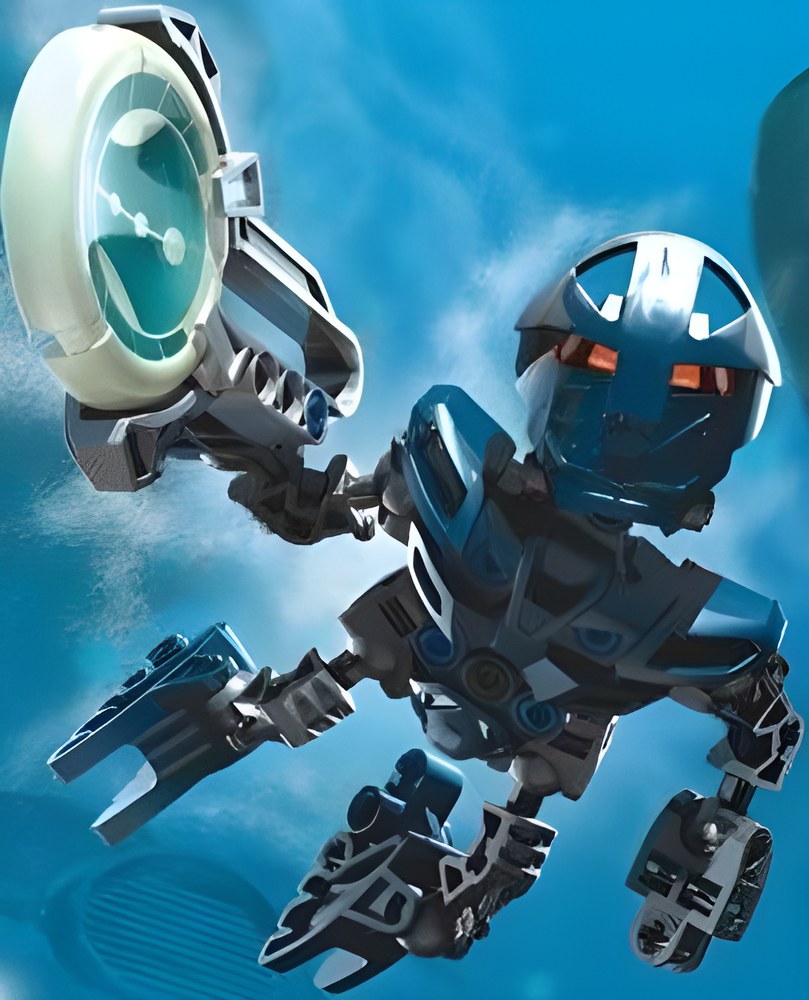
The Ga-MatoranGa-MatoranThe Water-element Matoran of Ga-Metru and Ga-Koro, a female Matoran type, who filled the schools of Metru Nui and crewed the boats of the Mata Nui coast. were at home in the water, and swimming and diving between parts of the village were ordinary parts of life there. (Mata Nui Online Game; Mata Nui Online Game II: The Final Chronicle)
Construction and properties#
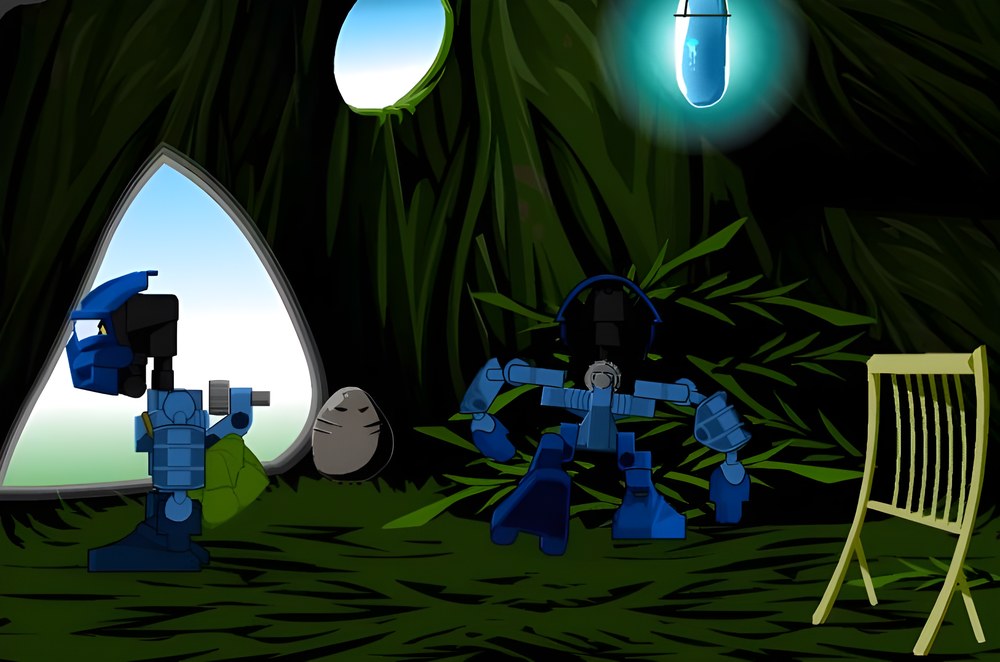
The pads were natural growths rather than built platforms. The huts that stood on them were made from thick seaweed, and the walkways between them from a similar material. At least one hut needed a pump to stay afloat: when an infected TarakavaTarakavaHuge lizard-like Rahi with powerful forelegs, hunted in pairs across Mata Nui and Metru Nui. knocked a gear off that pump, the hut sank with NokamaNokamaNokama served as Toa Metru of Water, endured the Hordika mutation, and led Ga-Koro and later Ga-Metru as Turaga through three eras. and most of the villagers inside, until TakuaTakuaAn Av-Matoran hidden on Mata Nui as a Ta-Matoran, who gathered the Toa Stones, served as Chronicler, and ultimately accepted the Avohkii to become Takanuva, the Toa of Light. found the gear and raised it again. Another hut had only a large round hole in its floor, giving access to the East Garden below. (Mata Nui Online Game; Mata Nui Online Game II: The Final Chronicle)
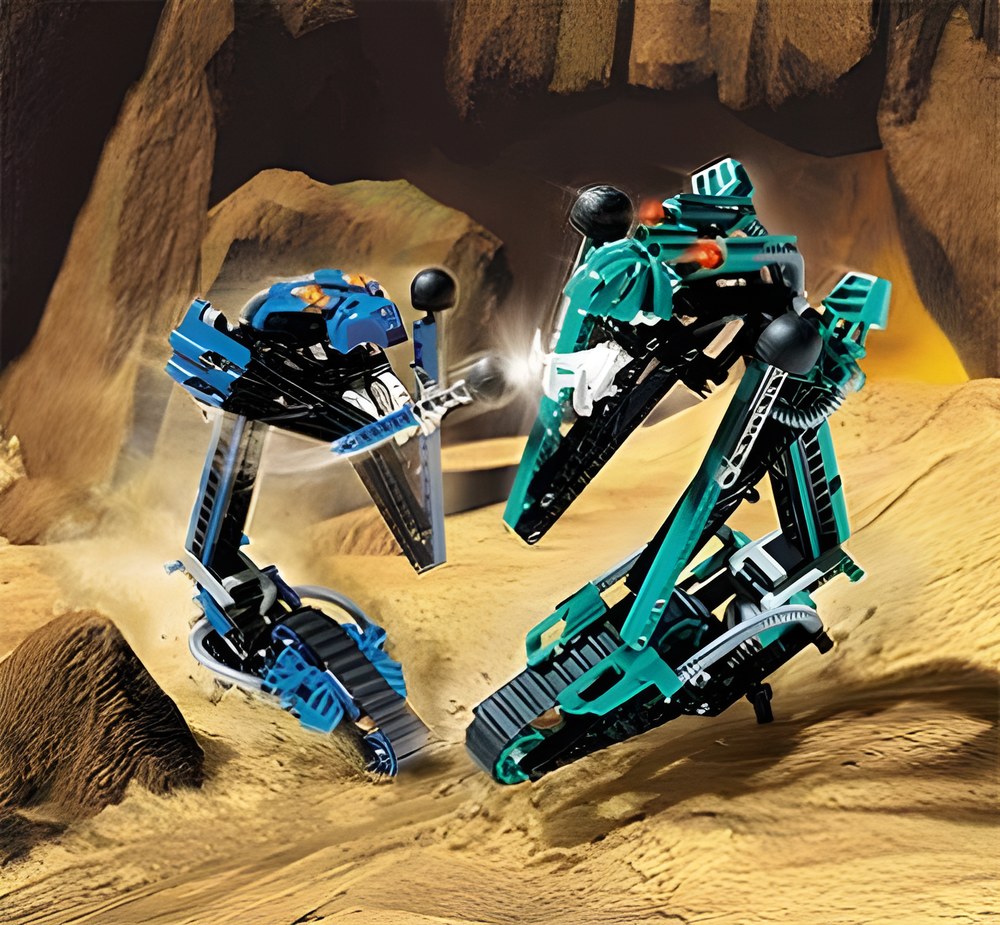
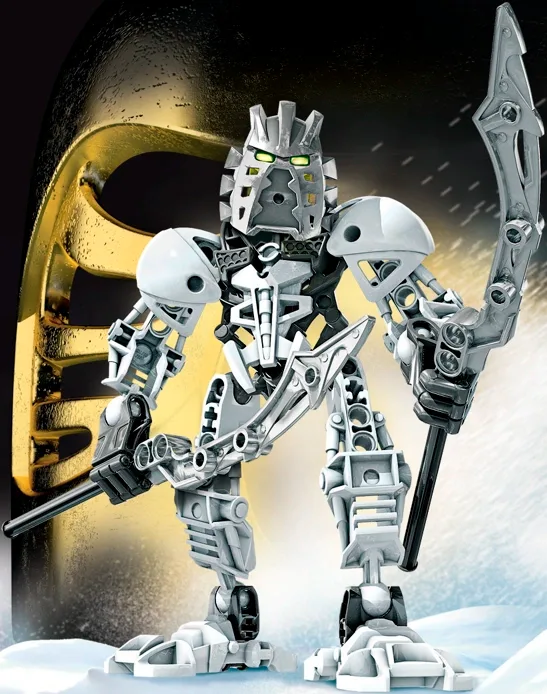
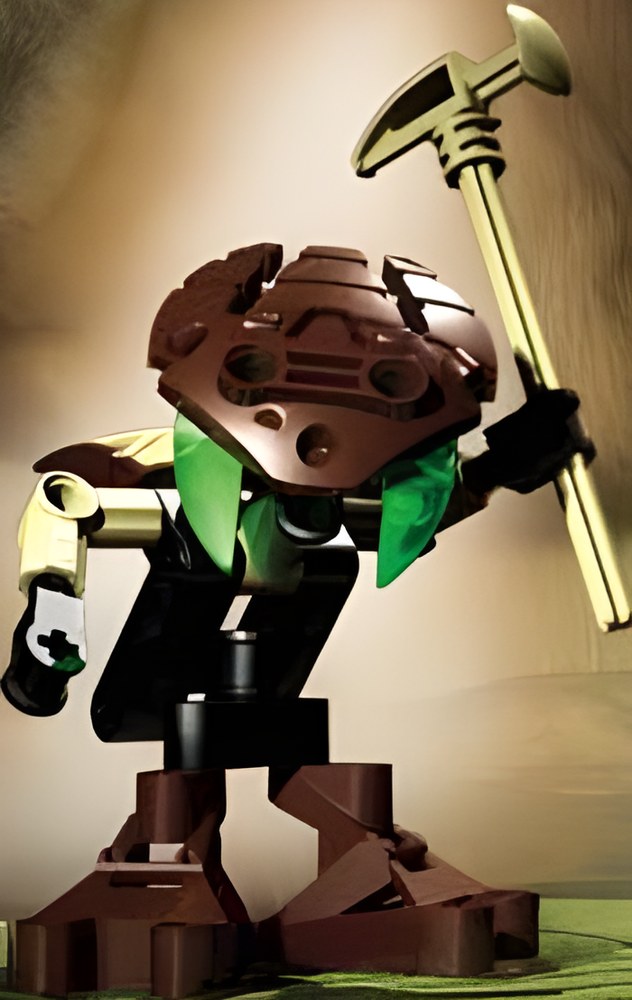
The village was damaged more than once and repaired each time. Five hundred years after it was built, a giant squid wrecked part of it until AmayaAmayaAmaya was a Ga-Matoran native to Metru Nui who taught Vhisola before the Great Cataclysm and later made flax in Ga-Koro on the island of Mata Nui. and other Ga-Matoran drove the creature off. The Tarakava attack after the Toa arrived devastated much of the village, and the Bohrok swarms did worse. (Mata Nui Online Game; Mata Nui Online Game II: The Final Chronicle; Mata Nui Online Animations)
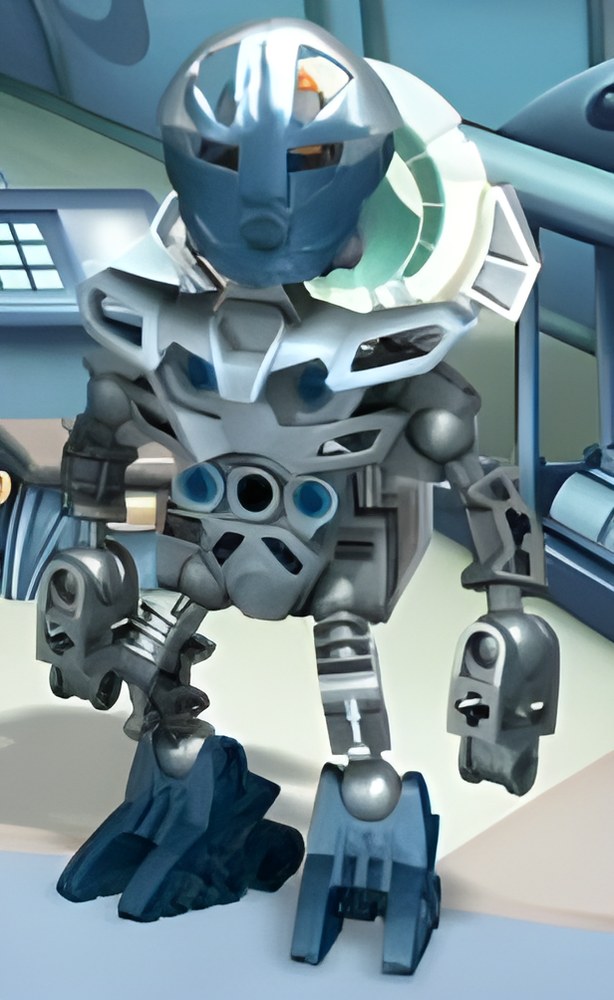
The causeway to the beach was the weak point in any siege. It was the route attackers had to take, and cutting it was the defenders' first resort. (Mata Nui Online Animations)
Buildings and surfaces#
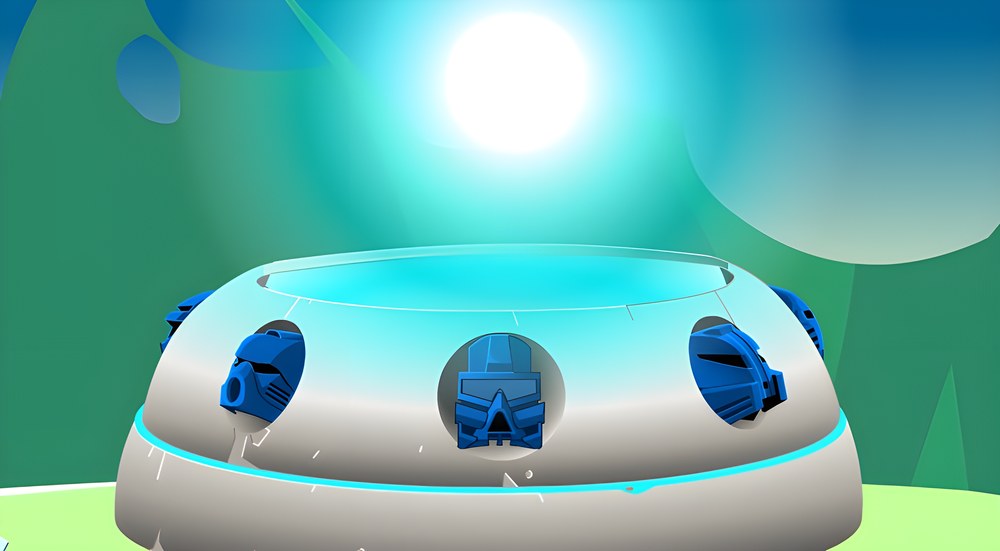
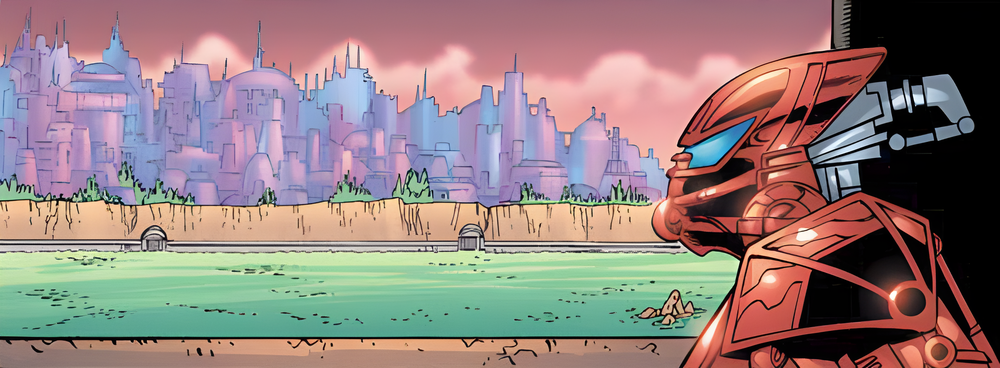
After the Bohrok swarms were defeated, Ga-Koro was rebuilt, reconfigured and greatly expanded, and set further out into the water. The flax-makers' homes and the East Garden stood at one end, the shipyards at the other, both joined to the Ga-Koro Town SquareGa-Koro Town SquareThe central meeting place of the rebuilt Ga-Koro, a lily-pad square with a garden, linked by bridges to the rest of the village and home ground of Ga-Matoran such as Nireta, Nixie, Okoth, Kotu and Kailani. by suspended bridges. The square held a meeting area and a garden. One lily pad walkway led from it to NokamaNokamaNokama served as Toa Metru of Water, endured the Hordika mutation, and led Ga-Koro and later Ga-Metru as Turaga through three eras.'s hut, and the Ga-SuvaGa-SuvaGali's shrine in Ga-Koro, the floating village's store for her Kanohi and later her Nuva Symbol, whose light came as the Pahrak siege collapsed., which held GaliGali, Toa of WaterThe Toa Nuva of Water and conscience of the Toa Mata, whose attunement to her element anchored the team across every campaign from Mata Nui to Karda Nui.'s KanohiKanohiMasks that grant powers and sustain life, they're the most vital artifact in the Matoran Universe., stood in the village. (Mata Nui Online Game II: The Final Chronicle)
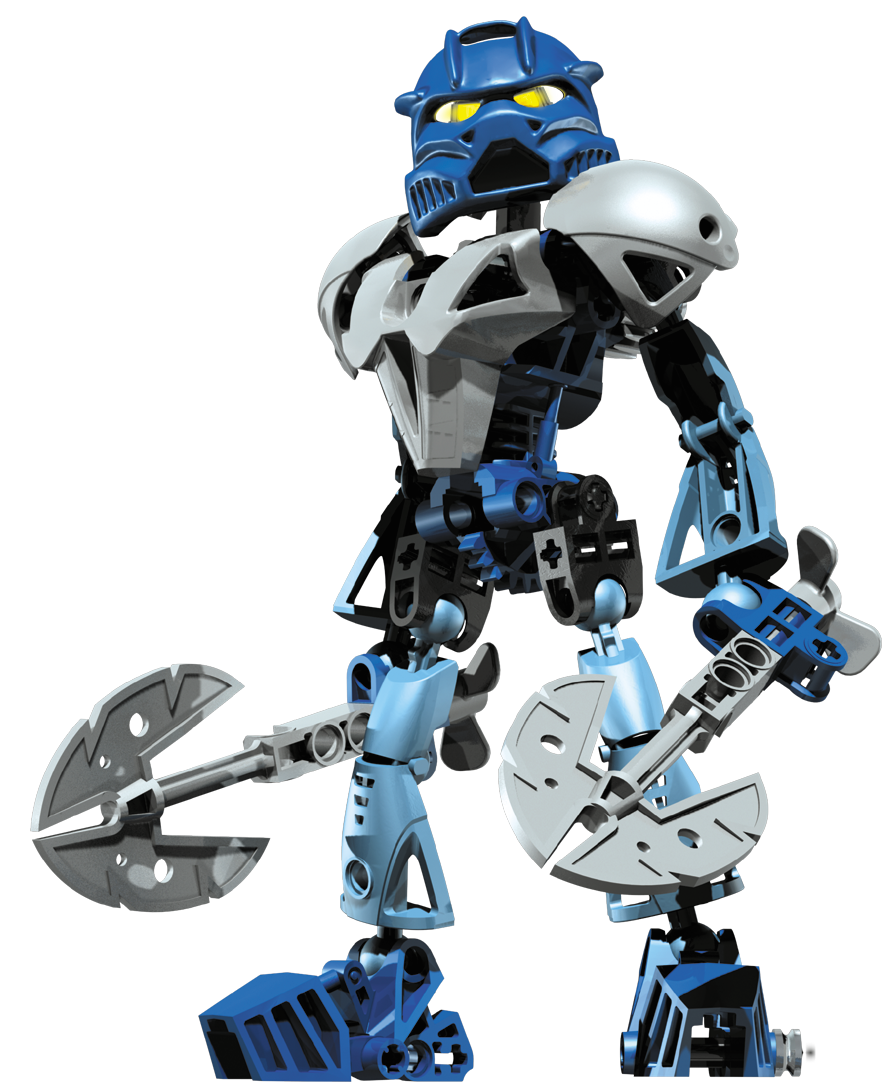
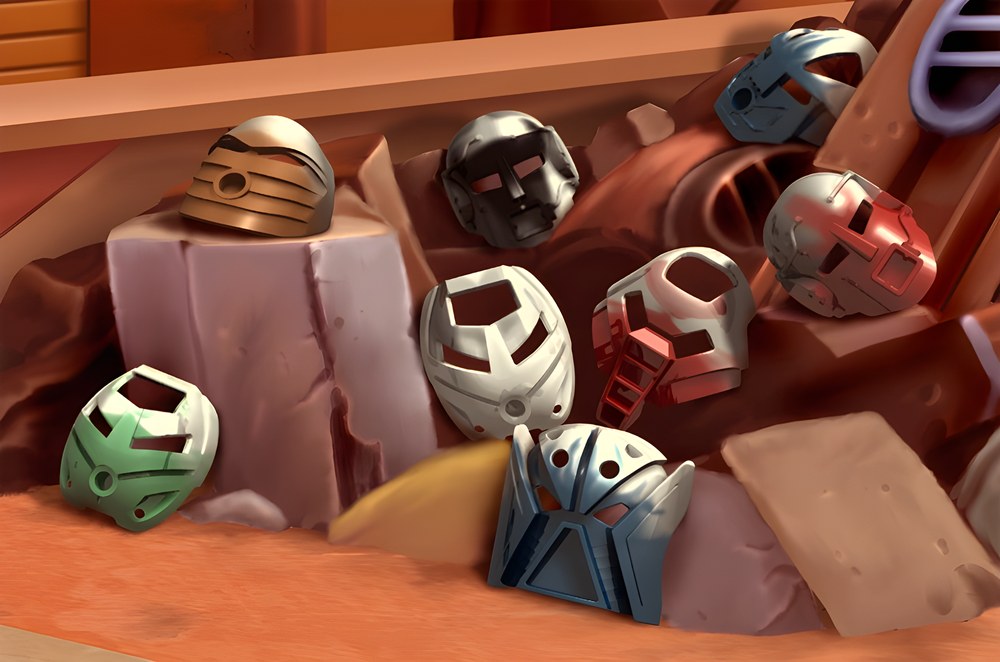
Another walkway ran in the opposite direction to the pad that held the Ga-Koro Kolhii FieldGa-Koro Kolhii FieldThe lily pad in rebuilt Ga-Koro where Hahli and Macku trained for the kolhii championship the Ga-Koro team went on to win at Ta-Koro. and on to the shore. HahliHahliA Ga-Matoran scholar who rose to become Chronicler of Mata Nui, then Toa Inika, then Toa Mahri of Water during the final crises of the Matoran Universe. trained there before the Kolhii TournamentThe Kolhii Championship at Ta-Koro: The Last Tournament on Mata NuiThe post-Bohrok-Kal championship at the Ta-Koro Kolhii Stadium, the upset victory by Ga-Koro, and the unveiling of the Mask of Light to the assembled population of Mata Nui.. (Mata Nui Online Game II: The Final Chronicle)
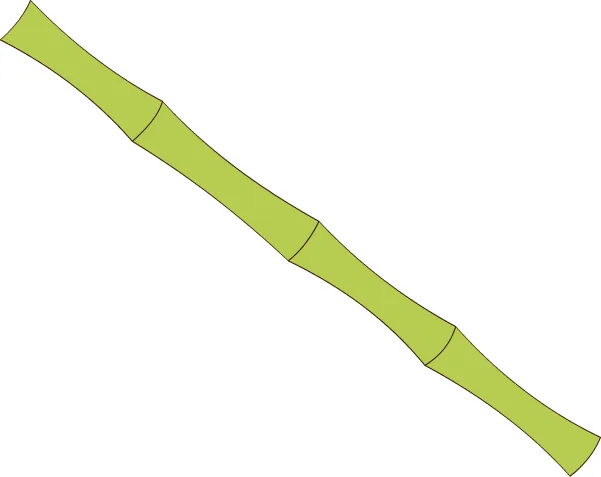
On the eastern edge of the village, Amaya's JettyAmaya's JettyA small lily-pad jetty off Amaya's Hut at the eastern edge of Ga-Koro, marked by three bamboo poles and a short poem about a Ruki fish. jutted out from Amaya's HutAmaya's HutAmaya's Hut was a small dwelling in Ga-Koro where the Ga-Matoran Amaya made flax, kept a Flax Weaver and a pile of harakeke, and lit her work with a jellyfish lamp. on a lily pad framed by three Bamboo PolesBamboo PoleA crafting material in MNOG II used to assemble Kohlii sticks from gathered bamboo., one of them carrying a short poem. (Mata Nui Online Game II: The Final Chronicle)
The lily pads at war#
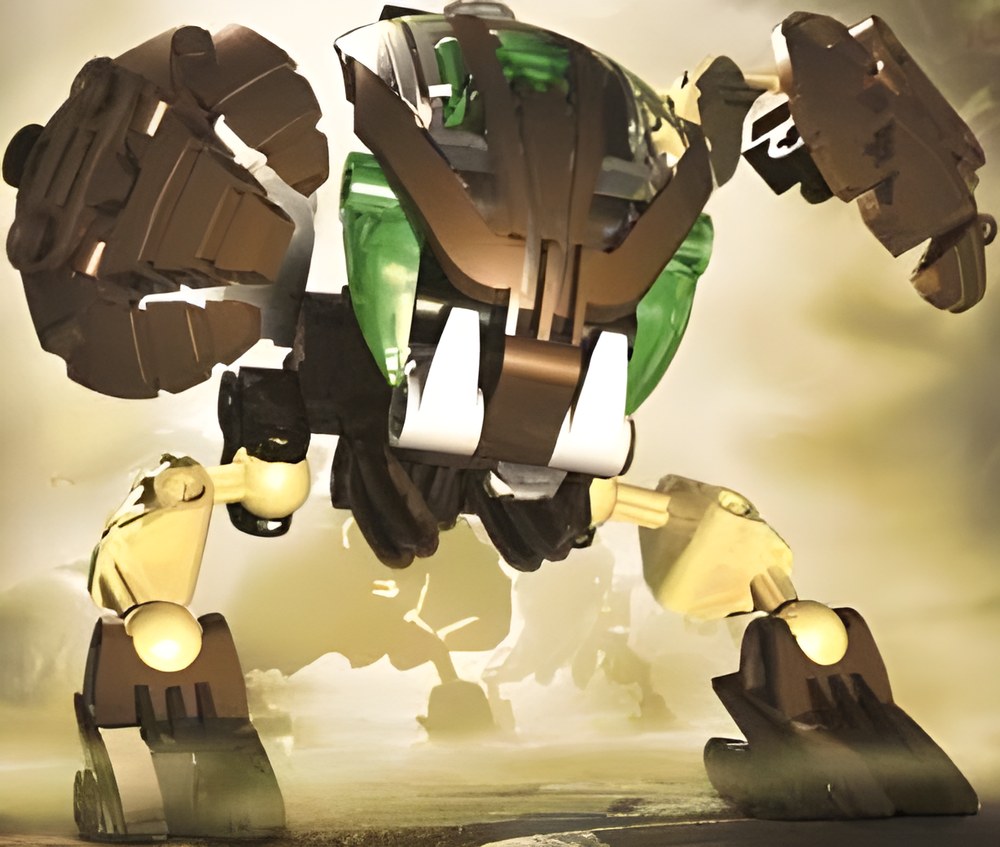
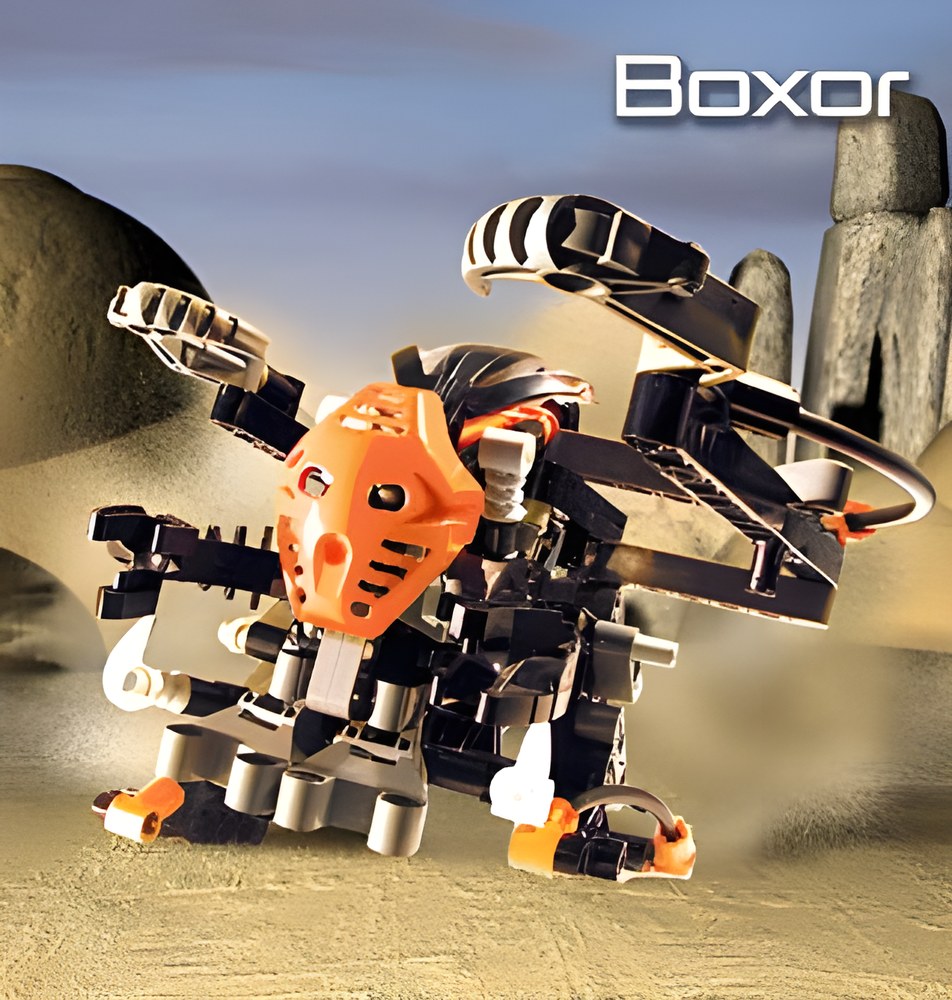
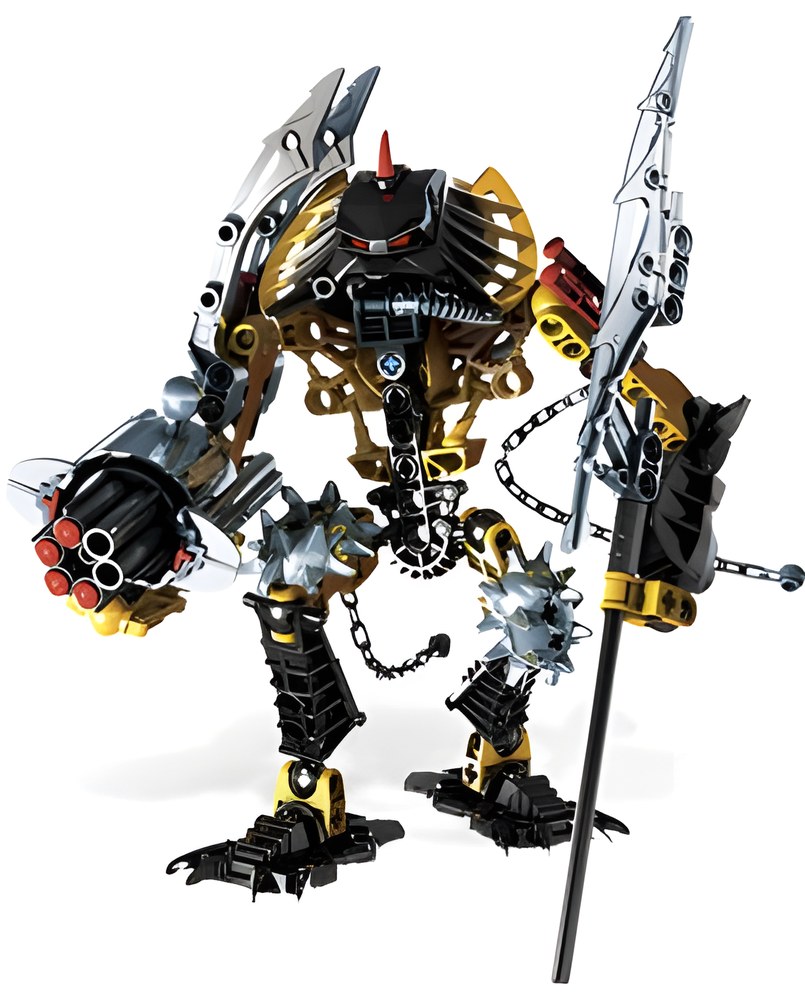
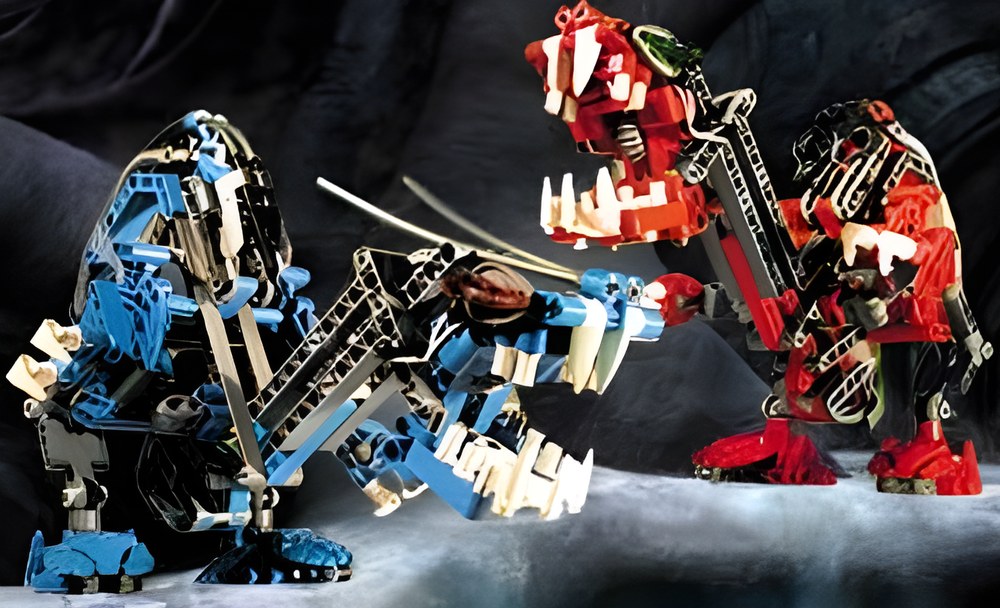
The pads were at the heart of the Battle of Ga-KoroThe Battle of Ga-Koro: The Pahrak Siege of the Floating VillageThe Pahrak assault on the floating village of Ga-Koro, held off by the Ga-Matoran and their Po-Matoran guests until the Toa Mata sealed the Bahrag and the swarm fell still., when a swarm of PahrakPahrakStone-aligned Bohrok swarm units that forced the Toa Mata to realize they couldn't win through isolated victories. tried to clear Naho Bay of the village near the end of the Bohrok WarBohrok WarThe 2002 swarm that nearly destroyed Mata Nui when Teridax triggered the Bohrok's awakening ahead of schedule.. The Ga-Matoran had prepared by cutting off the stone gate and ringing the village with sharpened bamboo poles. JallerJallerJaller served as Captain of the Ta-Koro Guard, led the Toa Inika to Voya Nui, and commanded the Toa Mahri through the recovery of the Mask of Life. and TakuaTakuaAn Av-Matoran hidden on Mata Nui as a Ta-Matoran, who gathered the Toa Stones, served as Chronicler, and ultimately accepted the Avohkii to become Takanuva, the Toa of Light. arrived to help, bringing NuparuNuparuAn Onu-Matoran engineer from Metru Nui who built the Boxor and rose to become a Toa of Earth despite no warrior destiny.'s BoxorBoxorBuilt by Nuparu from a salvaged Gahlok shell, the Boxor was the first Matoran-engineered combat machine and a key resistance asset against the Bohrok swarms. vehicles, and OnewaOnewaOnewa served as Toa Metru of Stone, led Po-Koro through the Dark Time, and constructed the Metru Nui statue honoring the fallen Toa Mahri Matoro. brought Po-MatoranPo-MatoranThe Stone-element Matoran of Po-Metru and Po-Koro, carvers and quarry workers, the most athletic of the Matoran types and the population behind the Kohlii and Akilini circuits. refugees fleeing the Tahnok. (Mata Nui Online Animations)
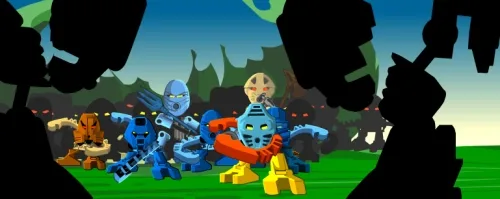
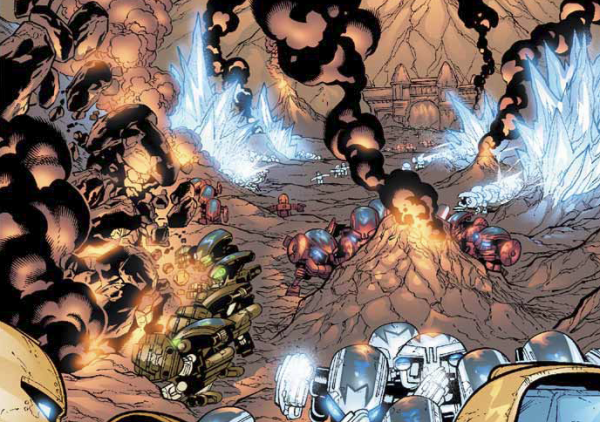

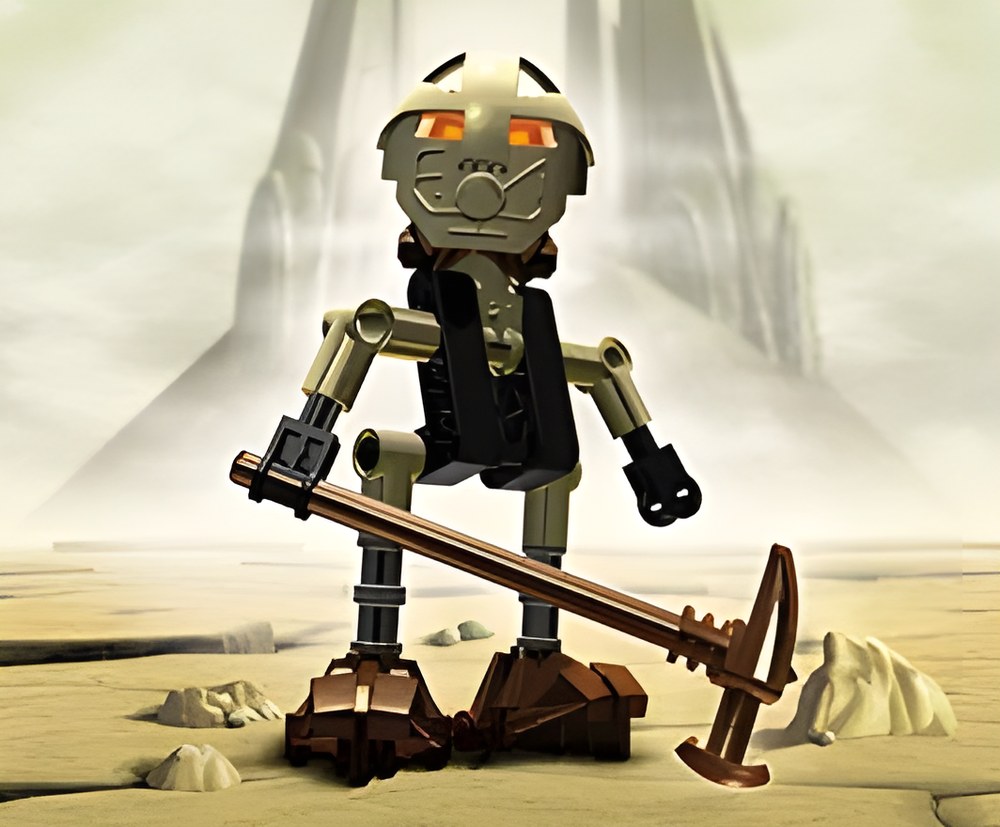
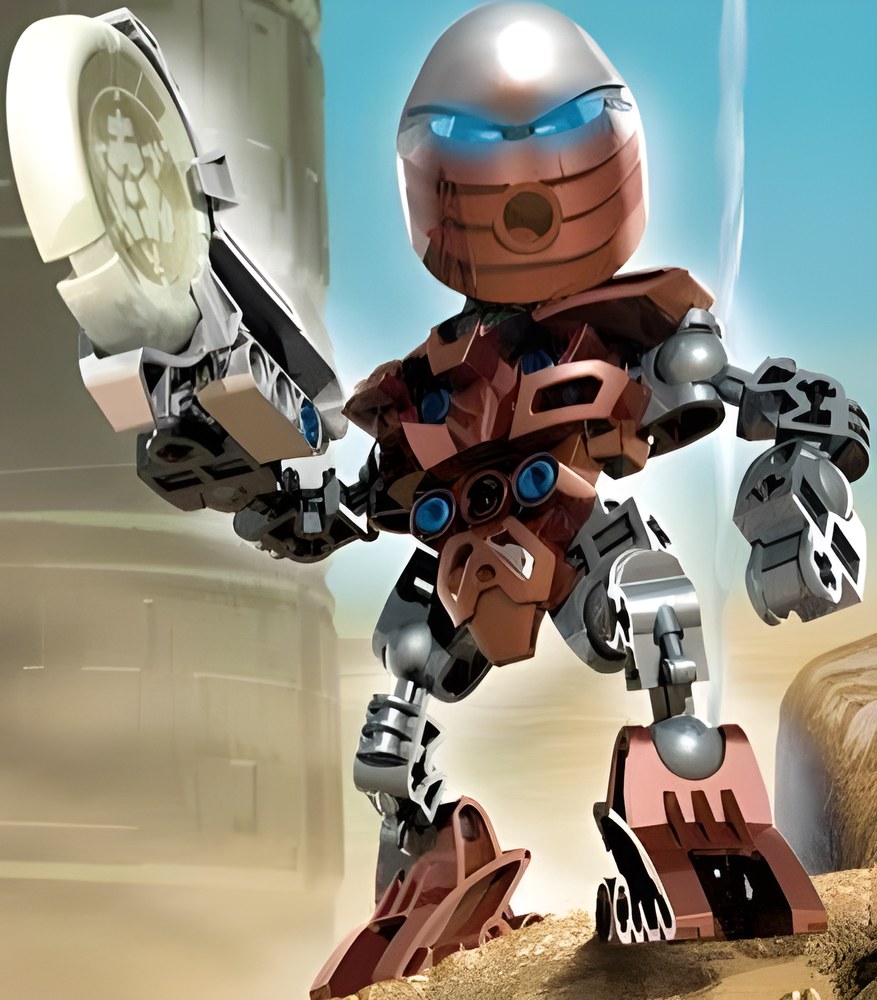
Nokama sent HahliHahliA Ga-Matoran scholar who rose to become Chronicler of Mata Nui, then Toa Inika, then Toa Mahri of Water during the final crises of the Matoran Universe., KotuKotuKotu was a Ga-Matoran of Water who resided on Spherus Magna. Blue and light blue in color, Kotu wore a powerless Rau and carried a Kolhii Stick, serving at various times as a Rahi Tender, an assistant to Nokama, an athlete, and a guard in the Defense Force. and MackuMackuMacku was a Ga-Matoran of Metru Nui and later Ga-Koro, attendant to Turaga Nokama, Kolhii partner to Hahli at the championship at Ta-Koro, and a member of the Chronicler's Company. to break up the causeway with fishing staffs, but the Pahrak shattered the gate first. When a flying rock headed for Macku, the Po-MatoranPo-MatoranThe Stone-element Matoran of Po-Metru and Po-Koro, carvers and quarry workers, the most athletic of the Matoran types and the population behind the Kohlii and Akilini circuits. HewkiiHewkiiHewkii rose from Po-Metru Matoran to Mata Nui's foremost kolhii player, then served as Toa Inika and Toa Mahri through the late wars of the universe. knocked it aside with Macku's fishing staff, and it came down on the causeway and cut the Pahrak's path. Before dawn the Pahrak blasted apart the Kaukau statue at Naho Falls to make a new bridge. The Ga-Koro GuardGa-Koro Defense ForceThe Ga-Koro Guard, the Ga-Matoran defenders who ringed their village with bamboo poles and held it against the Pahrak during the Bohrok invasion. couldn't hold them, and the Boxors fared no better: the Pahrak flipped the causeway and dumped them into the bay, and Ga-Matoran dived in to pull their pilots out. (Mata Nui Online Animations)
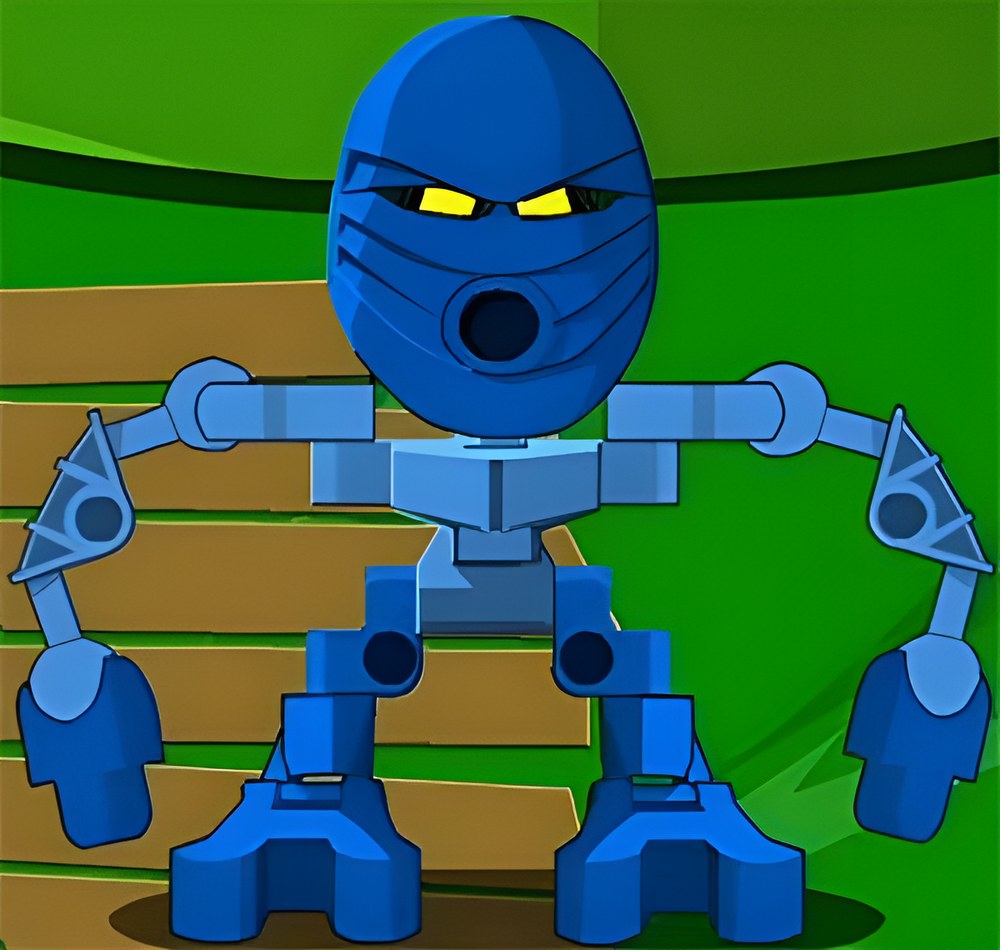
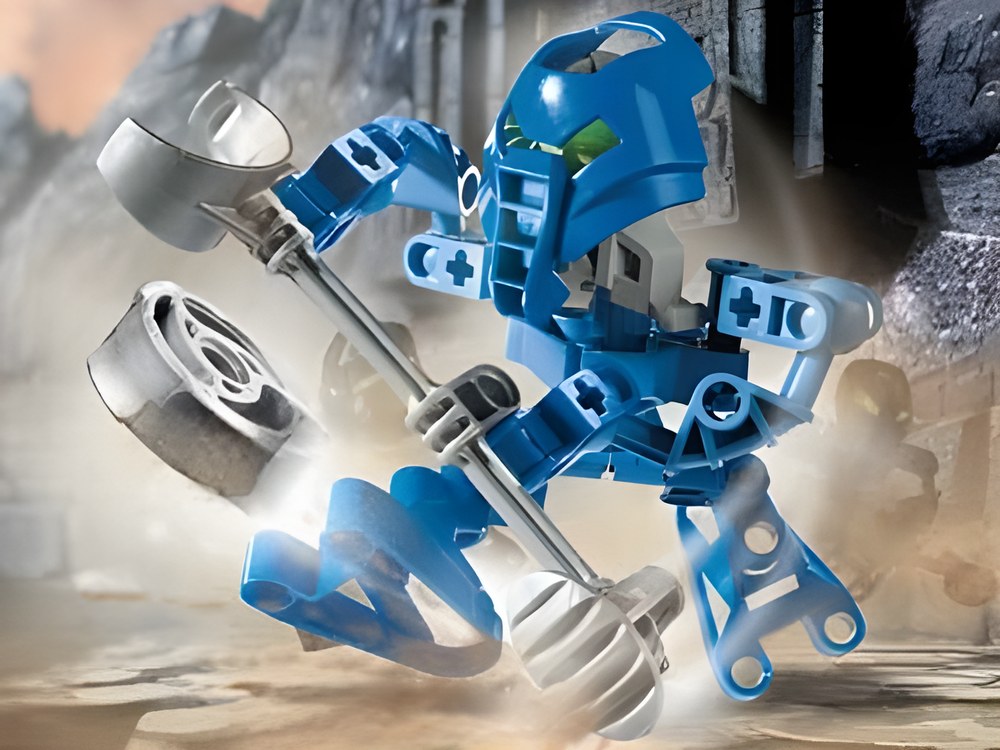
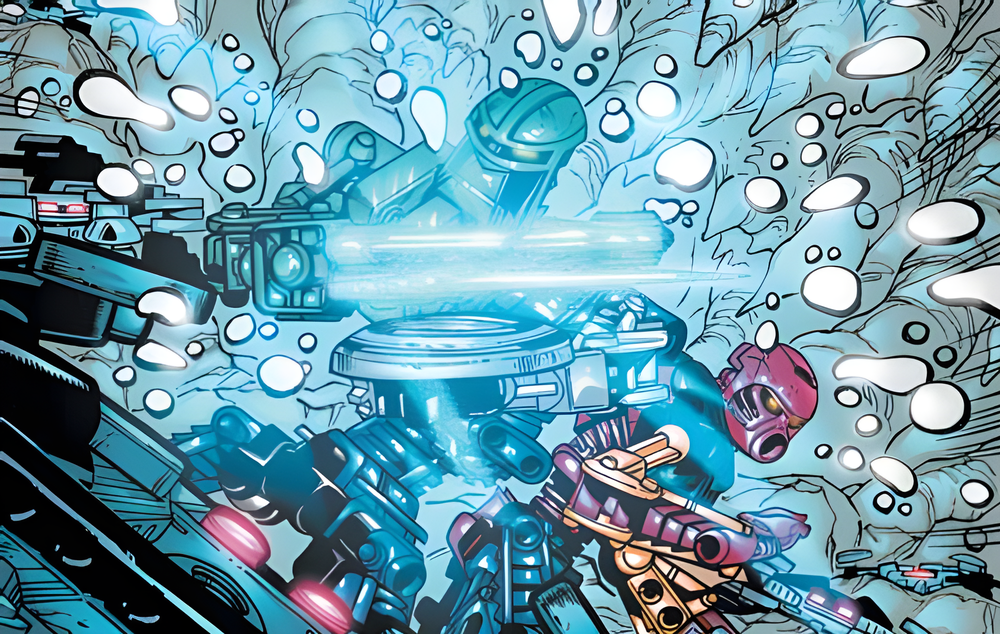
Pahrak VaPahrak VaThe stone-element Bohrok Va were maskless support units that served during Mata Nui's 2002 invasion. then gave three Pahrak Krana Vu, letting them fly onto the lily pad where most of the Matoran were making their stand. Cut off on another pad, Jaller used a bamboo pole to fling Takua across the water to the others. At that moment the Toa MataWho are the Toa Mata?Six warriors built to order by Artakha, stored in canisters, dropped into the ocean. This is the origin story of Bionicle's heroes and why their first week of work was entirely amnesiac. defeated the BahragBahragCahdok and Gahdok were the twin queens of the Bohrok, sealed in a protodermis cage by the Toa Mata and later released to finish their cleansing of Mata Nui. in the Bohrok nest and became Toa Nuva, and a beam of energy from the Ga-SuvaGa-SuvaGali's shrine in Ga-Koro, the floating village's store for her Kanohi and later her Nuva Symbol, whose light came as the Pahrak siege collapsed. struck down every Pahrak in the village. (Mata Nui Online Animations)
Aftermath and the journey home#
The deactivated Bohrok were put to work rebuilding the village, which came back larger and further from the shore, with a new gate. The Kaukau statue at Naho Falls was rebuilt in the image of a Kaukau Nuva. Hewkii's trick with the fishing staff inspired a new form of kolhiiKolhiiKolhii was the inter-village sport of Mata Nui, grown out of the older game of koli and played by all six Koro until the Matoran left the island. played with Ga-Matoran fishing staffs. (Mata Nui Online Animations)
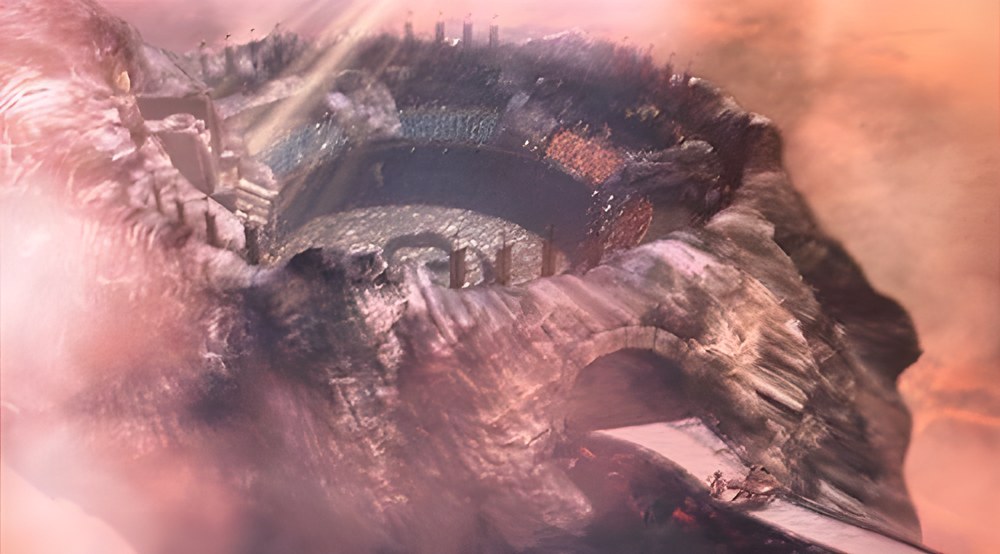
The pads carried the village for the rest of its time on Mata NuiMata Nui (Location)An island created by accident on the Great Spirit's face, home to the Matoran for a thousand years.. Ga-Koro was abandoned when the MatoranMatoranThe most abundant species in the Matoran Universe, chosen by Mata Nui to inhabit and maintain his cosmic body. rediscovered Metru NuiMetru NuiThe city beneath Mata Nui functions as the Great Spirit's brain, housing the Matoran whose labor keeps the god alive. and sailed home, and the island itself was later destroyed when the Great Spirit Mata Nui awoke. (BIONICLE Adventures 1: Mystery of Metru Nui; BIONICLE Legends 11: The Final Battle)
Frequently asked questions
- What were the lily pads of Ga-Koro?
- They were the huge floating pads, growing up from the seabed, that formed the ground of the Ga-Matoran village off the coast of Naho Bay. The whole village was built across a cluster of them rather than on solid land.
- What was built on the lily pads of Ga-Koro?
- The huts, gardens, Town Square, kolhii field and walkways of the village all rested on the pads. The huts were made of thick seaweed, and harakeke and bamboo grew from the pads themselves.
- What part did the lily pads play in the Bohrok War?
- During the Battle of Ga-Koro the Matoran made their last stand on the pads. The Pahrak flipped the causeway to dump the Boxors into the bay, and three Pahrak given Krana Vu flew onto the pad where the Matoran stood, before the Ga-Suva's beam stopped every Pahrak in the village.
- Was Ga-Koro rebuilt after the Bohrok War?
- Yes. The village was rebuilt with the help of the deactivated Bohrok, reconfigured, greatly expanded and set further out into the water, with a new gate.
- What happened to the lily pads after the Matoran left Mata Nui?
- Ga-Koro was abandoned when the Matoran returned to Metru Nui, and the island of Mata Nui was later destroyed when the Great Spirit awoke.
Sources
- GameMata Nui Online Game, Templar Studios for The LEGO Group, BIONICLE.com, 2001
- GameMata Nui Online Game II: The Final Chronicle, Templar Studios for The LEGO Group, BIONICLE.com, 2003
- VideoMata Nui Online Animations, Templar Studios for The LEGO Group, BIONICLE.com, 2002 to 2003
- BookBIONICLE Adventures 1: Mystery of Metru Nui, Greg Farshtey, Scholastic, 2004
- BookBIONICLE Legends 11: The Final Battle, Greg Farshtey, Scholastic, 2008
Spotted a factual error or a primary source we missed? Email a correction. Every flagged claim gets reviewed.
Followed from this entry

Amaya
Amaya was a Ga-Matoran native to Metru Nui who taught Vhisola before the Great Cataclysm and later made flax in Ga-Koro on the island of Mata Nui.
Amaya's Jetty
A small lily-pad jetty off Amaya's Hut at the eastern edge of Ga-Koro, marked by three bamboo poles and a short poem about a Ruki fish.
Ga-Koro Kolhii Field
The lily pad in rebuilt Ga-Koro where Hahli and Macku trained for the kolhii championship the Ga-Koro team went on to win at Ta-Koro.
Ga-Koro Town Square
The central meeting place of the rebuilt Ga-Koro, a lily-pad square with a garden, linked by bridges to the rest of the village and home ground of Ga-Matoran such as Nireta, Nixie, Okoth, Kotu and Kailani.
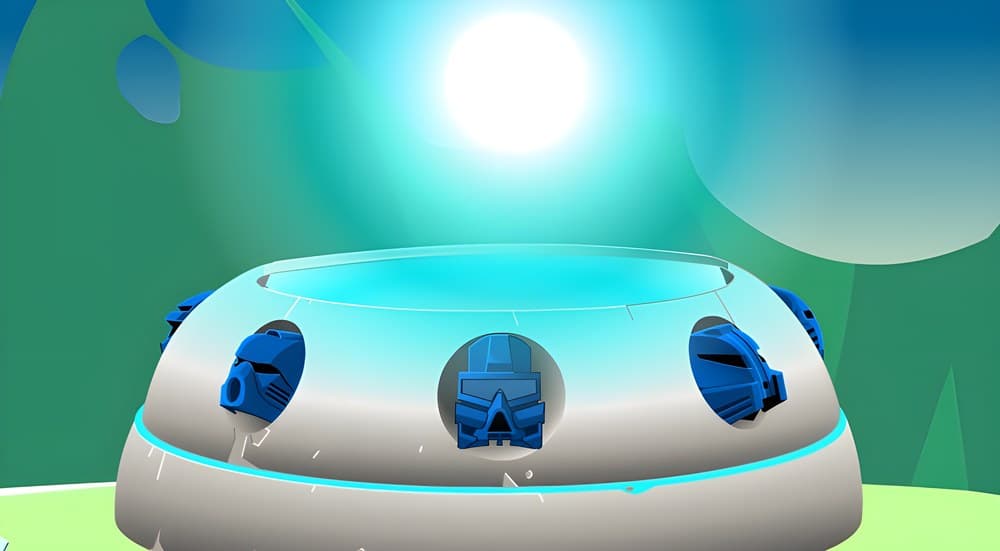
Ga-Suva
Gali's shrine in Ga-Koro, the floating village's store for her Kanohi and later her Nuva Symbol, whose light came as the Pahrak siege collapsed.
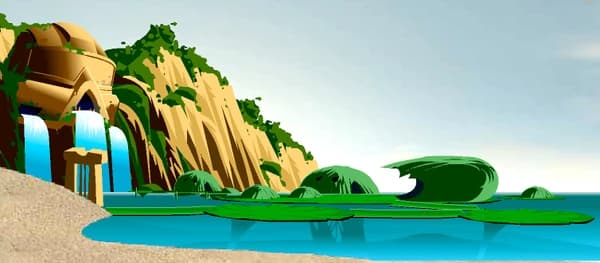
Naho Bay
The body of water that made up most of Ga-Wahi, named for a fallen Toa of Water and home to the floating village of Ga-Koro on its surface.
Get new articles in your inbox
No spam. New lore drops, canon conflicts, and deep dives only when they’re worth reading.
Some links on Lore Fortress are affiliate links. If you buy through them we earn a small commission at no extra cost to you.