Dark Rider: the Warrior of Destiny
The Dark Rider, called the Warrior of Destiny in the novelization, was the leader of the Griffin Riders who guarded the skies around the Island of Creation. Armed by the Sisters of Fate with the Spear of Destiny, he intercepted Kratos on his flight to the island and died in a duel fought on the back of his own Griffin.
The Dark Rider, called the Warrior of Destiny in the novelization of God of War II, was the leader of the Griffin Riders, the winged guardians who protected the Island of Creation on behalf of the Sisters of Fate. He wielded the Spear of Destiny, a weapon the novelization says was reserved for only the most dire emergencies. When Kratos crossed the sea on the back of Pegasus to reach the island and change his fate, it was the Dark Rider who rose to bar his way, and the duel they fought high above the waves cost the Fates both their chief warrior and his terrible spear. (God of War II; God of War II (novel))
Leader of the Griffin Riders#
The Griffin Riders were the airborne sentinels of the Island of Creation, warriors who commanded Griffins and hurled themselves upon any intruder who dared the skies on the approach to the Fates' domain. The Dark Rider stood at their head as general and leader, and everything about him marked him apart from the riders he commanded. Where his subordinates were ordinary soldiers of the Fates, he had darker skin and wore armor of gold, and where the common Griffin was a brown beast, his mount was a creature of another order entirely. The Dark Griffin was far larger and stronger than the rest of its kind, dark blue and violet in color, with a great rust colored head and a ridge of spikes running down its back. (God of War II)
The novelization shows the measure of the Fates' trust in him. Beyond his own gleaming battle axe, he was given the Spear of Destiny, a magic weapon of extraordinary power whose tip crackled with electric energy. So potent was the spear that it was kept in reserve, to be surrendered to a warrior only when the Fates faced the gravest of emergencies. The coming of Kratos was judged to be such an emergency. (God of War II; God of War II (novel))
The summons of Lahkesis#
In the novelization, the Rider's last errand began in the counsels of Lahkesis. The Goddess, looking with her powers into a possible future, grew worried about the Spartan who had defied her by arriving in the Lair of Typhon without injury. She summoned one of her High Priests and gave him a double command: to call forth the Warrior of Destiny, and to place in his hands the Spear of Destiny itself. (God of War II (novel))
So armed, the Dark Rider took to the air and shadowed Kratos on his approach to Typhon's mountain, watching from a distance as the Spartan and his Pegasus battled through the Griffins and Ravens sent against them. The Rider then closed in and intercepted the Spartan, and the first meeting went to the Fates' warrior: the nearly exhausted Pegasus was forced from the open sky to seek the ground. Only after escaping Typhon's mountain did Kratos mark him again, recognising him as the distant purple and green speck that had hung back from the earlier fighting, and he asked himself how fearsome a warrior could be who hid from combat. As if in answer, the voice of Gaia boomed around the Spartan, warning him of the power of this warrior and of the extraordinary weapon he wielded, and promising a swift return to the Underworld should Kratos underestimate the foe. (God of War II (novel))
The duel above the sea#
Kratos did not remain grounded. When he escaped the mountain and took wing once more toward the Island of Creation, the Dark Rider met him for the last time, high above the waters, and the two fought a running battle in the air. In the novelization's account, early in the fight the Rider's Griffin was deeply wounded, and the faster and more agile Pegasus held the advantage. The Warrior of Destiny fought skillfully with his battle axe against the Blades of Athena, absorbing slash after slash and piercing armor in return, but he was cautious with the unfamiliar spear at his side. Rather than risk losing so potent a weapon with a careless thrust, he saved it for the right moment, and Kratos noted that he held it "gingerly", as a man handles a thing he fears. (God of War II; God of War II (novel))
The novelization has the duel turn twice. Kratos drove a seemingly fatal wound into the Rider's chest and pressed his advantage, yet the Warrior of Destiny proved surprisingly strong, pushing the Spartan back and tripping him onto his back. Declaring to the Slayer of Ares that it was time to die, he finally drew the Spear of Destiny, and its electric energy, flowing from the tip down the Warrior's arm, left Kratos briefly dazed and confused. It was nearly the end of the Ghost of Sparta. But a powerful kick against the Griffin's back unbalanced the Rider, Kratos regained his footing, and in the final struggle the spear was turned against its bearer. (God of War II (novel))
In the game's version of that last exchange, the Dark Griffin slammed Pegasus out of the sky with its tail, and Kratos hooked onto the great beast with his blades and hauled himself onto its back. There, on the Rider's own mount, he finished the duel. He drove the Spear of Destiny through the Warrior of Destiny, stabbed the Griffin with the same weapon, and ripped one wing from the creature's body, sending it plummeting to its death with the spear still lodged in its flank. (God of War II)
The reckoning in the Loom Chamber#
The Rider's death was a heavy blow to the forces that served the Fates and guarded the Island of Creation, and the loss of the Spear of Destiny weighed heavier still. The corpse of the Dark Griffin came to rest in the Lowlands of the island, where Kratos later found it and pulled the great spear from its flank, adding the Fates' most guarded weapon to his own arsenal. The Rider's body was accounted for less surely. In the novelization he fell into Poseidon's depths; in the game his corpse fell somewhere on the Island of Creation and was never found. (God of War II; God of War II (novel))
In the novelization, Lahkesis in the Loom Chamber could not understand how her warrior had lost. She had intertwined his thread of fate with that of Kratos and decreed that only the Warrior's thread should continue, and she wondered aloud whether one of her Sisters had meddled with her plans for the Spartan, which until then had been her concern alone. Atropos answered that she already knew of the Warrior's death in battle, for she had studied his Life-Thread, and it had shown her the truth of the duel: the Warrior of Destiny had been afraid to properly use the Spear of Destiny against Kratos, and that fear had killed him. (God of War II (novel))
Whatever thread the Fates had woven for him ended above the sea he had guarded. Whether the unraveling of destiny that followed Kratos' conquest of the Loom ever restored the Rider was never recorded, and he was not seen again in the wars that consumed the Greek world. (God of War II; God of War III)
Sources
- GameGod of War II, Santa Monica Studio, 2007
- GameGod of War III, Santa Monica Studio, 2010
- BookGod of War II (novel), Robert E. Vardeman, Del Rey, 2013
Spotted a factual error or a primary source we missed? Email a correction. Every flagged claim gets reviewed.
Followed from this entry
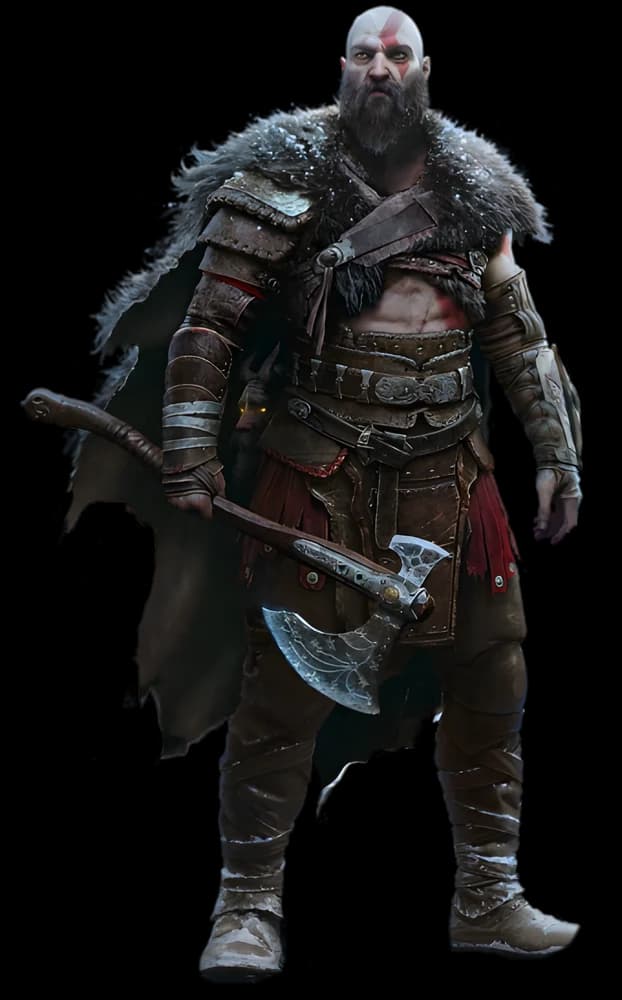
Kratos
Kratos was the demigod son of Zeus who rose from a Spartan general to the Greek God of War, destroyed the pantheon of Olympus in a quest for vengeance, and then began again in the Norse realms as a father seeking to leave his bloody past behind.
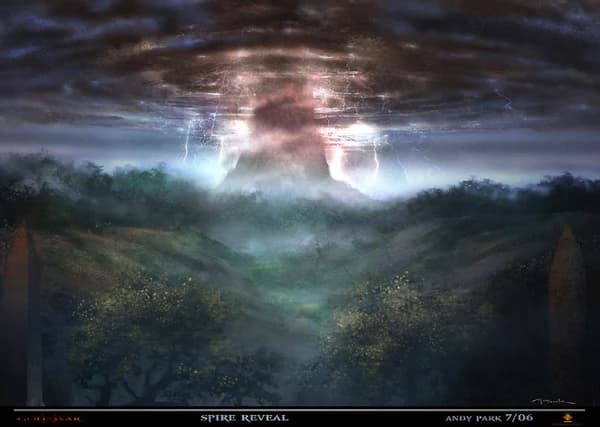
Island of Creation: cradle of the Greek world
The Island of Creation was the place where all life in Greece began, lying at the very edge of the world. It became the seat of the Sisters of Fate and one of the most heavily guarded places known to man, until Kratos broke through its defenses, slew its guardians, and left it in ruin.
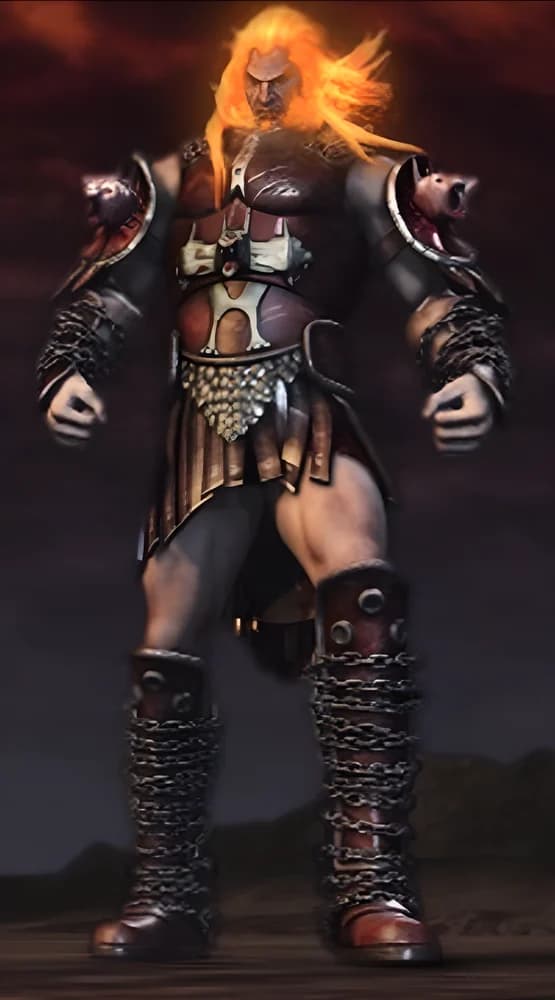
Ares: the god who made Kratos a killer
Ares tricked Kratos into slaughtering his own wife and daughter to bind him as a weapon. Kratos killed him at Athens and took his place as God of War.
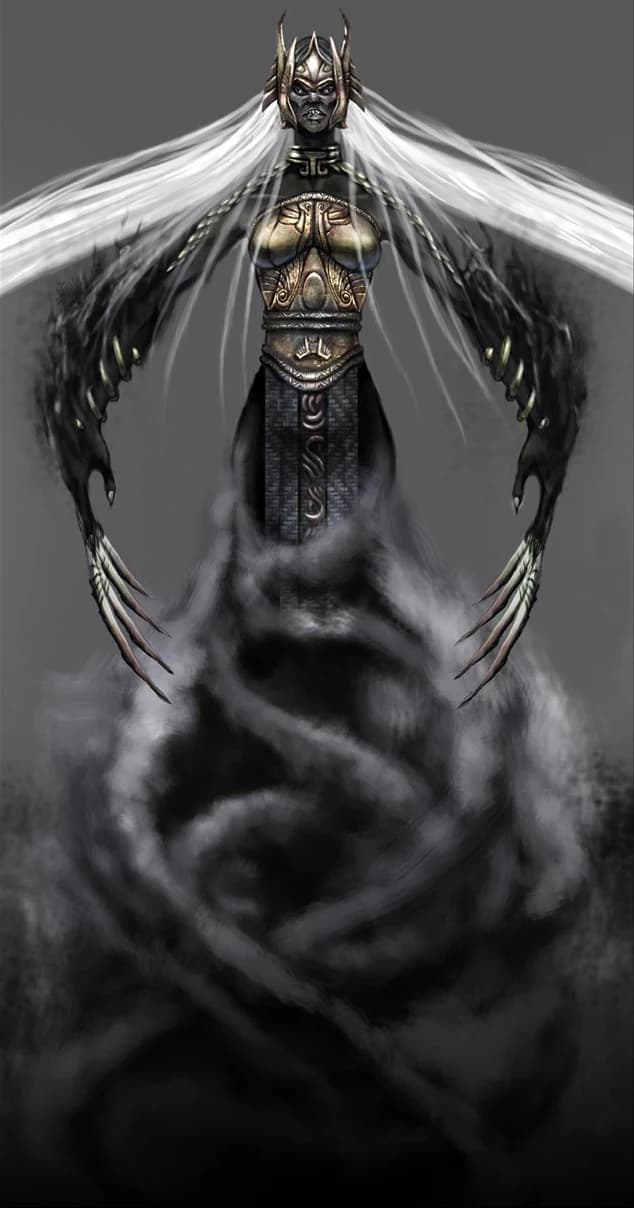
Atropos
Atropos was the eldest and cruelest Sister of Fate, the cutter who ended every life with her razor claws. She dragged Kratos into his own past to undo him, but the Spartan turned her sisters against one another and sealed her within a shattered mirror.
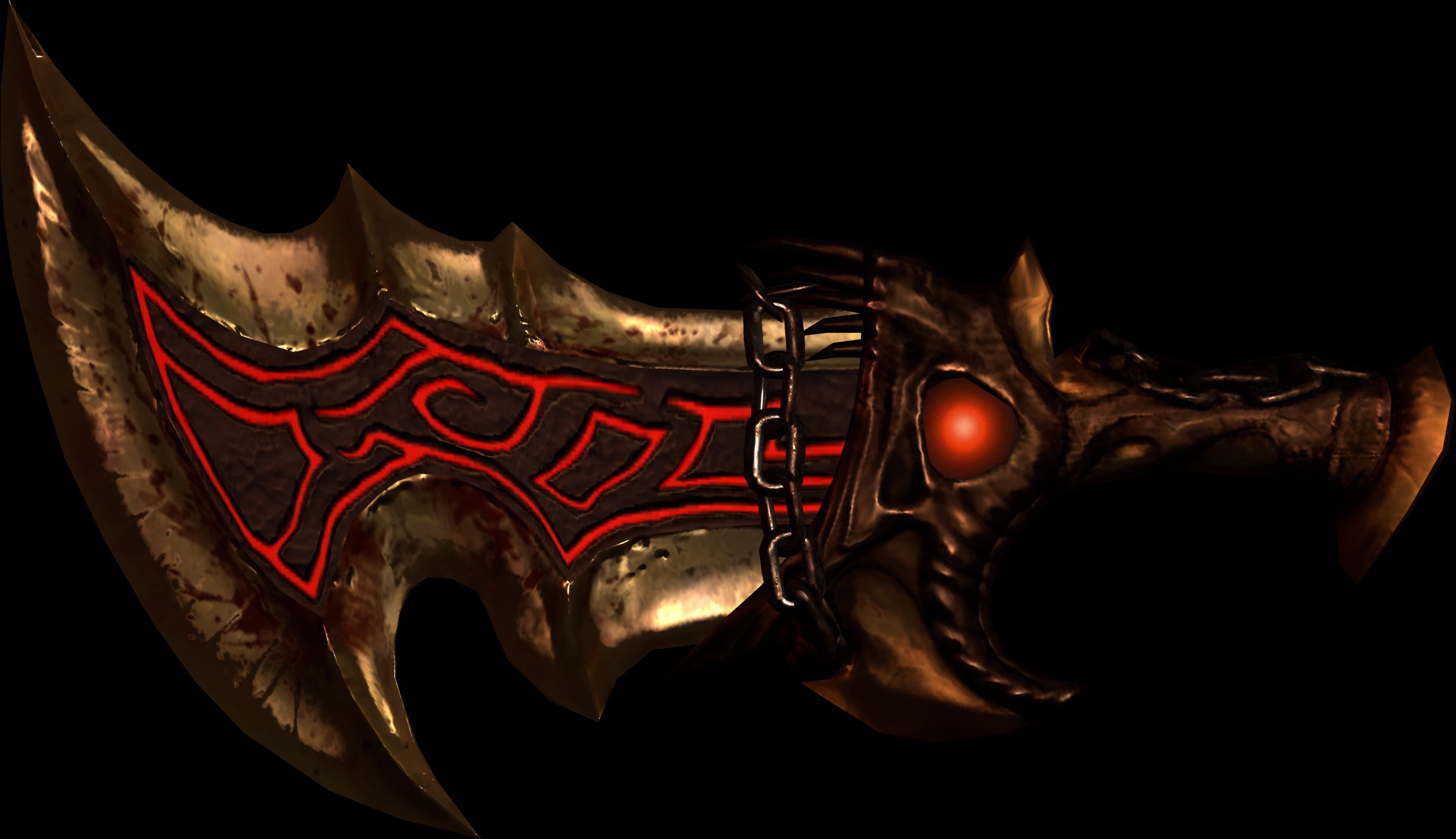
Blades of Athena
The Blades of Athena were the chained blades the goddess Athena bestowed upon Kratos when he became the God of War. They served as his primary weapons during and after his reign on Olympus, until they were ruined in the River Styx and reforged into the Blades of Exile.
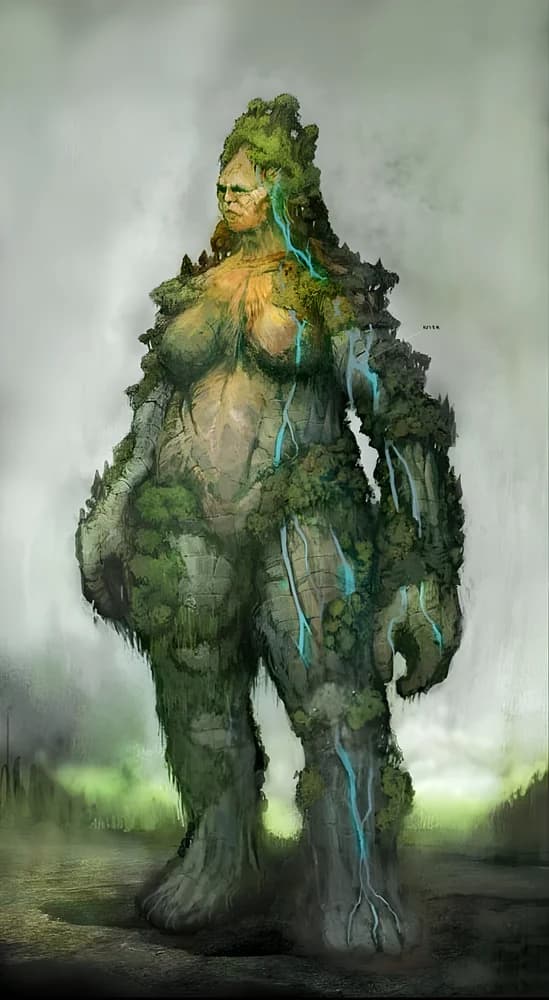
Gaia: Mother Earth, betrayed by Kratos
Gaia bore the Titans, hid the infant Zeus from Cronos, and allied with Kratos against Olympus. He ran the Blade of Olympus through her heart.
Mentioned in3 entries
God of War Weapons List: the Name of Every Weapon Kratos Has Used
Kratos has carried two dozen weapons across two lifetimes, from a Spartan spear to a spear built from a ring that copies itself. This list runs through them in the order he got them, Greek era first, then Norse.
Pegasus
Pegasus was a great winged horse of the Greek world, gray of coat with wings wreathed in flame. Sent forth by Gaia, he carried Kratos through the skies on his second war against Olympus until the Dark Rider struck him from the air above the Island of Creation.
Spear of Destiny
The Spear of Destiny was a magical weapon belonging to the Sisters of Fate, held in reserve for emergencies. Kratos claimed it from the Dark Rider on the Island of Creation, taking up a weapon the novelization says could kill Zeus himself.
Get new articles in your inbox
No spam. New lore drops, canon conflicts, and deep dives only when they’re worth reading.
Some links on Lore Fortress are affiliate links. If you buy through them we earn a small commission at no extra cost to you.